

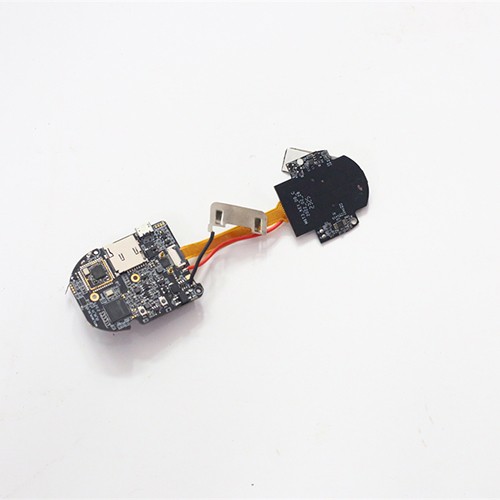
Security camera outdoor monitoring system
- The security camera outdoor monitoring system is a kind of security equipment used in outdoor environment, which usually consists of camera, video recorder, display, network equipment, etc.
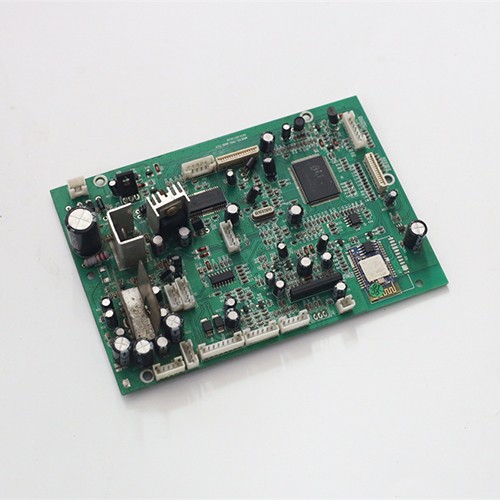
Antique CD player control motherboard
- The antique CD player control panel is one of the core components of the antique CD player, which is responsible for controlling the various functions of the CD player.
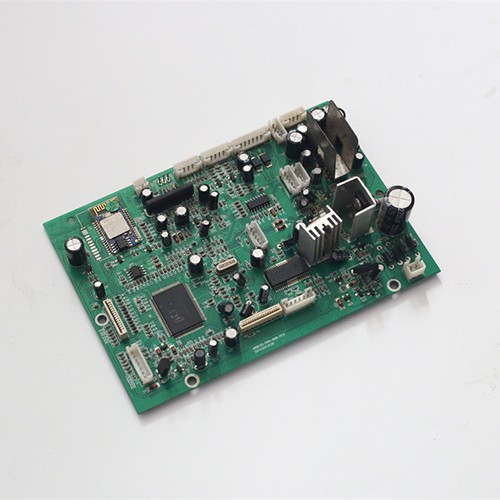
Antique CD player control board
- The antique CD player control panel is one of the core components of the antique CD player, which is responsible for controlling the various functions of the CD player.
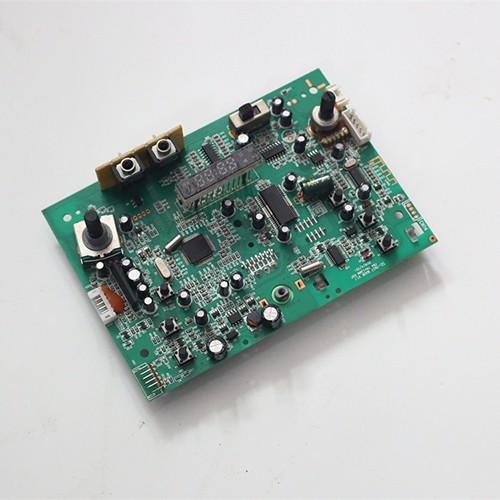
Antique CD player six-in-one motherboard
- Antique CD player is a CD playback device with a retro appearance design style. It usually incorporates classic styling elements, such as wooden casings, retro knobs and buttons, giving people a nostalgic feel.
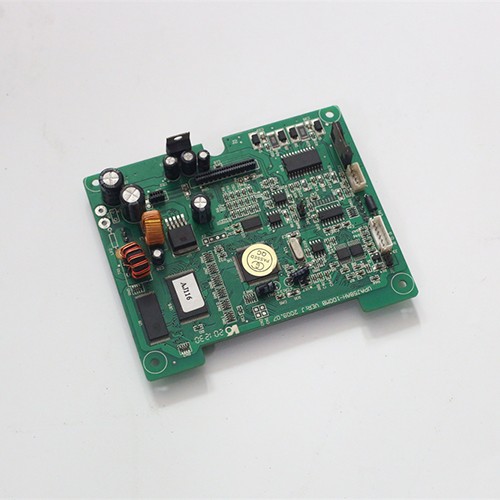
Gas station printer control board
- The working principle of the gas station portable printer is to use a special carbon ribbon, through the working principle similar to the fax machine print head, to transfer the carbon powder coating on the carbon ribbon to paper or other types of materials by heating. The carbon ribbon has a strong adhesion, and the printing medium principle makes the printing effect better.
Consumer and Smart Device PCBA Assembly
Consumer electronics are judged on cost, on time to market and on how the product feels when it comes out of the box. None of those are things the assembly process controls on its own, but all three are affected by decisions taken during assembly, which is why the cost discussion usually has to start further upstream than the placement rate.
Where the cost actually sits
- Components. Usually the largest single line. Removing an over-specified part, replacing an obsolete or single sourced device with a documented equivalent, or consolidating the quantity into fewer builds all reduce it without touching the process.
- Bare board. Panel utilisation, layer count and surface finish are the levers, and they are decided before assembly begins.
- Assembly. Placement count, the number of distinct packages and the amount of through-hole content drive the time, more than the hourly rate does.
- Test. Where a fixture and a full function test are justified, and where an in-circuit check is enough, is a cost decision as much as a quality one.
- Packaging and logistics. Small in total, but it decides whether the product arrives sellable.
Small form factors and fine pitch
Consumer products keep moving towards smaller boards and smaller packages. Components from 01005 upward and pitches down to 0.25 mm are placed with vision alignment, which makes a dense wearable or a compact module manufacturable at a realistic yield. Where a design is on the edge of what the process supports, it is raised at file review with a concrete adjustment rather than accepted and allowed to lose yield in production.
From board to sellable unit
A consumer product rarely ships as a board. Box build covers fitting the assembly into the enclosure, adding cables, connectors and accessories, loading the firmware version that will ship, and testing the complete unit rather than only the board. Labelling, serialisation and export packaging follow, with carton markings and inserts matched to the customer requirement, which matters when the product is moving by air freight to Europe, Russia or the Americas.
Time to market
Prototype and volume builds share the same lines, so there is no requalification step between the first build and the production order, and no minimum order quantity gates the early stages. Files reviewed before tooling exist catch the changes that are cheap to make and expensive to discover: a pad that is too small for the paste volume, a panel that cannot be depanelled cleanly, a part that is single sourced. Where the finished product needs an enclosure, a harness and retail packaging, that stage is described under box build.
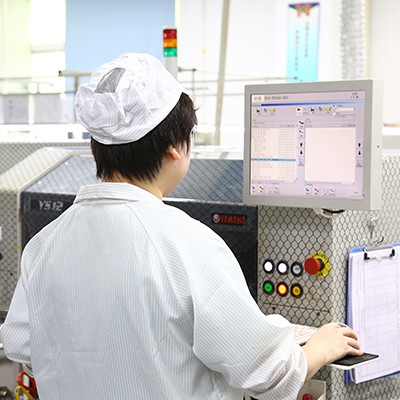
- Factory environment
What decides the cost of a consumer build
Consumer and smart device PCBA is judged on cost, on time to market and on how the product feels when it comes out of the box. This page covers where the cost of a consumer build actually sits, how small form factors and fine-pitch packages are handled, and how a board becomes a packed unit ready to ship.
Where consumer device boards are used
Each application area has its own assembly requirements. What changes from a medical instrument to a motor drive is the process, the acceptance class and the design rules that matter, and the pages below set out what is different about each one.