
Engineering support around manufacturing
Engineering support here sits around the build rather than in place of the customer's design work. The functional design belongs to the customer; what our process engineers do is make sure the design can be built at the yield and the cost the programme needs, and that the process is qualified before volume starts.
DFM review
Every quotation includes a design for manufacturability review of the Gerber and the BOM. It covers panel utilisation, footprint and paste aperture, placement feasibility against our equipment, component availability and lifecycle risk, stack-up and impedance, and the test access the design provides. Findings come back as specific observations with a stated effect on cost, yield or schedule, and the review is carried out against the process the boards will actually run on. The method is set out in full under DFM for PCBA.
Stack-up and impedance
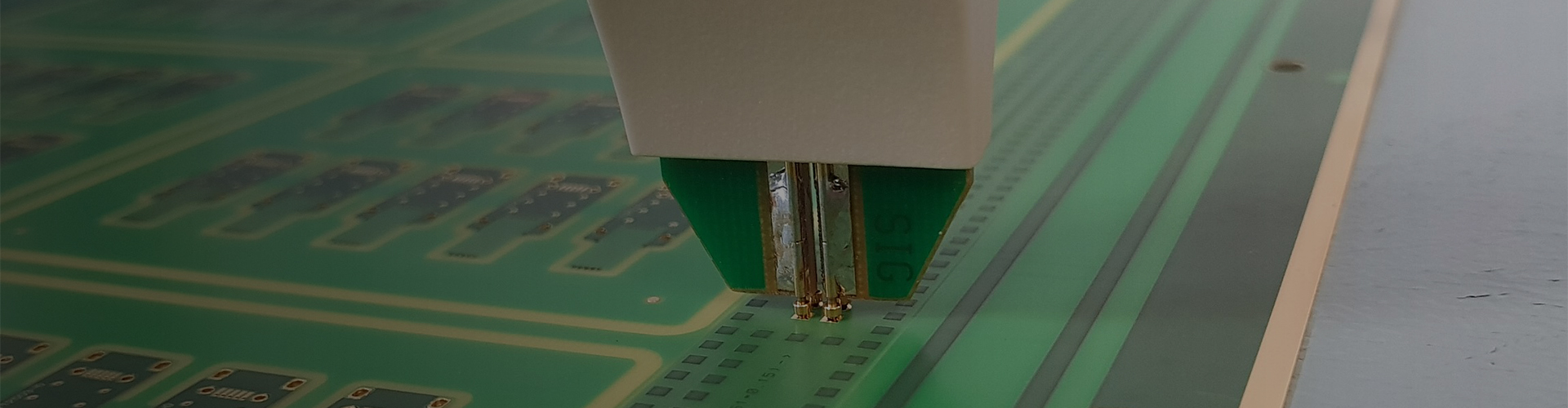
Where a design carries a controlled-impedance requirement, the stack-up is checked against what can be fabricated: layer arrangement, dielectric thickness and copper weight are agreed before the fabrication order is placed, so the board meets the electrical requirement rather than the drawing alone. The limits we build to are listed on the multilayer PCB and high-Tg PCB pages.
BOM engineering
The BOM is read against real availability before anything is bought. Lines with no manufacturer part number, obsolete or end-of-life parts, single-source lines and package mismatches against the Gerber are all raised at quotation, with approved alternatives proposed and stated rather than substituted. How the material chain is then managed is described under component sourcing.
Test strategy and fixture planning
Test coverage is decided with the programme rather than added at the end: which methods apply, whether in-circuit or functional test is worth its fixture at this volume, and what access the layout has to provide. The methods and their limits are set out under PCBA testing.
First article and process qualification
The first assembly is treated as an approval gate. It is inspected and tested to the full agreed scope rather than sampled, the results are recorded as a first article inspection report, and an approved reference board is retained. Volume starts only after that release, which is what keeps a process error from being repeated across an order. The records that carry through from there are described under quality assurance.
What is not part of this service
Stating the boundary avoids a misunderstanding later. Kilandu does not take on circuit design, PCB layout, firmware or application software, or mechanical and enclosure design. Those stay with the customer or with the customer's design partner, and we work alongside them. What we own is the manufacturing engineering: design for manufacturability, stack-up review, BOM engineering, test strategy and process qualification.
How a new programme runs
A new product introduction typically follows five stages: a DFM review and a material plan against the customer's file set; agreement on the test scope and the acceptance class; a prototype or pilot build with a first article inspection; a release review, where the process and the fixture are frozen; and then volume on the same lines and at the same acceptance class, so the process is qualified once rather than twice. Where a design has been built elsewhere and carries a history of yield or reliability problems, that history is the starting point rather than a blank sheet.
Send the Gerber, the BOM and any existing test specification to alden@kilandu.com, with a note of what the product has to do. The file set a quotation needs is listed under quotation requirements.
What engineering support is included with a PCBA order?
Every quotation includes a DFM review of the Gerber and BOM. That covers panel utilisation, component availability and lifecycle risk, placement feasibility against our equipment, solderability of the footprint, and any stack-up or impedance issue that would affect yield. The findings are returned before production rather than after.
Can you help resolve a yield or reliability problem on an existing board?
Yes. Send the Gerber, BOM, assembly drawing and the failure description, together with any test data you hold. We examine the design against our process, review the assembly records if we built the board, and propose changes with a stated expected effect. Where the cause sits with the design rather than the process, we say so.
Do you offer design services or only manufacturing?
Our engineering team supports manufacturing: design for manufacturability, stack-up and impedance review, BOM engineering, test strategy and fixture planning. We are not a product design house, so the functional design stays with the customer while the manufacturing engineering is ours.
How do you support a new product introduction?
A new programme starts with the DFM review and a material plan, then a prototype build to prove the process before volume. The prototype is inspected to the same acceptance class as the volume build, so the process is qualified once rather than twice.