Welcome to visitShenzhen Jintianlei Innovation Technology Co., Ltd.Official Website!

Application

In-vehicle central control

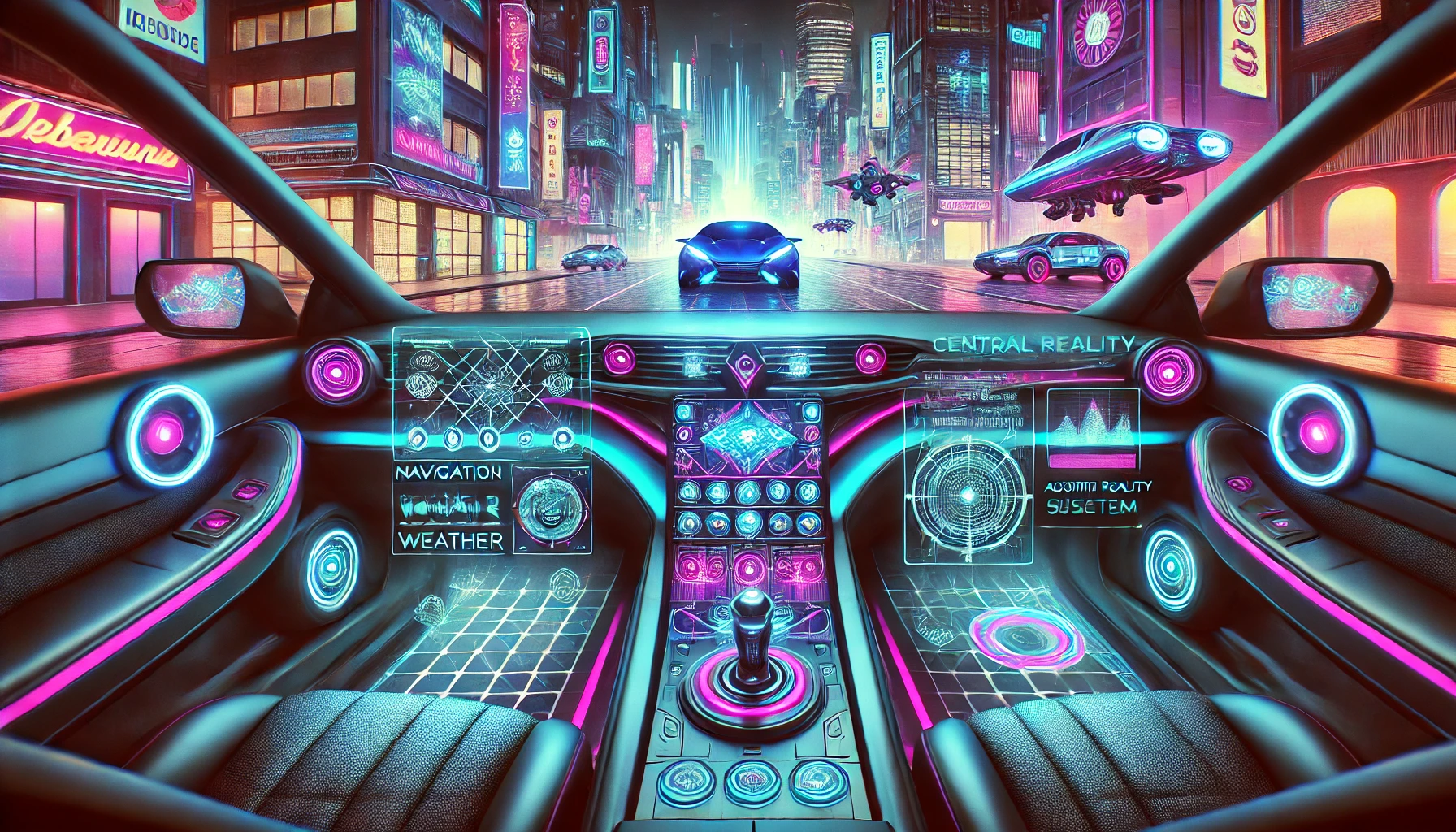
The on-board central control PCB (printed circuit board) is a key component in modern cars. As cars move towards electrification and intelligence, the technical challenges of on-board central control PCB are also increasing. Therefore, it is very important to select a PCB that meets the standards.

1733814644528779.jpg


High reliability requirements: The vehicle-mounted PCB needs to maintain stable operation under various environmental conditions (such as temperature, humidity, vibration, etc.), which places high demands on the reliability of the PCB.

High-frequency and high-speed signal transmission:With the development of in-vehicle infotainment systems and ADAS (Advanced Driver Assistance Systems), in-vehicle PCBs need to support high-frequency and high-speed signal transmission, which poses new challenges to PCB materials, design, and manufacturing processes.

Electromagnetic compatibility (EMC):There are many in-vehicle electronic devices and the electromagnetic environment is complex. PCB design needs to consider electromagnetic compatibility to avoid signal interference and noise.

Thermal management:In-vehicle PCBs generate heat during operation, especially in electric and hybrid vehicles. Thermal management is essential to ensure the normal operation of PCBs and electronic devices.

Miniaturization and Lightweight: As automotive design tends to be compact and energy-efficient, automotive PCBs also need to be miniaturized and lightweight to fit into limited space and reduce vehicle weight.

Material Selection: Automotive PCBs may require the use of special materials to meet requirements such as high temperature resistance and chemical corrosion resistance.

Manufacturing Process: The manufacturing process of automotive PCBs needs to be precise and stable to ensure product quality and consistency.

Cost control: While meeting the above technical requirements, it is also necessary to control the cost of PCB to adapt to market competition.

In-vehicle display technology: As in-vehicle displays develop towards large screens, high resolution, and touch, in-vehicle PCBs need to adapt to these new display technologies.

Integration of software and hardware: In-vehicle PCBs must not only carry hardware, but also be closely integrated with software systems to achieve complex functions and user experience.