
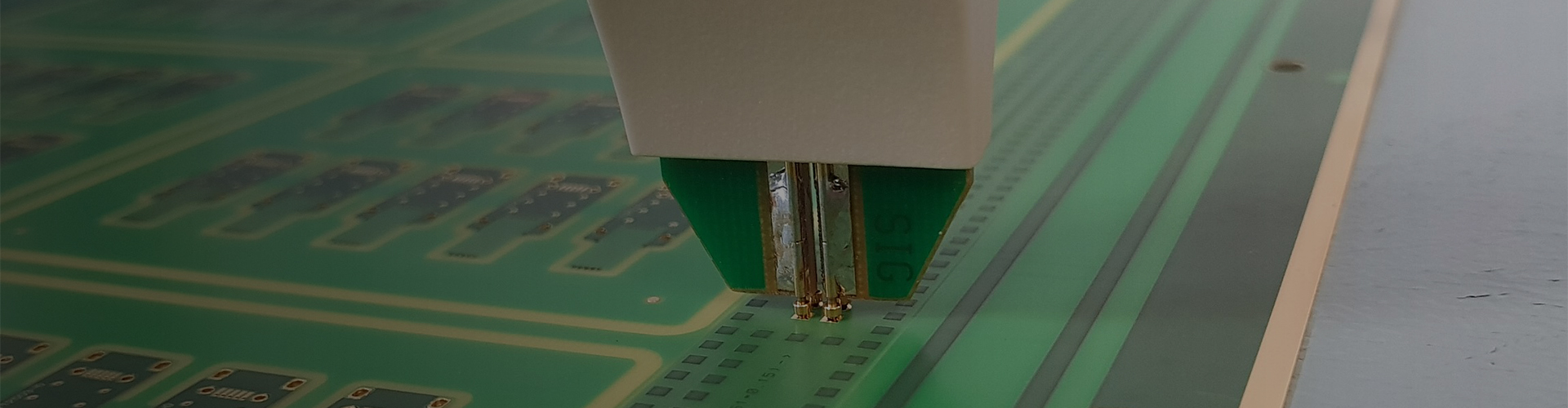
PCB (Printed Circuit Board) products are printed circuit board products, which are an indispensable component of electronic equipment.
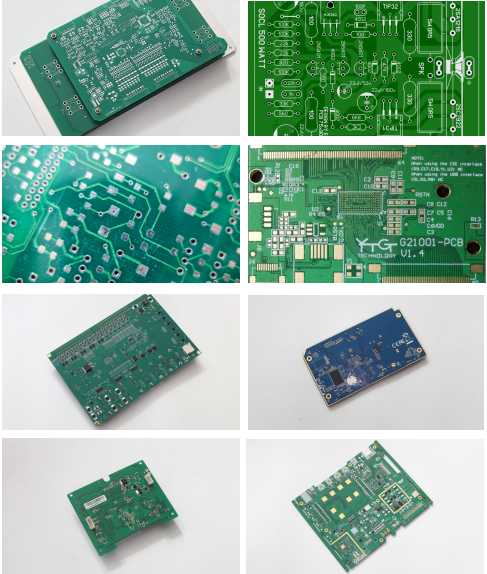
I. Main types
1. Rigid PCB
Made of a substrate that is not easy to bend, common materials include glass fiber reinforced epoxy resin, etc.
Widely used, such as computer motherboards, mobile phone circuit boards and most other electronic devices use rigid PCBs.
2. Flexible PCB
Using flexible substrates, such as polyimide, it can be bent and folded, and is suitable for occasions with strict space requirements or dynamic connections. Commonly used in mobile phone camera cables, wearable devices, etc.
3. Rigid-flex PCB
Combining the characteristics of rigid PCB and flexible PCB, some areas are rigid and some areas are flexible.
In some complex electronic equipment, such as aerospace equipment, medical equipment, etc., rigid-flex PCB can meet special connection and space requirements.
2. Composition structure
1. Substrate
Provides support and insulation, and is the basic part of PCB. Different types of PCB substrate materials have different performance characteristics, such as heat resistance, insulation, mechanical strength, etc.
2. Conductive layer
Usually made of copper foil, it is used to transmit electrical signals. Circuit patterns are formed on the conductive layer through processes such as etching.
3. Pads
Metal parts used to solder electronic components. The size, shape and position of the pads are designed according to the type and package of the electronic components.
4. Vias
Used to connect conductive layers of different layers to achieve circuit conduction. Vias can be through holes, blind holes or buried holes, and are selected according to the design requirements of the PCB.
Three, production process
1. Design
Use professional PCB design software to design circuit patterns according to the functional requirements of electronic equipment. The design process needs to consider factors such as circuit layout, wiring, signal integrity, and electromagnetic compatibility.
2. Plate making
The designed PCB pattern is made into a printed plate, usually using photolithography technology. First, a layer of photosensitive material is coated on the substrate, and then the circuit pattern is transferred to the photosensitive material through processes such as exposure and development.
3. Etching
Use chemical etchants to remove the unnecessary copper foil and leave the circuit pattern. The etching process requires strict control of etching time and etching solution concentration to ensure the accuracy of the circuit pattern.
4. Drilling
Drill holes on PCB to install electronic components and connect different layers of conductive layers. The location and diameter of the holes need to be precisely controlled according to the design requirements.
5. Electroplating
Electroplating a layer of metal, such as copper, gold, etc., on the hole wall and conductive layer to improve the conductivity and reliability of the circuit. The electroplating process requires the control of parameters such as the composition, temperature and current density of the plating solution.
6. Surface treatment
Surface treatment of PCB, such as tin spraying, gold immersion, OSP, etc., to prevent copper foil oxidation and improve welding performance. Different surface treatment methods have different characteristics and applicable occasions.
7. Inspection
Inspection of the manufactured PCB, including appearance inspection, electrical performance test, etc. Problems found during the inspection need to be repaired in time to ensure that the quality of the PCB meets the requirements.
Fourth, Application Fields
1. Consumer Electronics
PCBs are widely used in consumer electronic products such as mobile phones, tablet computers, TVs, and speakers. With the continuous upgrading of consumer electronic products, the performance and quality requirements for PCBs are getting higher and higher.
2. Communication equipment
A large number of PCBs are required in communication equipment such as base stations, routers, and switches. Communication equipment has very high requirements for PCB signal integrity, electromagnetic compatibility, and reliability.
3. Automotive electronics
Electronic control systems, instrument panels, and audio systems in cars are inseparable from PCBs. Automotive electronics have high requirements for PCB heat resistance, shock resistance, and reliability.
4. Industrial control
PCB is also widely used in industrial control fields such as industrial automation equipment and instrumentation. Industrial control has high requirements for the stability and reliability of PCB, and it also needs to adapt to harsh working environments.
5. Medical equipment
PCB is usually used in the electronic part of medical equipment. Medical equipment has extremely high requirements for the safety and reliability of PCB, and needs to comply with relevant medical standards.
In short, PCB products play a vital role in electronic equipment, and their performance and quality directly affect the function and reliability of electronic equipment. With the continuous development of electronic technology, PCB products are also constantly innovating and improving to meet the needs of different fields.