

High-Tg PCB uses laminates whose glass-transition temperature is 170 degrees C or higher (FR4 TG170 / TG180 and above), so the board survives lead-free reflow and high-power operation without delaminating. Kilandu fabricates high-Tg multilayer boards from 1 to 24 layers with tight registration and impedance control.
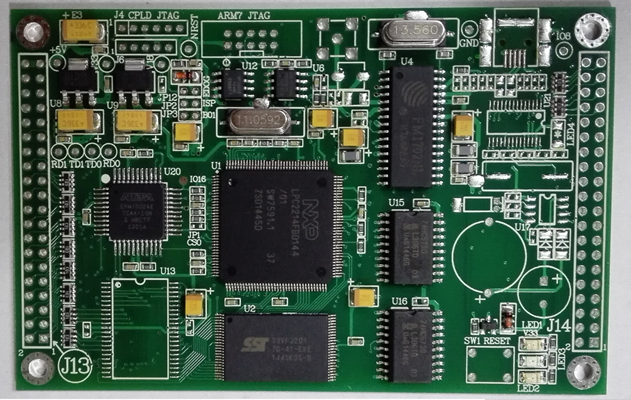
- Tg 170 / 180 / 200 degrees C laminates
- 1 to 24 layers, 0.2 to 3.2 mm thickness
- Impedance control with micro-section reports
- ENIG or HASL finish, RoHS and REACH compliant
- UL listed, File No. E352816
Capability
What Kilandu can build, test and ship for this product family.
| Parameter | Capability |
|---|---|
| Tg value | 170 / 180 / 200 degrees C |
| Layer count | 1-24 layers |
| Thickness | 0.2-3.2 mm |
| Finish | ENIG / HASL |
| Test | impedance / micro-section |
| Lead time | Bare board 1-3 weeks |
Applications
High-Tg boards we have manufactured - open one to see the board.
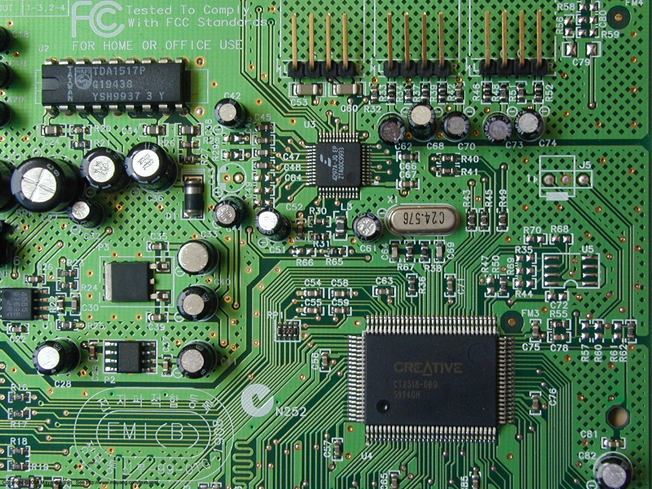
Game console motherboard PCB
Ref. 234 - high-Tg board for lead-free assembly in a heat-intensive consumer product.
View details →Medical imaging equipment PCB
Ref. 233 - high-Tg multilayer board with tight registration for imaging electronics.
View details →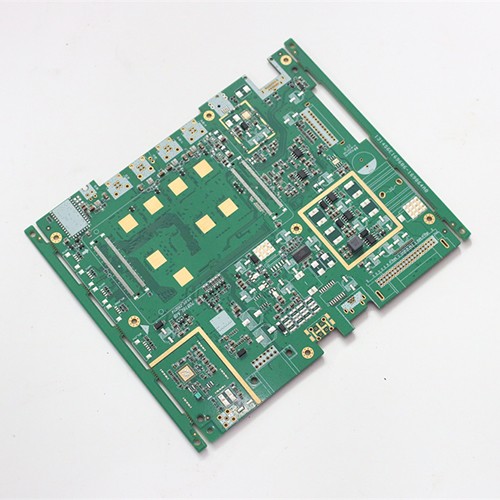
High TG PCB
Ref. 205 - high-Tg multilayer board for lead-free reflow and higher operating temperature.
View details →Certifications and compliance
Certificate numbers are published so your sourcing team can verify them directly.
Certificate numbers, issuing bodies and validity dates are published on the quality assurance page.
High-Tg PCB fabrication at Kilandu runs under a certified quality and environmental management system, on laminates with a glass transition temperature of 170 degrees C and above (FR4 TG170 / TG180) for lead-free reflow and high-heat applications.
Boards are produced to IPC-A-600 / IPC-A-610 acceptance criteria with RoHS and REACH compliant processes. Kilandu is also UL listed under File No. E352816. Material declarations, certificate copies and inspection records are available on request.
How we build it
From solder paste to tested board, inside our own factory in Shenzhen.
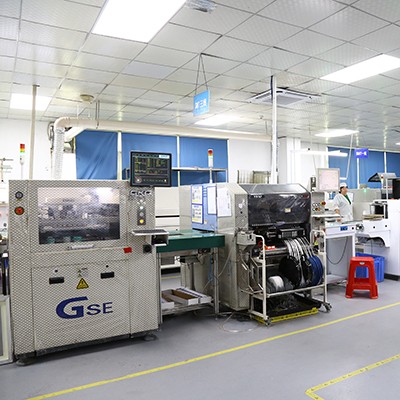
SMT assembly
01005 chips up to BGA and QFN placed on our high-speed SMT lines and reflowed with lead-free paste.
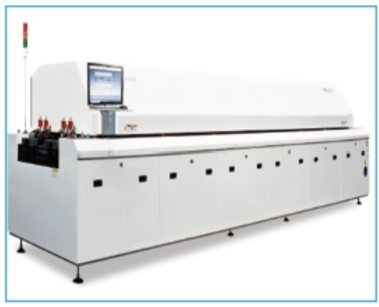
Reflow and wave soldering
Lead-free reflow for SMT, plus our DIP lines with lead-free wave soldering for the through-hole parts.
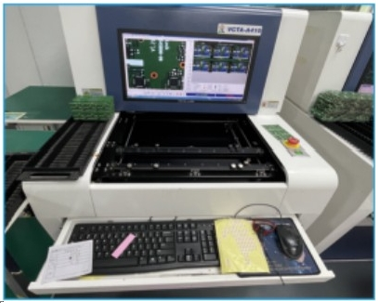
SPI, AOI, X-ray and ICT
3D SPI verifies solder paste volume before placement, AOI inspects every board after reflow, X-ray covers BGA and hidden joints, and in-circuit test runs on fixtures built to your netlist.
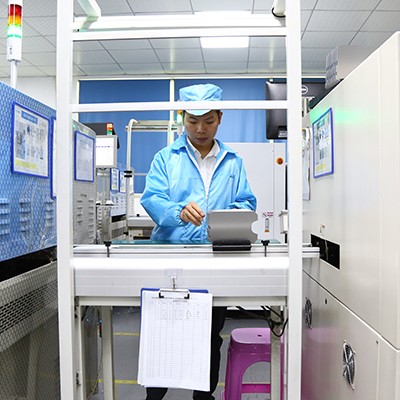
Functional test and traceability
Functional test against your own specification, with traceable inspection records issued for every batch.
Frequently Asked Questions
Quick answers to what buyers ask us most about this product family.
What Tg values do you offer?
High-Tg laminates at 170/180/200 degrees C (FR4 TG170/TG180 and above).
Why use high-Tg PCB?
Higher glass-transition temperature resists heat from lead-free reflow and high-power operation, improving reliability.
Can you make high-Tg multilayer boards?
Yes - up to 24 layers with tight registration and impedance control.
What does Tg mean and why does it matter?
Tg is the glass transition temperature of the laminate: the point at which the resin softens and the material properties change. Above Tg, the board expands much faster with temperature, and repeated excursions through that region, which is what lead-free assembly and thermal cycling cause, can lead to barrel cracking and delamination. A higher Tg raises the temperature at which that behaviour begins.
When should I specify high Tg rather than standard FR-4?
High Tg is worth specifying where the assembly sees lead-free reflow with a peak above the standard material comfort zone, where the board is thick or has a high layer count, where the product sees repeated thermal cycling in service, or where the board carries heavy copper and large thermal mass. For a thin, low-layer-count board in a benign environment, standard FR-4 is often adequate.
What Tg grades do you work with?
We fabricate and assemble on FR-4 laminate in the Tg 170 and Tg 180 grades and above, alongside standard material where the application allows. The grade is confirmed against the customer stack-up before fabrication rather than substituted at the line.
Does high Tg change the assembly process?
It changes the process window rather than the process itself. High Tg material tolerates the higher peak temperatures of lead-free reflow with more margin, but the reflow profile is still developed and recorded per product, and moisture sensitive packages still have to be handled inside their floor-life window. Assembly runs on the same SMT and DIP lines as our other work.
Send us your Gerber and BOM
We will come back with a turnkey quotation - PCB, components, assembly and test - usually within one working day.