
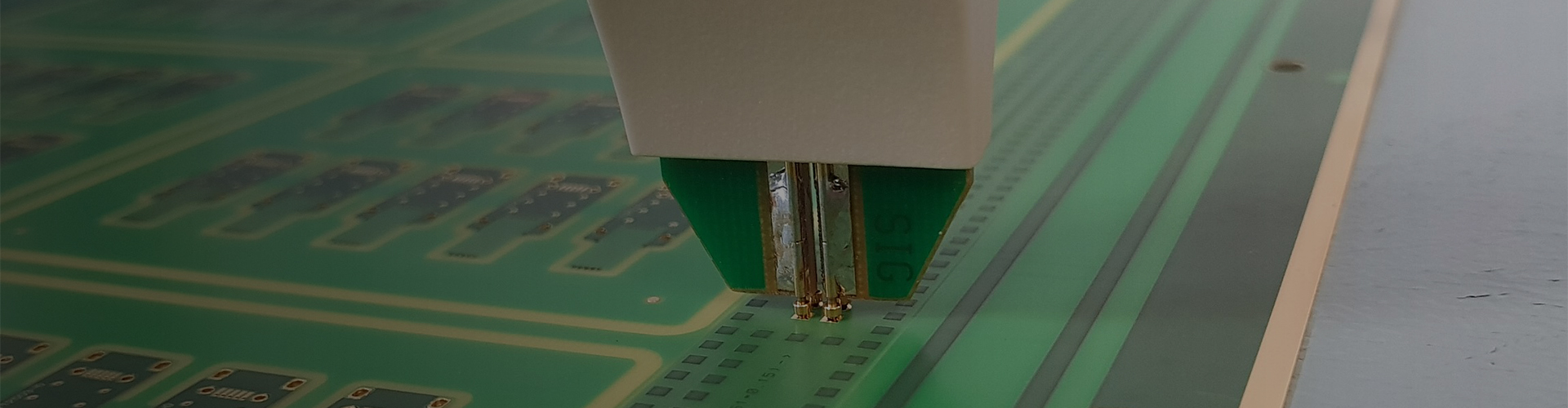
IPC-A-610 is the acceptability standard for electronic assemblies published by IPC. It defines which solder joints, component placements, cleanliness levels and markings are acceptable, acceptable with rework, or rejectable. Kilandu builds to IPC-A-610 Class 2, and to Class 3 where the product calls for it.
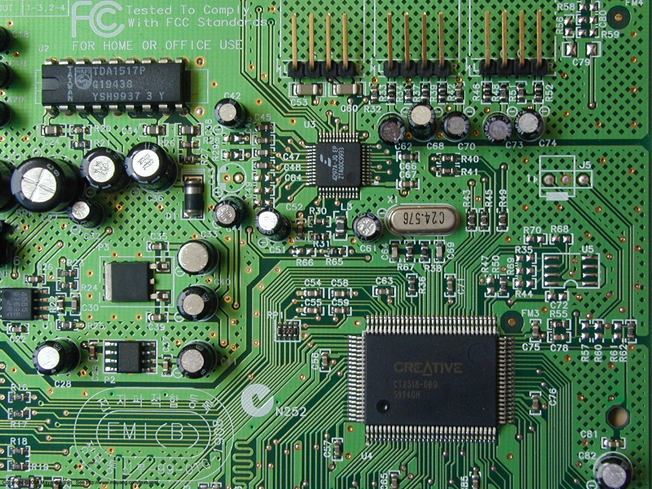
- Class 2 and Class 3 acceptance
- Acceptance class agreed at order review
- AOI and X-ray matched to the criteria
- Inspection records issued per batch
- IPC-A-610 Class 2/3
Capability
What Kilandu can build, test and ship for this product family.
| Parameter | Capability |
|---|---|
| Class 1 | General electronic products - cosmetic defects are not important |
| Class 2 | Dedicated service products - uninterrupted service, limited cosmetic requirements |
| Class 3 | High-reliability products - continued performance is critical |
| Placement | Position accuracy and component orientation within tolerance |
| Solder joints | Appearance, solder volume and joint strength |
| Cleanliness | Flux residue, particles and cleaning method limits |
What IPC-A-610 covers
The five areas the standard sets acceptance criteria for, and how we check them.

- 01
Component installation
Position accuracy defines how far a part may sit from its nominal position, and direction correctness requires polarised parts such as diodes and transistors to be oriented as designed.
- 02
Solder joint quality
Joints are judged on appearance, on solder volume - too much can bridge to a neighbour, too little leaves a weak connection - and on mechanical strength under tension and shear.
- 03
Cleanliness
After soldering there must be no flux residue, solder spatter or dust above the permitted level, and the cleaning method must not damage the assembly.
- 04
Marking and identification
Component markings have to stay legible for production, debugging and maintenance, and the board itself carries its model, version and batch for traceability.
- 05
Electrical performance
Continuity test verifies that current can flow through each circuit, and insulation-resistance test confirms there is no leakage or short between circuits.
How we build it
From solder paste to tested board, inside our own factory in Shenzhen.
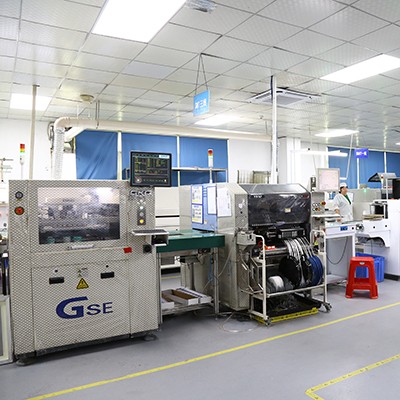
SMT assembly
01005 chips up to BGA and QFN placed on our high-speed SMT lines and reflowed with lead-free paste.
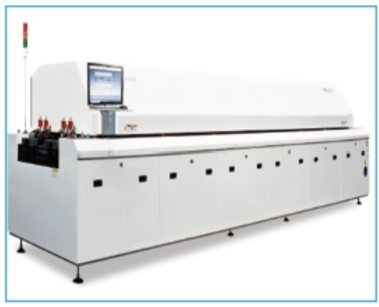
Reflow and wave soldering
Lead-free reflow for SMT, plus our DIP lines with lead-free wave soldering for the through-hole parts.
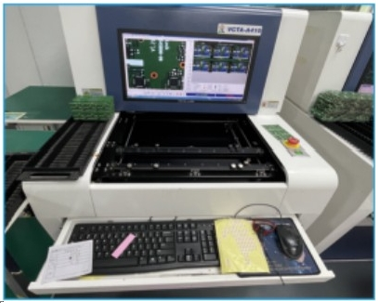
SPI, AOI, X-ray and ICT
3D SPI verifies solder paste volume before placement, AOI inspects every board after reflow, X-ray covers BGA and hidden joints, and in-circuit test runs on fixtures built to your netlist.
Functional test and traceability
Functional test against your own specification, with traceable inspection records issued for every batch.
Frequently Asked Questions
Quick answers to what buyers ask us most about this product family.
What is IPC-A-610?
IPC-A-610 is the acceptability standard for electronic assemblies published by IPC. It describes the conditions that are acceptable, acceptable with rework, or rejectable for component placement, solder joints, cleanliness, marking and electrical performance.
Which IPC-A-610 class does Kilandu build to?
Class 2 as standard for industrial, consumer and IoT products, and Class 3 on request for high-reliability boards. The acceptance class is agreed at order review and recorded on the inspection criteria used for the lot.
How is acceptance verified on the production floor?
Incoming components are verified against the BOM and approved-vendor list, boards pass AOI and X-ray in process, and final functional plus visual inspection is recorded against IPC-A-610 criteria, with traceable inspection records issued per batch.
What is the difference between Class 2 and Class 3?
Class 2 covers dedicated service electronic products, where continued performance and extended life are required but uninterrupted service is not essential. Class 3 covers high-performance products where continued performance is critical, equipment downtime cannot be tolerated, or the product has to function when needed, such as life support and military systems. Class 3 acceptance limits are tighter and the number of allowable conditions is smaller. Class 1 covers general electronic products where the primary requirement is function.
Which class should I specify for my product?
It follows from the consequence of failure rather than from the price. General industrial and consumer products normally specify Class 2. Medical, automotive and applications where a failure has a safety or continuity consequence normally specify Class 3. The class is fixed at quotation because it governs inspection criteria and, to a degree, the process controls around the build.
How is the class applied during production?
The class determines the acceptance criteria the inspector applies, the documentation that has to be retained, and the level of process control around sensitive steps. At Kilandu it is recorded against the build, and operators work to Class 2 and Class 3 criteria depending on the programme. Inspection uses SPI before placement, AOI after reflow, X-ray where joints are hidden, and visual inspection against the standard, with lot-level traceability retained.
Send us your Gerber and BOM
We will come back with a turnkey quotation - PCB, components, assembly and test - usually within one working day.