

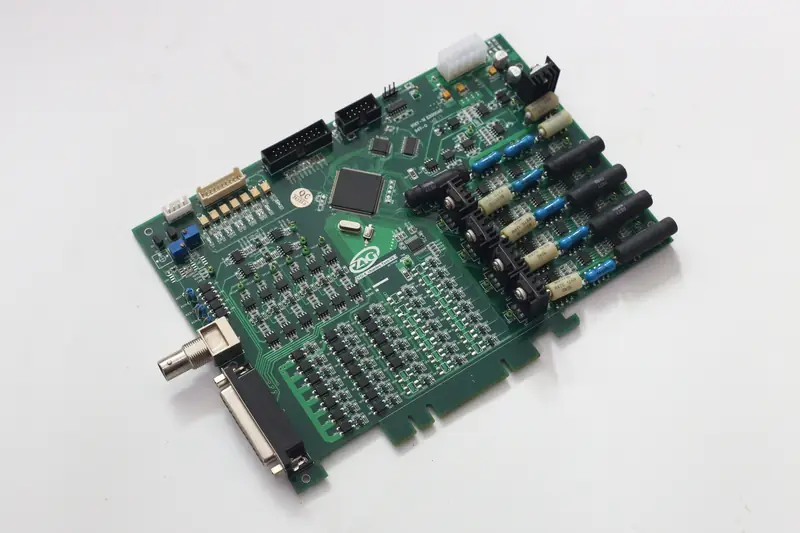
Multi-Channel Signal Acquisition and Processing PCBA
- A multi-channel data-acquisition board for an industrial sensing front-end: typically 4 layers, ~350 components, built as a…
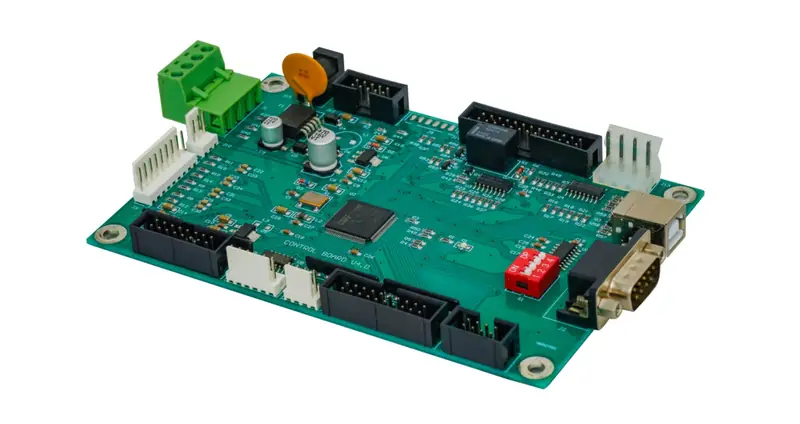
Universal control motherboard (MCU control + peripheral interface)
- A general-purpose control motherboard centred on an MCU with UART/SPI/I2C/CAN peripherals: typically 4–6 layers, ~400 components, pilot…
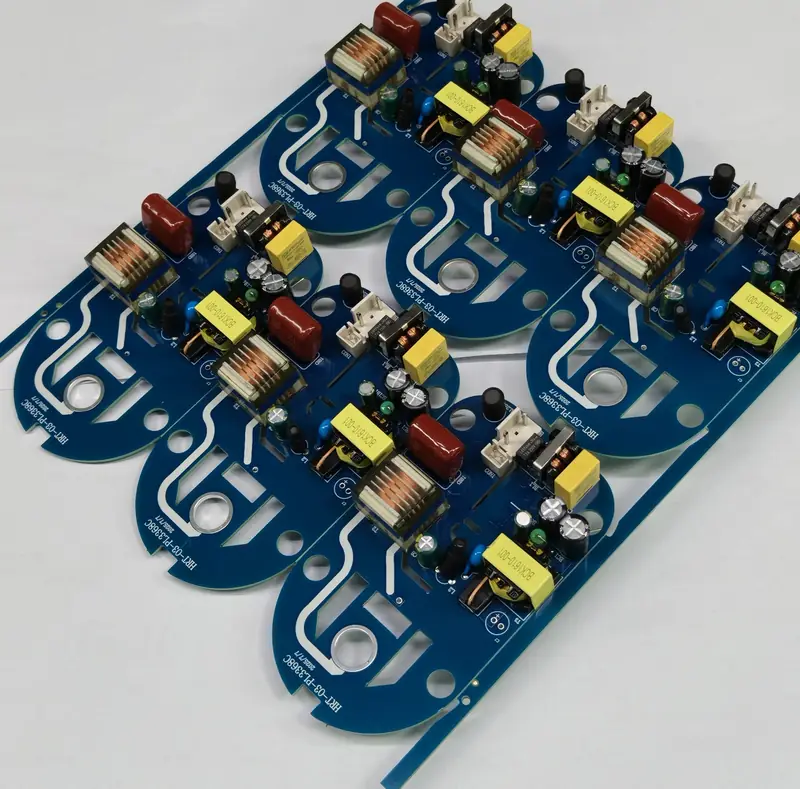
Power drive and voltage conversion circuit board
- A power stage combining MOSFET drive and DC-DC conversion: typically 2–4 layers with heavy copper, ~250 components, pilot run. High current…
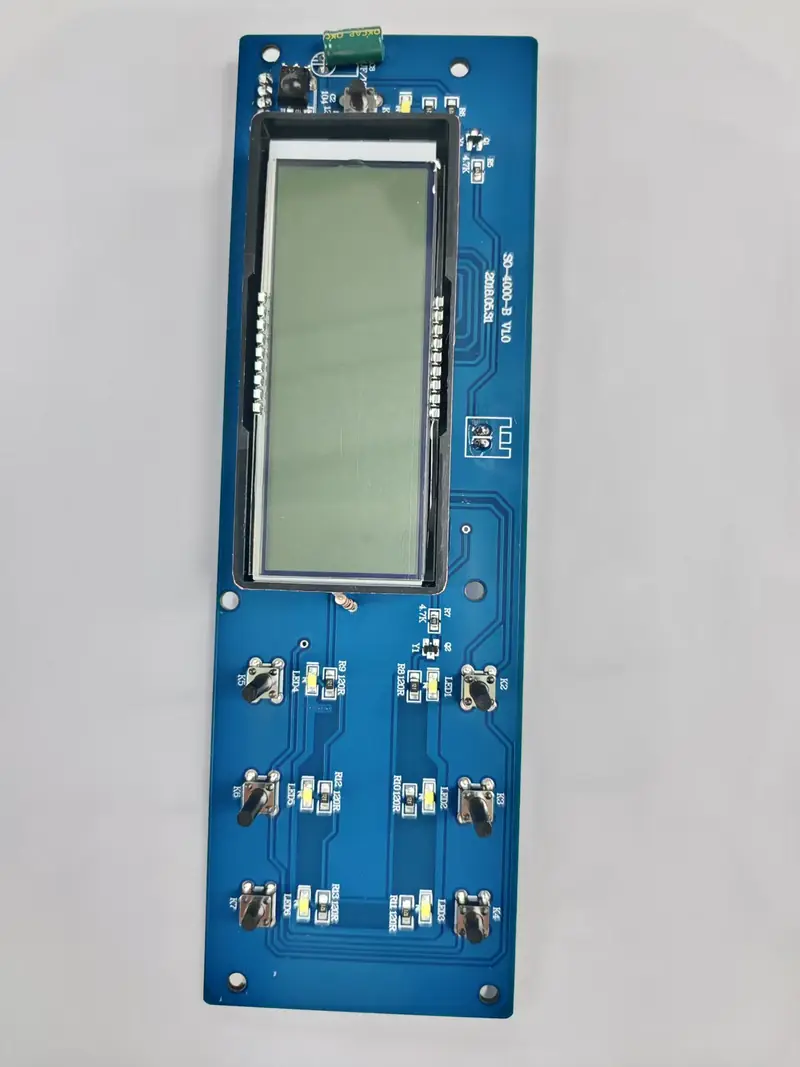
LCD Display Control Panel PCBA
- An HMI control panel driving an LCD with touch and backlight: typically 4 layers, ~300 components, prototype build. Signal integrity for…
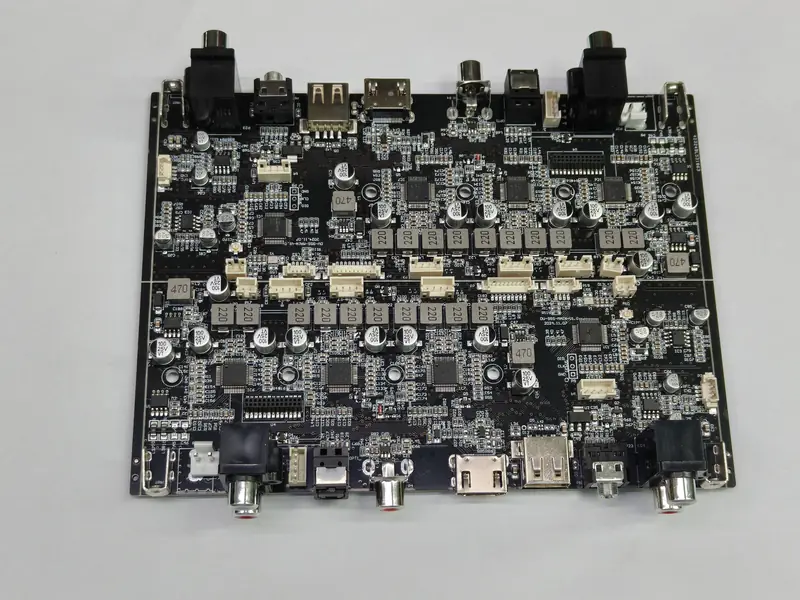
Audio amplifier control motherboard
- A Class-D audio amplifier control board: typically 4 layers, ~280 components, pilot build. Low distortion and stable power delivery define…
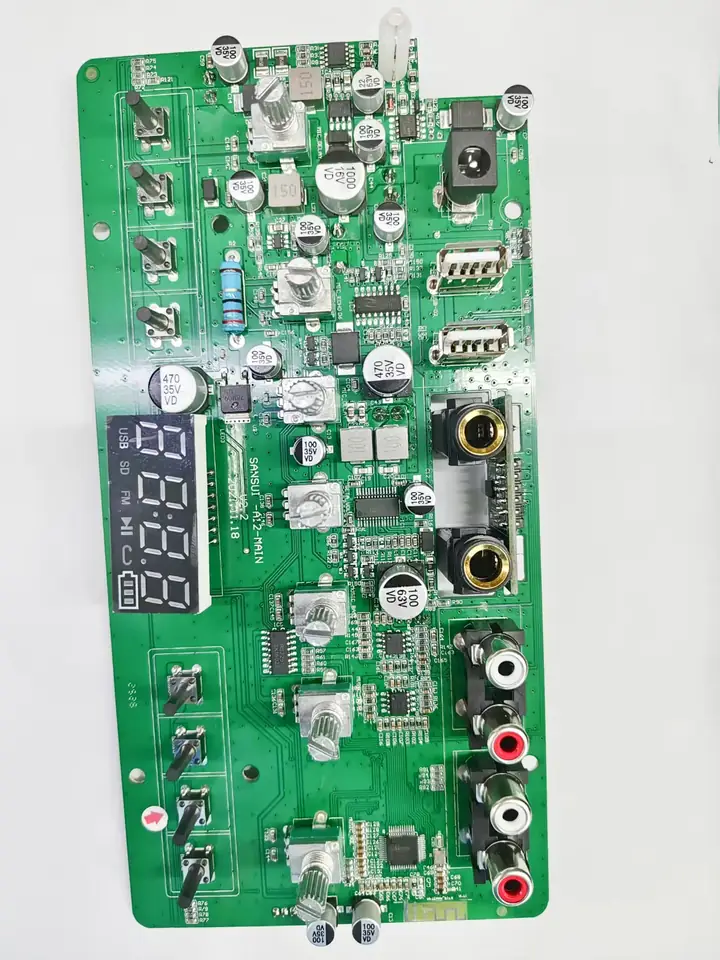
Multifunctional Audio Amplifier PCBA
- A multifunction audio board combining amplifier, mixing and control: typically 4 layers, ~320 components, pilot run. Multiple analog paths…
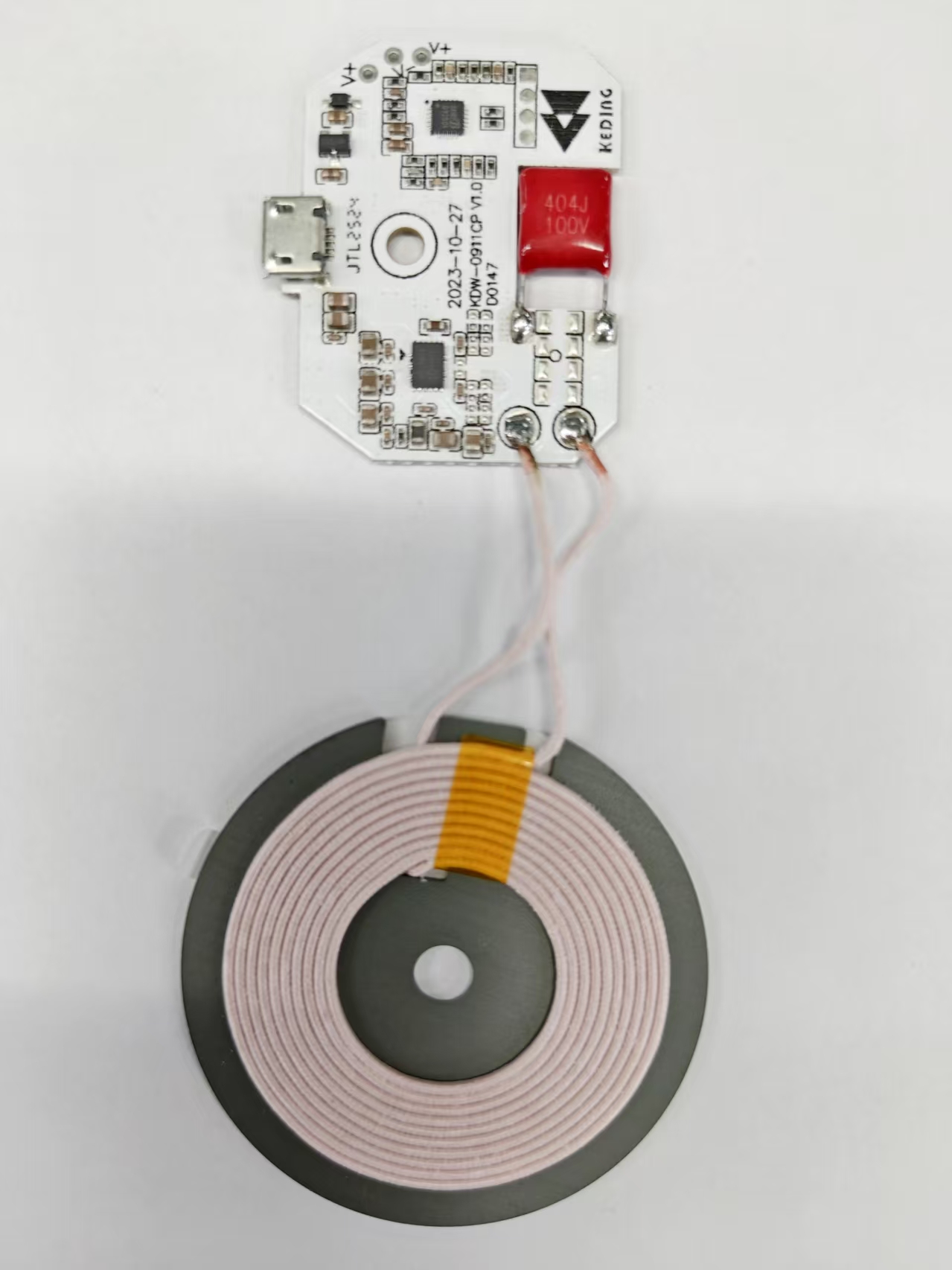
Wireless Charging Transmitter Module PCBA
- A Qi-style wireless charging transmitter module: typically 2–4 layers, ~200 components, prototype build. Coil matching and EMI are the…
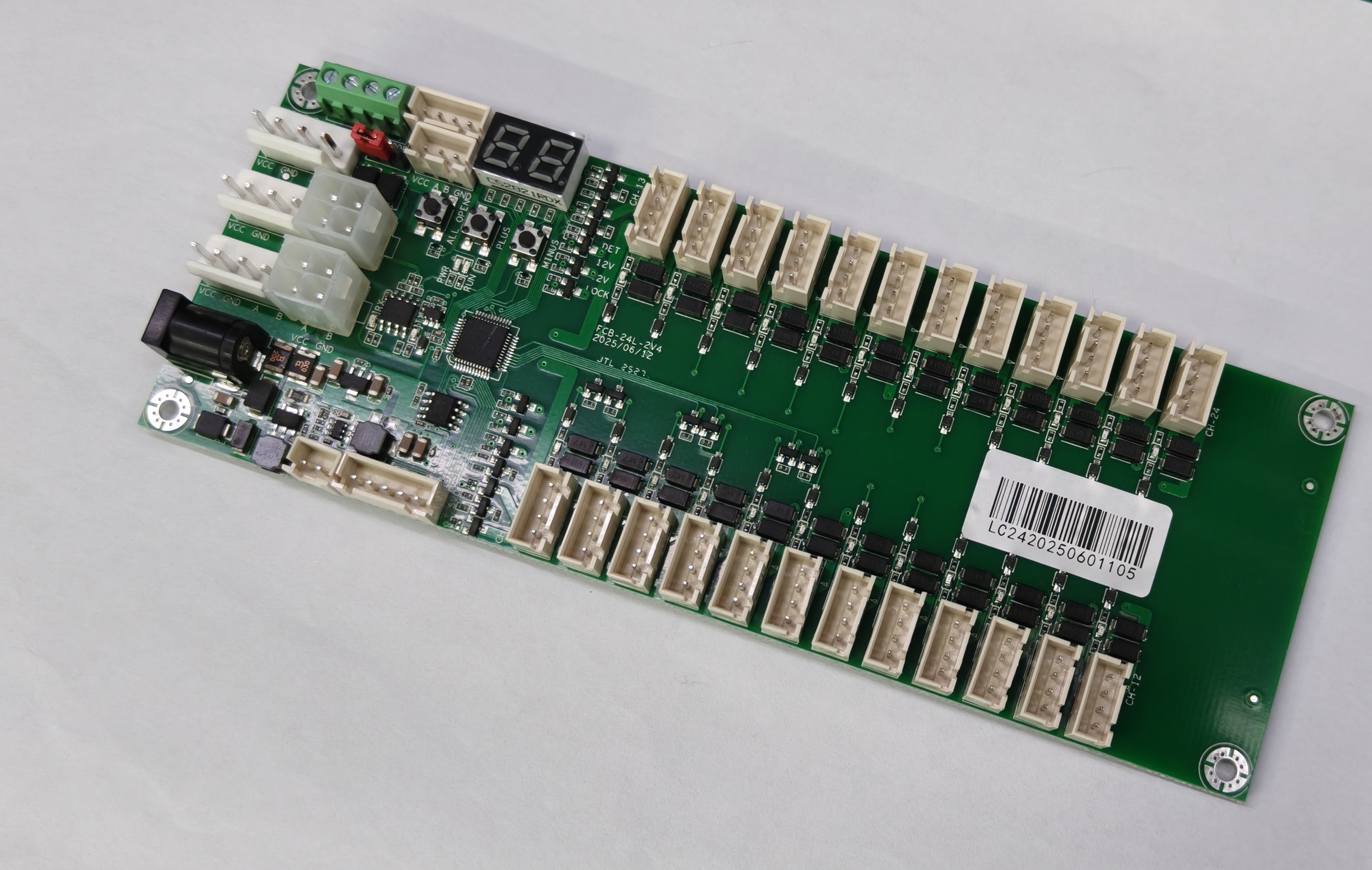
Multi-channel voltage distribution and management board
- A multi-rail power distribution board supplying several subsystems: typically 4 layers, ~300 components, pilot build. Per-rail monitoring…
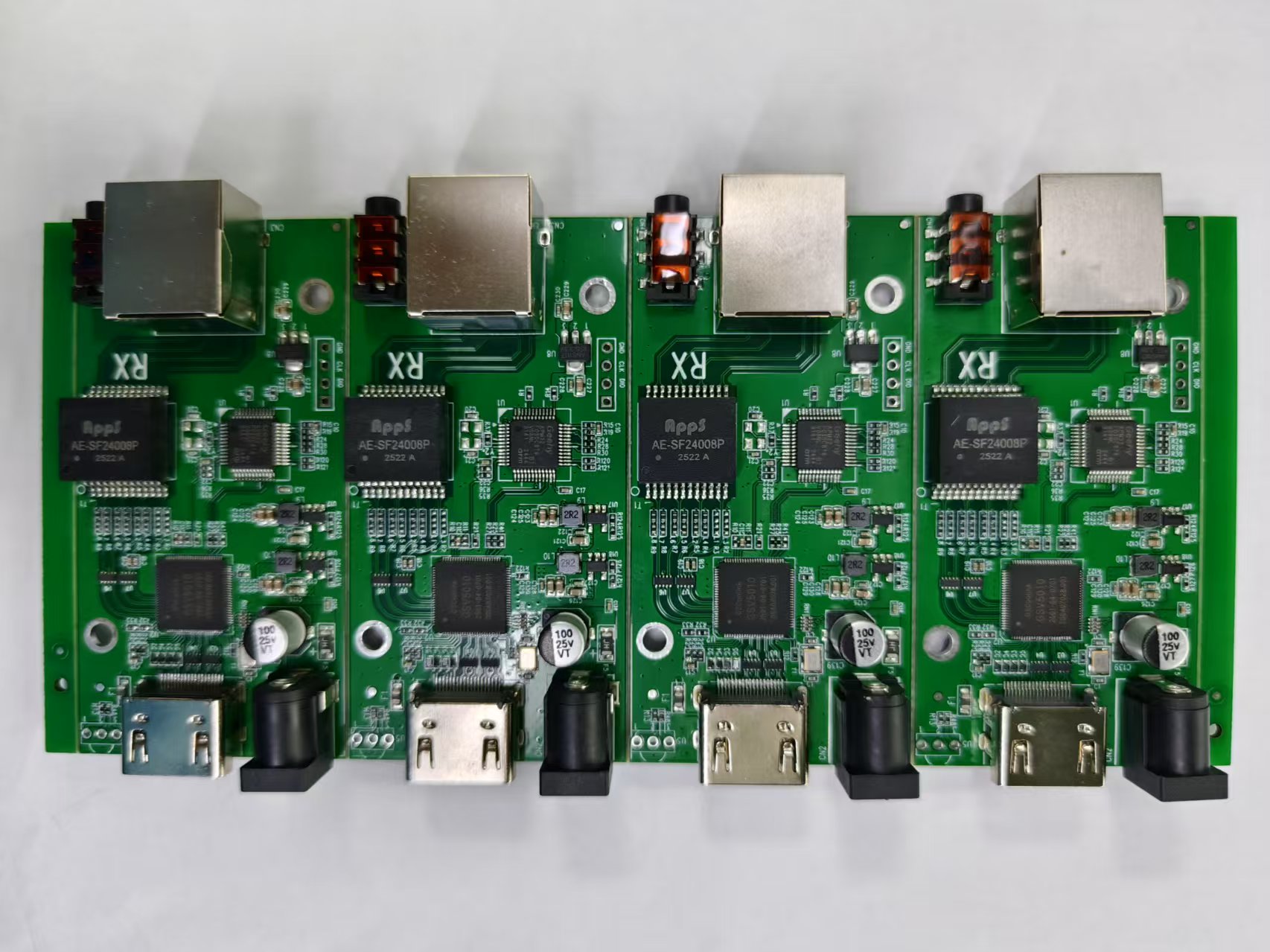
HDMI Extender Over Ethernet PCBA Board
- An HDMI-over-Ethernet extender board: typically 4–6 layers, ~350 components, prototype build. High-speed differential pairs dominate layout.
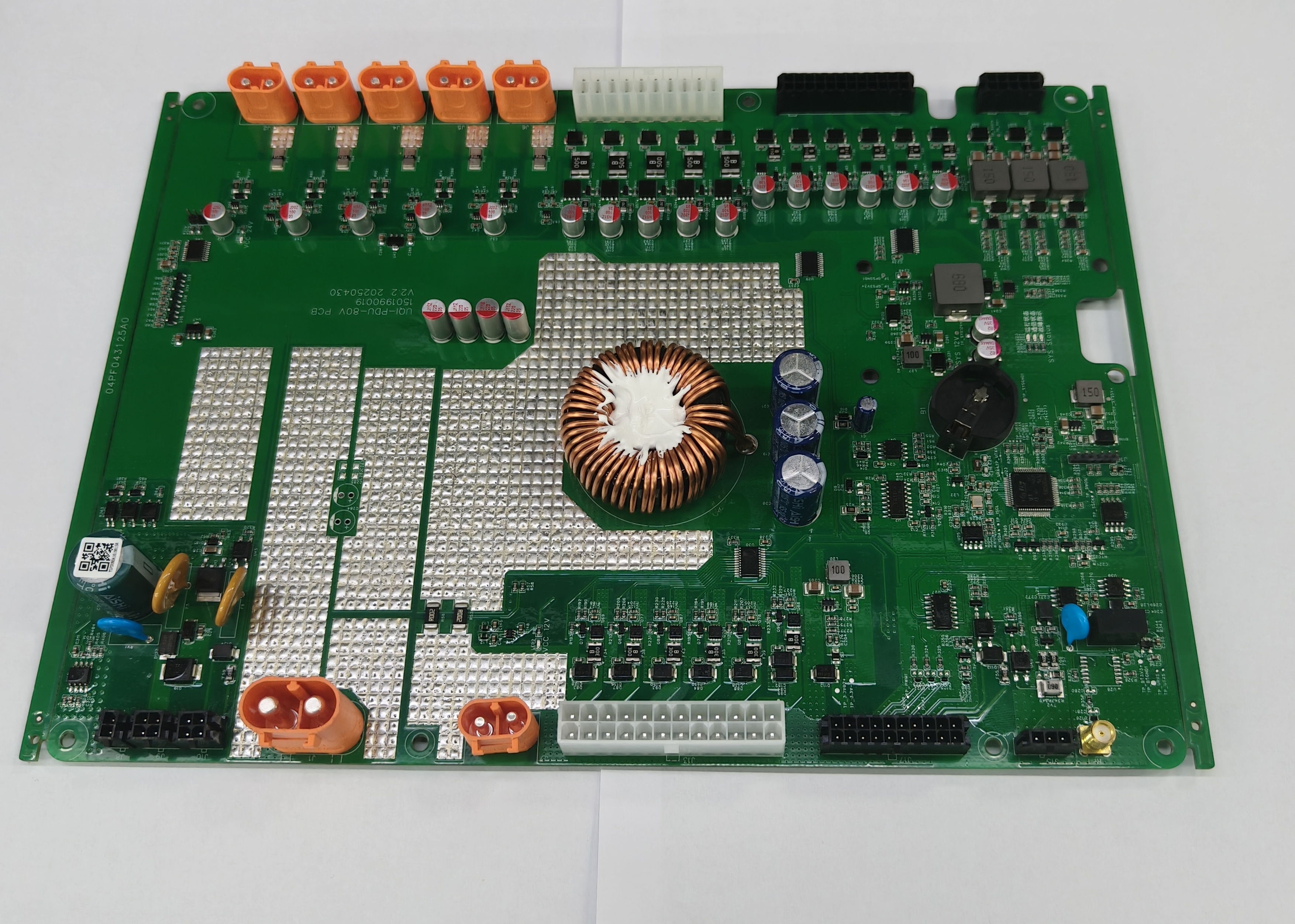
Low-Voltage Power Distribution Unit, Low-PDU
- A low-voltage PDU managing several protected outputs: typically 2–4 layers, ~220 components, pilot run. Over-current protection and wiring…
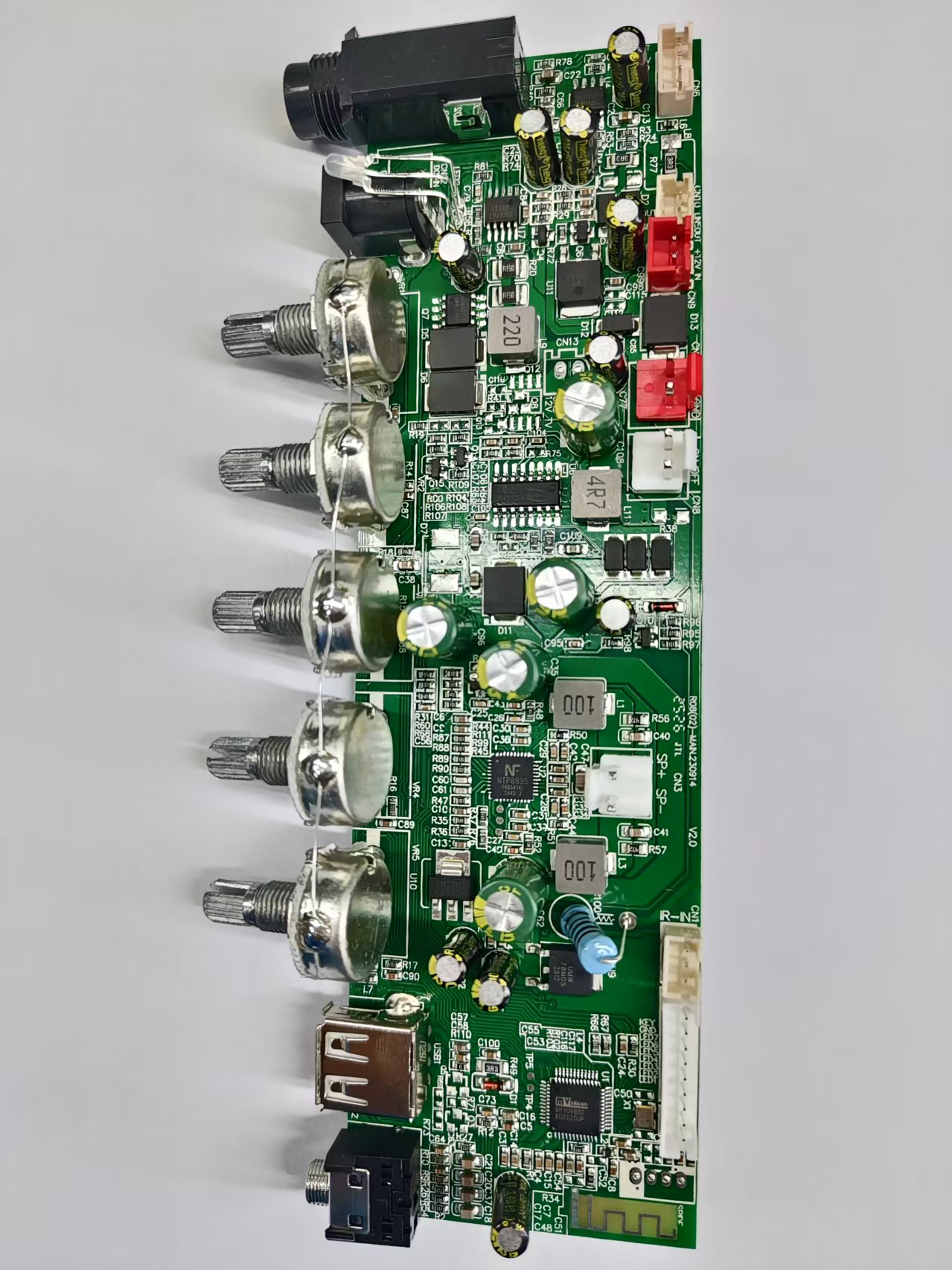
Bluetooth Audio Amplifier PCBA Board
- A Bluetooth audio amplifier module: typically 4 layers, ~260 components, prototype build. RF coexistence with the audio path is the issue.
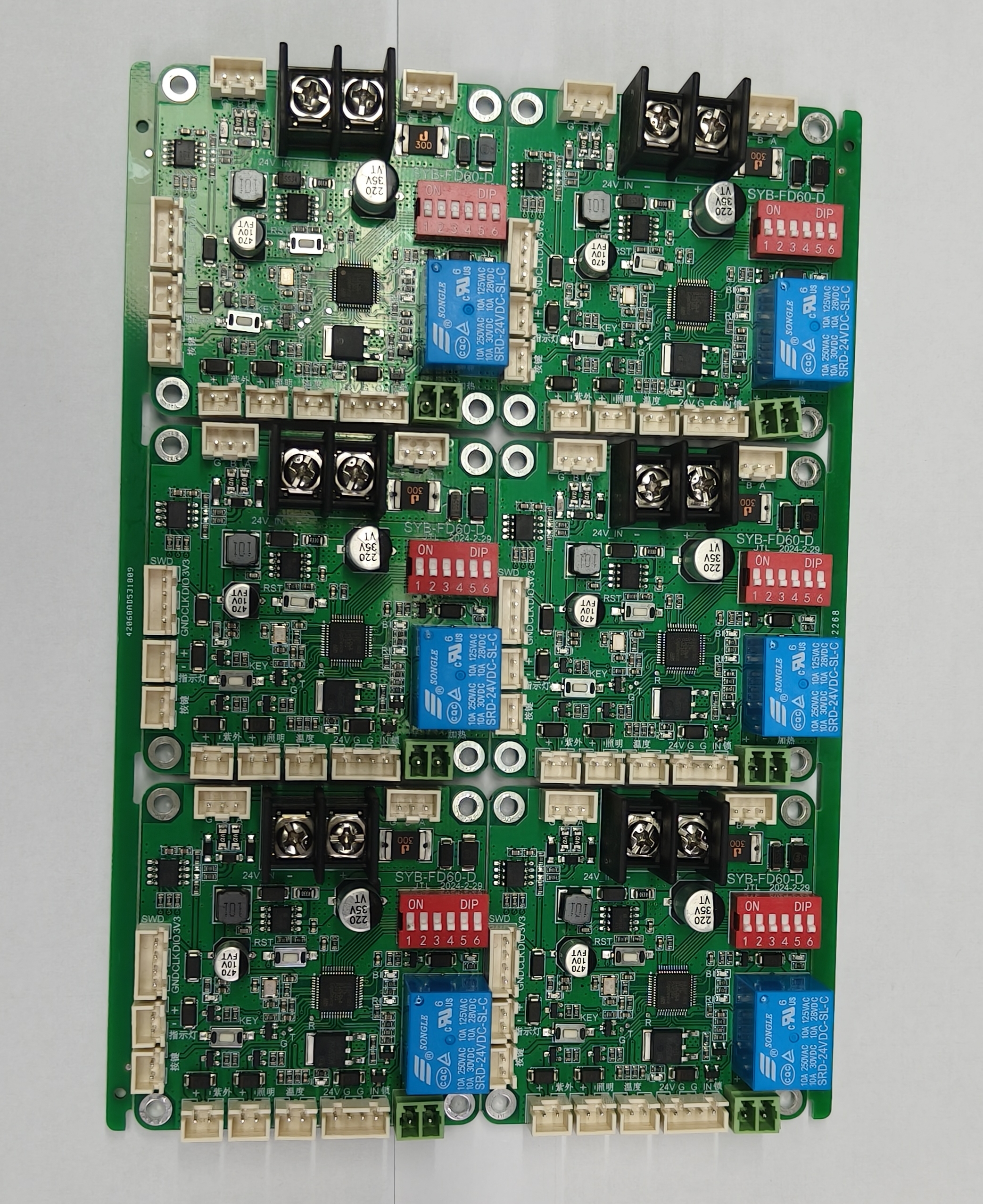
Multi-channel relay control PCBA
- A multi-channel relay driver board: typically 2–4 layers, ~240 components, pilot build. Inductive loads and isolation define the build.
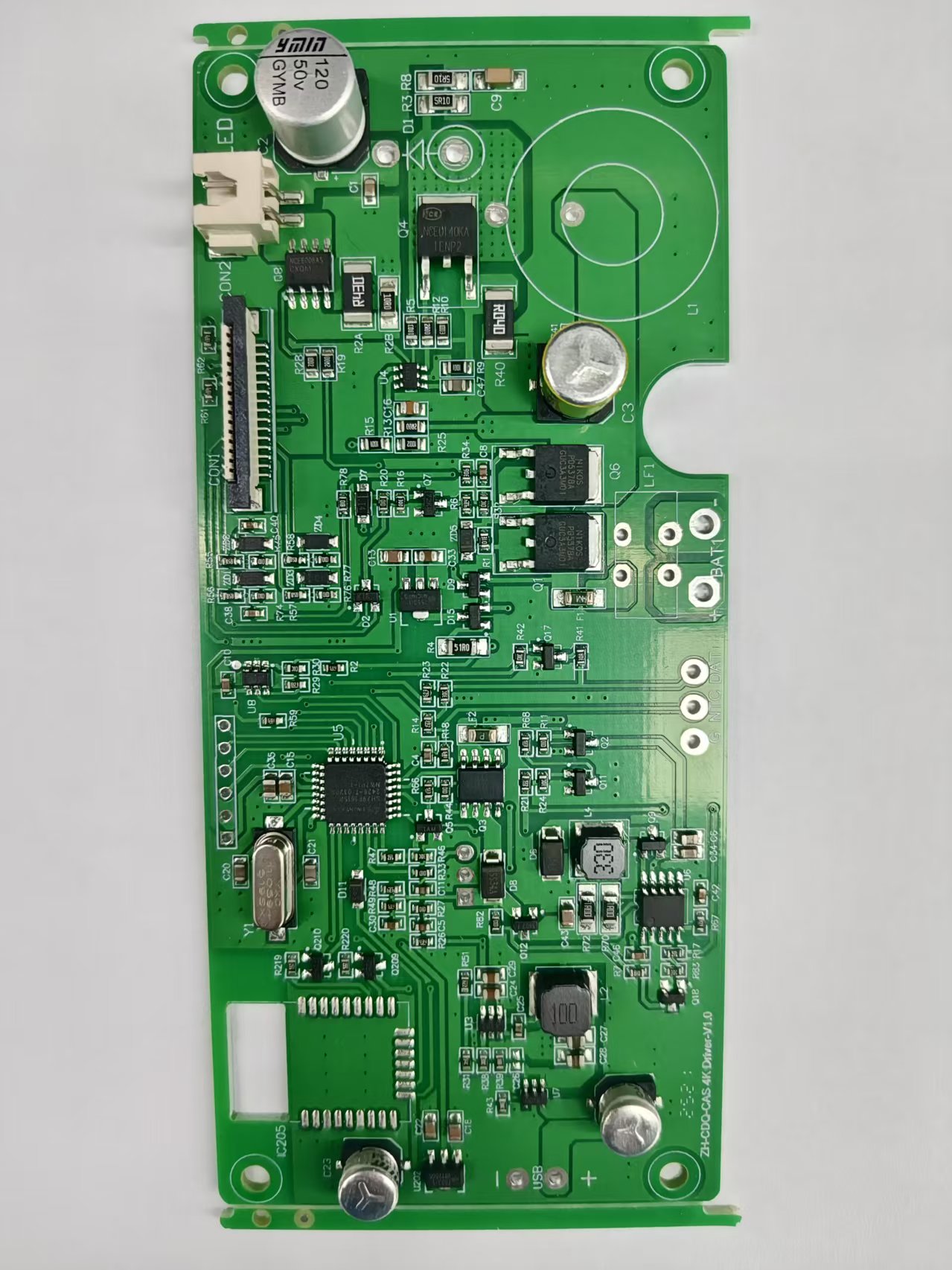
Multifunctional Power Management & Control PCBA Board
- A power-management control board supervising several converters: typically 4–6 layers, ~380 components, pilot run. Sequencing and telemetry…
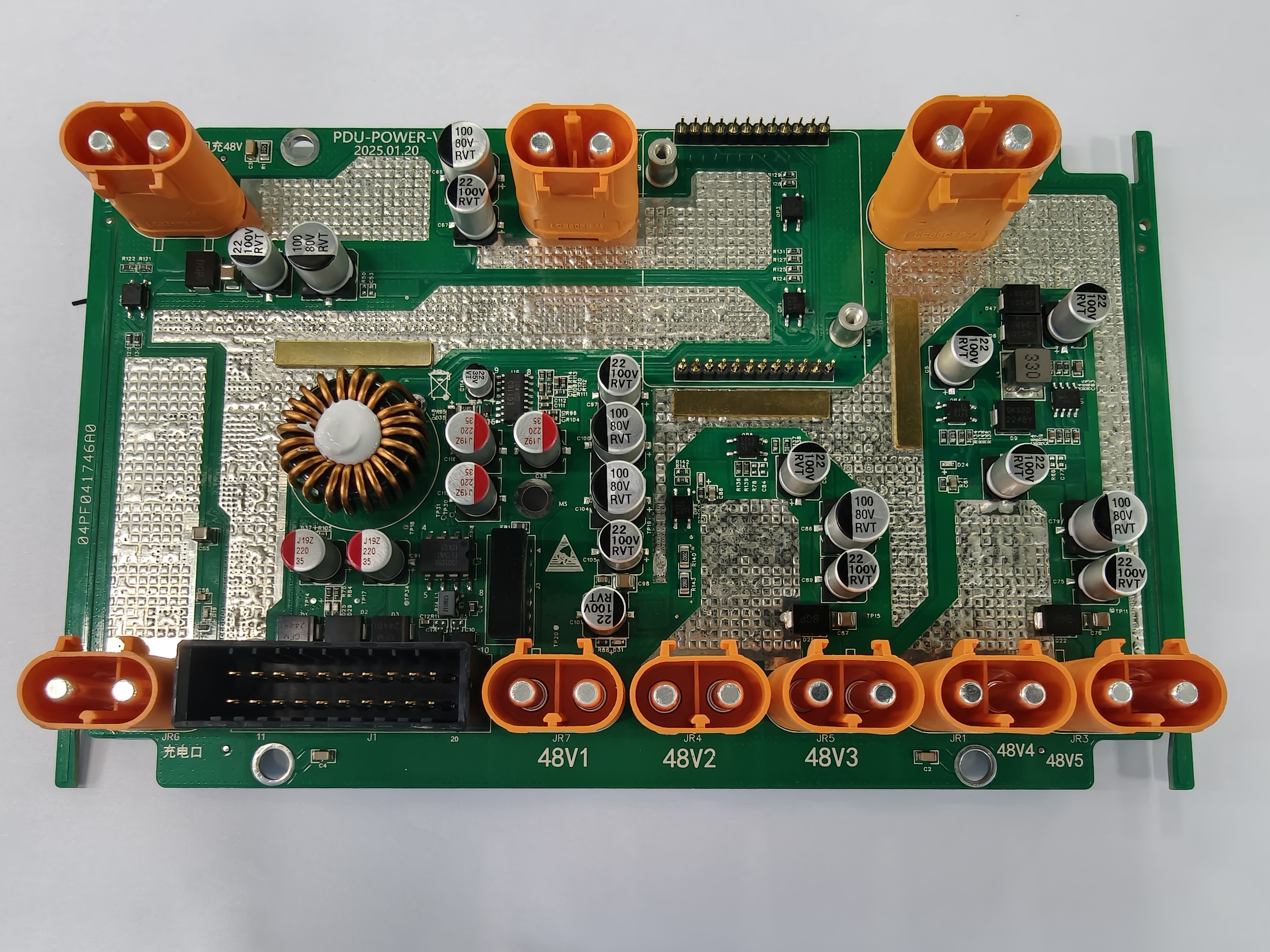
PDU - Power Distribution Unit
- A PDU board for distributed power: typically 2–4 layers, ~230 components, pilot build. Robust connections and protection lead.
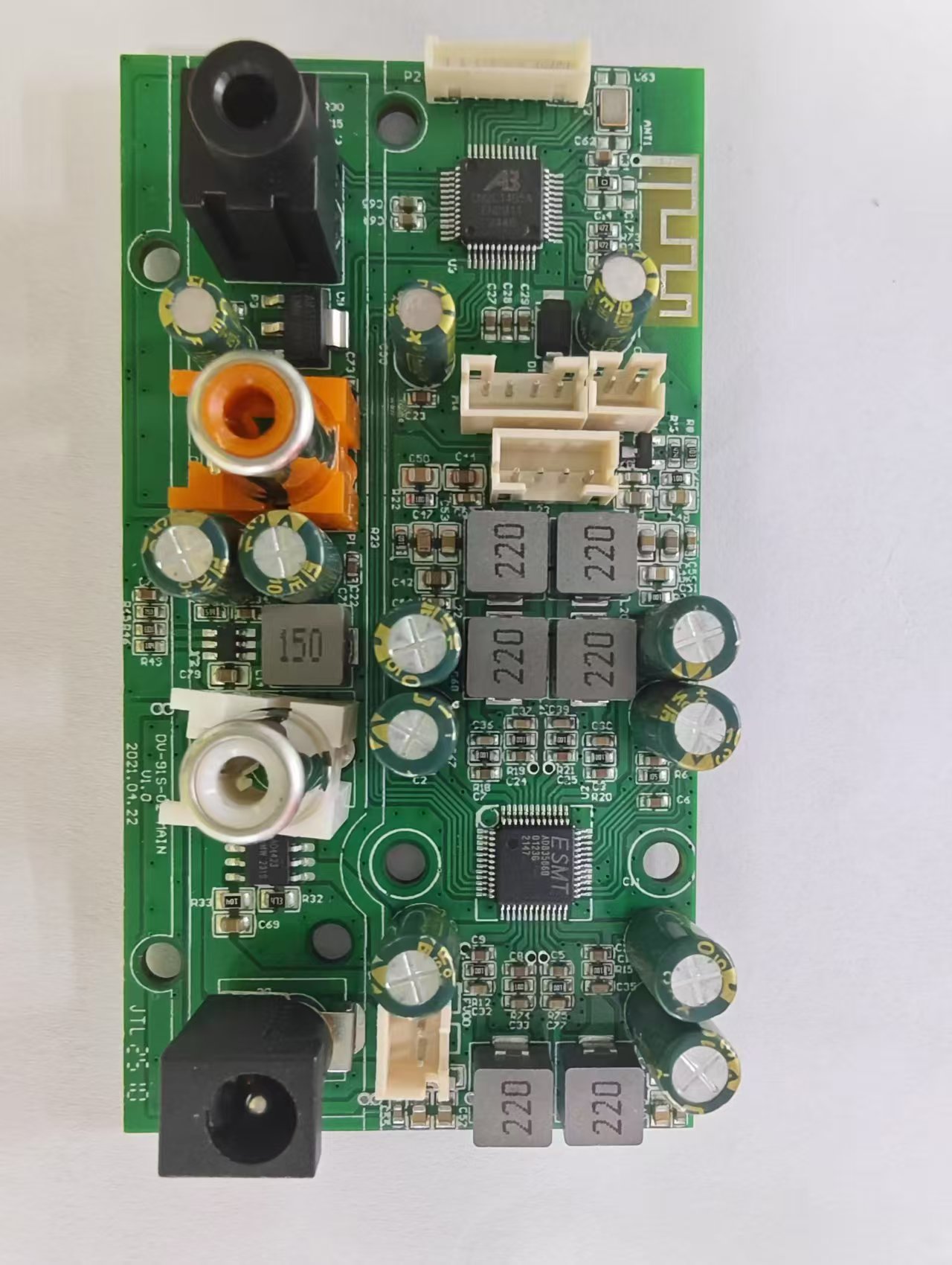
Audio processing and power management PCBA board for audio equipment
- An audio-processing plus power board for a finished audio product: typically 4–6 layers, ~420 components, pilot run. Clean power and…
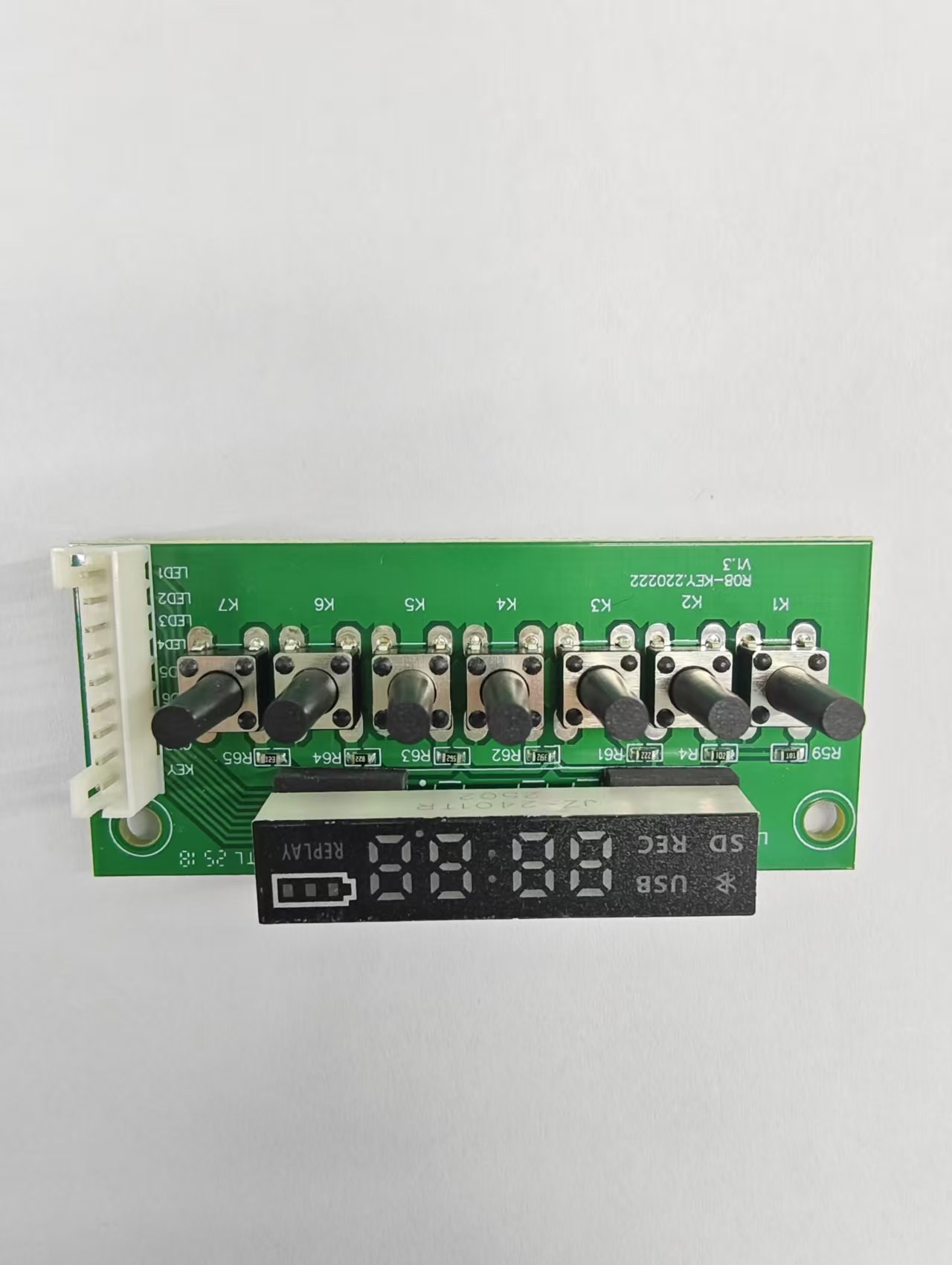
Multifunctional Audio Control PCBA Board
- A multifunction audio control board: typically 4 layers, ~300 components, prototype build. Mixed analog/digital with user controls.
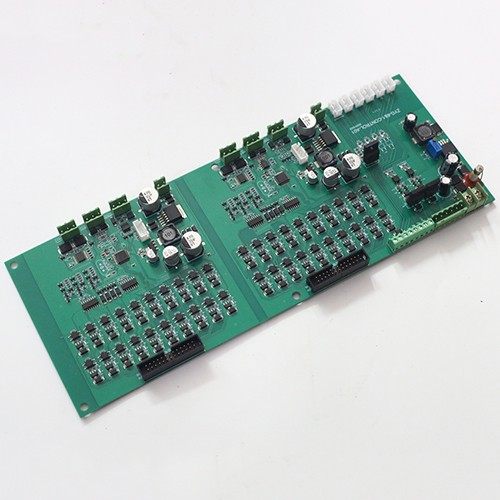
Industrial control box assembly processing
- PCB board: Ensure that the quality and design of the PCB board meet the requirements of the industrial control box.
- Electronic components: Prepare the required electronic components according to the BOM (Bill of Materials), including DIP plug-ins, SMT patch components, etc.
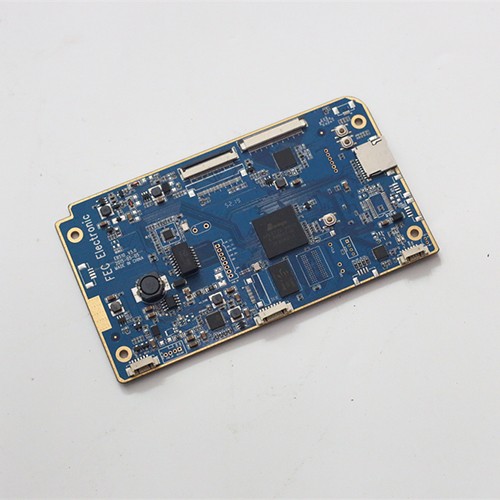
PCBA DIP plug-in processing
- DIP (Dual In-line Package) in PCBA (Printed Circuit Board Assembly) is a common packaging method for electronic components.
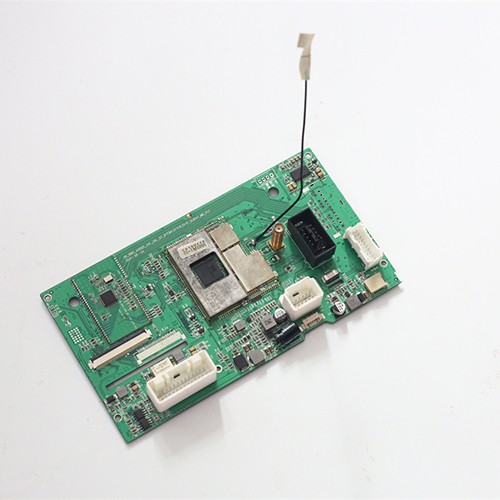
RF Radio Frequency PCBA
- RF PCBA is an electronic assembly that combines RF technology with printed circuit boards (PCBs) and assembles RF components on PCBs through processes such as surface mount technology (SMT).
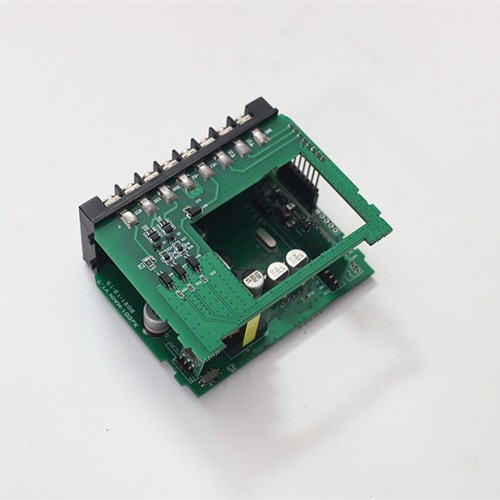
Lithium battery test monitoring system---inverter energy storage PCBA
- It adopts computer-style design, which improves safety and has over-temperature protection, overload protection, low voltage protection, high voltage protection, impact protection, and short circuit protection functions.
Turnkey PCBA Manufacturing in One Factory
Most PCBA problems are not manufacturing problems in the narrow sense. They are coordination problems. A bare board arrives from one supplier, components from another, the assembly is done by a third, and when the finished board fails test there is no shared record that says where the fault came from. Turnkey manufacturing exists to remove that gap.
What a turnkey order actually covers
- Design file review for manufacturability, including panel utilisation, layer stack-up, copper weight and component spacing.
- Bare board fabrication from 1 to 24 layers, in FR4, high Tg laminate, heavy copper, aluminium or metal core as the application needs.
- Component sourcing through authorized and franchised distribution, with BOM cleanup, equivalent part identification and incoming inspection against the approved vendor list.
- Assembly: stencil and programming setup, SMT placement, wave or selective soldering for through-hole content, cleaning and rework.
- Test and finishing: automated optical inspection, X-ray for hidden joints, functional test, conformal coating, box build and packaging.
Why the chain being unbroken matters
When fabrication and assembly sit in the same supply chain, a board that is marginal for the process is caught before it is ordered rather than after it fails. Copper weight, surface finish, layer count and panel design all affect assembly yield, and those decisions are made upstream. It also means a schedule can be built from one material plan: long-lead components are identified and ordered first, bare board capacity and placement capacity are booked together, and progress is tracked as separate milestones instead of a single percentage that hides which step is late. Material traceability runs from incoming inspection to the finished assembly, which is what allows a field failure to be investigated with actual production records.
Quality systems and documentation
The regime a programme runs under depends on what the product is: an industrial assembly is built and inspected to the acceptance class agreed at quotation, while medical and automotive work brings additional documentation and change-control requirements that are set out on the quality assurance page. For export programmes the documentation package can include material declarations for RoHS and REACH, lot traceability records, and inspection and test reports in English. Confidentiality is handled under agreement, with design data, schematics, Gerber files and BOMs held for the project only and access limited to the engineers and production staff who need them.
How a turnkey order starts
Send the Gerber files, the bill of materials with manufacturer part numbers and the intended quantity; anything that affects cost or yield is raised before the quotation, and the quotation shows the cost broken into its parts. Two details are worth sending with the enquiry even when they are not final: the expected production volume, so the material is priced on the right quantity, and any acceptance class or test specification the product has to meet.
PCBA capabilities by category
The pages below cover the individual stages and product types that make up a turnkey PCBA order. Each one goes into the process and the design rules for that topic rather than repeating the general description above.
Assembly processes
- SMT assembly — placement, paste volume control, reflow and inspection for fine-pitch surface mount.
- DIP and through-hole assembly — wave and selective soldering for connectors, transformers and power components.
- Box build — harness assembly, mechanical integration, firmware loading and unit-level test.
Board and package complexity
- High-density PCBA (BGA) — fine-pitch placement and X-ray verification of hidden joints.
- RF PCBA — shielded sections, matched lines and RF-specific test.
Industry applications
- Industrial control PCBA — mixed technology boards for automation and machine control.
- Inverter and energy storage PCBA — power stages, thermal management and heavy copper.
- VFD and motor drive PCBA — gate drive, current sensing and power module assembly.
- Medical PCBA — traceability and documentation for regulated device programmes.
- Instrumentation PCBA — measurement front ends, shielding and low-noise layout.
- IoT PCBA — radio modules, antenna keep-out and low-power design.
- Consumer electronics PCBA — volume builds with box build and retail packaging.
Ordering and engineering support
- Turnkey PCBA manufacturing — what a complete order covers end to end.
- Component sourcing — authorised distribution, BOM cleanup and incoming inspection.
- PCBA testing services — AOI, X-ray, functional and in-circuit test.
- DFM for PCBA — what is reviewed before tooling is ordered.
- PCBA prototype assembly — pilot builds on the production process.
- MOQ and lead time — how orders are sized and how a schedule is tracked.
- Factory environment

Why choose us?
Kilandu is a PCBA manufacturer in Baoan District, Shenzhen, running bare board fabrication, component sourcing, SMT and DIP assembly, test and box build under one quality system. Four SMT lines and three DIP lines sit in the same factory as fabrication and final assembly, which is what makes a turnkey order one work order rather than a chain of suppliers.
Application
Each application area has its own assembly requirements. What changes from a medical instrument to a motor drive is the process, the acceptance class and the design rules that matter, and the pages below set out what is different about each one.