

Quality assurance at Kilandu runs on certified management systems: incoming inspection, in-process SPI, AOI and X-ray, and electrical ICT and functional test (FCT), following IPC-A-610 Class 2/3 acceptance. Certificate numbers are published so your sourcing team and your auditors can verify each one with the issuing body.
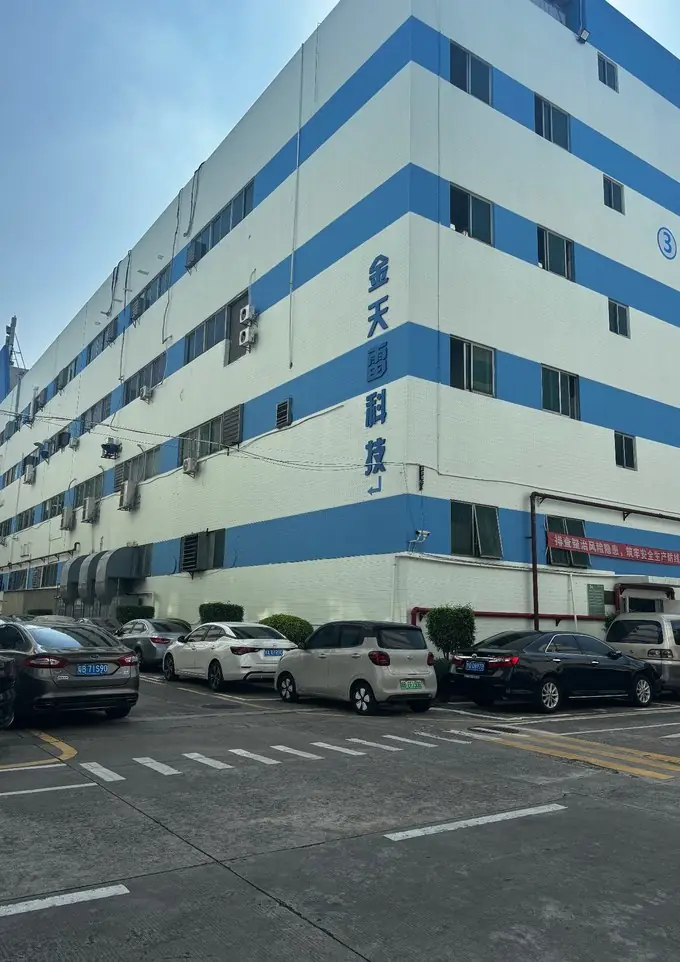
- Incoming IQC against BOM and approved-vendor list
- In-process SPI, AOI and X-ray
- ICT, functional test (FCT) and final visual inspection
- Per-lot traceable inspection records
- IATF 16949:2016 certified
- ISO 9001 / 13485 / 14001
- IPC-A-610 Class 2/3
- RoHS / REACH compliant
Capability
What Kilandu can build, test and ship for this product family.
| Parameter | Capability |
|---|---|
| Incoming | IQC component verification |
| In-process | SPI + AOI + X-ray |
| Final | ICT + FCT + visual (IPC-A-610) |
| System | ISO 9001 / ISO 13485 / IATF 16949 |
| Traceability | per-lot inspection records |
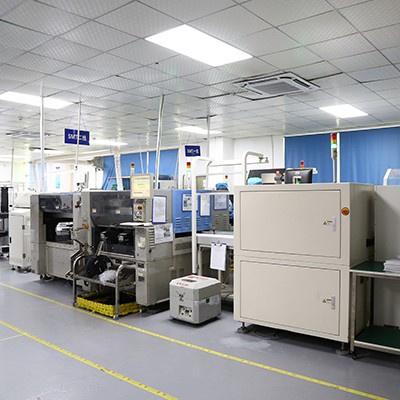
Certifications held by our factory
Verify any number below directly with the issuing body.
| Certification | Certificate number | Issued by | Valid until |
|---|---|---|---|
| IATF 16949:2016 | IATF No. 0596984 - IATF USI L3A259 - ZA-FCAV No. 2600270/R0S | Beijing Zhong An Zhi Huan Certification Center Co., Ltd. (DBA: Zhong An FCAV International) | 8 Feb 2029 |
| ISO 9001:2015 | CN27125Q0392R0S | Guangdong ZQ Certification Service Co., Ltd. (CNAS C271-M) | 29 Jun 2028 |
| ISO 13485:2016 | 35825MDQMS0021R0S | Guangdong ZQ Certification Service Co., Ltd. (CNAS C271-M) | 29 Jun 2028 |
| ISO 14001:2015 | CN27125E0142R0S | Guangdong ZQ Certification Service Co., Ltd. (CNAS C271-M) | 3 Aug 2028 |
Quality assurance at Kilandu runs on certified management systems. The certificate numbers above are published so customers and their auditors can verify each certificate with the issuing body.
Production follows IPC-A-610 Class 2/3 acceptance criteria with RoHS and REACH compliant processes, and every batch ships with traceable inspection records covering incoming inspection, solder paste and reflow profile, SPI, AOI and X-ray, and ICT and functional test.
Quality Evidence
A certificate is a starting point, not an answer. Each entry below states what the standard is, why it matters to a buyer, and what it actually changes on the production floor in Shenzhen.
IATF 16949:2016
- What it is
- The quality management standard for the automotive supply chain. It is built on ISO 9001 and adds what vehicle makers demand of production-part suppliers: process control, traceability, measurement system control and change management.
- Why it matters
- Automotive customers and their tier-one suppliers audit against it. Without certification a supplier is normally not approved for production parts, however good the first samples look.
- How Kilandu applies it
- Automotive orders run through the same controlled route as every other build, with the first article inspected, retained as a golden sample and approved in writing before mass production starts. A change to material or process is agreed and documented before it is made, not after.
Records maintained: first-article approval, plus the process and inspection records that travel with the batch.
ISO 9001:2015
- What it is
- The general quality management standard: a documented system for how work is planned, controlled, measured and improved. It says nothing about what you build, only about how reliably you build it.
- Why it matters
- It is the baseline qualification most European and North American buyers screen for, and it is the platform the other management systems sit on.
- How Kilandu applies it
- Prototype and volume orders run inside the same documented system, from incoming inspection against the BOM and the approved-vendor list through to a defined release step, so a small first build is not run to a looser standard than mass production.
Records maintained: per-lot inspection records, plus documented corrective and preventive action when a problem is raised.
ISO 13485:2016
- What it is
- The quality management standard written specifically for medical devices and their supply chain. It builds on ISO 9001 and adds device-specific obligations.
- Products that typically require it
- Medical device manufacturers and their contract manufacturers: patient monitoring, diagnostic and laboratory instruments, and the electronics inside them.
- Why it matters
- Medical customers cannot place production with a supplier whose system is not certified to it. Procurement and regulatory functions both screen for it before an RFQ is answered.
- Manufacturing controls it affects
- Material lot traceability from incoming inspection to shipped assembly, control of contamination and handling, validation of processes and equipment, and change control before any substitution is made.
- How Kilandu applies it
- The controls the standard asks for are the ones this process already has to get right: materials held to the approved-vendor list, process settings and inspection results recorded per lot, and a defined release step before boards ship. A substitution is approved and documented before it is made, because in medical work the change itself is usually the risk.
Records maintained: per-lot inspection records that let a shipped batch be traced back to its material and process data, retained so a customer or their auditor can review them.
ISO 14001:2015
- What it is
- The environmental management standard: a documented system for identifying the environmental aspects of a site's operations and controlling them.
- Why it matters
- European buyers increasingly write it into their own supplier criteria, and some supplier questionnaires will not close without it.
- How Kilandu applies it
- The certification covers the Shenzhen plant, where the aspects a site is asked to identify and control are the ones this process actually has: solder paste, flux and other process chemicals, waste segregation and disposal, and resource use.
Records maintained: site-level environmental and waste records.
UL listing - File No. E352816
- What it is
- UL is an independent safety certification body. A file number identifies the listing or recognition under which an assembly has been assessed against UL's published safety standards.
- Why it matters
- North American end-product makers often need recognised or listed assemblies for their own safety submissions, and a file number is something they can check directly.
- How Kilandu applies it
- File No. E352816 covers the assemblies we build, and the number is published on this page so a customer can cite it in their own submission. It is referenced only for the work that falls under the file.
Records maintained: the file number, published above with the certificate list; material and construction records for covered builds travel with the batch.
IPC-A-610 Class 2 / Class 3
- What it is
- The industry workmanship standard for electronic assemblies. Class 2 covers dedicated-service products; Class 3 covers high-reliability products where continued performance is critical.
- Why it matters
- It gives inspectors, customers and auditors one shared set of acceptance criteria, so a board is judged against the same document on both sides of the order instead of against taste.
- How Kilandu applies it
- Final visual inspection is performed to IPC-A-610, and the acceptance class is agreed per project before production starts rather than assumed. Inspection is not visual only: automated optical inspection and X-ray cover what the eye cannot reach.
Records maintained: inspection records state the acceptance class applied, and the agreed class is recorded for the project.
RoHS and REACH
- What it is
- RoHS restricts certain substances in electrical and electronic equipment. REACH regulates chemicals placed on the EU market, including the duty to declare substances of very high concern above a threshold.
- Why it matters
- Without material declarations a European customer cannot place the finished product on the market. This is one of the few obligations that can stop a shipment outright.
- How Kilandu applies it
- Processes are lead-free and run on RoHS and REACH compliant materials, and components are bought through the approved-vendor list and verified again at incoming inspection.
Records maintained: material declarations, with certificate copies available on request.
Each management-system certificate above names its issuing body and validity date, so a sourcing team or an auditor can verify it independently. If your project needs a declaration or a copy of a certificate for your own file, ask and we will send it.
How we build it
From solder paste to tested board, inside our own factory in Shenzhen.
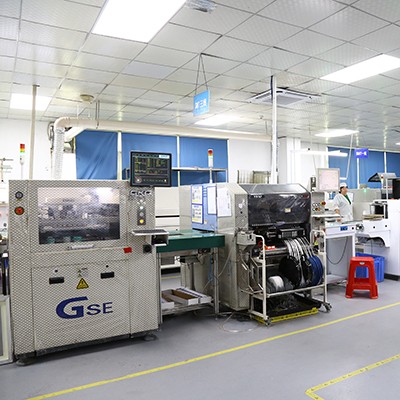
Incoming inspection
Components are checked against the BOM and the approved-vendor list before they reach the line.
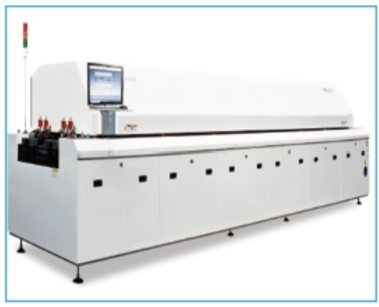
In-process control
Solder paste, reflow profile and AOI results are recorded through SMT and DIP.
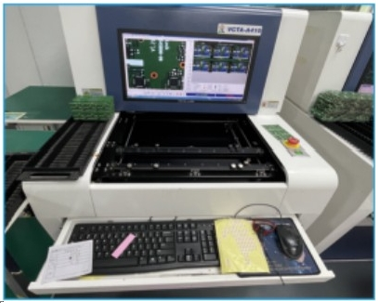
SPI, AOI, X-ray and ICT
3D SPI verifies solder paste volume before placement, AOI inspects every board after reflow, X-ray covers BGA and hidden joints, and in-circuit test runs on fixtures built to your netlist.

Final test and records
Functional and visual inspection to IPC-A-610, with traceable records issued for every batch.
Traceability from material lot to shipped board
What a traceability record has to contain, and how far back it reaches.
Traceability is the part of a quality system that is judged after the product has already shipped. A question about a field failure, a supplier notice about a component lot, or an audit arriving two years after delivery all come down to the same test: can the build be identified, and can its records be produced. The chain below is the one applied to every lot assembled here, and it is built so that a specific board can be traced rather than a batch described.
- Material lot. Every component lot released to production is recorded against the work order, with manufacturer, manufacturer part number, lot or date code, and the incoming inspection result. Reels and trays that arrive without a traceable code are not released to the line.
- Process record. The parameters that decide solder joint quality are captured per build: paste lot and print result, reflow profile, wave or selective soldering settings, and the operator and station for each operation.
- Inspection and test data. In-process inspection covers SPI + AOI + X-ray and electrical test covers ICT + FCT. Results are stored against the work order rather than summarised, so one board can be checked instead of a batch average.
- Unique identification. Where the product carries a serial number, a label or a 2D code, the code on the finished unit is tied to that unit's production record, so the documentation is retrieved by scanning the product rather than by searching a date range.
What the standards ask for, and what is recorded
The traceability requirements buyers quote most often are IPC-1782 for which data is captured and how it is exchanged, together with the record-keeping clauses of IATF 16949 for automotive work and ISO 13485 for medical devices. In practice the three converge on one list: identification of the product, identification of the material, the operations performed, the results of inspection and test, and the station responsible. Those five items are what the records here are built to answer.
What can be issued with a shipment
On request a lot can be supplied with the incoming inspection record, the process and test record for the work order, an acceptance statement against the agreed IPC-A-610 class, and a certificate of conformity naming the material lots used. None of that is produced as a one-off for an audit; it is the record the line already keeps, which is why it can still be issued for a build that finished months ago. Where a longer retention period or a specific format is required by the programme, that is agreed at quotation rather than after the fact.
Frequently Asked Questions
Quick answers to what buyers ask us most about this product family.
What quality certifications does Kilandu hold?
Kilandu holds IATF 16949:2016 (IATF No. 0596984, IATF USI L3A259), ISO 9001:2015 (cert. CN27125Q0392R0S), ISO 13485:2016 (cert. 35825MDQMS0021R0S) and ISO 14001:2015 (cert. CN27125E0142R0S), with RoHS/REACH compliance and IPC-A-610 Class 2/3 acceptance.
How do you inspect boards?
Incoming IQC, in-process SPI/AOI/X-ray, and ICT/FCT plus final visual inspection per lot.
Do you provide test reports?
Yes - SPI/AOI/X-ray/ICT/FCT records and CoC available per shipment on request.
What quality system does the factory operate?
The factory is certified to IATF 16949:2016, the automotive quality management standard, supported by ISO 9001:2015, ISO 13485:2016 for medical work and ISO 14001:2015 for environmental management. Assembly workmanship follows IPC-A-610 Class 2 and Class 3 criteria depending on the programme.
How do you handle a quality problem that appears later?
Every build carries lot-level traceability from component sourcing through placement, soldering and inspection to final test, so when a question is raised there is a production record to examine rather than a conversation to have. Under the certified quality systems, corrective and preventive action is documented rather than resolved informally, and where stock has already been produced the affected material is contained.
Send us your Gerber and BOM
We will come back with a turnkey quotation - PCB, components, assembly and test - usually within one working day.