PCBA

SMT Assembly

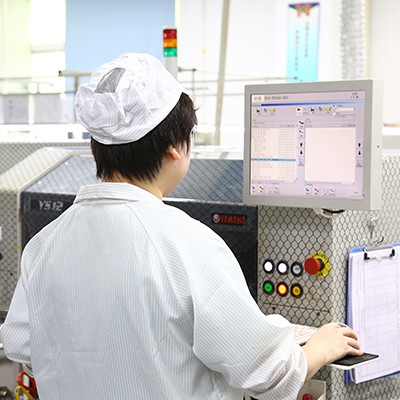
PCBA SMT patch processing

PCBA SMT patch processing

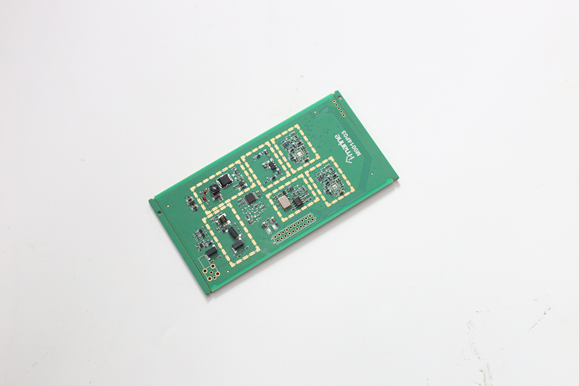
  • PCBA SMT patch is a surface mount technology (Surface Mount Technology) in Printed Circuit Board Assembly.

SMT Assembly from Bare Board to Tested PCBA

Surface mount assembly is where a design becomes a physical board, and most of the cost and most of the risk in a PCBA programme is decided in the few hours the board spends on the line. Our SMT process is built so that each of those steps leaves a record and each of them can be inspected rather than assumed.

What happens between the bare board and the finished assembly

  • Solder paste printing with a laser-cut stainless stencil, followed by 3D SPI measurement of paste volume and alignment before any part is placed.
  • High-speed placement on automatic SMT lines, with vision alignment for fine-pitch and BGA packages.
  • Reflow in multi-zone ovens, using the profile agreed for the board rather than a default curve. High-mass and mixed-technology boards get their own profile.
  • Automated optical inspection after reflow, then X-ray for BGA, QFN and other joints that cannot be seen from the surface.
  • Depanelling, then through-hole, test and final assembly as the programme requires.

Fine pitch, high layer count and mixed technology

The lines handle parts from 01005 upward and pitches down to 0.25 mm, on boards from 1 to 24 layers. In practice most industrial and power products are not pure SMT: they carry connectors, terminal blocks, transformers or large capacitors that have to be soldered through the board. The through-hole content is soldered by wave or selective soldering, alongside hand-insertion stations for parts that need it. Keeping both processes in one factory means one work order, one inspection plan and one party accountable for the finished assembly.

Material and traceability

Components are sourced through authorized and franchised distribution wherever the part is available through it, checked against the bill of materials and the approved vendor list before release to the line, and tied back to their supplier and date code. Assembly uses lead-free processes with RoHS and REACH compliant materials. Lot-level records connect the finished board to the component lots, the reflow profile and the inspection results, which is what makes an after-sales question answerable rather than a conversation.

What to send for a quotation

Gerber files, the bill of materials with manufacturer part numbers, the quantity, and any acceptance class or test specification the product has to meet. Where the quantity is still open, sending the intended production volume as well as the prototype quantity lets us price the material on the number that will actually be ordered. The placement process described here is one stage of a turnkey PCBA programme; where the through-hole content is significant, the DIP and through-hole page covers that stage.

Responsible Manufacturing: Inside the Kilandu PCBA Factory
Why choose us?

Why choose us?

SMT assembly is the stage where most of the cost and most of the yield risk in a PCBA programme is decided, in the few hours a board spends on the line. This page sets out how the placement process is run, what is inspected and at which points, and what a design has to make clear before a board can be built at volume.

One process for prototype and volume

A design proved at low volume should not have to be re-qualified on different equipment for the production order. Prototype and volume builds run on the same placement machines, the same stencils and the same reflow profiles, so the process window that worked on the first build is the one used on the ten-thousandth. This matters most where a programme moves from a pilot run into series production and the acceptance criteria are expected to stay where they were.

Inspection at three points, not one

Solder paste volume is verified with 3D SPI before placement, assembled boards pass through automated optical inspection after reflow, and hidden joints under BGA and QFN packages are checked by X-ray. Each stage writes a record that travels with the lot, so a question raised months later can still be answered from production data.

Fine pitch and mixed technology handled as one build

The lines place parts from 01005 and pitches down to 0.25 mm, and most industrial boards are not pure surface mount: they carry connectors, terminal blocks, transformers and large capacitors that have to be soldered through the board. Both stages are planned as one work order, so the soldering route for the through-hole content is chosen with the fine-pitch side in view rather than settled afterwards.

Turnkey material, not a placement service only

Component sourcing, incoming inspection against the bill of materials, stencil and programming setup, and functional test sit under the same roof. A single supplier is accountable for the finished assembly rather than for one step of it, which keeps traceability in one production record.

Application

Each application area has its own assembly requirements. What changes from a medical instrument to a motor drive is the process, the acceptance class and the design rules that matter, and the pages below set out what is different about each one.

Frequently asked question
1、What decides the yield of an SMT build?
Three things dominate, and only one of them is the placement machine. Paste volume decides whether a joint is starved or bridged, which is why it is measured with 3D SPI rather than checked by eye. The thermal profile decides whether a large package reaches reflow without the parts around it being over-heated. Moisture decides whether a package that has sat outside its floor-life window cracks internally and fails later rather than at test. All three are process controls, and all three are cheaper to hold than to detect.
2、What component sizes and pitches can you place?
Parts from 01005 upward, with fine-pitch placement down to 0.25 mm pitch. Large BGA, QFN and other hidden-joint packages are verified by X-ray rather than by visual inspection alone, and controlled-impedance traces are checked against the supplied stack-up before production.
3、Do you handle both SMT and through-hole on one order?
Yes. Most industrial and power boards mix fine-pitch surface mount with connectors, terminal blocks, transformers and large electrolytic capacitors. The through-hole content is soldered by wave or selective soldering as the board allows, with hand-insertion stations for parts that are not worth automating. Keeping both processes in one work order means one inspection plan and one party accountable for the finished assembly.
4、What should an SMT enquiry include?
The Gerber files, the bill of materials with manufacturer part numbers, the intended quantity, and any acceptance class or test specification the product has to meet. Where the production volume is not yet fixed, sending both the prototype and the expected series quantity lets the material be priced on the number that will actually be ordered. Anything that restricts a component thermally or mechanically is worth flagging at this stage, because it changes the process rather than the price.