Welcome to visitShenzhen Jintianlei Innovation Technology Co., Ltd.Official Website!


The PCBA Industry at the Start of 2026: AI Drives Market Surge, Intelligent Manufacturing and Material Upgrades
Become the Main Themes
At the start of 2026, the PCBA industry is undergoing profound changes driven by AI. The explosive demand for AI
computing power is driving both volume and price increases in the PCB market, with the global PCB market projected
to grow by 12.5% to $95.8 billion in 2026. Simultaneously, intelligent manufacturing is accelerating its transition from
"automation" to "autonomy," with AI visual quality inspection and process self-optimization technologies being
implemented intensively. In terms of upstream materials, Japanese manufacturers such as Mitsubishi Gas Chemical
and Resonac have announced a 30% price increase for key materials such as CCL, exacerbating supply chain
pressures. Domestic companies, however, have achieved technological breakthroughs in niche areas such as thick
copper HDI and AI power boards. Furthermore, the globalization of production capacity is accelerating, with Thailand
becoming a major relocation destination. The industry is standing at the starting point of a new round of growth, with
high-end manufacturing and material upgrades being key to future competition.
Looking ahead to 2026: Opportunities and Challenges Coexist. A research report from CITIC Securities points out that
with terminal AI manufacturers finalizing their strategies and downstream PCB manufacturers accelerating production
ramp-up, the first quarter of 2026 will be a crucial period for verifying the expansion speed, market share increase, and
profitability of PCB equipment manufacturers. The PCBA segment is expected to continue its year-on-year growth in
the first quarter. The next stage of material upgrades—the M9 and M9+ era—is rapidly approaching. It is projected that
by 2026, high-speed transmission architecture will advance to 1.6 Tbps, and PCB board specifications will transition
from M7 and M8 to the M9 era.
The PCBA industry is standing at the starting point of a new growth cycle. For companies within the industry chain,
seizing the opportunities for technological upgrades brought by AI, promoting the deep implementation of intelligent
manufacturing, strengthening supply chain resilience, and globalization will be key issues determining their future
competitive position.
-

A warm welcome to Mr. Jason Connor and Mr. David from Luxembourg for their guidance!
-

The PCBA Industry at the Start of 2026: AI Drives Market Surge, Intelligent Manufacturing and Material Upgrades Become the Main Themes
-
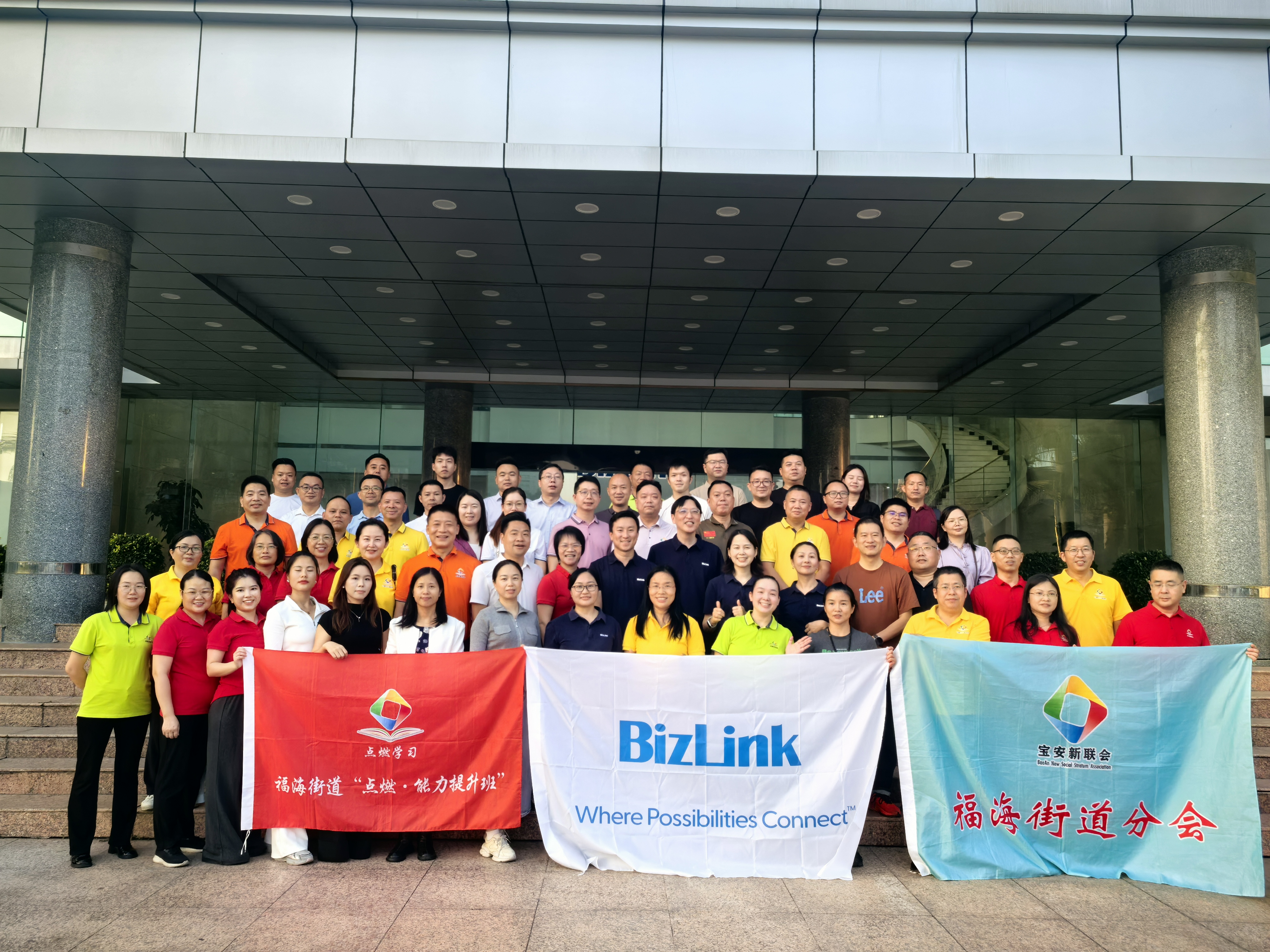
Connecting Infinite Possibilities | Bao'an District New Union 'Ignite Learning' Class (including our Shenzhen Jintianlei Innovation Technology Co., Ltd.) visited Biz Link to discuss new development op
-
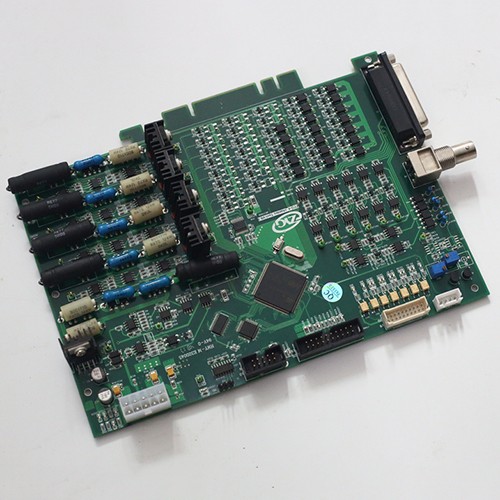
The core process of PCBA product customization
-
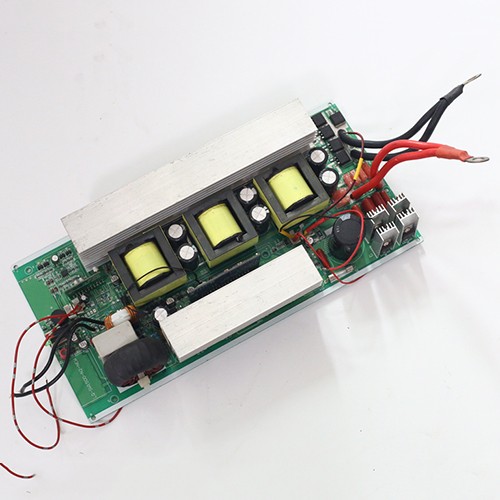
The Importance of Visual Inspection in PCBA
-
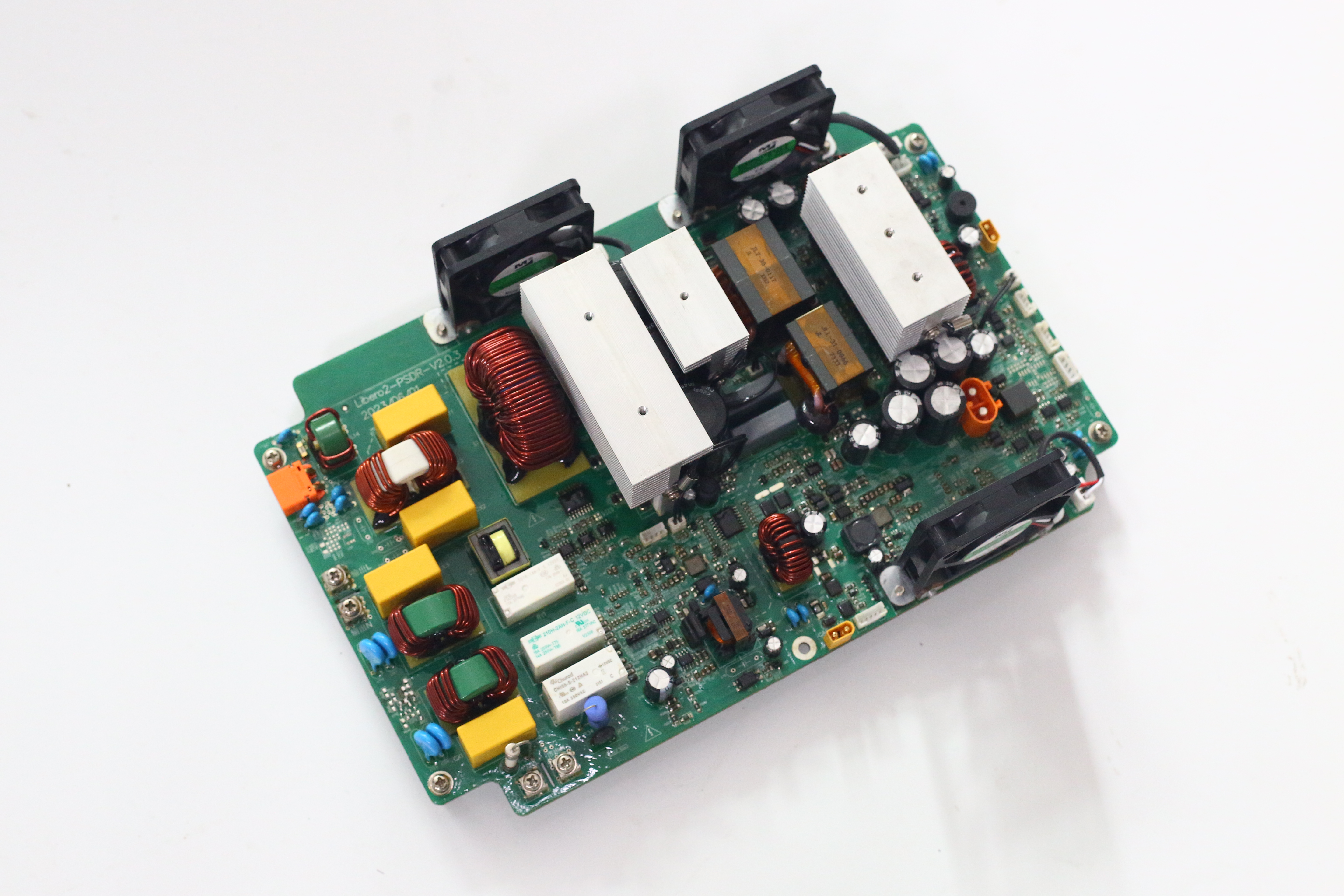
ExpeElectronica2024 in Munich, Germany
-
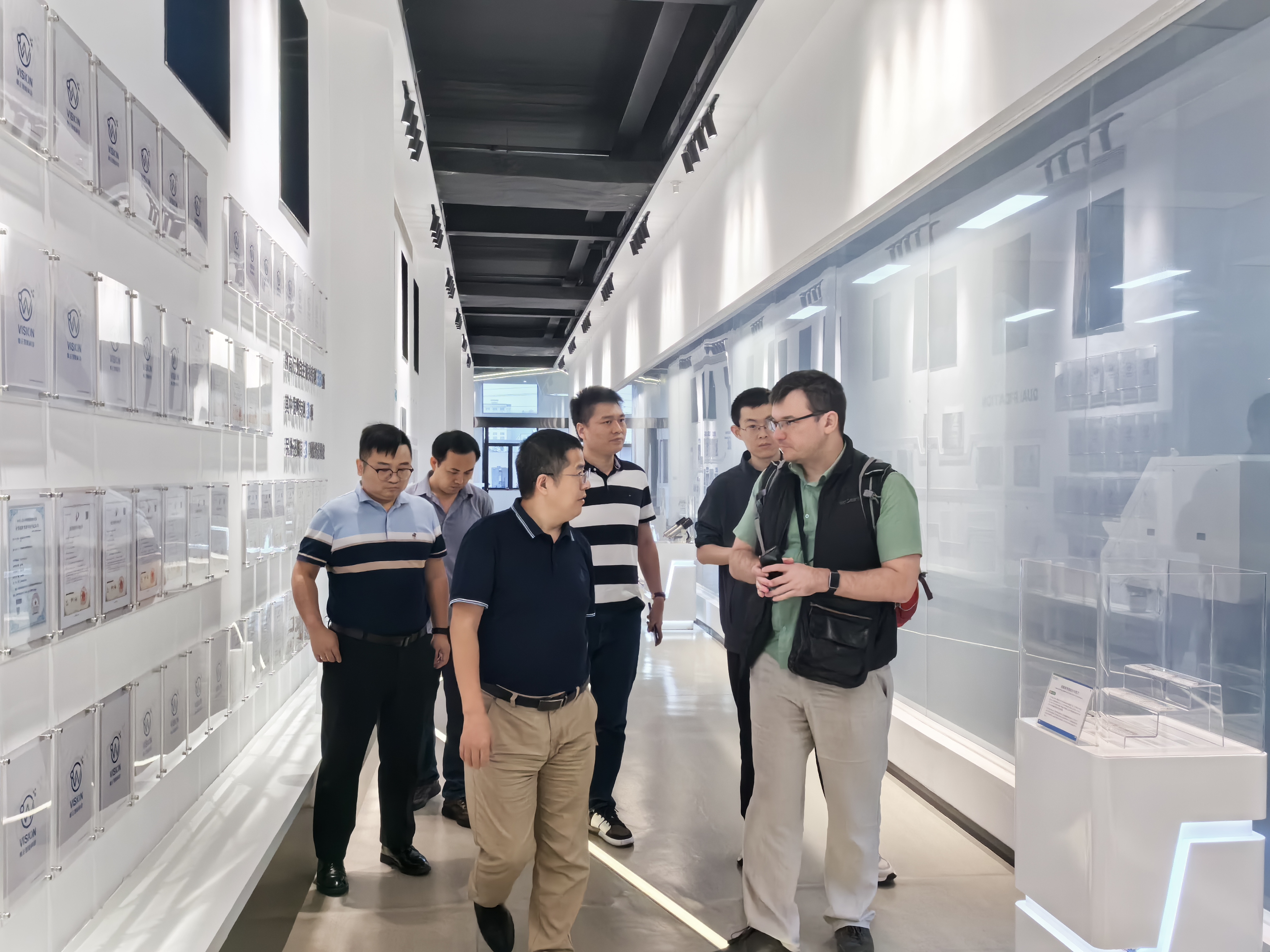
Welcome customers to visit our branch companies for factory inspection and guidance
-
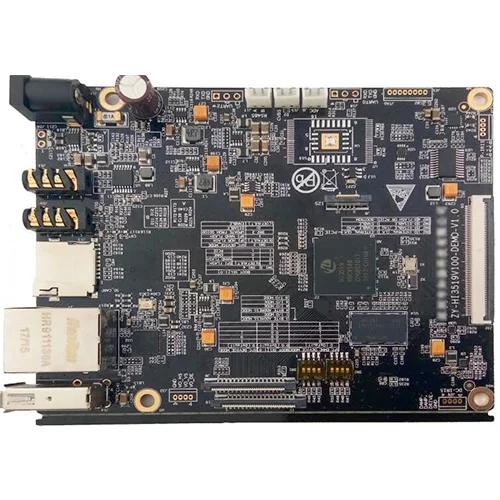
PCBA industry global prospects
-
Explore the future trends of the PCBA industry! How can you make your production line more efficient with the help of intelligent technology?
-

Welcome French customer PACE to visit our factory for audit