

PCB manufacturing is where the electrical design becomes a physical board. The choices made here - layer count, base material, copper weight, trace and gap width, surface finish - determine whether the board can be assembled reliably and whether it will survive the environment it is designed for.
What we review before production
- Layer count and stack-up against the impedance and routing requirements.
- Base material selection, including High TG laminate for thermally demanding builds.
- Copper weight, minimum trace and gap, and via structure.
- Surface finish and solder mask requirements.
From bare board to assembled unit
Kilandu runs the full chain: bare board fabrication through to SMT assembly, DIP and box build, so the stack-up decision is made with the assembly process in view rather than in isolation. Assembly uses high-speed SMT lines, automatic DIP lines and in-line inspection, with functional test to customer specification. The equipment list and the monthly capacity are published on the factory capabilities page, and a typical 2 to 5 week turnkey lead time applies to both prototype and volume programmes.
Design for manufacture and the questions we ask first
Most avoidable cost in PCB manufacturing comes from a decision that was reasonable in isolation but does not fit the process. Minimum trace and gap against the specified copper weight, annular ring against the via structure, panel utilisation against the board outline, and whether the surface finish suits the assembly process are all worth settling before fabrication is ordered. Kilandu reviews those points at quotation stage, while changing them is still free.
Materials and finishes
Base material is selected against the thermal and electrical demand of the application rather than as a default. Standard FR-4 suits a large share of industrial boards; High TG laminate is used where lead-free reflow of a thick or high-layer-count board, continuous elevated temperature or repeated thermal cycling would otherwise push the laminate through its glass transition. Copper weight follows the current and thermal requirement, and surface finish is chosen to match both the assembly process and the storage life the customer needs.
Quality and traceability from fabrication through assembly
Bare boards are electrically tested and inspected before they move to assembly, and because fabrication and assembly sit in the same supply chain, any issue found downstream can be traced back to the panel it came from. Production runs under IATF 16949:2016, ISO 9001:2015, ISO 13485:2016 and ISO 14001:2015 certified systems to IPC-A-610 Class 2 and Class 3 acceptance criteria, with materials that are RoHS and REACH compliant.
Previous:PCBA assembly
-
Passive Component Lead Times Are Rewriting PCBA Sourcing Decisions in 2026
-

A warm welcome to Mr. Jason Connor and Mr. David from Luxembourg for their guidance!
-

The PCBA Industry at the Start of 2026: AI Drives Market Surge, Intelligent Manufacturing and Material Upgrades Become the Main Themes
-
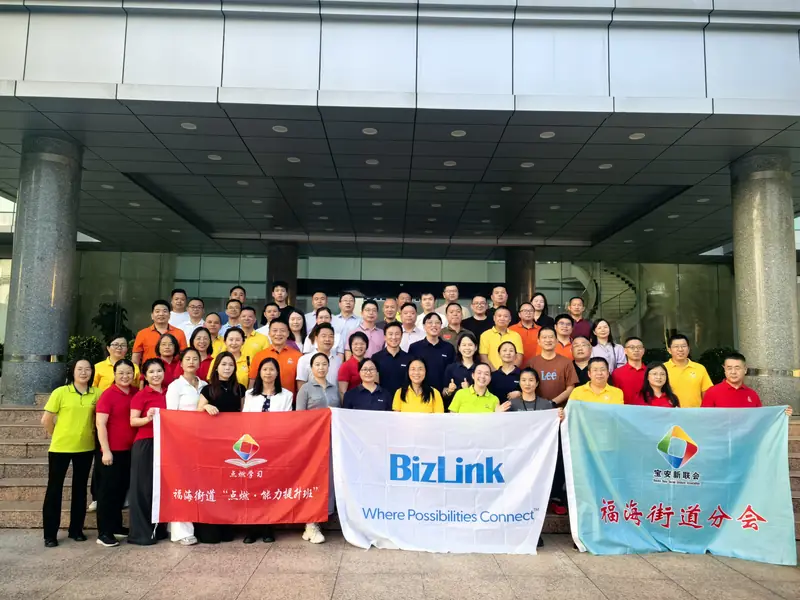
Connecting Infinite Possibilities | Bao'an District New Union 'Ignite Learning' Class (including our Shenzhen Jintianlei Innovation Technology Co., Ltd.) visited Biz Link to discuss new development op
-
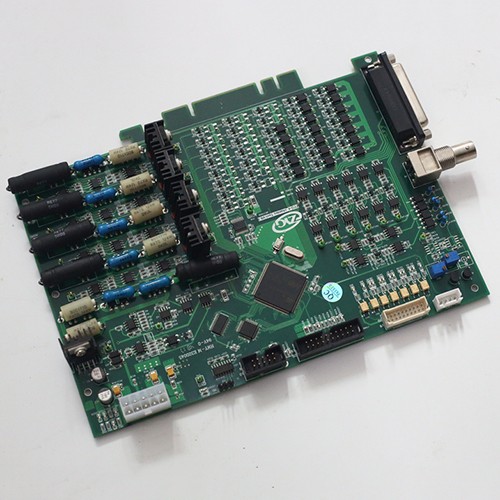
The core process of PCBA product customization
-
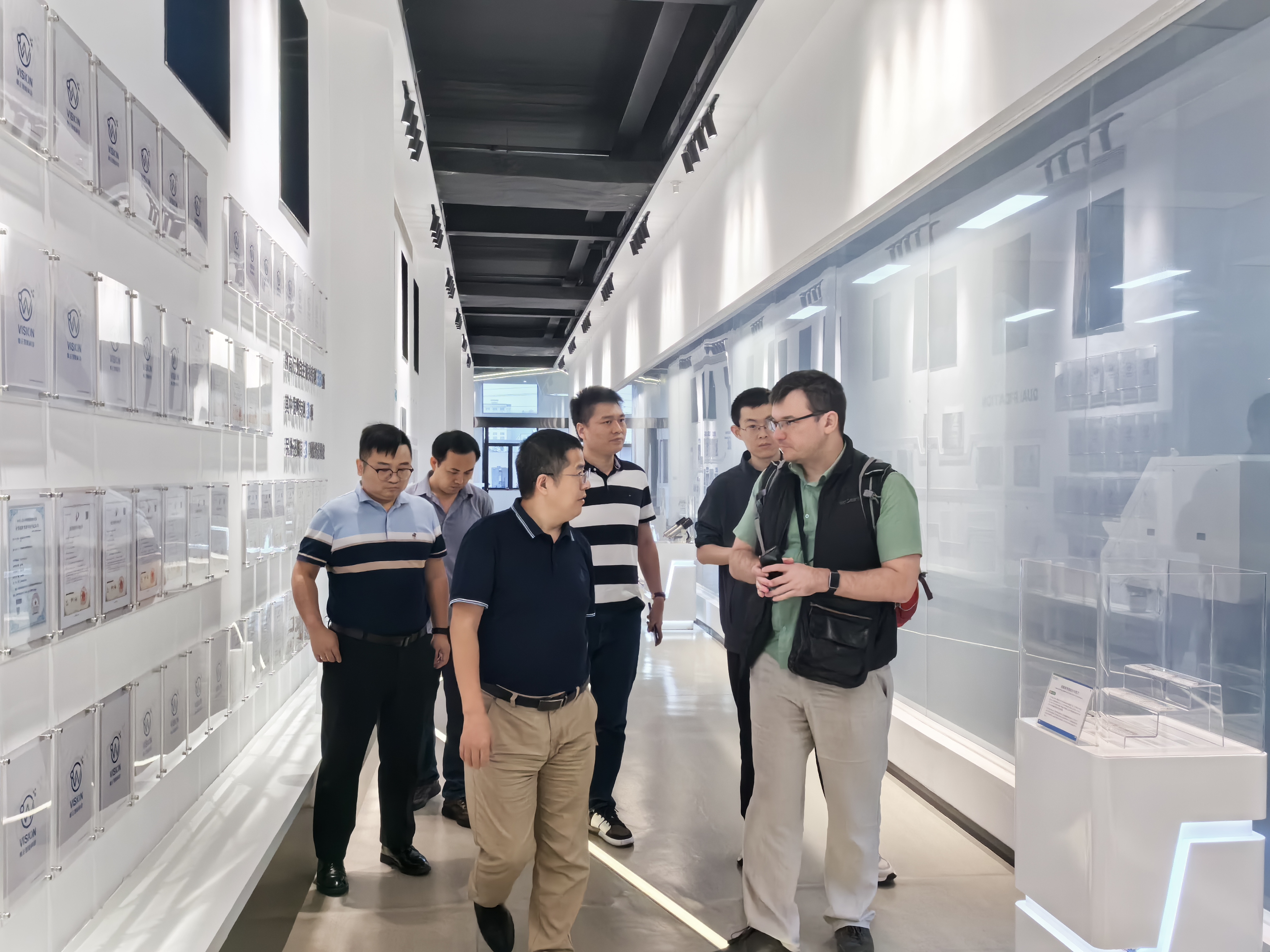
Welcome customers to visit our branch companies for factory inspection and guidance
-
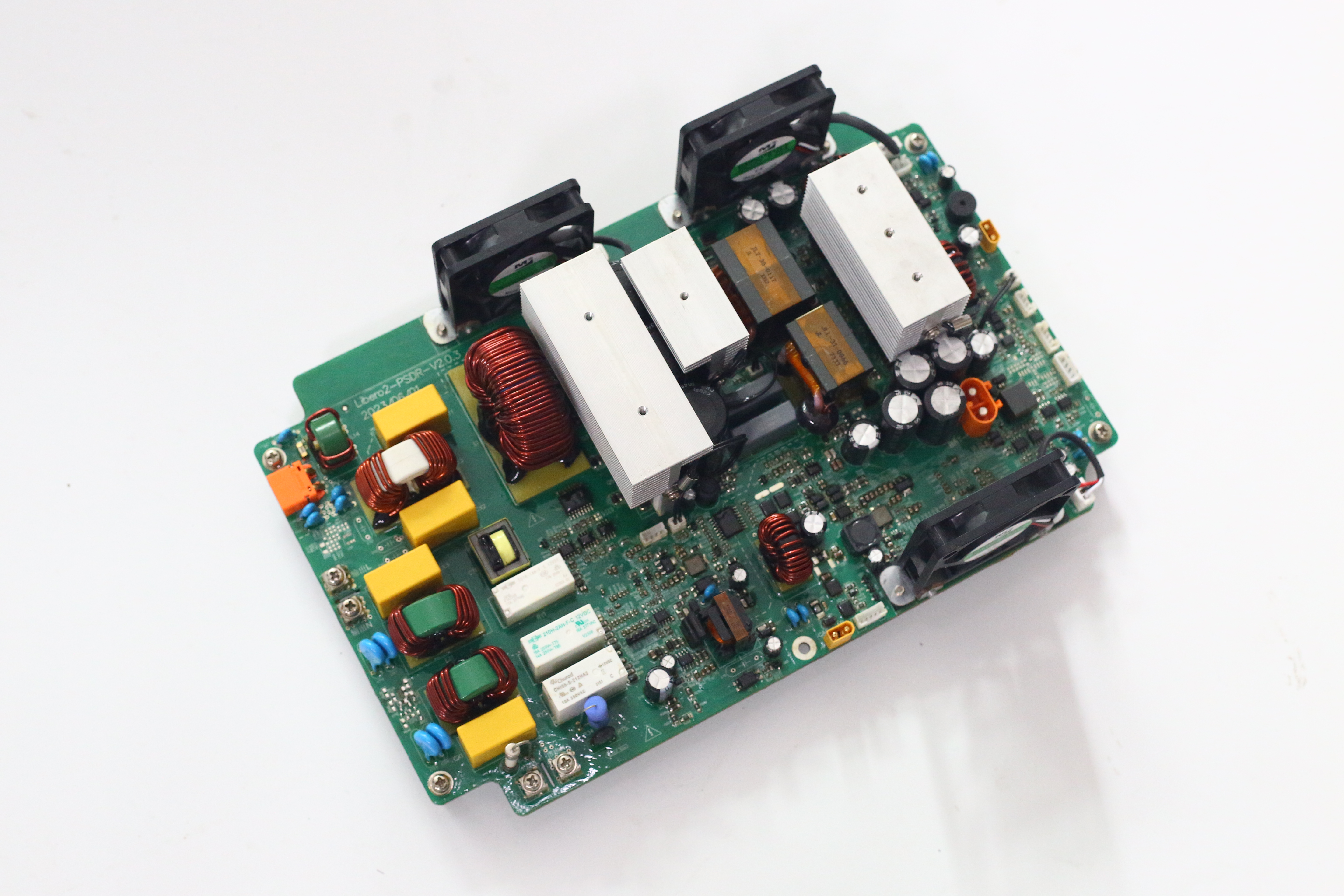
ExpeElectronica2024 in Munich, Germany
-
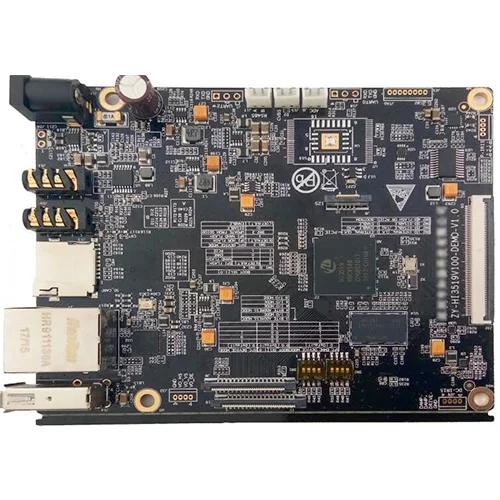
PCBA industry global prospects
-
Connecting Infinite Possibilities | Bao'an District New Union 'Ignite Learning' Class (including our Shenzhen Jintianlei Innovation Technology Co., Ltd.) visited Biz Link to discuss new development op
-
Explore the future trends of the PCBA industry! How can you make your production line more efficient with the help of intelligent technology?