
PCBA assembly is the step that turns components and a bare board into a working electronic assembly. It covers solder paste printing, component placement, reflow, through-hole and mixed-technology work, inspection and test - and the result is only as good as the control applied at each of those stages.
Our assembly capability
- High-speed SMT lines, with the equipment list and monthly capacity published on the factory capabilities page.
- Automatic DIP lines for through-hole and mixed-technology boards.
- GKG-G5 solder paste printing with fine-pitch capability, and SITEK 3D SPI inspection.
- AOI on every board, X-ray for BGA and hidden joints, and functional test to customer specification.
Turnkey or consigned
Kilandu can act as a turnkey partner and source components against your BOM, or assemble material you supply. Either way the build runs under ISO 9001:2015, ISO 13485:2016 and IATF 16949:2016 certified quality systems with ISO 14001:2015 environmental management, RoHS and REACH compliant materials, and IPC-A-610 Class 2 and Class 3 acceptance criteria. Turnkey lead time is typically 2 to 5 weeks.
Incoming control and material handling
Assembly quality is largely decided before the first board enters the line. Components are checked against the bill of materials and the approved vendor list on arrival, with part number, marking, quantity and date code verified before release to production. Moisture sensitive devices are handled within their floor-life window and baked or dry-packed where required, and boards are stored and moved in ESD-protected containers with humidity indicators where the customer's specification calls for it.
What is inspected, and what ships with the order
Every build passes through 3D solder paste inspection before placement, automated optical inspection after reflow, and X-ray where BGA, QFN or other hidden joints are present. Functional test is carried out on fixtures built to the customer's specification, and failed units go through documented rework and retest rather than being passed. Each shipment is accompanied by lot-level records that tie the assembly back to its component lots, reflow profile and test results, together with RoHS and REACH statements on request.
Assembly options
Kilandu can assemble consigned material supplied by the customer or operate as a full turnkey partner and source the entire bill of materials, including long-lead and single-source parts with proposed pin-to-pin alternatives where a part is at risk. Tooling, stencils and test fixtures built for a programme are identified and held for that customer, and customer designs are not reused or disclosed.
Previous:没有了
-
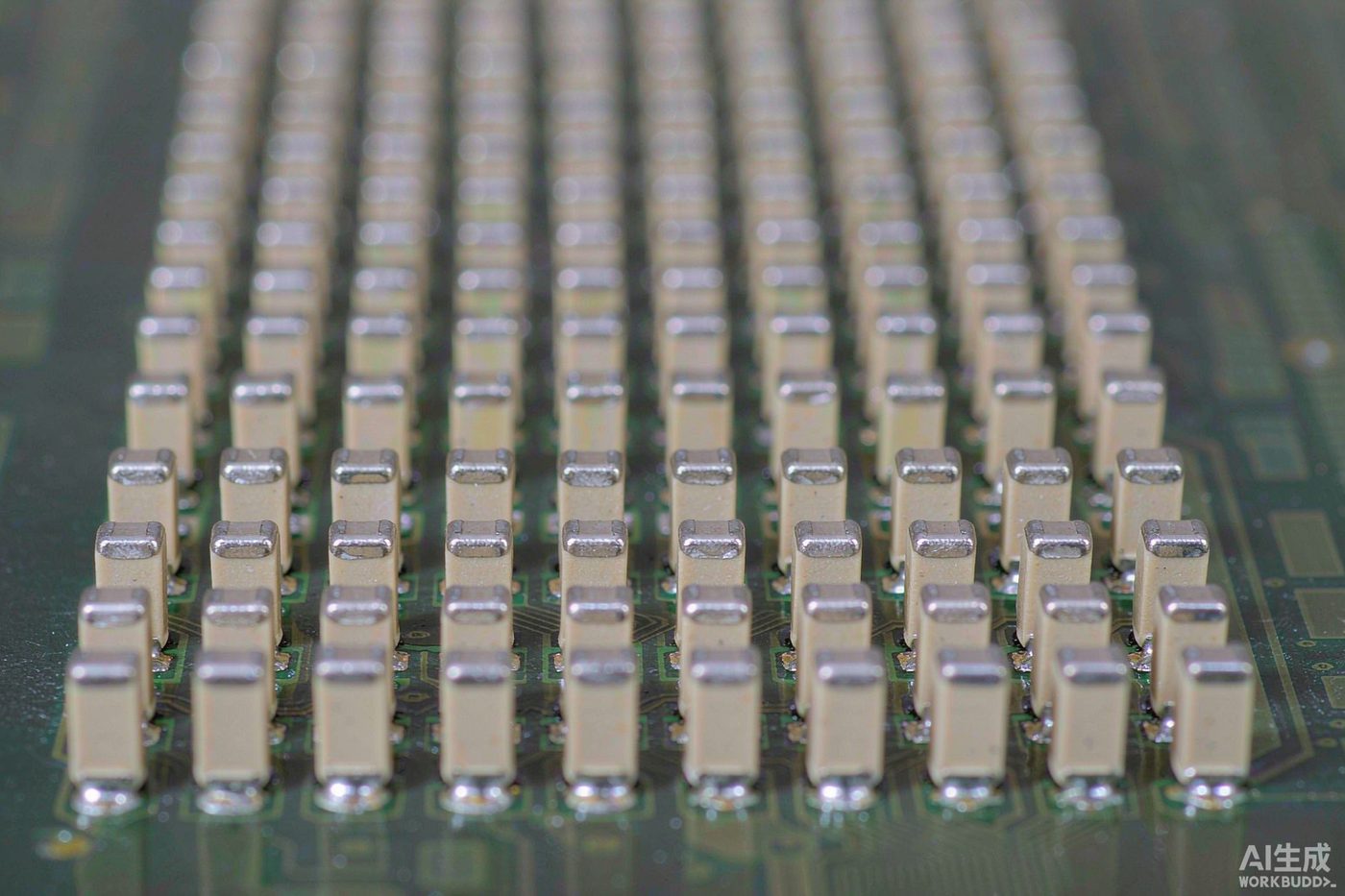
Passive Component Lead Times Are Rewriting PCBA Sourcing Decisions in 2026
-
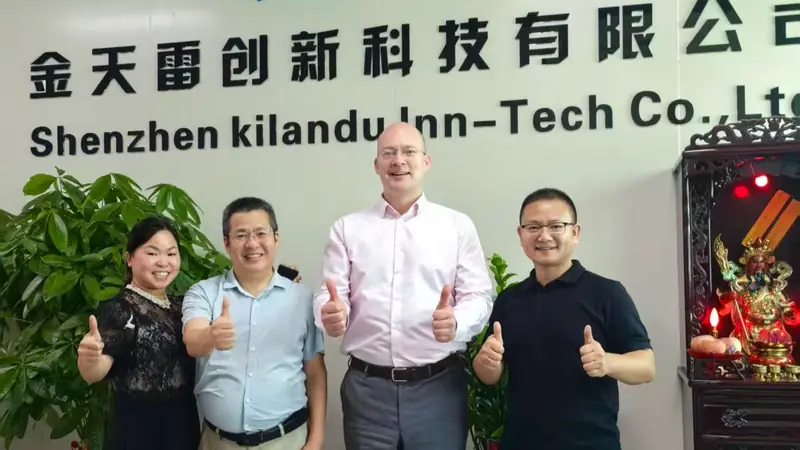
A warm welcome to Mr. Jason Connor and Mr. David from Luxembourg for their guidance!
-

The PCBA Industry at the Start of 2026: AI Drives Market Surge, Intelligent Manufacturing and Material Upgrades Become the Main Themes
-
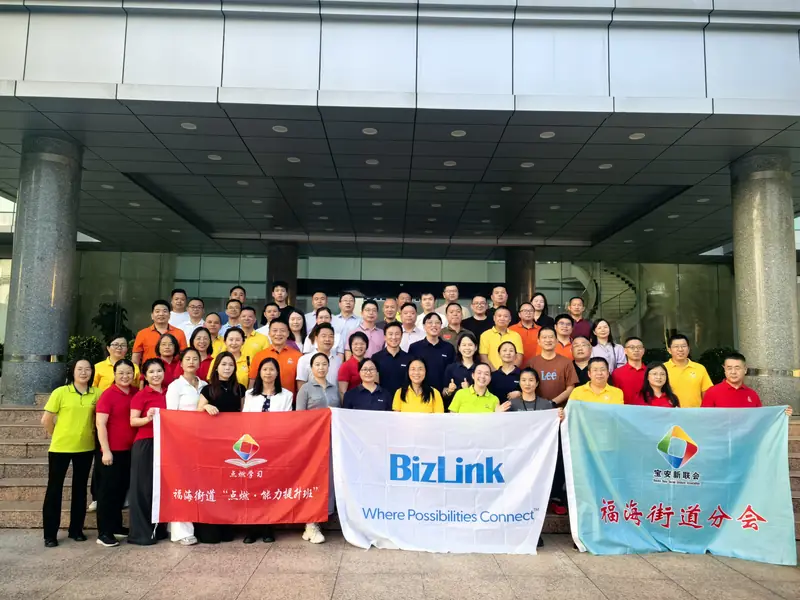
Connecting Infinite Possibilities | Bao'an District New Union 'Ignite Learning' Class (including our Shenzhen Jintianlei Innovation Technology Co., Ltd.) visited Biz Link to discuss new development op
-
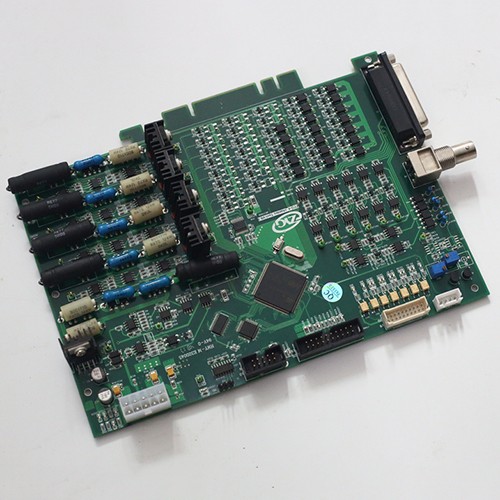
The core process of PCBA product customization
-
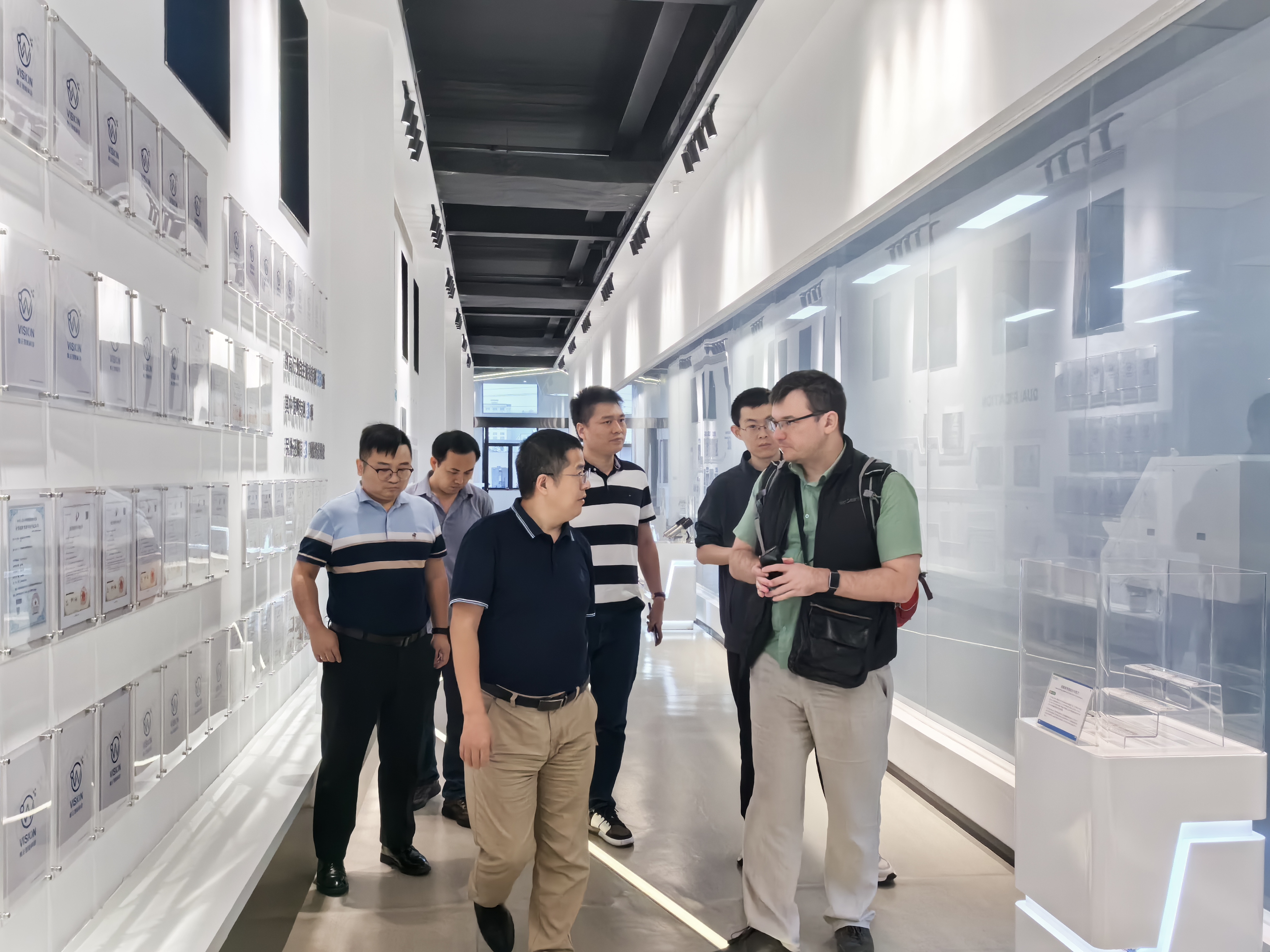
Welcome customers to visit our branch companies for factory inspection and guidance
-
ExpeElectronica2024 in Munich, Germany
-
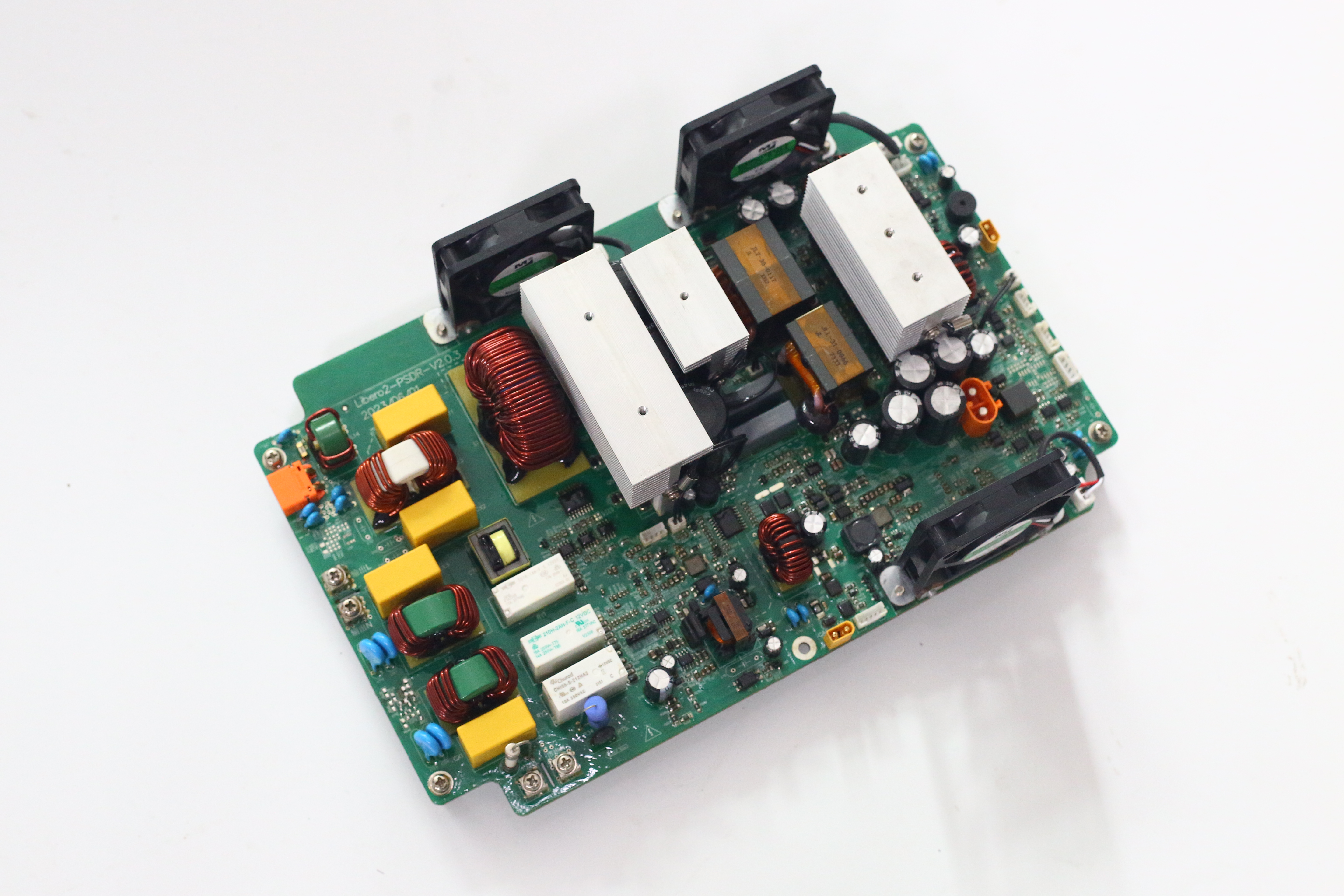
PCBA industry global prospects
-
Connecting Infinite Possibilities | Bao'an District New Union 'Ignite Learning' Class (including our Shenzhen Jintianlei Innovation Technology Co., Ltd.) visited Biz Link to discuss new development op
-
Explore the future trends of the PCBA industry! How can you make your production line more efficient with the help of intelligent technology?