

Speaker audio PCBA covers the amplification and signal processing board behind a loudspeaker or speaker system, including portable speakers, soundbars and compact powered monitors. The board supplies the amplifier, the crossover or DSP stage where one is used, and the power conversion that feeds it.
What this board typically includes
- Amplifier stage sized against the speaker load and the target output power.
- DSP or analogue equalisation, depending on the product class.
- Power supply conversion with inrush and short-circuit protection.
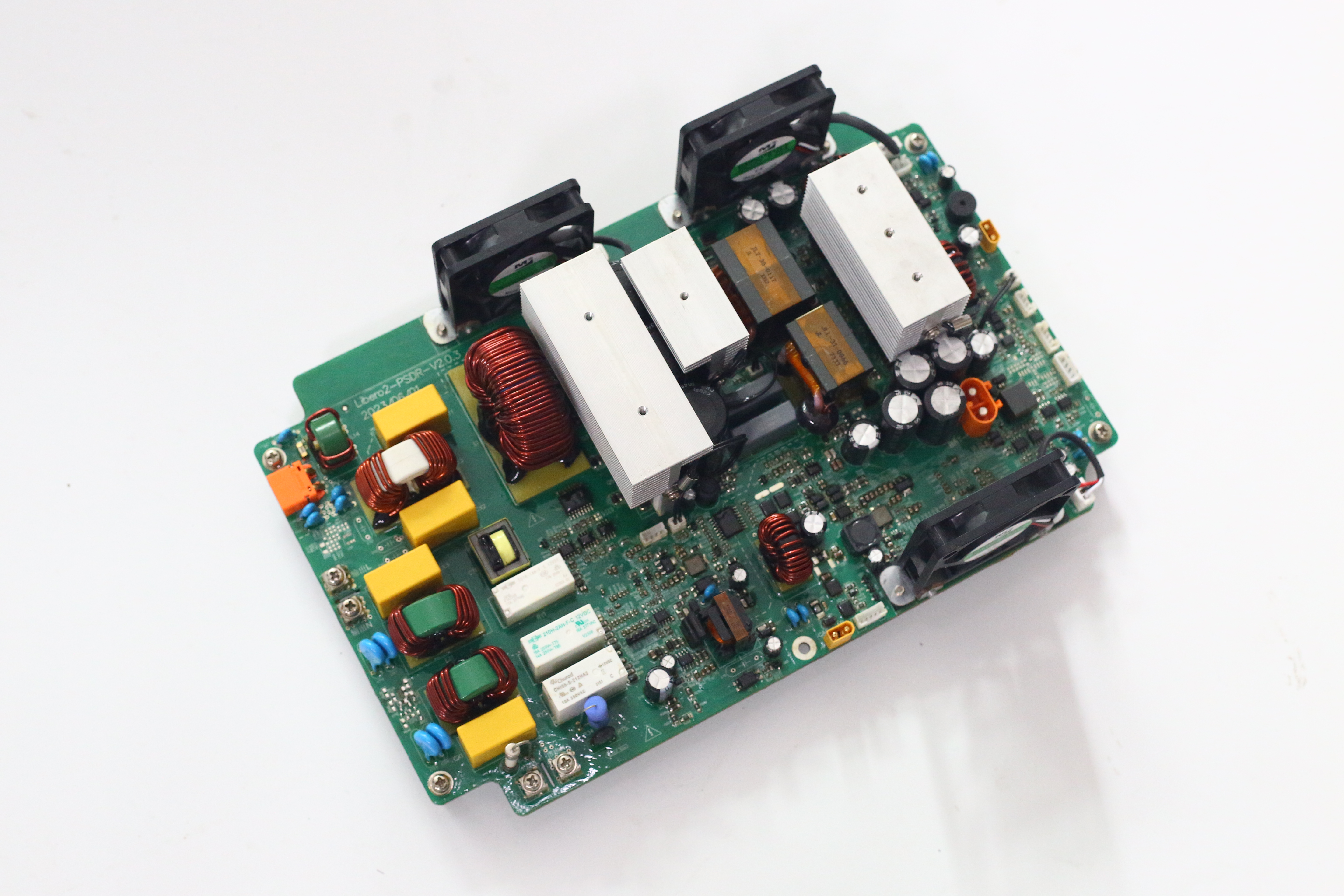
- Thermal provisions and, where needed, mounting for a heat sink.
Why customers build this board with Kilandu
We run turnkey PCBA in Shenzhen: component sourcing, SMT assembly on high-speed SMT lines and automatic DIP lines, 3D solder paste inspection, AOI on every board, X-ray for hidden joints and functional test to your specification. Typical turnkey lead time is 2 to 5 weeks, and every build is covered by ISO 9001:2015, ISO 13485:2016, ISO 14001:2015 and IATF 16949:2016 certified systems.
Sizing the amplifier to the speaker, not the other way round
The most common cause of a speaker product that sounds wrong is an amplifier specified against a nominal impedance figure that only holds at one frequency. A real driver presents a load that swings widely across its range, and the amplifier has to remain stable and thermally safe at the worst point of that swing rather than at the average. Getting this right is a design decision, but it has manufacturing consequences too: current-carrying trace width, output filter selection and heat spreading all follow from it.
Assembly and thermal follow-through
Output stages, power conversion and, in some designs, a DSP all dissipate heat inside an enclosure that is usually sealed and often portable. That makes the thermal path a mechanical feature of the board: thermal vias under the devices, copper area on both copper layers, and a defined contact area where the board meets a metal chassis or heat spreader. Kilandu assembles these mixed-technology boards on the same lines as our other work, with SPI before placement, AOI on every board, X-ray where hidden joints are present, and optional in-production programming where firmware has to be loaded before shipment.
Previous:没有了
-
Passive Component Lead Times Are Rewriting PCBA Sourcing Decisions in 2026
-
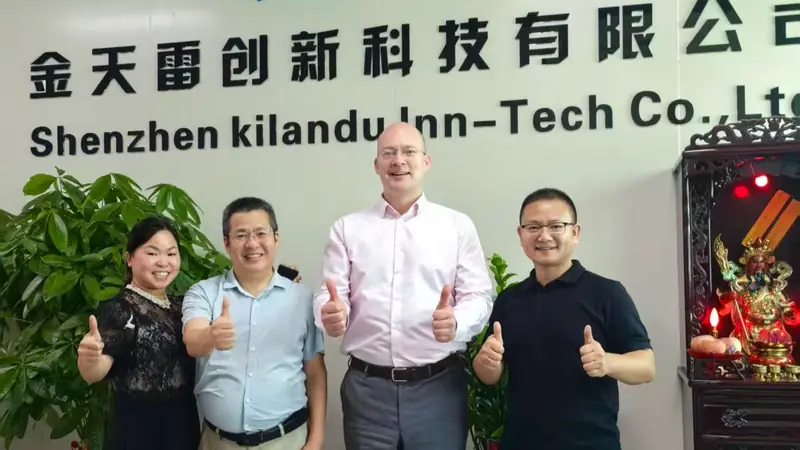
A warm welcome to Mr. Jason Connor and Mr. David from Luxembourg for their guidance!
-
The PCBA Industry at the Start of 2026: AI Drives Market Surge, Intelligent Manufacturing and Material Upgrades Become the Main Themes
-
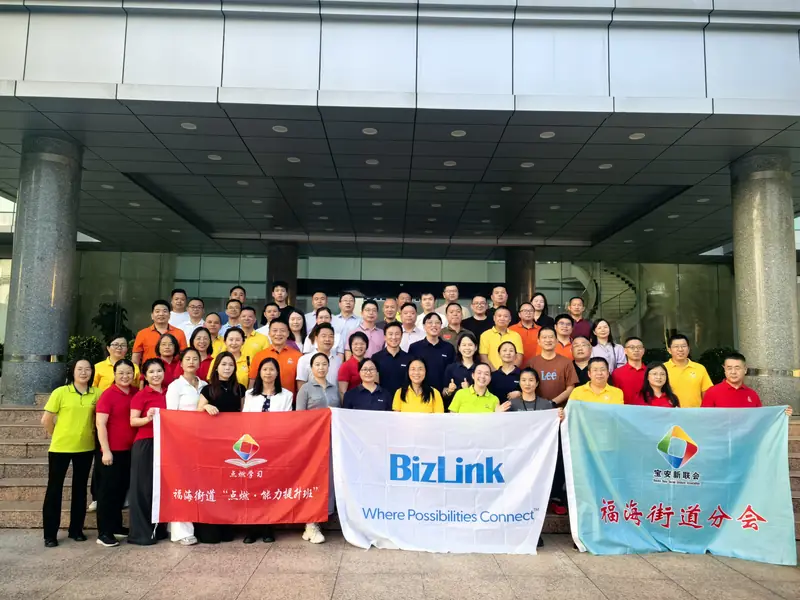
Connecting Infinite Possibilities | Bao'an District New Union 'Ignite Learning' Class (including our Shenzhen Jintianlei Innovation Technology Co., Ltd.) visited Biz Link to discuss new development op
-
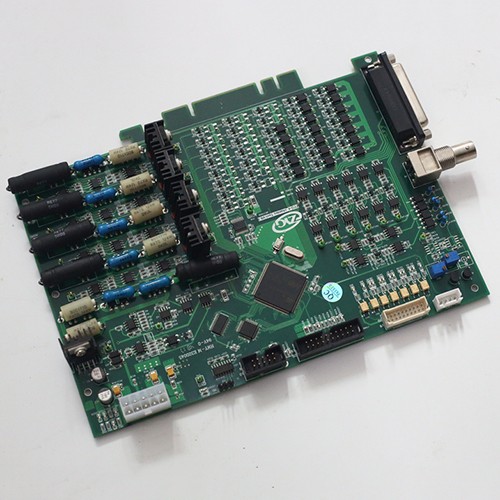
The core process of PCBA product customization
-
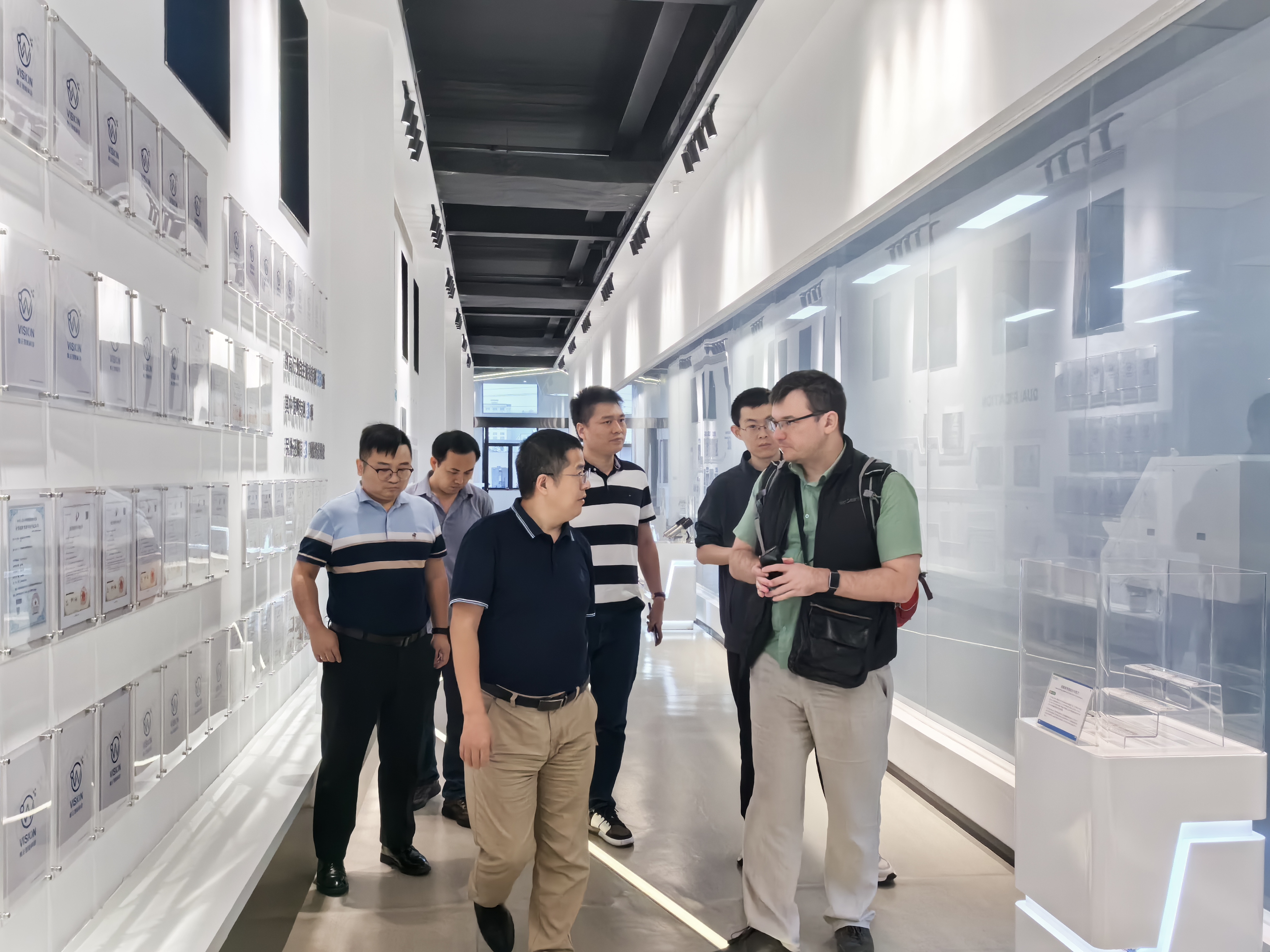
Welcome customers to visit our branch companies for factory inspection and guidance
-
ExpeElectronica2024 in Munich, Germany
-
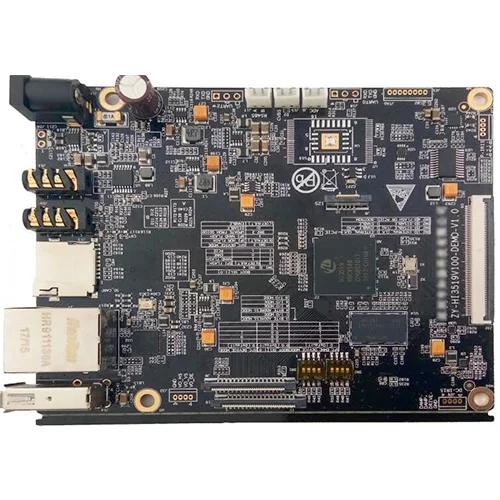
PCBA industry global prospects
-
Connecting Infinite Possibilities | Bao'an District New Union 'Ignite Learning' Class (including our Shenzhen Jintianlei Innovation Technology Co., Ltd.) visited Biz Link to discuss new development op
-
Explore the future trends of the PCBA industry! How can you make your production line more efficient with the help of intelligent technology?