

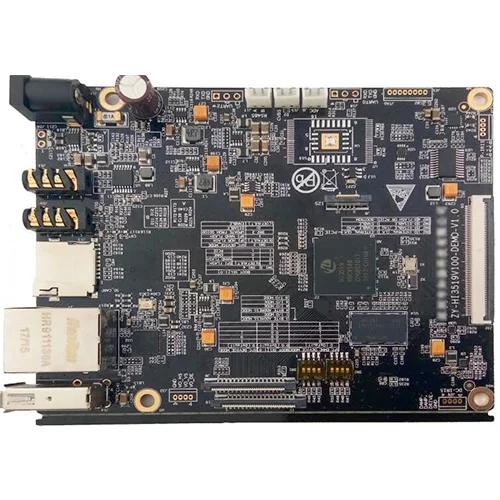
An intelligent cabin control system coordinates the displays, audio, lighting and comfort functions inside a vehicle. It is a mixed-technology assembly: fine-pitch digital logic sits alongside power switching stages and a mechanical connector set that has to survive years of thermal cycling.
What this board typically includes
- Application processor module with high-speed differential routing.
- Multi-channel power rails with load dump and reverse polarity protection.
- Audio and display interfaces, plus CAN / LIN links to the rest of the vehicle.
- Thermal management through copper pours and, where needed, an aluminium heat spreader.
Manufacturing considerations
The narrow trace and gap widths involved make solder paste volume control critical, which is why every build runs through SPI before placement and AOI afterwards. Board thickness, copper weight and surface finish are selected against the thermal and vibration profile of the installation rather than a default stack-up.
Where cabin electronics usually run into trouble
The load profile of a cabin controller is unusual. Current demand steps sharply when a display lights up or an amplifier pushes a bass note, and those transients propagate back through the supply rails. If the regulator loop is not compensated for that behaviour, the result is visible flicker or audible noise rather than a clean failure, and it can be intermittent enough to pass bench testing and still be noticed by the driver.
Electromagnetic compatibility is the second recurring issue. The wiring harness in a vehicle is long and acts as an antenna, so conducted and radiated emissions are judged against automotive limits rather than consumer ones. Filtering at the connector, careful return-path planning under the switching nodes and, where needed, a local shield are the practical levers, and they are far easier to apply while the stack-up is still open than after tooling is committed.
How Kilandu supports cabin electronics programmes
Kilandu holds IATF 16949:2016 alongside ISO 9001:2015, ISO 13485:2016 and ISO 14001:2015, and builds turnkey PCBA in Shenzhen with high-speed SMT lines and automatic DIP lines, 3D solder paste inspection, AOI on every board, X-ray for BGA and hidden joints, and functional test to your specification. Every work order carries recorded reflow profiles and lot-level traceability, and typical turnkey lead time is 2 to 5 weeks.
-
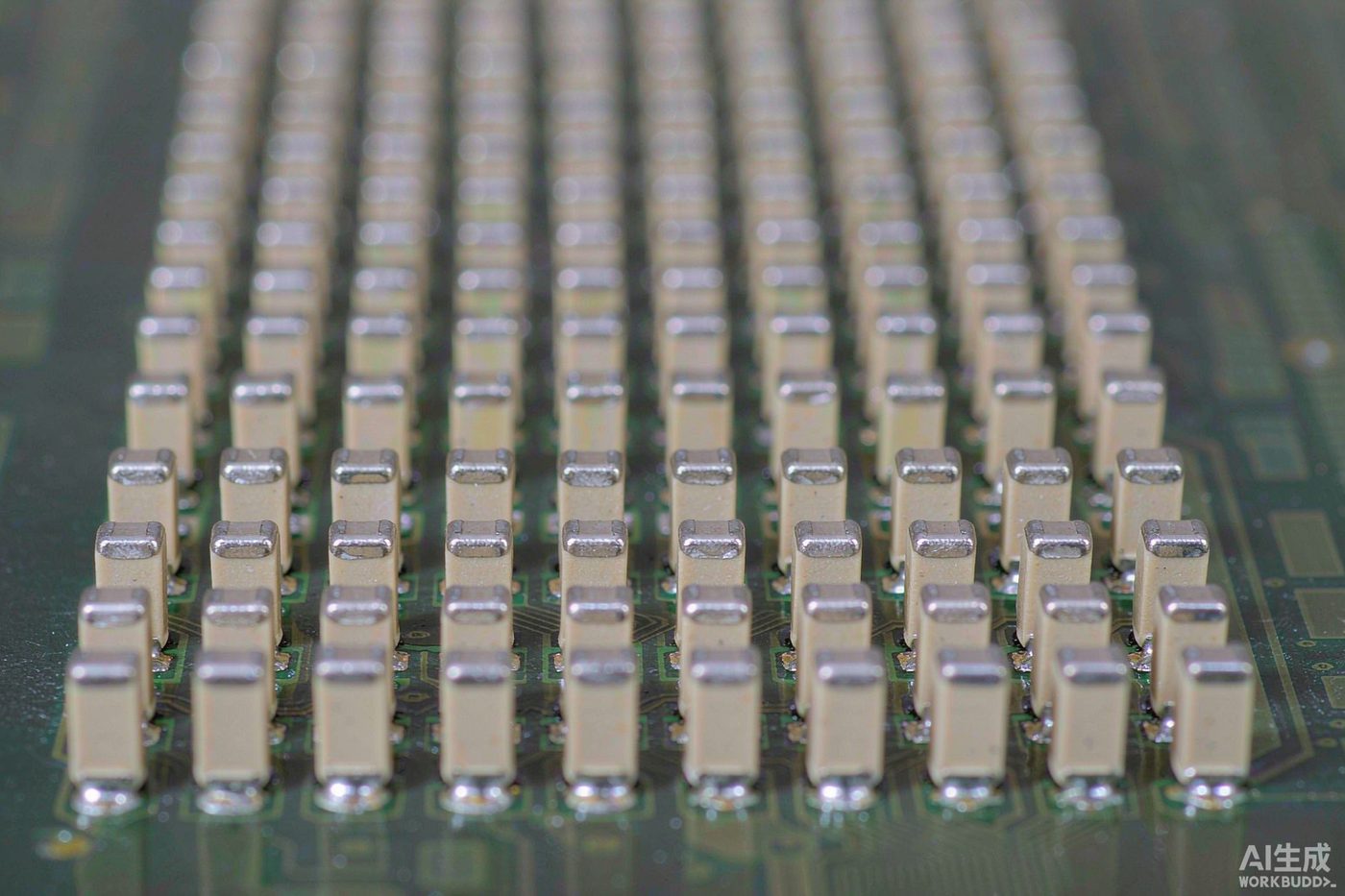
Passive Component Lead Times Are Rewriting PCBA Sourcing Decisions in 2026
-

A warm welcome to Mr. Jason Connor and Mr. David from Luxembourg for their guidance!
-

The PCBA Industry at the Start of 2026: AI Drives Market Surge, Intelligent Manufacturing and Material Upgrades Become the Main Themes
-

Connecting Infinite Possibilities | Bao'an District New Union 'Ignite Learning' Class (including our Shenzhen Jintianlei Innovation Technology Co., Ltd.) visited Biz Link to discuss new development op
-
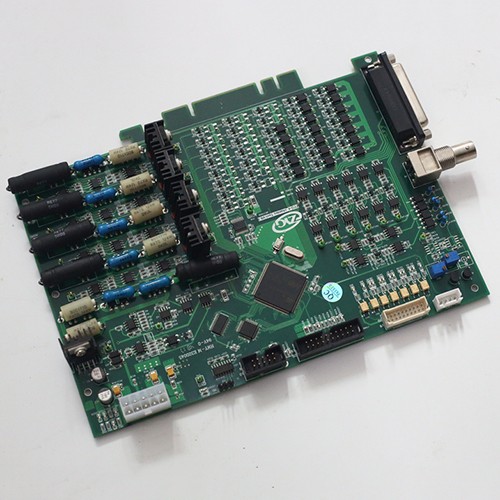
The core process of PCBA product customization
-
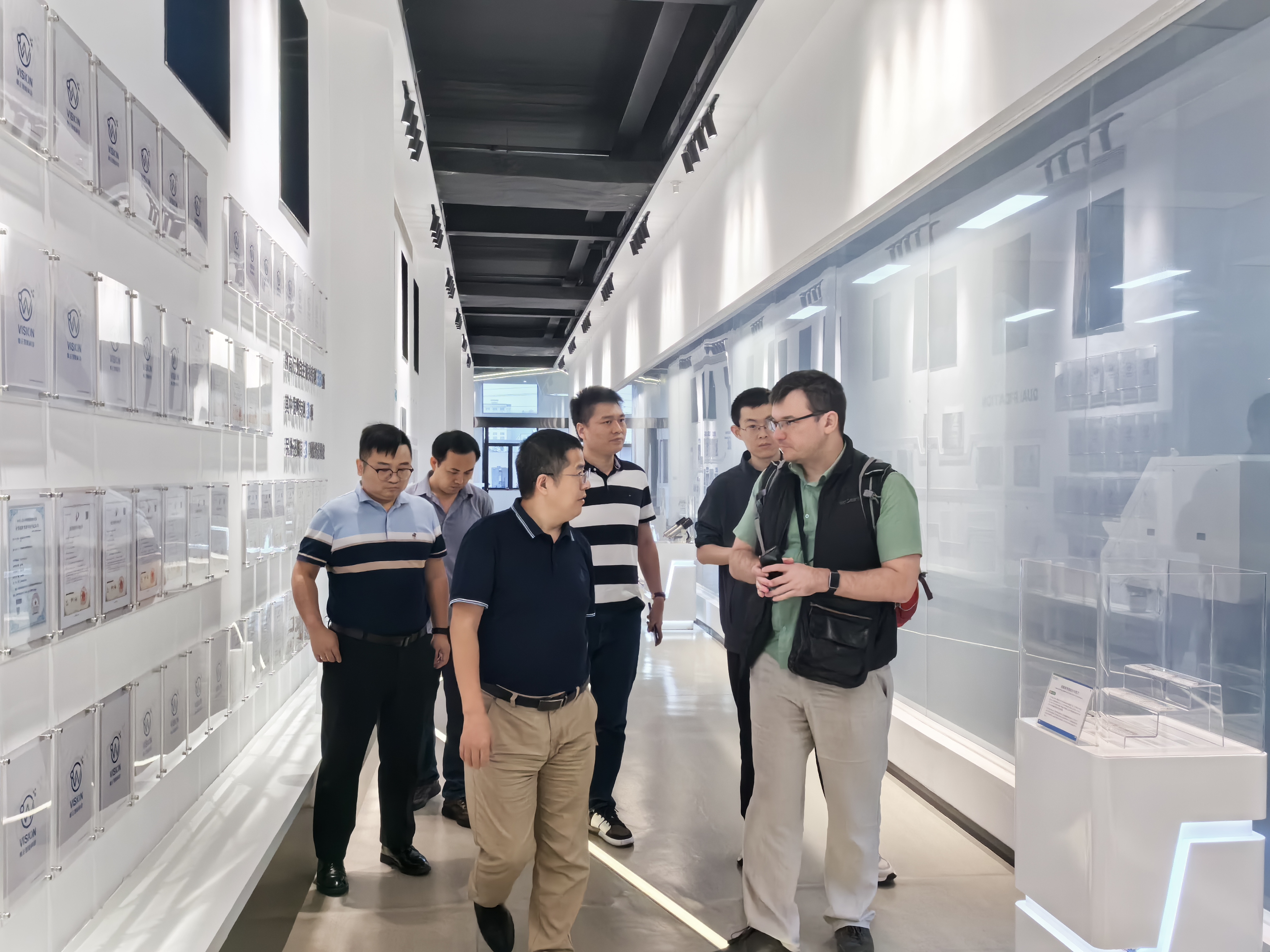
Welcome customers to visit our branch companies for factory inspection and guidance
-
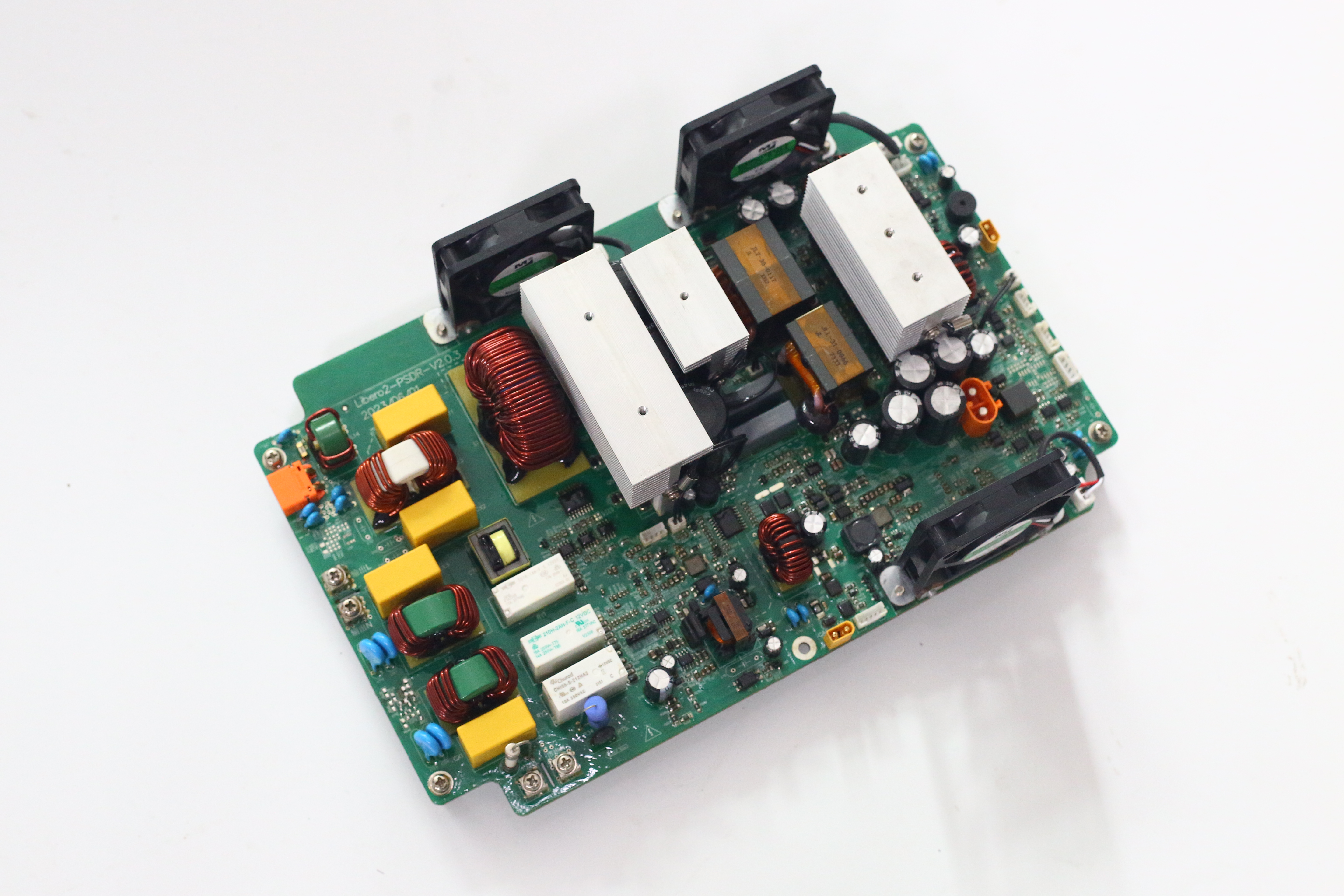
ExpeElectronica2024 in Munich, Germany
-
PCBA industry global prospects
-
Connecting Infinite Possibilities | Bao'an District New Union 'Ignite Learning' Class (including our Shenzhen Jintianlei Innovation Technology Co., Ltd.) visited Biz Link to discuss new development op
-
Explore the future trends of the PCBA industry! How can you make your production line more efficient with the help of intelligent technology?