

Responsible manufacturing is part of how Kilandu operates, not a page we write once. Every order placed with us is built on the same production floor in Shenzhen, under the same quality and environmental system, by the same trained team. This page shows that floor as it is: high-speed SMT lines, automated optical and X-ray inspection, an ISO 14001 environmental management system, and the people who run them.
The equipment, the monthly capacity and the team size are documented with current figures on the factory capabilities page.
Production lines
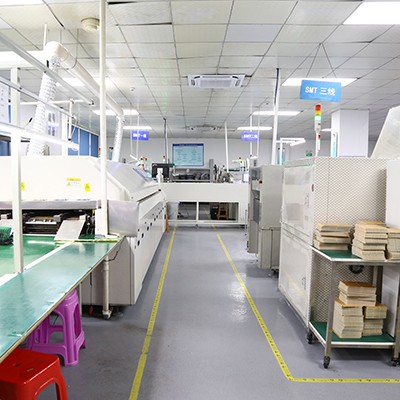
SMT assembly runs on high-speed SMT lines with automatic DIP insertion for through-hole content. The SMT lines are set up for mixed-technology boards, which is why we can take a project from prototype through to volume production on the same line and keep the process parameters comparable between builds.
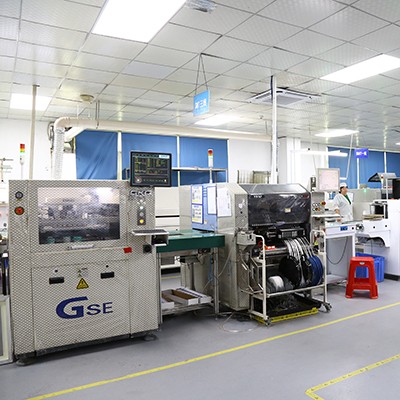
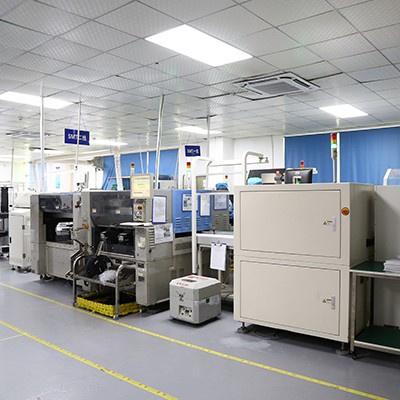
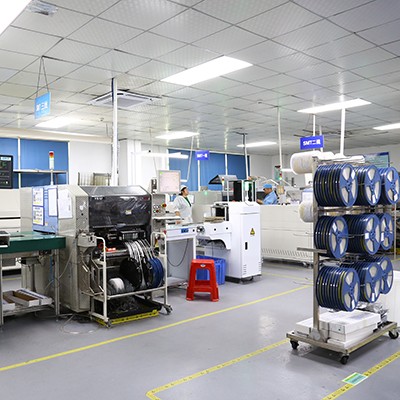
Solder paste printing, placement and reflow are monitored in line, and every profile is recorded against the work order. Component reels are kitted and verified against the BOM before they reach the line, which is where most assembly defects are actually prevented.
Inspection and testing
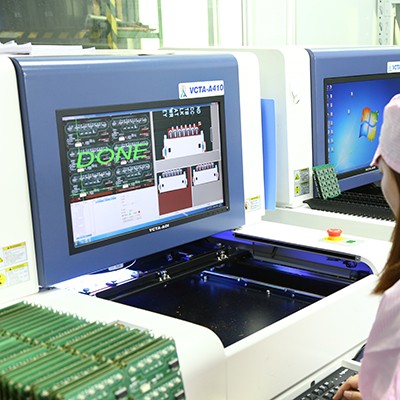
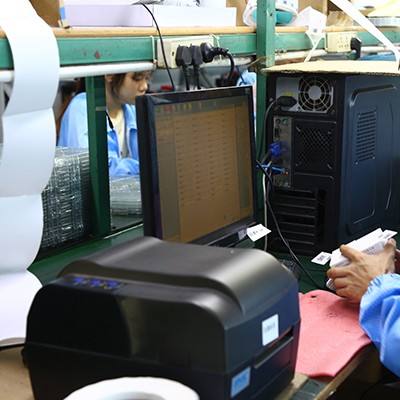
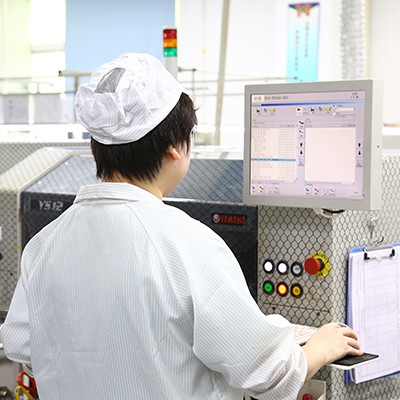
Inspection is built into the line rather than bolted on at the end. Boards pass through automated optical inspection, and BGA and other hidden-joint assemblies go through X-ray. Electrical performance is confirmed with functional test against the customer's own test specification where one is supplied.
| Inspection stage | What it catches | Applied to |
|---|---|---|
| Solder paste inspection | Paste volume and alignment before placement | All SMT builds |
| Automated optical inspection (AOI) | Missing, shifted or reversed components, solder defects | Every board |
| X-ray | Hidden joints under BGA, QFN and through-hole | BGA / high-density assemblies |
| Functional test | Board-level electrical performance | On request, to customer spec |
People and workplace
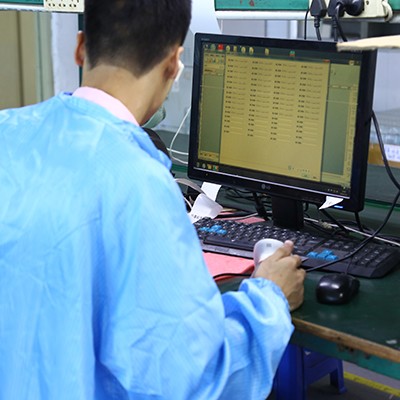
The plant team, including the engineers covering process, test and quality, is described with current figures on the factory capabilities page. Operators work in anti-static clothing in a controlled environment, and inspection staff are trained and certified to IPC-A-610 Class 2 and Class 3 criteria depending on the product class being built.

Environmental and compliance commitments
Kilandu holds ISO 14001:2015 for environmental management alongside ISO 9001:2015, ISO 13485:2016 for medical device work and IATF 16949:2016 for automotive work. In practice that means controlled handling of solder waste and chemical consumables, documented disposal routes, and material declarations that customers can rely on for their own compliance files.
- ISO 14001:2015 environmental management system in place.
- RoHS and REACH compliant materials and declarations available on request.
- IATF 16949:2016, ISO 9001:2015 and ISO 13485:2016 certified quality systems.
- IPC-A-610 Class 2 and Class 3 workmanship standards.
Frequently Asked Questions
What does responsible manufacturing mean at Kilandu?
It means the same production floor, quality system and trained team are used for every order, with environmental controls certified to ISO 14001:2015 and materials that meet RoHS and REACH requirements.
Which environmental certifications does Kilandu hold?
Kilandu holds ISO 14001:2015 for environmental management, alongside ISO 9001:2015, ISO 13485:2016 and IATF 16949:2016 for quality and industry-specific systems.
How is quality inspected on a typical PCBA order?
Boards pass through solder paste inspection, automated optical inspection on every board, X-ray for BGA and hidden joints, and functional test against the customer's specification where one is supplied.
Are RoHS and REACH declarations available for my build?
Yes. RoHS and REACH compliant materials are used as standard and declarations can be provided for your compliance file on request.
Send us your Gerber and BOM
Tell us the board, the volume and the target market, and we will come back with a manufacturing quotation, a lead time and the compliance documentation your market needs.
Request a quotation