

Quick answer
For PCBA buyers, the risk is not simply whether components are available. It is whether the exact part number, grade, approved source and required quantity can be secured in time for production. Reports published in 2026 point to continued pressure on selected high-capacitance MLCCs and other components used in AI servers, automotive electronics and industrial equipment. Conditions vary by manufacturer and part family, so buyers should verify lead times and pricing against current supplier quotations rather than assume that every passive component is affected equally.
The practical step is to review long-lead items before confirming a build schedule. Separate component procurement time from assembly time, identify any approved alternatives, and document who must approve a substitution.
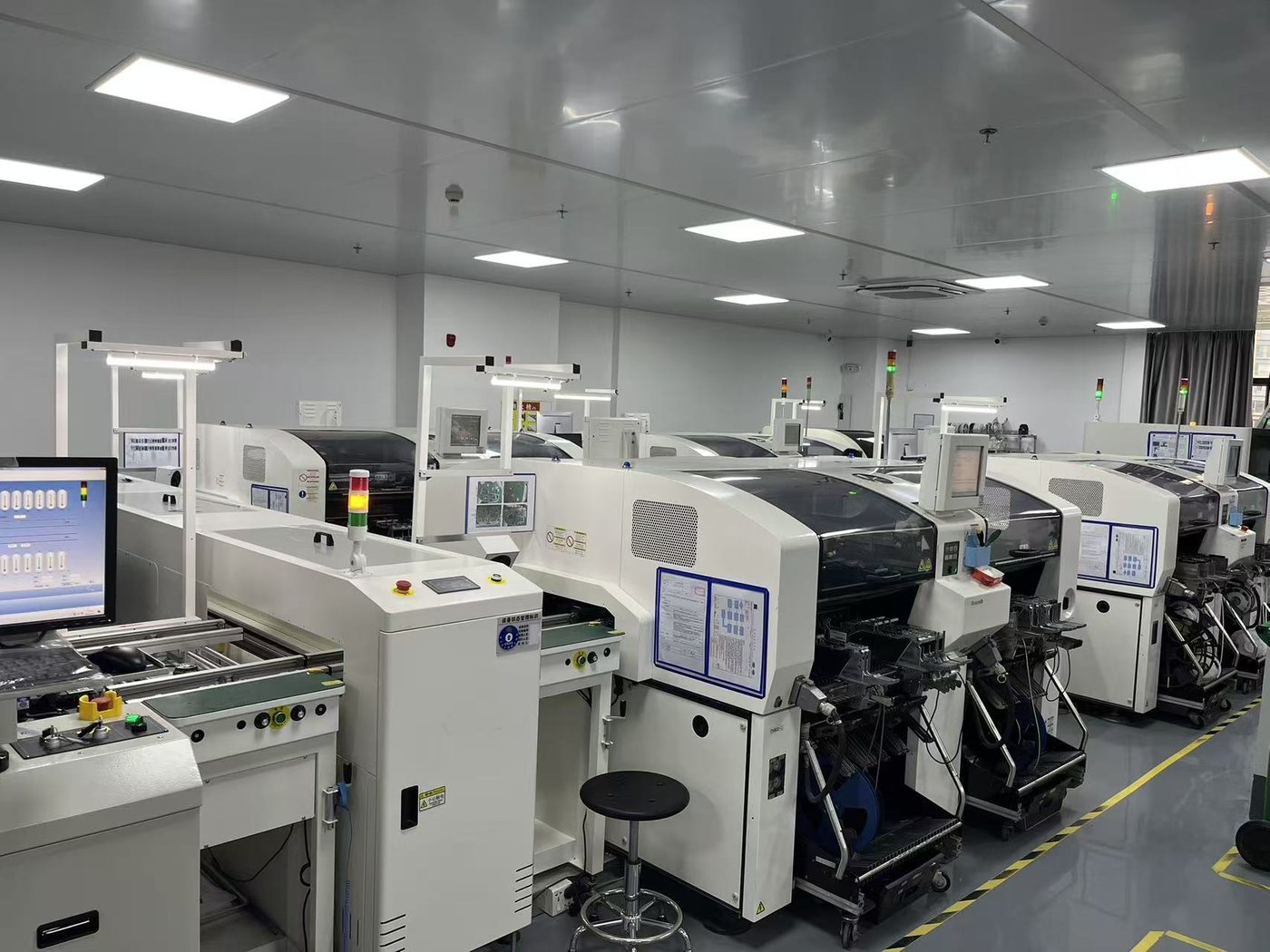
A practical sourcing guide for industrial and automotive electronics
Why the shortage can affect non-AI products
AI servers have increased demand for some high-performance components, but the effects can reach other electronics markets when products rely on overlapping materials, manufacturing capacity or supplier lines. Industrial and automotive boards may be affected when they require specific capacitance values, voltage ratings, temperature characteristics or reliability grades.
That does not mean every MLCC is in short supply. Availability can differ substantially by case size, dielectric, capacitance, voltage rating, qualification requirements, manufacturer and purchasing channel. A broad statement such as "MLCC lead times are rising" is therefore less useful than checking the exact manufacturer part number on the BOM.
Price changes are not uniform
Market reports in 2026 have described selective price increases across parts of the passive-component market. However, the scope and timing of any increase may differ by supplier, product grade, customer contract and distribution channel. Buyers should not apply one reported percentage to an entire BOM.
When reviewing a quotation, ask the supplier to identify which line items have changed, how long the quotation remains valid, whether the price depends on a minimum order quantity, and whether the quoted material is available from an authorized source. Keep reported market trends separate from the price confirmed for your own order.
Why capacity cannot respond immediately
Adding high-end component capacity can require equipment, process qualification, yield improvement and customer approval. Existing production lines may not be interchangeable across all product grades. Even when a manufacturer announces an investment, the additional output may not be available immediately or may be allocated to particular product families.
For buyers, the implication is straightforward: a market forecast is not a delivery commitment. Use current, part-specific lead-time information and obtain written confirmation for components that could determine the production start date.
What PCBA buyers should do
- Freeze the critical specifications early. Confirm the manufacturer part number, capacitance, voltage rating, temperature characteristic, tolerance and any automotive or industrial qualification requirement. Do not treat parts with similar headline specifications as automatically interchangeable.
- Identify long-lead BOM items. Ask the PCBA supplier to flag parts that could affect the planned build date and explain the source and date of the lead-time information.
- Distinguish ordered material from allocated material. A purchase order, a distributor estimate and physically allocated stock are not the same thing. Ask what evidence supports the proposed delivery date.
- Agree on substitution approval in advance. Any alternative should be checked against electrical, mechanical, thermal, reliability and compliance requirements. The customer should approve substitutions in writing before the supplier uses them.
- Clarify quotation and price validity. Record the validity period, currency, MOQ, excess-material assumptions and the conditions under which a price may change.
- Plan for qualification time. A newly approved component may require engineering review, sample builds, first-article inspection or additional testing. Include this work in the schedule instead of counting only the component supplier’s quoted lead time.
- Separate material lead time from assembly lead time. A PCBA factory can manage procurement and manufacturing processes, but it cannot guarantee an upstream component’s availability unless that availability has been confirmed under the agreed purchasing terms.
How Kilandu approaches lead-time planning
Kilandu provides PCBA assembly and BOM procurement as part of its turnkey service. For project planning, component procurement lead time should be considered separately from the time needed to assemble the boards. The production schedule depends on the BOM, component availability, any customer-approved substitutions, testing requirements and the agreed build quantity.
Kilandu’s stated planning ranges are 5–8 working days for prototypes, 2–5 weeks for mass production and 2–3 weeks for repeat orders, measured from confirmed material availability. These are planning ranges, not a promise that every project will meet the same schedule. The actual lead time should be confirmed for each project after reviewing its BOM, quantity, testing and coating requirements, and material status.
Before releasing a production order, customers should confirm which components have been secured, which remain outstanding, and whether any change requires written approval. This helps keep the production plan transparent and reduces avoidable surprises.
Further detail on our planning ranges and what they exclude is set out in PCBA MOQ and lead time, and our production capability is described on the factory capabilities page.
Questions buyers should ask a PCBA supplier
Is my industrial or automotive MLCC affected?
Do not rely on the component category alone. Check the exact part number, grade, quantity and required delivery date with the supplier.
What does the quoted lead time mean?
Ask whether it is a current manufacturer estimate, a distributor estimate, a confirmed allocation or stock physically available for your order.
Can the PCBA supplier protect my schedule?
A supplier can help by identifying risks early, purchasing against agreed terms, monitoring outstanding items and obtaining written approval for substitutions. It cannot eliminate every upstream supply risk.
When does the assembly lead time start?
Confirm whether the clock starts at purchase-order receipt, engineering approval, material availability or another agreed milestone.
What happens if a component becomes unavailable?
Agree on a notification process, alternative-part review, customer approval and schedule update before production begins.
Sources and editorial note
This article discusses a changing market, so all time-sensitive figures and supplier-specific claims should be checked against the original manufacturer announcements or the original research provider immediately before publication. Secondary reporting can provide context, but it should not be the sole evidence for precise price changes, utilization rates, investment amounts or lead-time figures.
Recommended source hierarchy: manufacturer notices and investor disclosures; original reports from recognized supply-chain research firms; then reputable industry reporting that clearly identifies its primary source. Add a direct link and publication date for every material numerical claim. If a claim cannot be independently verified, omit the number or describe it explicitly as an unverified third-party report.
-
Passive Component Lead Times: What PCBA Buyers Should Check Before 2027
-

A warm welcome to Mr. Jason Connor and Mr. David from Luxembourg for their guidance!
-

The PCBA Industry at the Start of 2026: AI Drives Market Surge, Intelligent Manufacturing and Material Upgrades Become the Main Themes
-

Connecting Infinite Possibilities | Bao'an District New Union 'Ignite Learning' Class (including our Shenzhen Jintianlei Innovation Technology Co., Ltd.) visited Biz Link to discuss new development op
-
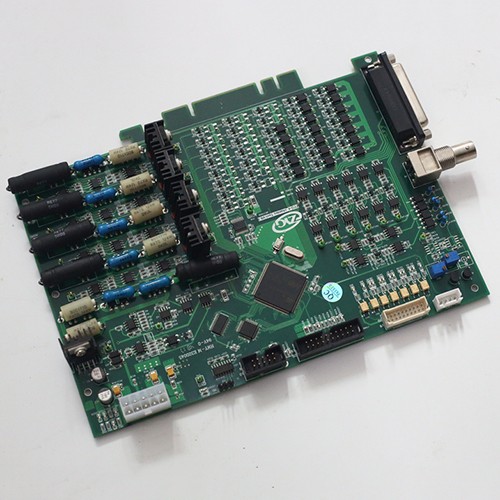
The core process of PCBA product customization
-
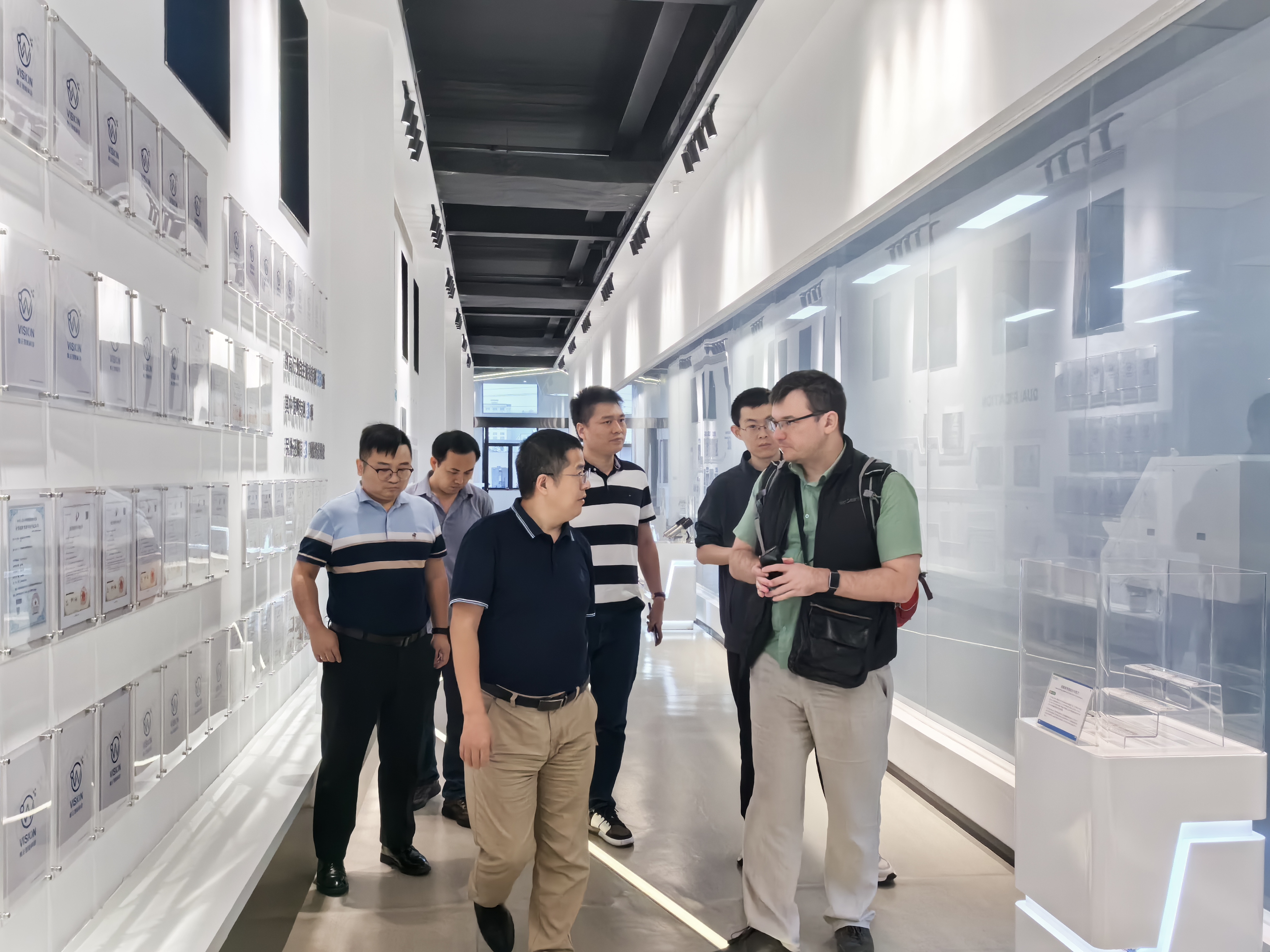
Welcome customers to visit our branch companies for factory inspection and guidance
-
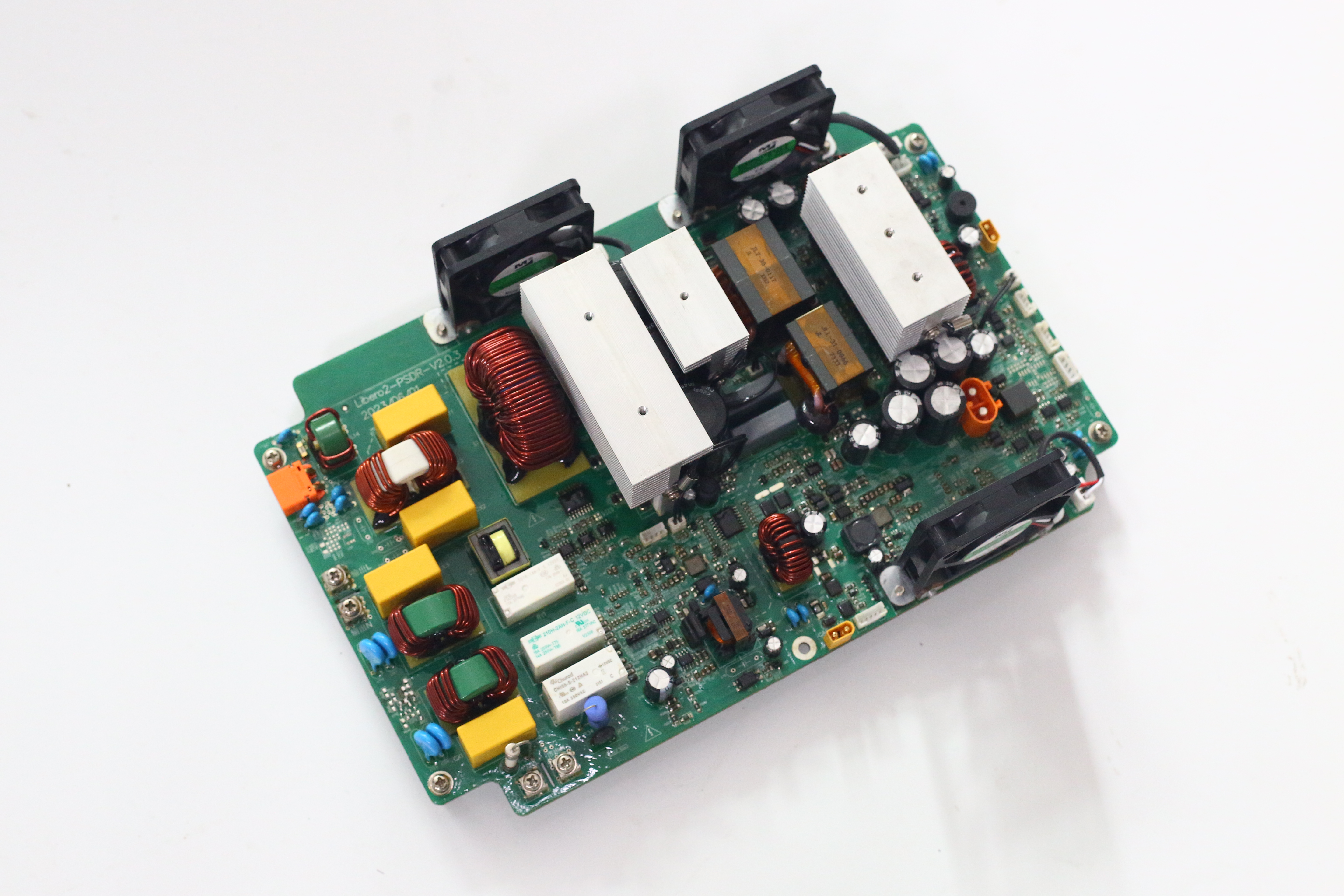
ExpeElectronica2024 in Munich, Germany
-
PCBA industry global prospects
-
Connecting Infinite Possibilities | Bao'an District New Union 'Ignite Learning' Class (including our Shenzhen Jintianlei Innovation Technology Co., Ltd.) visited Biz Link to discuss new development op
-
Explore the future trends of the PCBA industry! How can you make your production line more efficient with the help of intelligent technology?