

High TG PCB refers to boards built on laminate with a higher glass transition temperature than standard FR-4. In practice this means the board resists deformation and maintains its electrical properties at temperatures where ordinary laminate begins to soften, which matters both during assembly and during the life of the product.
When High TG material is the right choice
- Lead-free reflow of thick or high-layer-count boards, where heat soak is greater.
- Products that run continuously at elevated temperature, such as power conversion equipment.
- Automotive and industrial designs that see repeated thermal cycling.
- Boards with high copper weight, where the thermal mass increases the strain on the laminate.
Kilandu High TG PCB capability
We fabricate and assemble High TG boards with multi-layer stack-ups, heavy copper and controlled impedance where the design requires it. Assembly runs on high-speed SMT lines and automatic DIP lines, with SPI before placement, AOI on every board and X-ray for BGA and hidden joints. Materials and processes are RoHS and REACH compliant, and assembly is carried out to IPC-A-610 Class 2 and Class 3 criteria under an IATF 16949 certified quality system.
What the glass transition temperature actually changes
Below its Tg a laminate behaves as a stiff, dimensionally stable material. Above it, the resin softens, the coefficient of thermal expansion rises sharply and the board starts to expand at a different rate from the copper it carries. Standard FR-4 sits near 130 to 140 degrees Celsius, which is uncomfortably close to the peak a lead-free reflow profile reaches. High TG laminate typically sits well above that band, so the board stays in its stable regime through assembly rather than passing through the transition.
The consequence is easier to see than to predict. Boards that exceed Tg during reflow can show measling, delamination or cracked plated barrels, and the damage often passes electrical test and only appears later as an intermittent open. Choosing the material by the process rather than by habit removes that whole class of failure.
Choosing the right grade
Higher Tg is not automatically better; it usually comes with a higher price and a different drilling and lamination window. The sensible approach is to size the grade against the actual thermal exposure: the number of reflow passes, the maximum board temperature in the application, copper weight and layer count. Where the application also involves continuous high temperature or repeated cycling, matching Tg with a low-CTE laminate and a suitable decomposition temperature is worth more than pushing Tg up alone.
Previous:没有了
-
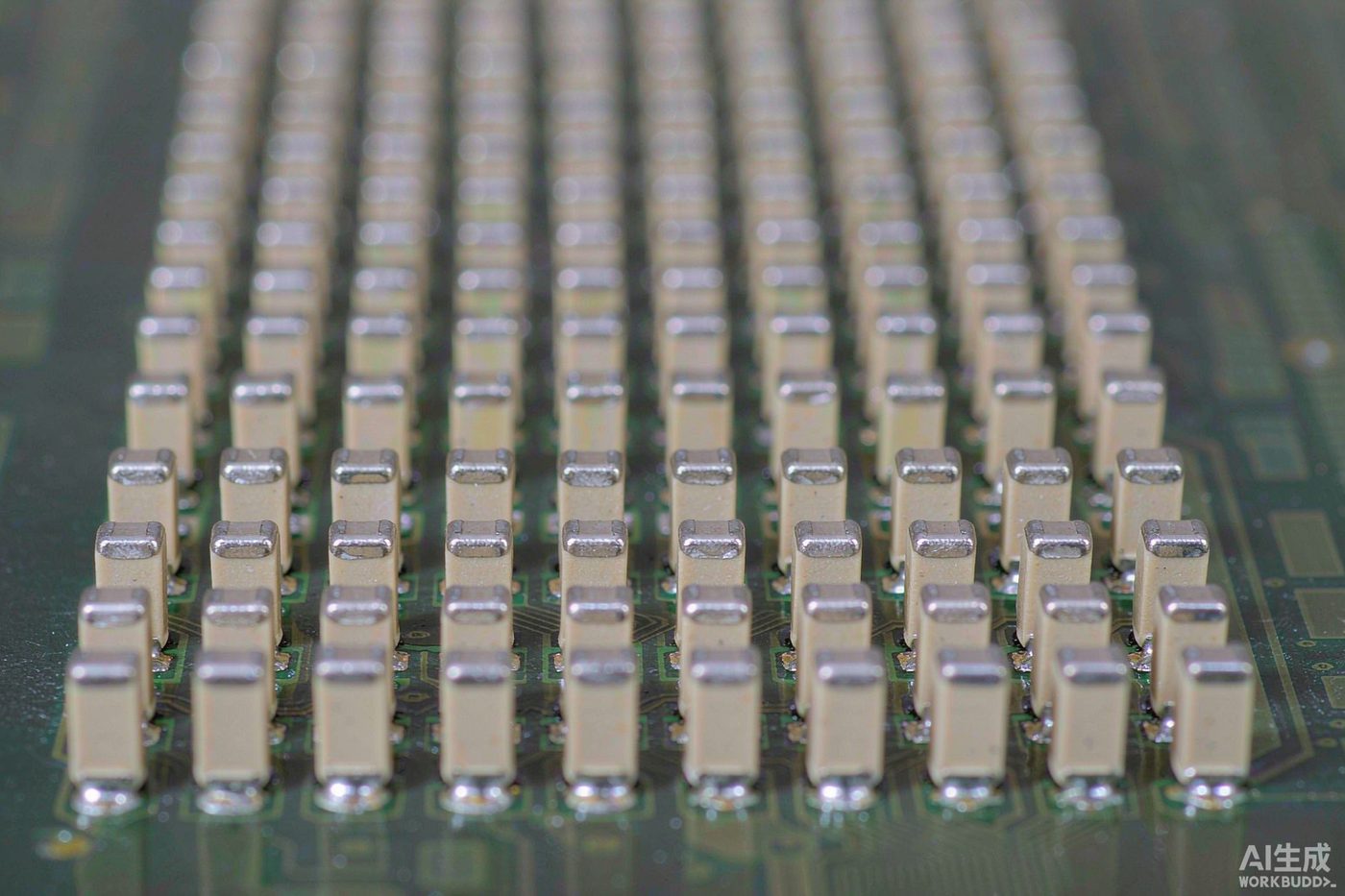
Passive Component Lead Times Are Rewriting PCBA Sourcing Decisions in 2026
-

A warm welcome to Mr. Jason Connor and Mr. David from Luxembourg for their guidance!
-

The PCBA Industry at the Start of 2026: AI Drives Market Surge, Intelligent Manufacturing and Material Upgrades Become the Main Themes
-

Connecting Infinite Possibilities | Bao'an District New Union 'Ignite Learning' Class (including our Shenzhen Jintianlei Innovation Technology Co., Ltd.) visited Biz Link to discuss new development op
-
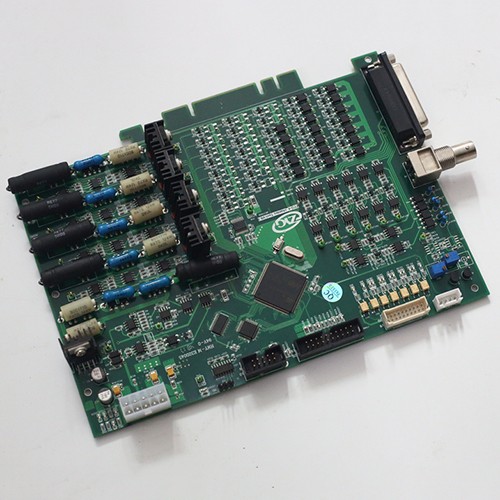
The core process of PCBA product customization
-
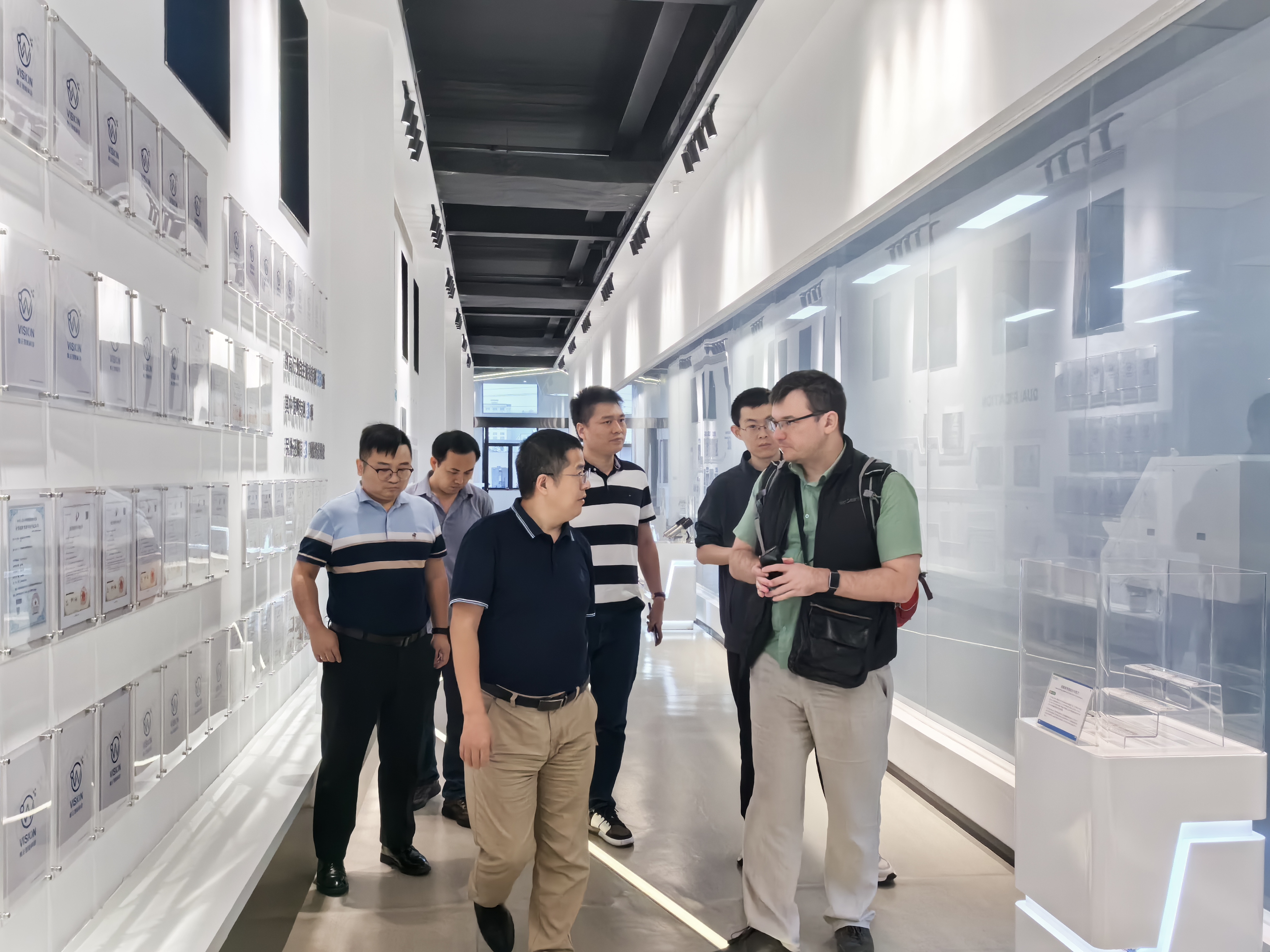
Welcome customers to visit our branch companies for factory inspection and guidance
-
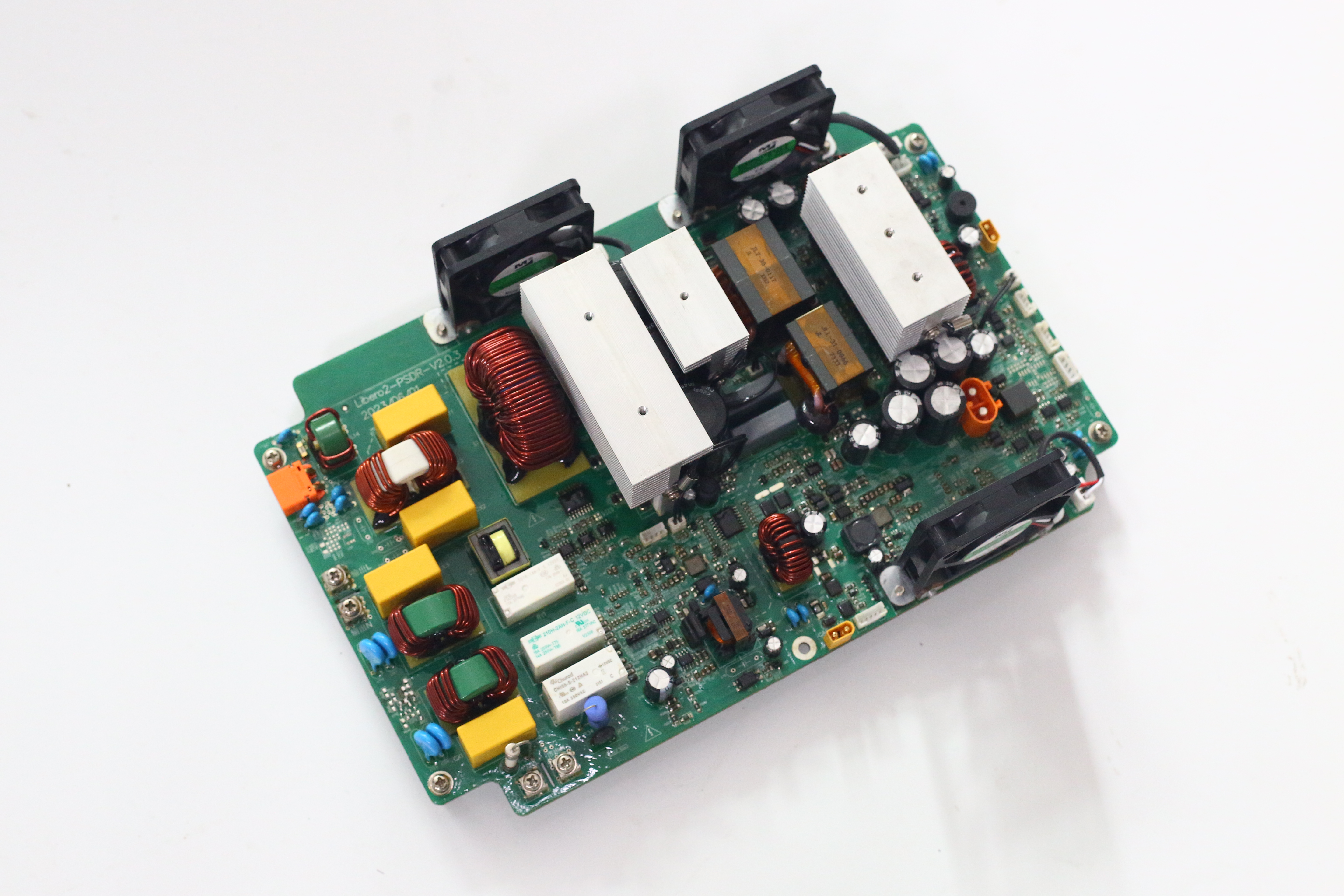
ExpeElectronica2024 in Munich, Germany
-
PCBA industry global prospects
-
Connecting Infinite Possibilities | Bao'an District New Union 'Ignite Learning' Class (including our Shenzhen Jintianlei Innovation Technology Co., Ltd.) visited Biz Link to discuss new development op
-
Explore the future trends of the PCBA industry! How can you make your production line more efficient with the help of intelligent technology?