

Program burning, also called device programming or flashing, is the step that loads firmware into a microcontroller, memory device or programmable logic part before the product ships. It can be carried out as a separate offline operation before assembly or in circuit after the board is built, and the choice affects both the process flow and the tooling required.
Preparation stage
- Confirm the exact chip model, package and programming interface: SWD, JTAG, UART, SPI or a manufacturer-specific protocol.
- Select the programming tool that matches the device family.
- Obtain the firmware, confirm the version, and verify the file against a checksum before loading.
- Agree the option bytes or configuration settings, including security and lock-bit behaviour.
In-circuit or offline programming
Offline programming loads the device before it is placed on the board. It is efficient for high volume, keeps programming time off the assembly line, and makes it easy to verify every device. In-circuit programming writes through a test pad header or a connector after assembly, which avoids handling loose devices and guarantees that the programmed part is the one fitted - but it requires the board to provide access, and it consumes line time in proportion to the volume.
Verification and traceability
Programming is only complete once the result has been read back. The usual practice is to verify the written image against the source by checksum, and to record which firmware version was loaded on which board. Where the product carries a serial number or a MAC address, that value is written and logged so the record ties a specific unit to a specific configuration. Security settings are confirmed at the same step, because a device that is left unlocked or locked by mistake cannot be corrected by reflashing.
How Kilandu handles it
Kilandu (Shenzhen Jintianlei Innovation Technology Co., Ltd.) can program devices in production, offline or in circuit, and verifies each load against the checksum supplied with the firmware. Assembly runs on high-speed SMT and automatic DIP lines in Baoan District, Shenzhen; the equipment list is on the factory capabilities page and the certificate list on the quality assurance page. Typical turnkey lead time is 2 to 5 weeks.
-
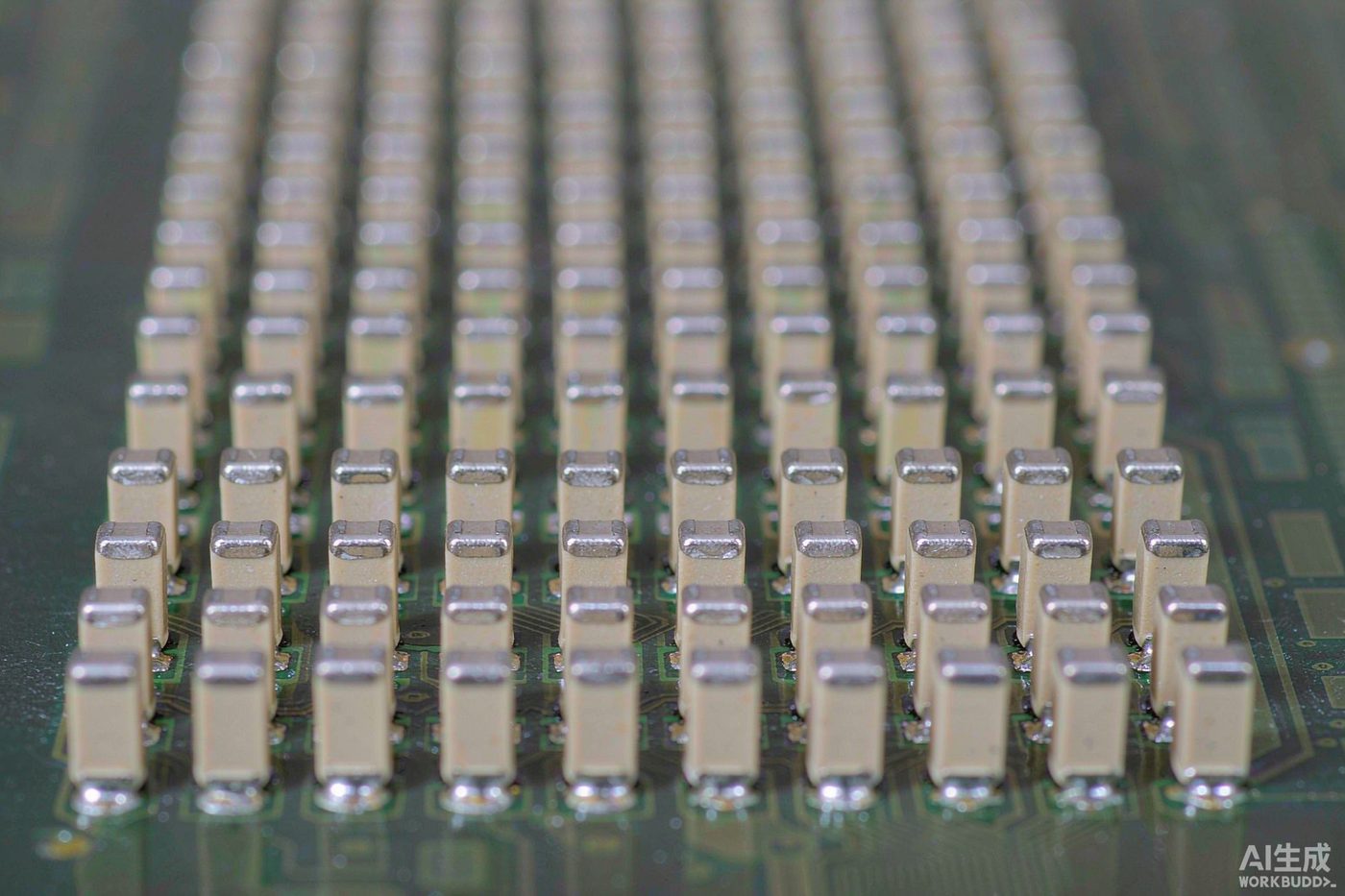
Passive Component Lead Times Are Rewriting PCBA Sourcing Decisions in 2026
-

A warm welcome to Mr. Jason Connor and Mr. David from Luxembourg for their guidance!
-

The PCBA Industry at the Start of 2026: AI Drives Market Surge, Intelligent Manufacturing and Material Upgrades Become the Main Themes
-
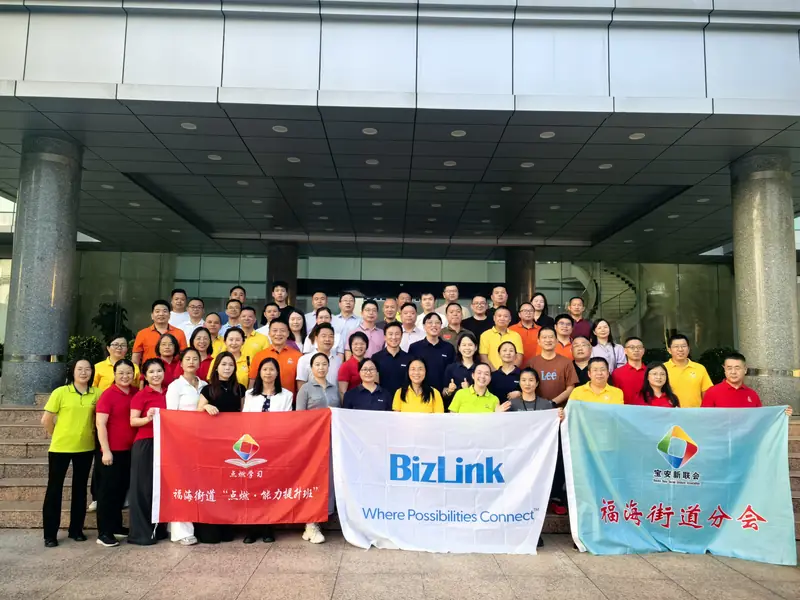
Connecting Infinite Possibilities | Bao'an District New Union 'Ignite Learning' Class (including our Shenzhen Jintianlei Innovation Technology Co., Ltd.) visited Biz Link to discuss new development op
-
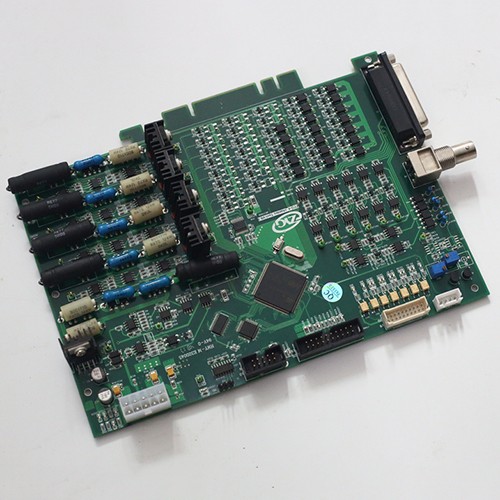
The core process of PCBA product customization
-
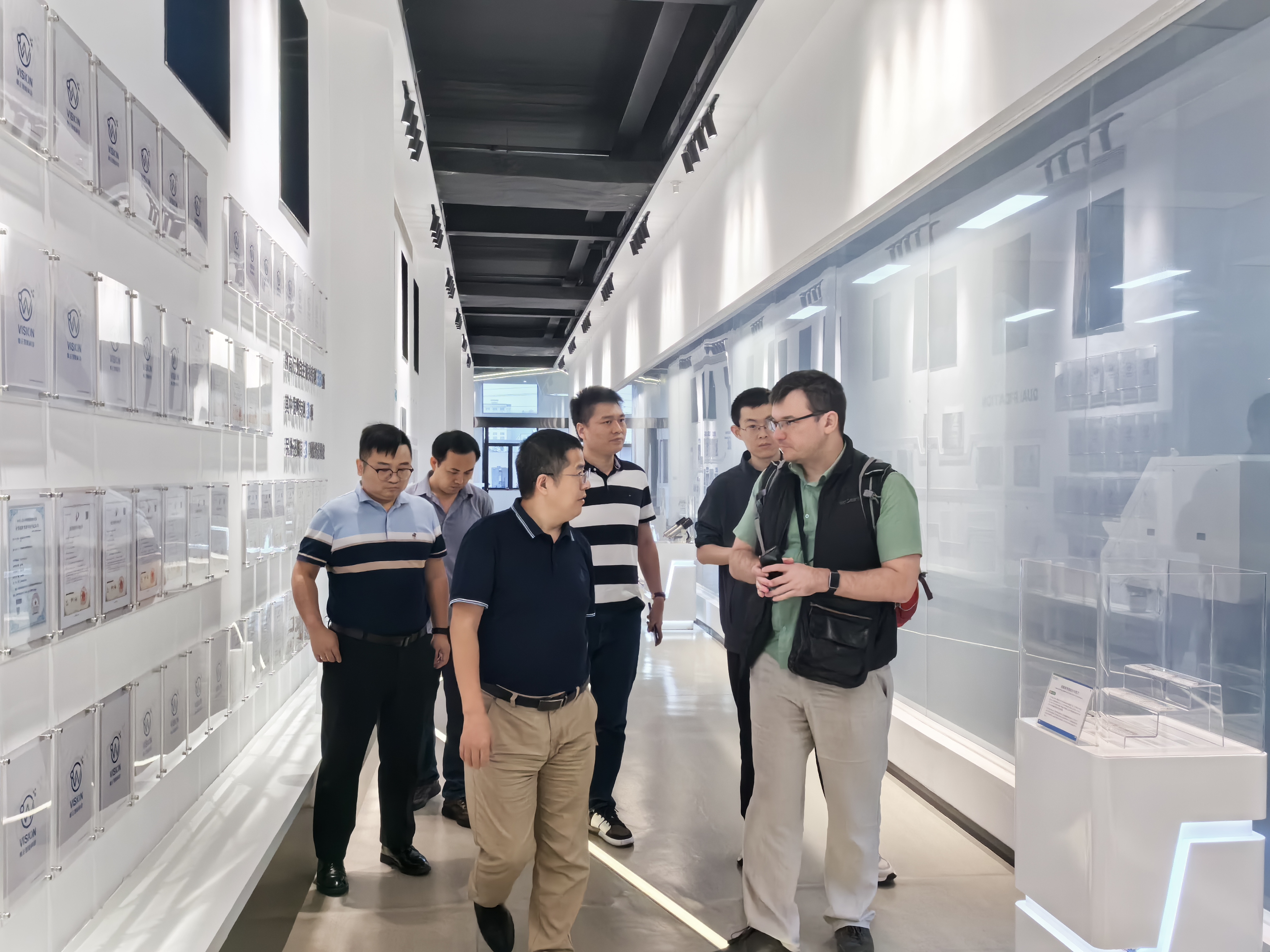
Welcome customers to visit our branch companies for factory inspection and guidance
-
ExpeElectronica2024 in Munich, Germany
-
PCBA industry global prospects
-
Connecting Infinite Possibilities | Bao'an District New Union 'Ignite Learning' Class (including our Shenzhen Jintianlei Innovation Technology Co., Ltd.) visited Biz Link to discuss new development op
-
Explore the future trends of the PCBA industry! How can you make your production line more efficient with the help of intelligent technology?