

3C certification, formally China Compulsory Certification, is a product-level requirement rather than a printed circuit board requirement. A bare board or a bare assembly is not itself certified, but the finished product it goes into may need to be, and the board has to be designed and built in a way that makes that certification achievable.
When 3C applies to a product containing a PCBA
The catalogue covers a defined list of product categories, and the ones most often relevant to electronics manufacturers are power supplies and adapters, information technology equipment, lighting products including LED drivers, and certain wireless and automotive products. A control board inside an industrial machine may fall outside the list entirely, while the same board inside a mains-powered consumer product may not. The first practical step is therefore to determine whether the finished product is in scope, not whether the board is.
The application process
- Application submitted with business licence, bill of materials, product specification and existing test reports.
- Type testing: electrical safety, EMC, and environmental or reliability testing as applicable to the category.
- Factory inspection, which checks that the quality management system actually supports consistent production of the certified product.
- Certificate issued once testing and inspection are passed, valid for five years.
Where the PCBA matters
Although the certificate belongs to the finished product, most of the evidence comes from the board. Safety testing depends on creepage and clearance distances, insulation and the rating of protective components. EMC performance depends on filtering, grounding and layout. The declaration of conformity depends on component composition, so material declarations and RoHS and REACH statements from the assembler feed directly into the submission. A board that was designed without those constraints frequently has to be re-spun before certification can proceed.
Keeping certification valid
Certification is maintained through periodic supervision, and a change of component, material or manufacturing location can require re-testing. Kilandu (Shenzhen Jintianlei Innovation Technology Co., Ltd.) builds to IPC-A-610 Class 2 and Class 3 acceptance criteria with lead-free, RoHS and REACH compliant materials and retains lot-level production records, and works under IATF 16949:2016, ISO 9001:2015, ISO 13485:2016 and ISO 14001:2015 certified systems. Material declarations and compliance statements are available on request to support a customer's own certification submission.
Previous:Precautions for PCBA post-soldering
-
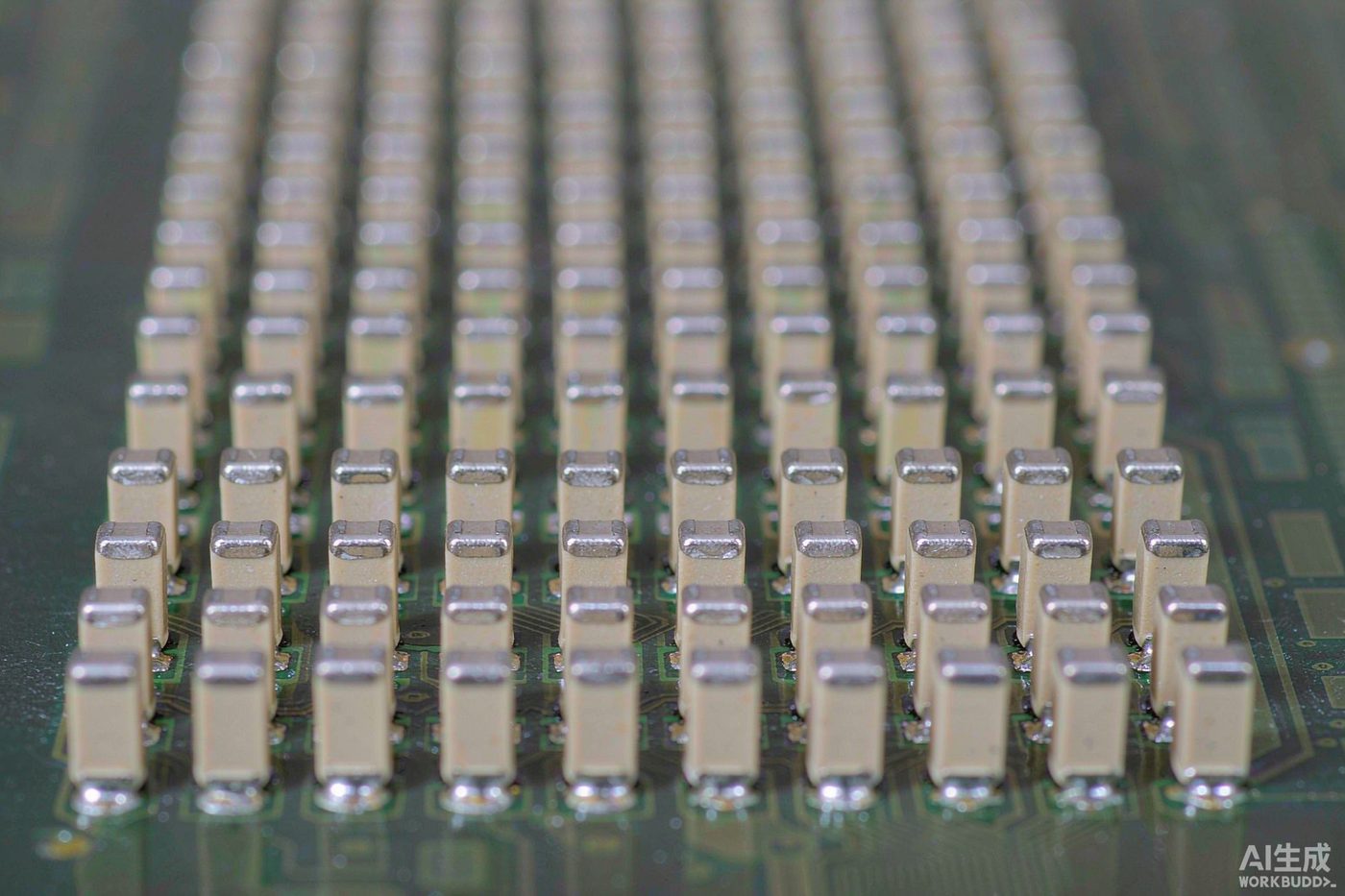
Passive Component Lead Times Are Rewriting PCBA Sourcing Decisions in 2026
-

A warm welcome to Mr. Jason Connor and Mr. David from Luxembourg for their guidance!
-

The PCBA Industry at the Start of 2026: AI Drives Market Surge, Intelligent Manufacturing and Material Upgrades Become the Main Themes
-
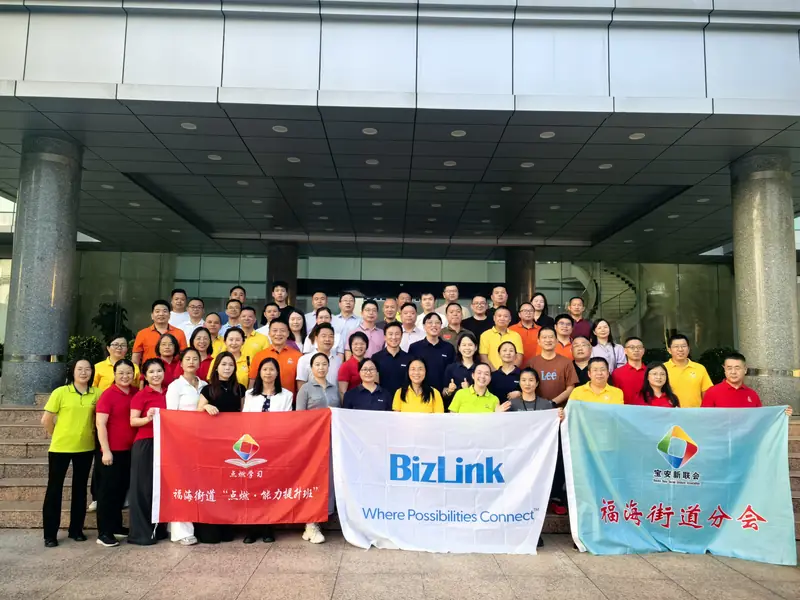
Connecting Infinite Possibilities | Bao'an District New Union 'Ignite Learning' Class (including our Shenzhen Jintianlei Innovation Technology Co., Ltd.) visited Biz Link to discuss new development op
-
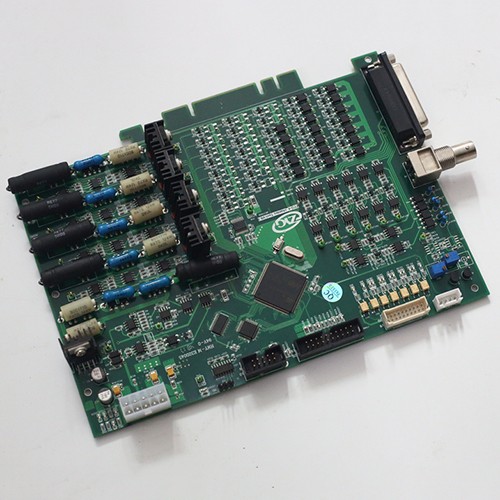
The core process of PCBA product customization
-
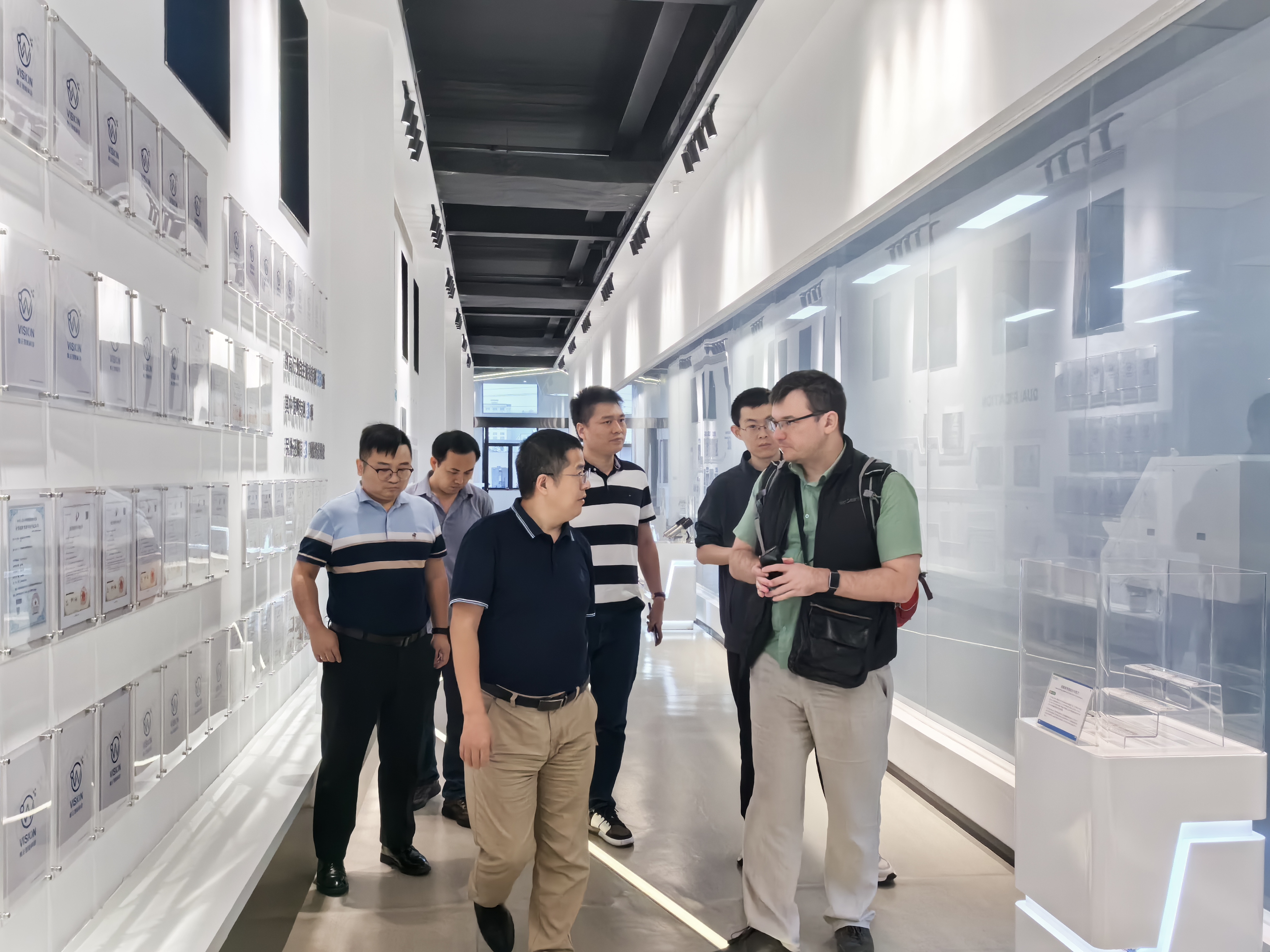
Welcome customers to visit our branch companies for factory inspection and guidance
-
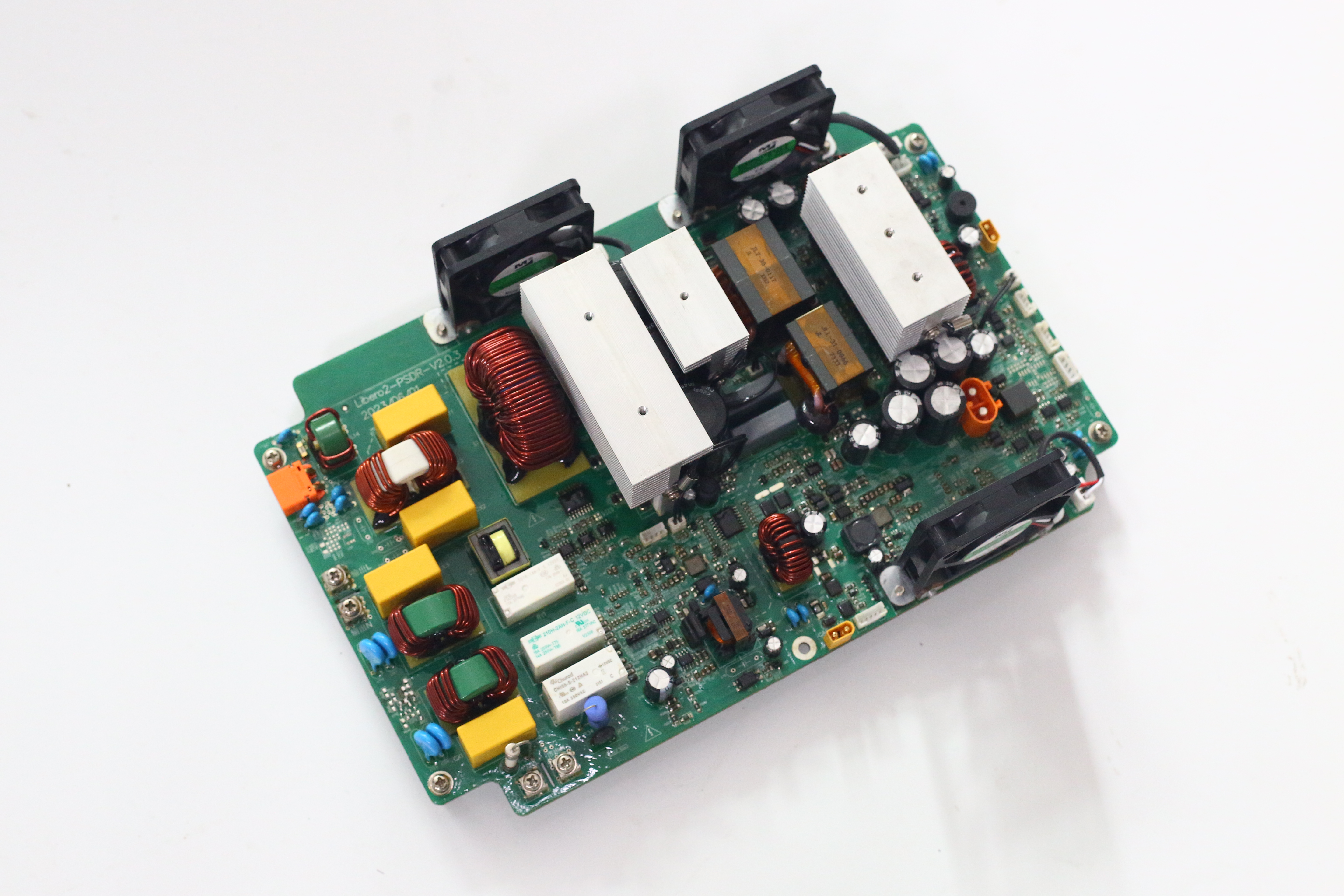
ExpeElectronica2024 in Munich, Germany
-
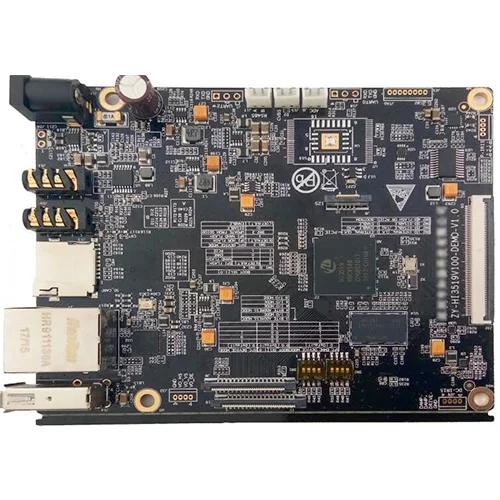
PCBA industry global prospects
-
Connecting Infinite Possibilities | Bao'an District New Union 'Ignite Learning' Class (including our Shenzhen Jintianlei Innovation Technology Co., Ltd.) visited Biz Link to discuss new development op
-
Explore the future trends of the PCBA industry! How can you make your production line more efficient with the help of intelligent technology?