

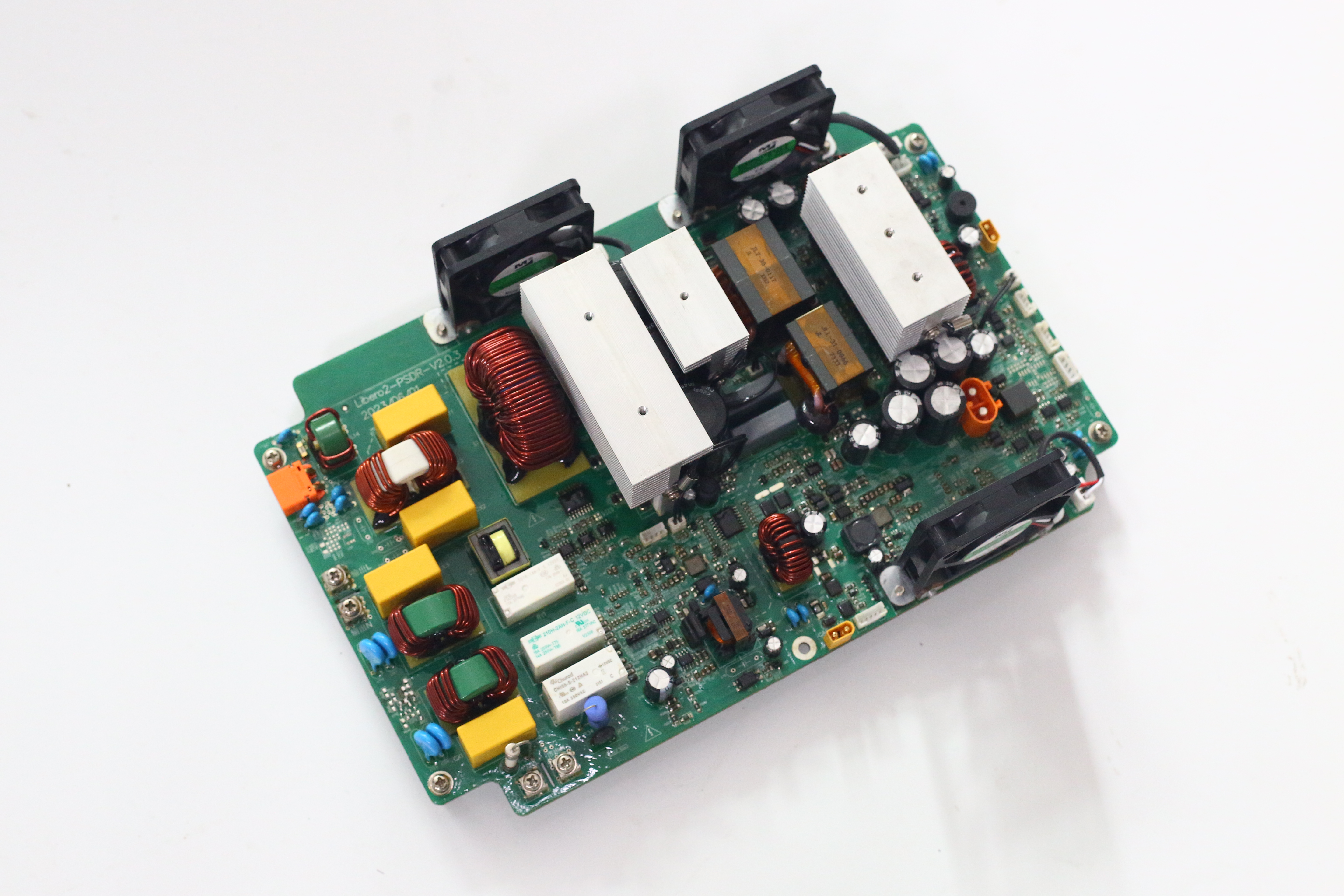
A special lighting power drive system is the board that converts an available supply into the current a particular lamp or luminaire needs, and keeps that current stable as the lamp warms, as the supply varies and as the ambient temperature moves. LED lighting, horticultural luminaires, architectural fixtures and UV curing systems all fall into this category, and each has its own constraint on drive current, dimming method and thermal design.
What the board typically includes
- A switching converter stage sized for the output current and the input range.
- Current-sense and feedback circuitry that holds regulation across the operating window.
- Protection against open circuit, short circuit, over-temperature and input transients.
- A dimming interface such as 0-10 V, PWM, DALI or a wired control bus where the application needs it.
Why thermal design decides the rating
A constant-current driver dissipates a substantial share of the power it handles, and it does so in a housing that is frequently sealed against dust and moisture. The achievable output current is therefore set by the thermal path rather than by the silicon: thermal vias under the switching device, copper area on both sides of the board, and a defined contact to an aluminium housing or heat spreader. A driver that meets its rating on an open bench and derates once enclosed has usually been designed without that path being fixed in the layout.
Manufacturing and test at Kilandu
Kilandu builds lighting driver boards as turnkey PCBA in Baoan District, Shenzhen: component sourcing, multi-layer fabrication, SMT assembly on high-speed SMT lines and automatic DIP lines for through-hole magnetics and connectors, 3D solder paste inspection before placement and AOI afterwards. X-ray covers BGA and other hidden joints, and functional test can be carried out to your specification, including load testing at rated current. Materials are RoHS and REACH compliant and production records are retained per lot.
Assembly follows IPC-A-610 Class 2 and Class 3 acceptance criteria, and typical turnkey lead time is 2 to 5 weeks depending on BOM complexity and component availability.
Previous:没有了
-
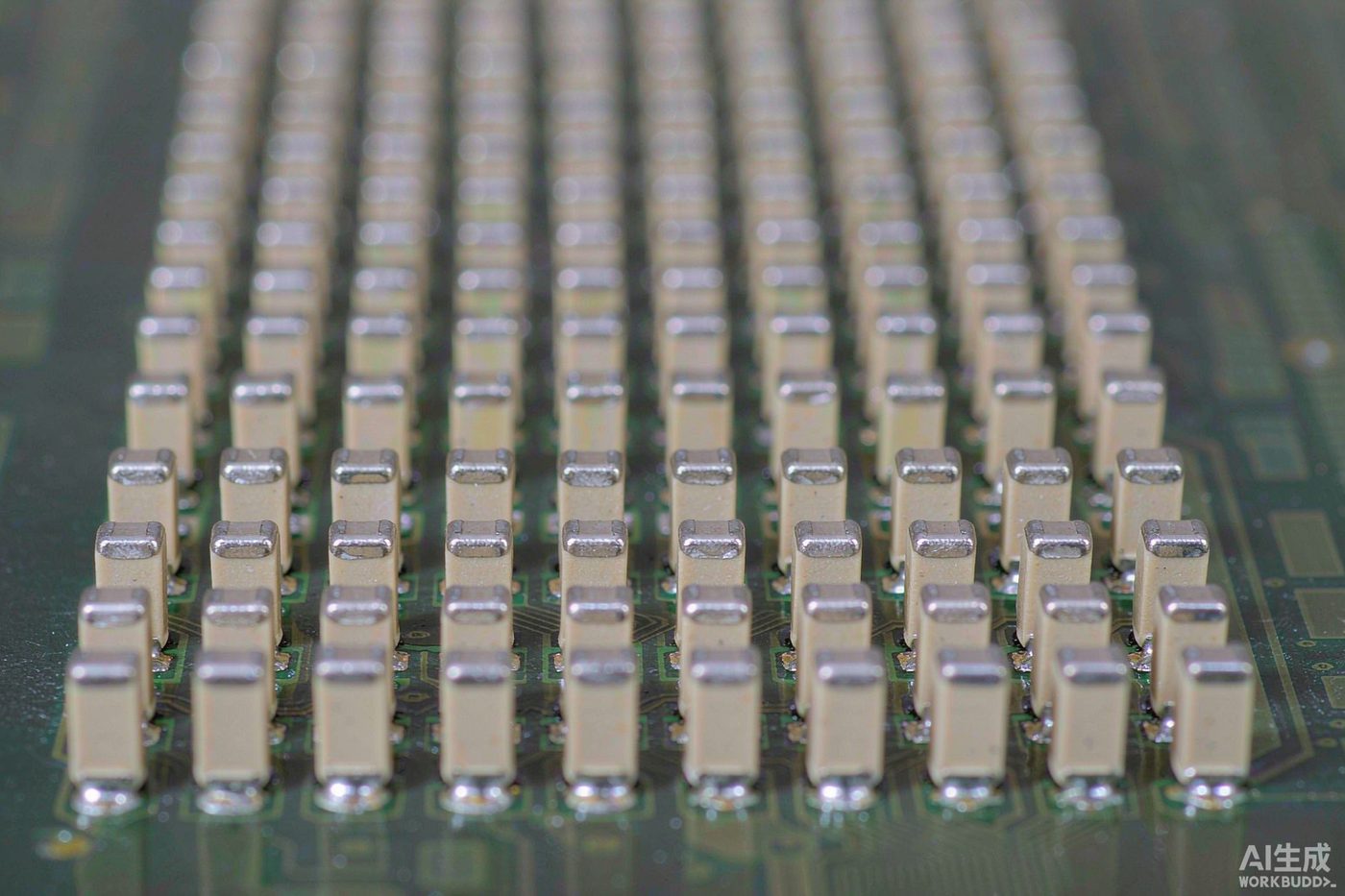
Passive Component Lead Times Are Rewriting PCBA Sourcing Decisions in 2026
-

A warm welcome to Mr. Jason Connor and Mr. David from Luxembourg for their guidance!
-

The PCBA Industry at the Start of 2026: AI Drives Market Surge, Intelligent Manufacturing and Material Upgrades Become the Main Themes
-
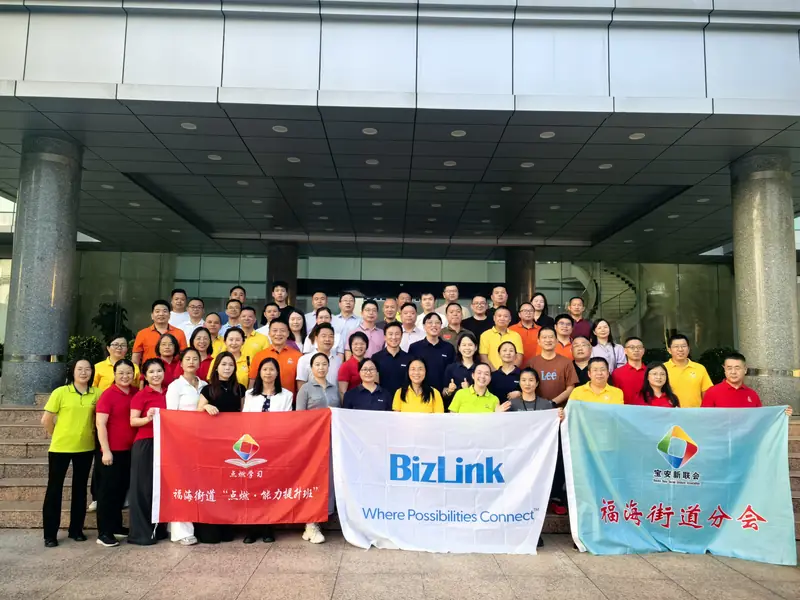
Connecting Infinite Possibilities | Bao'an District New Union 'Ignite Learning' Class (including our Shenzhen Jintianlei Innovation Technology Co., Ltd.) visited Biz Link to discuss new development op
-
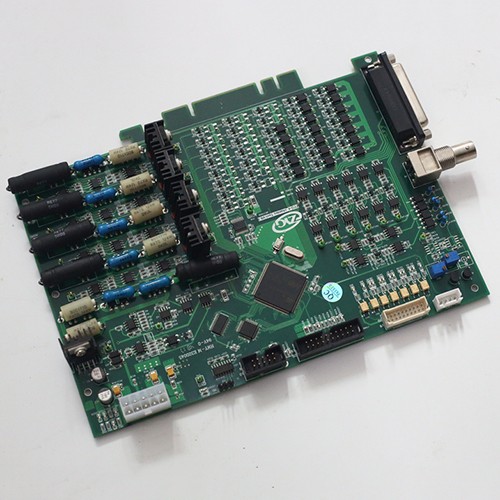
The core process of PCBA product customization
-
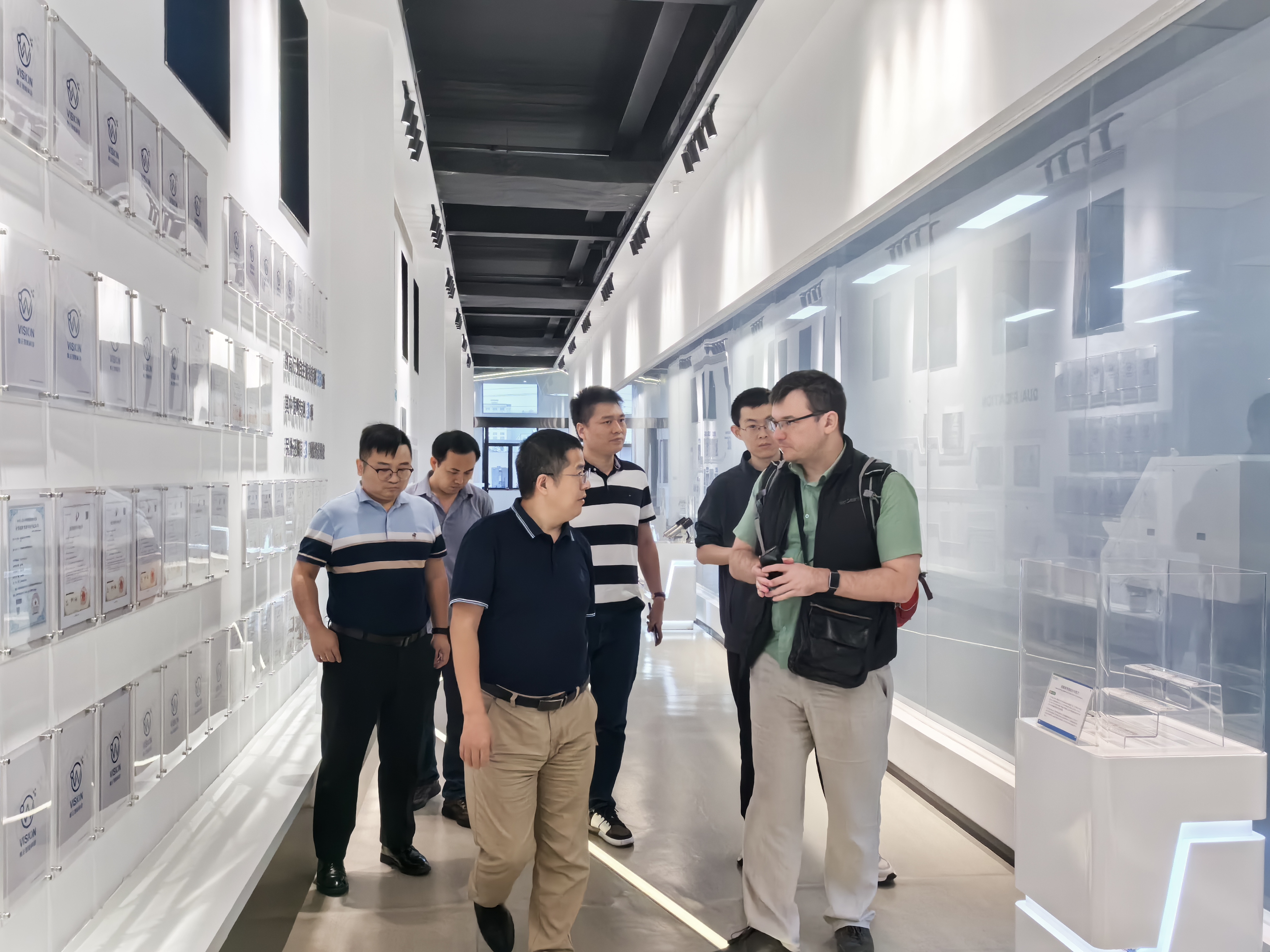
Welcome customers to visit our branch companies for factory inspection and guidance
-
ExpeElectronica2024 in Munich, Germany
-
PCBA industry global prospects
-
Connecting Infinite Possibilities | Bao'an District New Union 'Ignite Learning' Class (including our Shenzhen Jintianlei Innovation Technology Co., Ltd.) visited Biz Link to discuss new development op
-
Explore the future trends of the PCBA industry! How can you make your production line more efficient with the help of intelligent technology?