
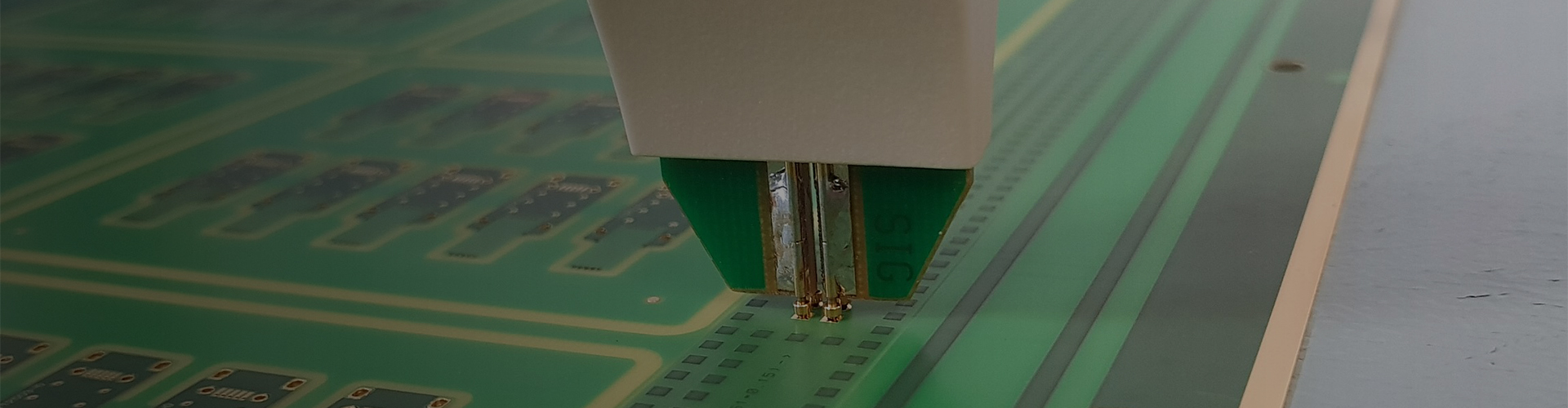
Whether a PCBA build will meet the standards a buyer is held to, and keep working for years rather than months, is a fair question to ask before placing volume production. The honest answer is that it depends on which standards were specified, how the supplier proves compliance, and whether the manufacturing process is under enough control to reproduce the result next year as well as this one.
Which standards actually apply to an assembly
For a general industrial board the acceptance document is normally IPC-A-610, with Class 2 for dedicated service electronics and Class 3 for high-reliability applications where uninterrupted service is essential. IPC J-STD-001 governs the process side. Automotive programmes add IATF 16949:2016 on top, medical products add ISO 13485:2016, and material compliance is covered by RoHS and REACH. A supplier should be able to say which of these it holds, with certificate numbers and validity dates, rather than describing a general commitment to quality.
How compliance is proved rather than asserted
Proof comes from three places. First, incoming material control: components checked against the bill of materials and the approved-vendor list before they enter the line. Second, in-process inspection: solder paste volume verified with 3D SPI before placement, automated optical inspection after reflow, and X-ray where BGA or other joints are hidden. Third, outgoing records: lot-level traceability that ties the finished assembly back to the component lots, the reflow profile and the test result.
Long-term reliability
Longevity is mostly decided by things that never appear on the final inspection sheet. Moisture sensitive packages handled outside their floor-life window will crack during reflow and fail later. Boards that exceed the glass transition temperature of their laminate during assembly can pass electrical test and open up in the field. Electrostatic discharge damage can leave a marginal device that works today and drifts out of specification next month. Control of those three variables is what separates a supplier that can meet a long-term requirement from one that can meet a one-off order.
What to ask any supplier
The questions that separate a supplier who can meet a long-term requirement from one who can meet a single order are specific: which acceptance class the work is inspected to, how moisture-sensitive parts are tracked against floor life, what control exists over the reflow profile, and how a lot is traced back to its material. Ask for the answer as a record rather than as an assurance. The standards that govern this work, and what each one actually covers, are set out on the quality assurance page.
Previous:没有了
-
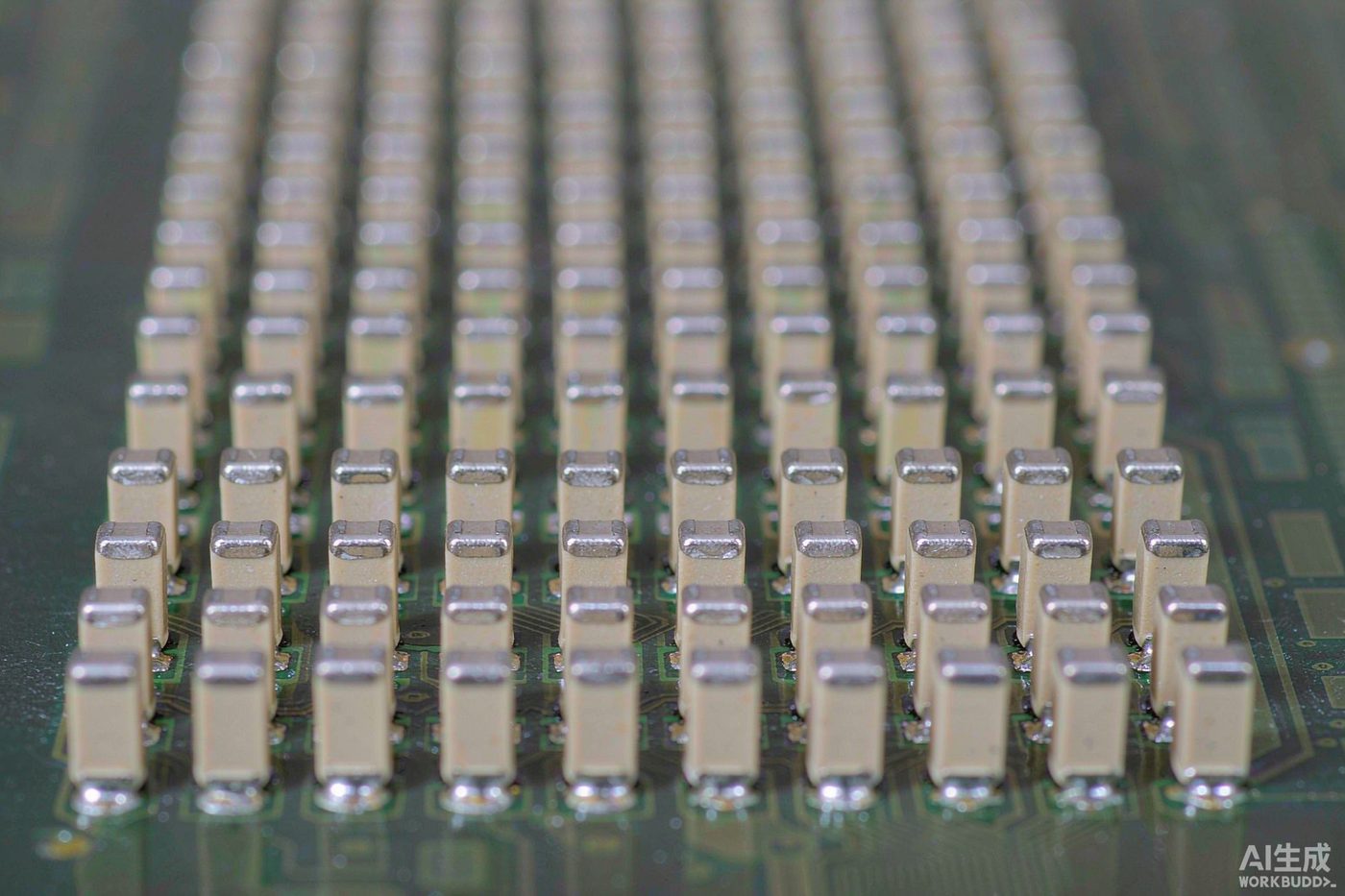
Passive Component Lead Times Are Rewriting PCBA Sourcing Decisions in 2026
-

A warm welcome to Mr. Jason Connor and Mr. David from Luxembourg for their guidance!
-

The PCBA Industry at the Start of 2026: AI Drives Market Surge, Intelligent Manufacturing and Material Upgrades Become the Main Themes
-
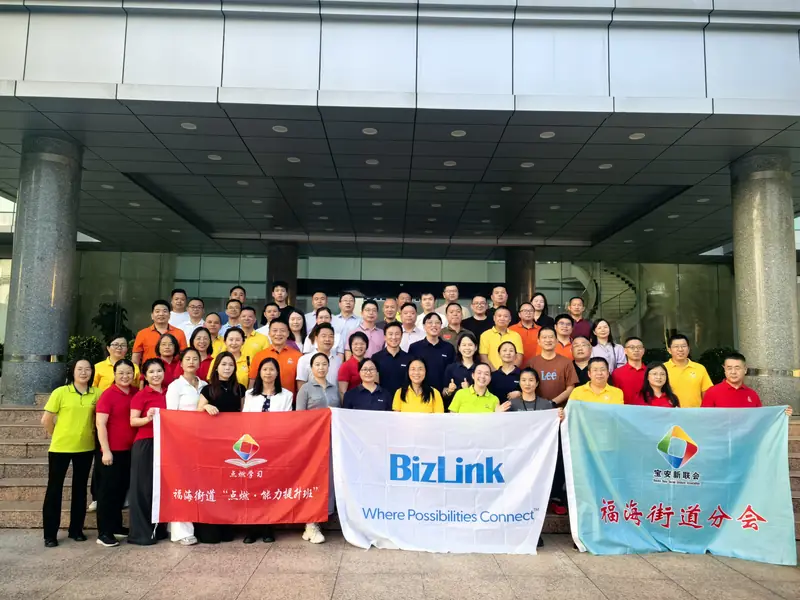
Connecting Infinite Possibilities | Bao'an District New Union 'Ignite Learning' Class (including our Shenzhen Jintianlei Innovation Technology Co., Ltd.) visited Biz Link to discuss new development op
-
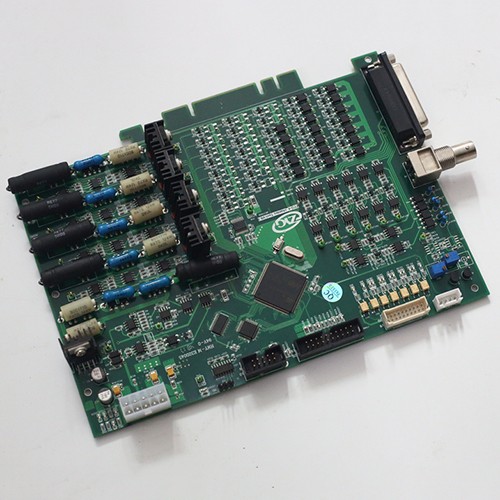
The core process of PCBA product customization
-
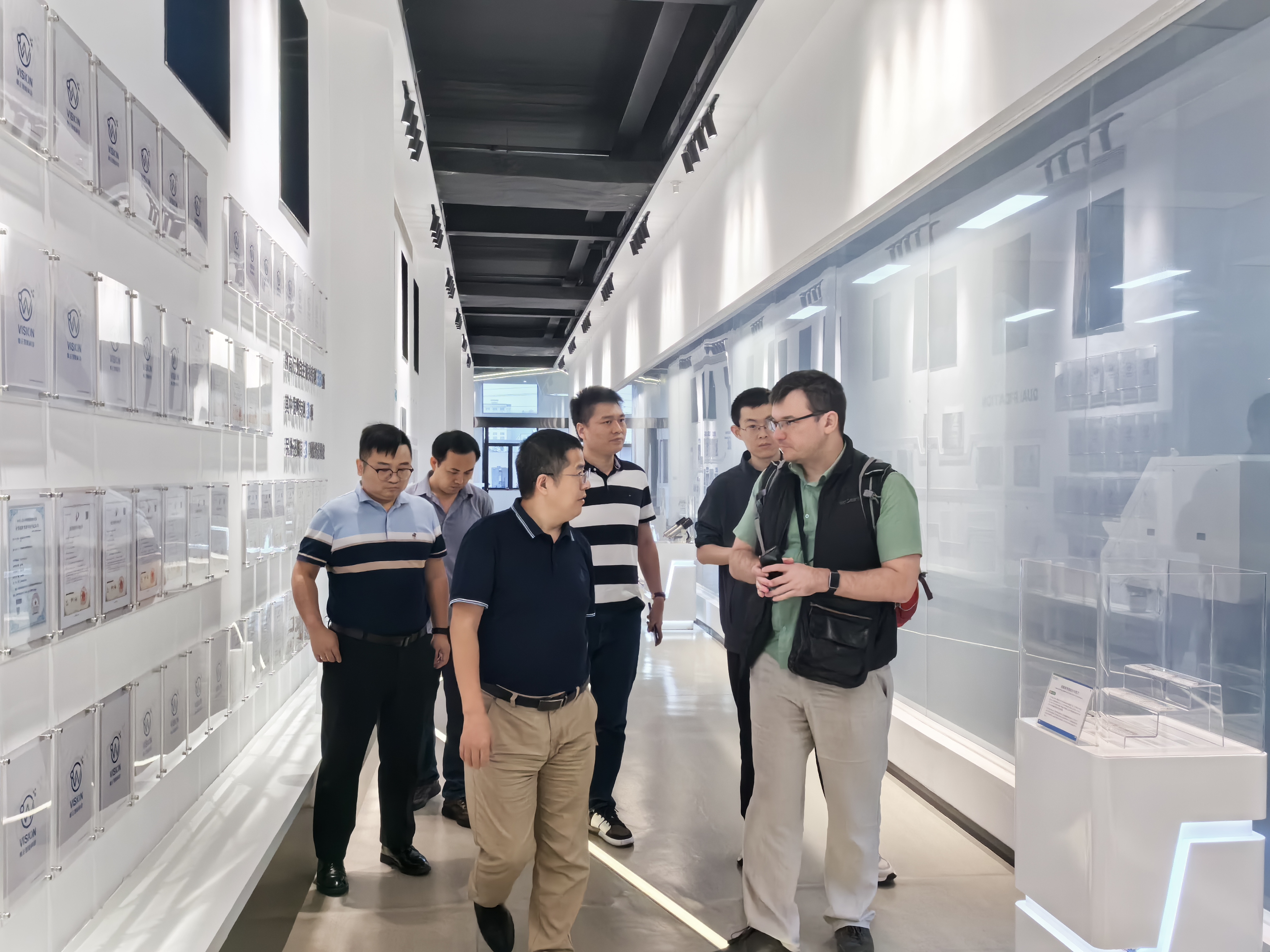
Welcome customers to visit our branch companies for factory inspection and guidance
-
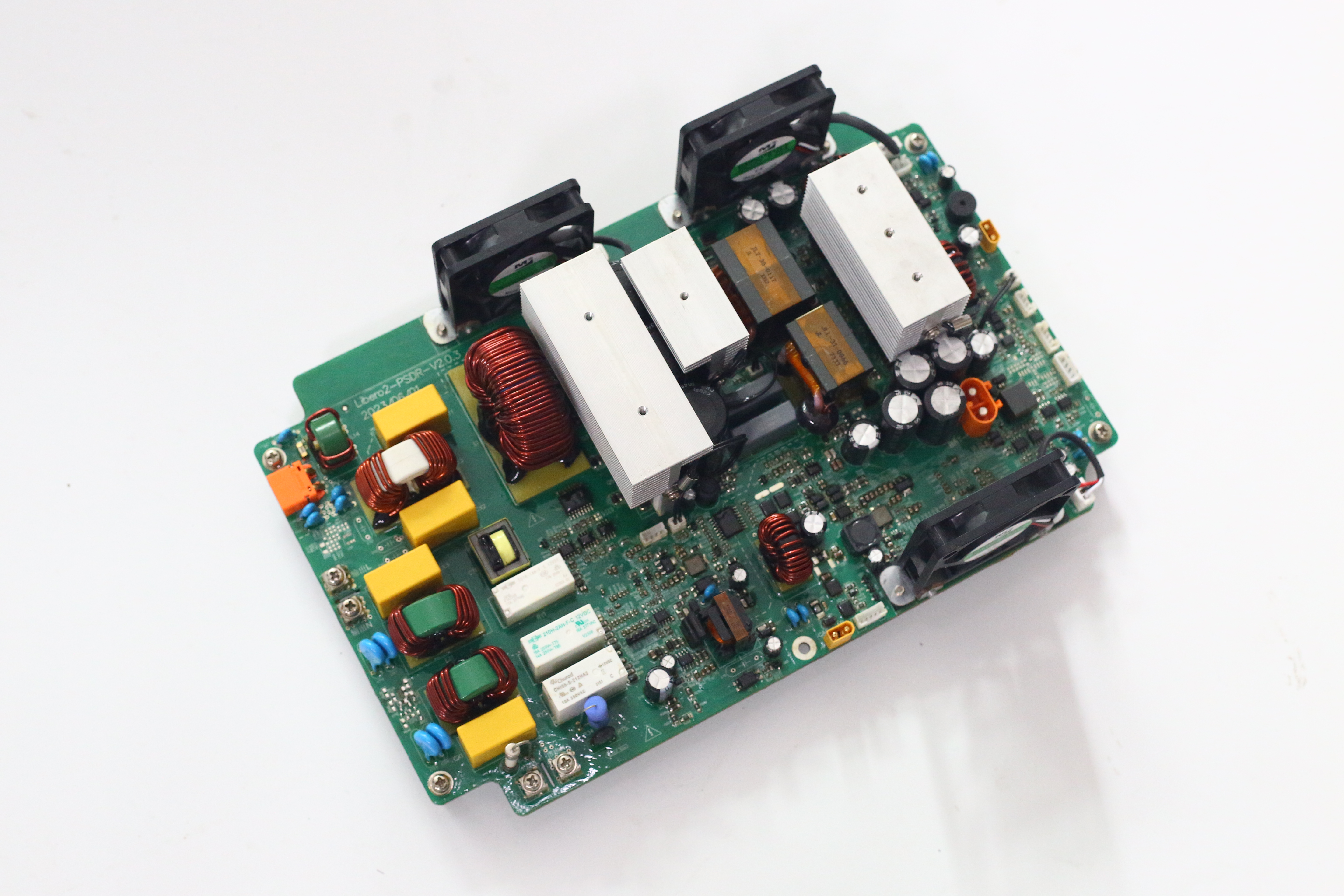
ExpeElectronica2024 in Munich, Germany
-
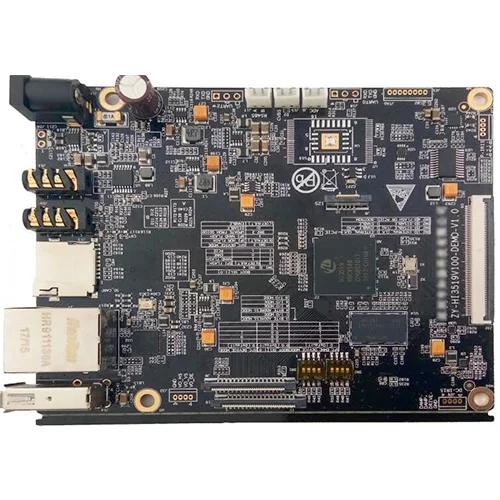
PCBA industry global prospects
-
Connecting Infinite Possibilities | Bao'an District New Union 'Ignite Learning' Class (including our Shenzhen Jintianlei Innovation Technology Co., Ltd.) visited Biz Link to discuss new development op
-
Explore the future trends of the PCBA industry! How can you make your production line more efficient with the help of intelligent technology?