

Placement accuracy, fine-pitch capability and reflow control decide whether a mixed-technology board can be built in control. The sections below set out what is installed at the Shenzhen plant, which machine does which job, and where the equipment set itself sets the limit.
What is installed on the floor
- High-speed mounters, configured for fine-pitch and mixed-technology work.
- GKG-G5 solder paste printing with fine-pitch capability, followed by SITEK 3D SPI.
- Lead-free reflow with recorded profiles per work order.
- Automatic DIP lines for through-hole and mixed-technology boards.
- AOI on every board, X-ray for hidden joints, and functional test to customer specification.
Why the equipment set matters more than the headline speed
The value of a line is not its theoretical placement rate but the range of designs it can hold in control. Fine-pitch device packages, 0201 passives, tall through-hole connectors and heavy copper power planes all behave differently during reflow, and a factory that only handles one of those will struggle with a mixed-technology board. Having printing, SPI, placement, reflow and inspection in one continuous flow means the process can be adjusted as a whole rather than in isolated steps.
Where the equipment sets the limit
Equipment limits show up as exceptions, not averages. Very fine-pitch placement and heavy through-hole connectors want different settings, and a product that uses both is scheduled so the printer, placer and reflow profile are changed as few times as possible. A design that falls outside what the current set holds in control — unusually large panels, extreme thermal mass, or a package the placers cannot place to specification — is raised at quotation rather than discovered on the floor. The full plant and equipment list is on the Shenzhen manufacturing page.
Previous:没有了
-
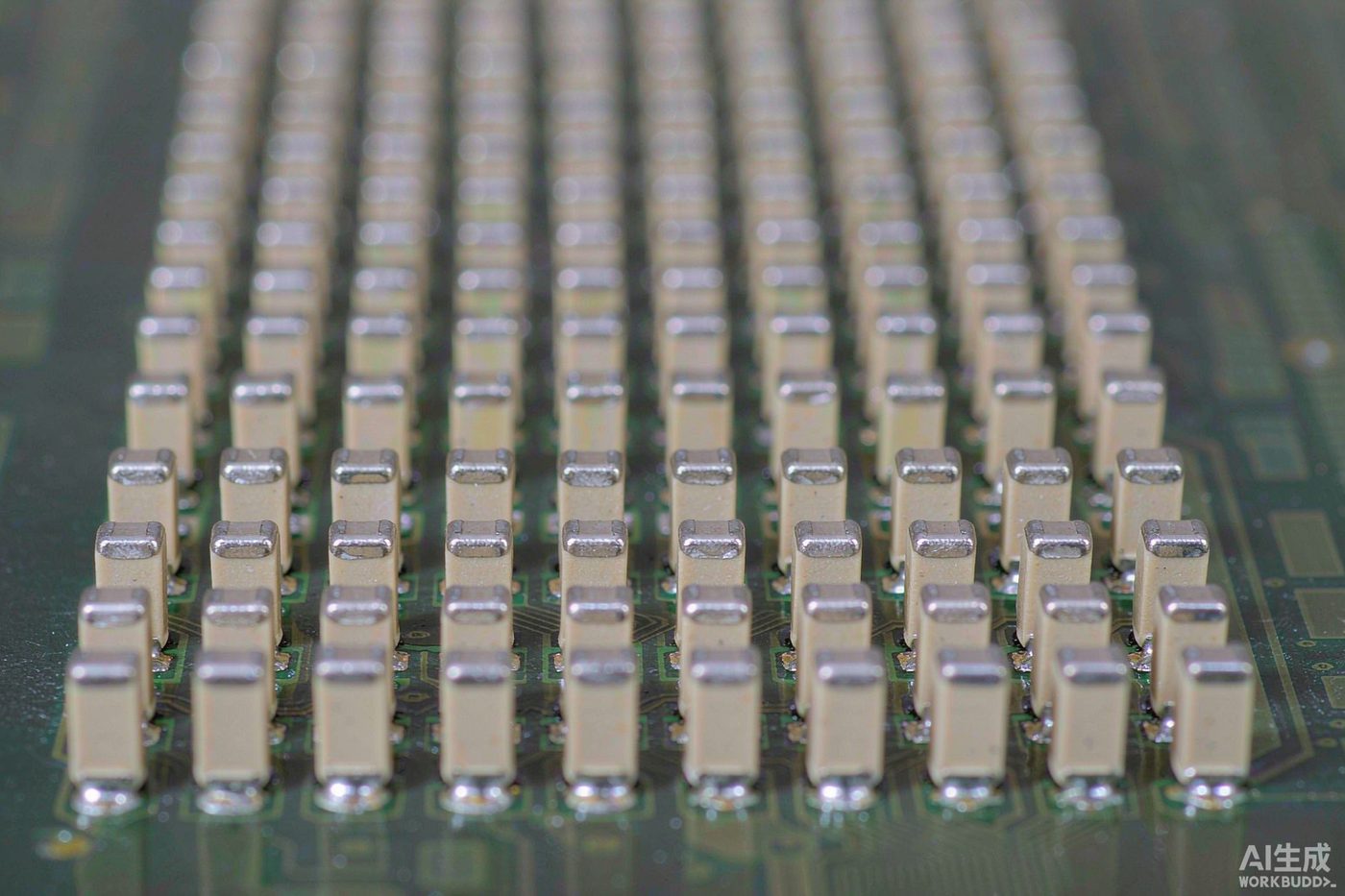
Passive Component Lead Times Are Rewriting PCBA Sourcing Decisions in 2026
-
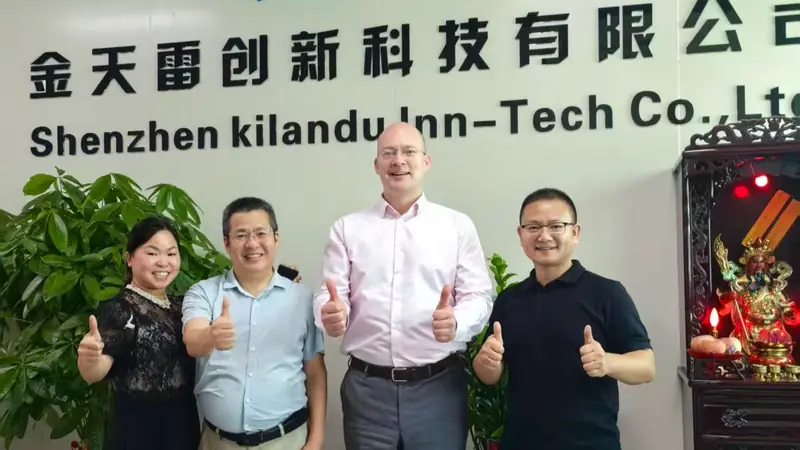
A warm welcome to Mr. Jason Connor and Mr. David from Luxembourg for their guidance!
-

The PCBA Industry at the Start of 2026: AI Drives Market Surge, Intelligent Manufacturing and Material Upgrades Become the Main Themes
-
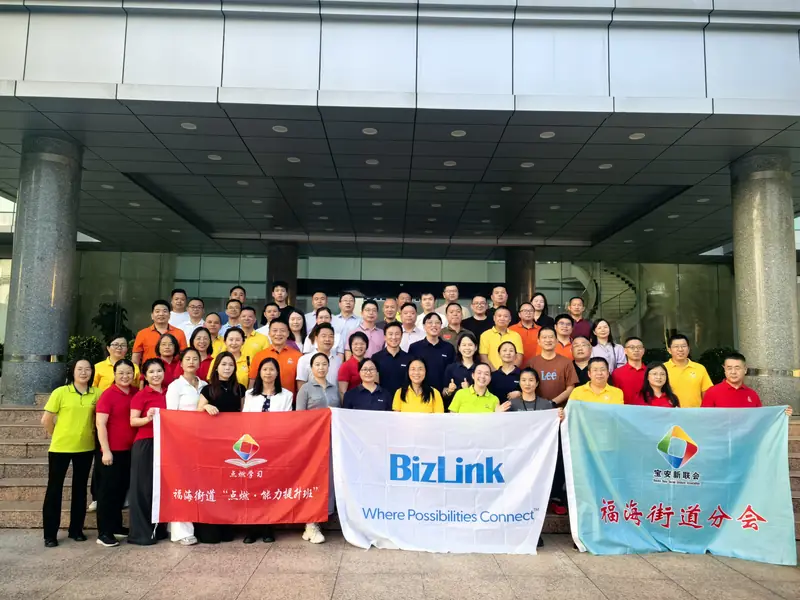
Connecting Infinite Possibilities | Bao'an District New Union 'Ignite Learning' Class (including our Shenzhen Jintianlei Innovation Technology Co., Ltd.) visited Biz Link to discuss new development op
-
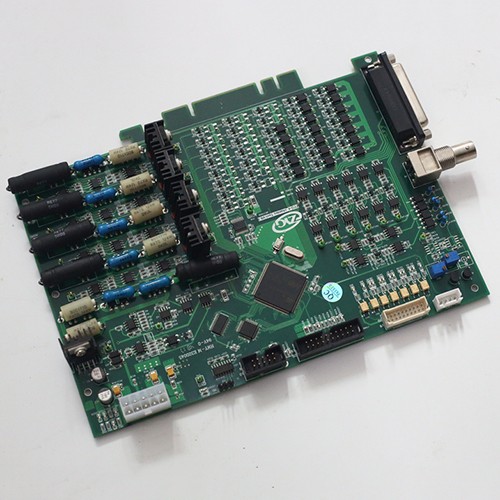
The core process of PCBA product customization
-
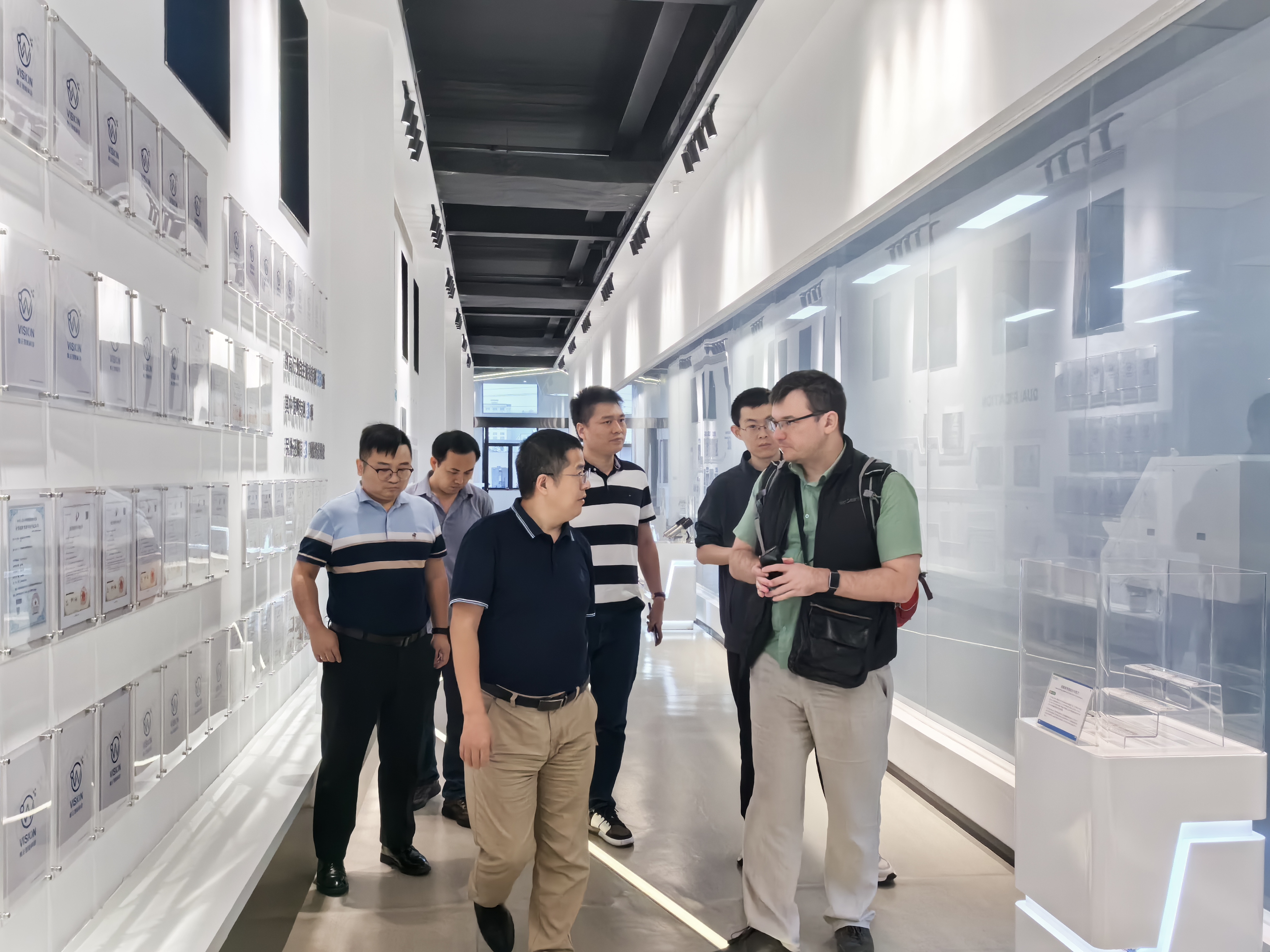
Welcome customers to visit our branch companies for factory inspection and guidance
-
ExpeElectronica2024 in Munich, Germany
-
PCBA industry global prospects
-
Connecting Infinite Possibilities | Bao'an District New Union 'Ignite Learning' Class (including our Shenzhen Jintianlei Innovation Technology Co., Ltd.) visited Biz Link to discuss new development op
-
Explore the future trends of the PCBA industry! How can you make your production line more efficient with the help of intelligent technology?