

Components are bought from authorised and franchised distributors wherever the part allows, so traceability is kept and counterfeit risk is controlled. Long-term agreements cover passives, connectors, microcontrollers and power devices, and the Shenzhen location gives fast access to the electronics supply cluster around the factory.
Sourcing channels
Where a part is available through authorised distribution, that is the channel used, because it provides traceability and a manufacturer warranty. For parts that are only obtainable outside authorised channels, the situation is raised with the customer with the risk stated, so the decision to proceed is made knowingly. Incoming material is checked against the BOM and the approved vendor list, and lot records are retained so that any later question about a shipment can be answered from data.
Agreements and inventory
Long-term agreements on high-volume commodity parts and on the microcontrollers and power devices that appear across multiple products stabilise both price and allocation. Where a part is single-sourced or has a history of shortage, buffer stock is held against forecast, and customers running repeat production can have material reserved for their programme so it is not re-allocated to another order.
Handling shortages and obsolescence
Two events cause most supply problems: an unexpected lead-time extension and a manufacturer lifecycle notice. Kilandu tracks both and raises them as early as possible, with a comparison of pin-to-pin or functionally equivalent options and, where a last-time buy is the right answer, a quantity and storage plan agreed in advance. Because the factory sits inside the Shenzhen electronics cluster, replacement sourcing and tooling changes also move faster than they would at a distance.
Measuring how the supply chain performs
Performance is tracked on the things that affect a build: whether the kit was complete on the day it was needed, how early a shortage or lifecycle notice was raised, and how often a substitution was required at all. An issue raised at quotation is a planned decision; the same issue found at kitting is a schedule risk, and the difference usually shows in how far ahead the sourcing team is working. The sourcing process is described under electronic component sourcing, with lead-time behaviour under MOQ and lead time.
Previous:Optimized cost control
-
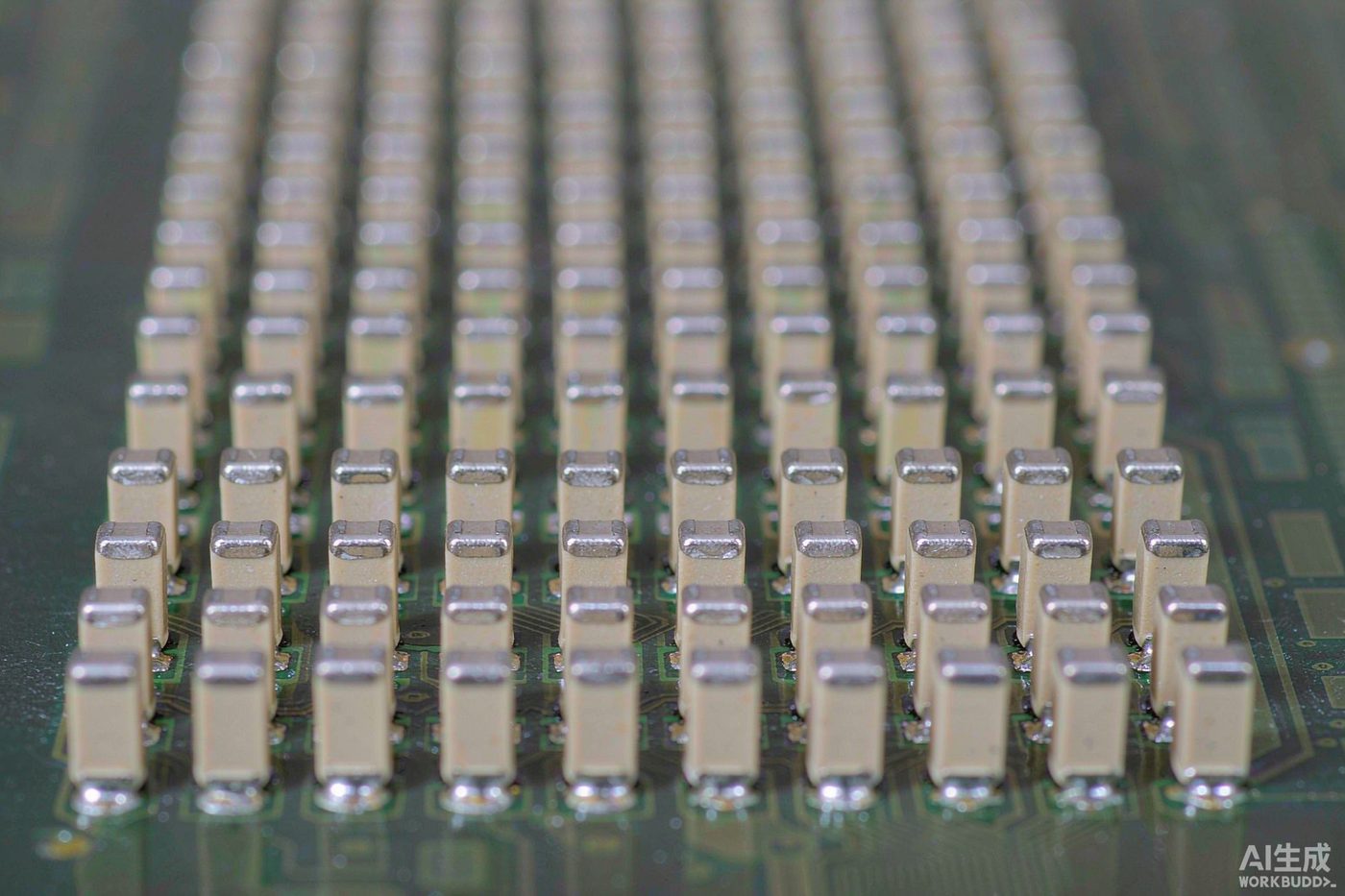
Passive Component Lead Times Are Rewriting PCBA Sourcing Decisions in 2026
-
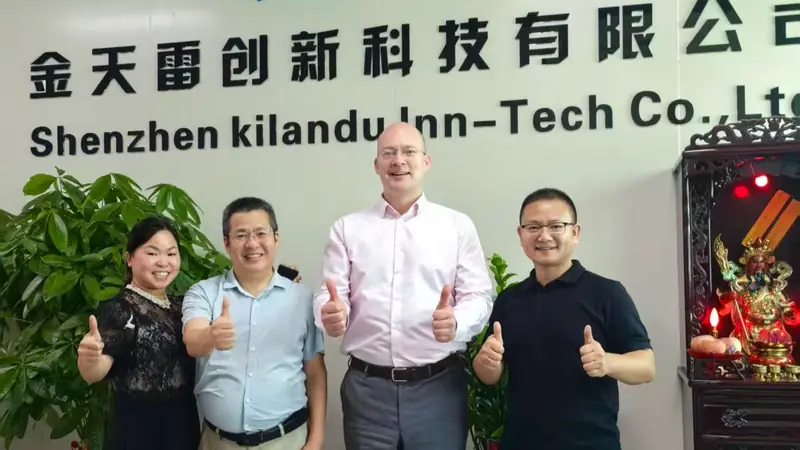
A warm welcome to Mr. Jason Connor and Mr. David from Luxembourg for their guidance!
-

The PCBA Industry at the Start of 2026: AI Drives Market Surge, Intelligent Manufacturing and Material Upgrades Become the Main Themes
-
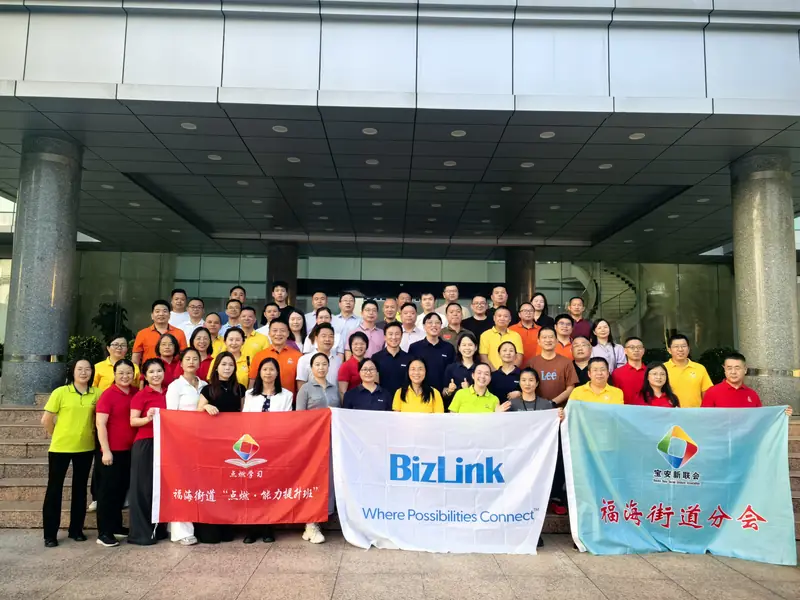
Connecting Infinite Possibilities | Bao'an District New Union 'Ignite Learning' Class (including our Shenzhen Jintianlei Innovation Technology Co., Ltd.) visited Biz Link to discuss new development op
-
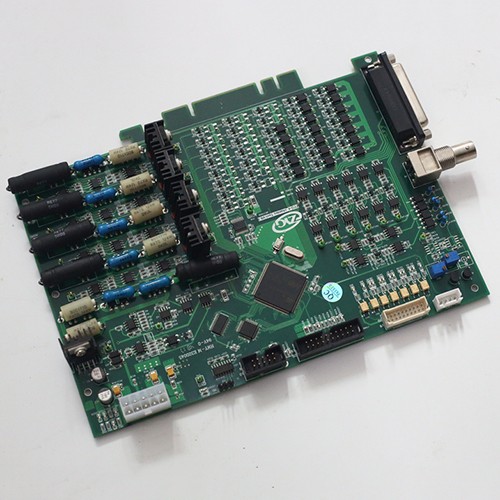
The core process of PCBA product customization
-
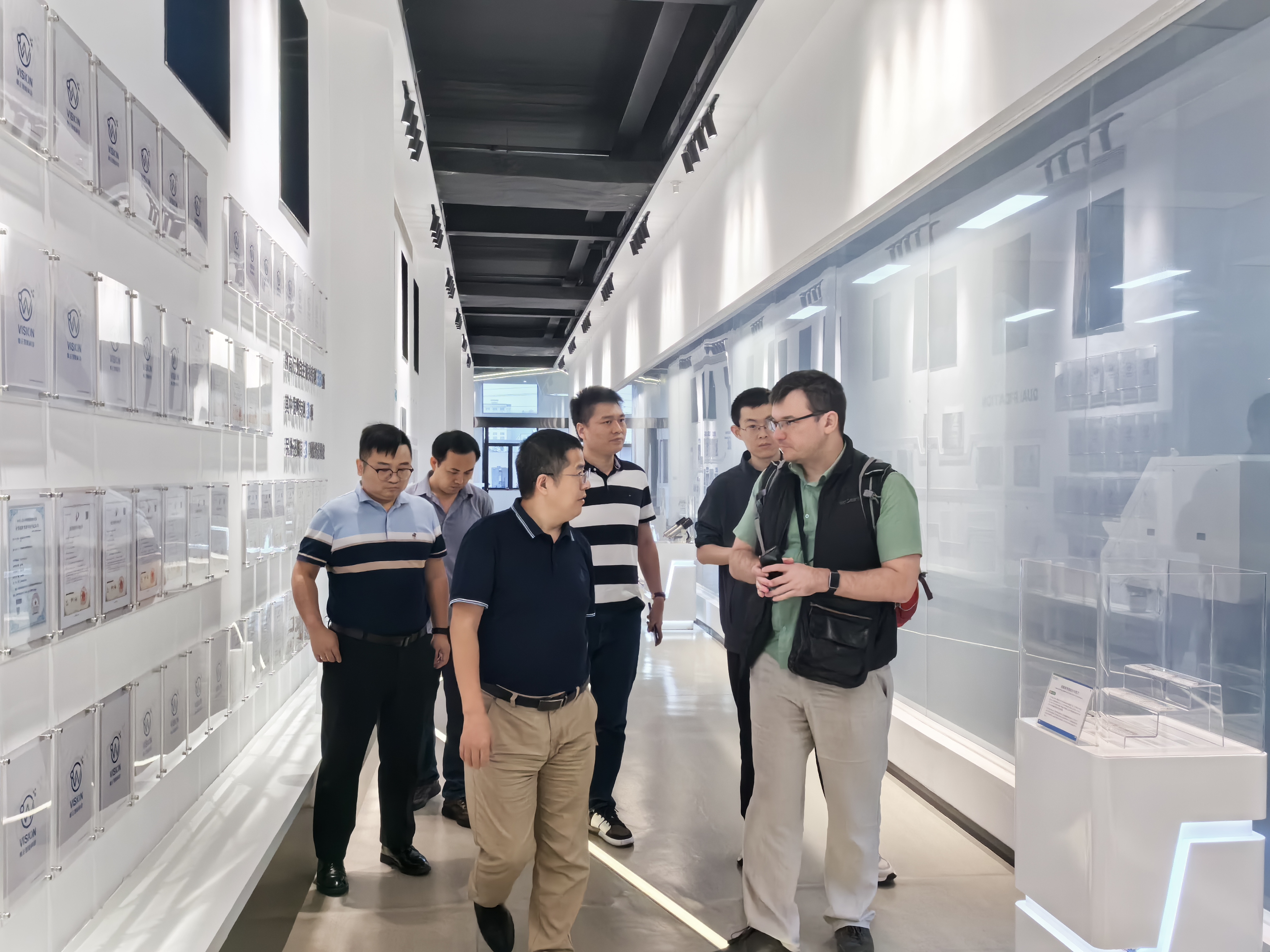
Welcome customers to visit our branch companies for factory inspection and guidance
-
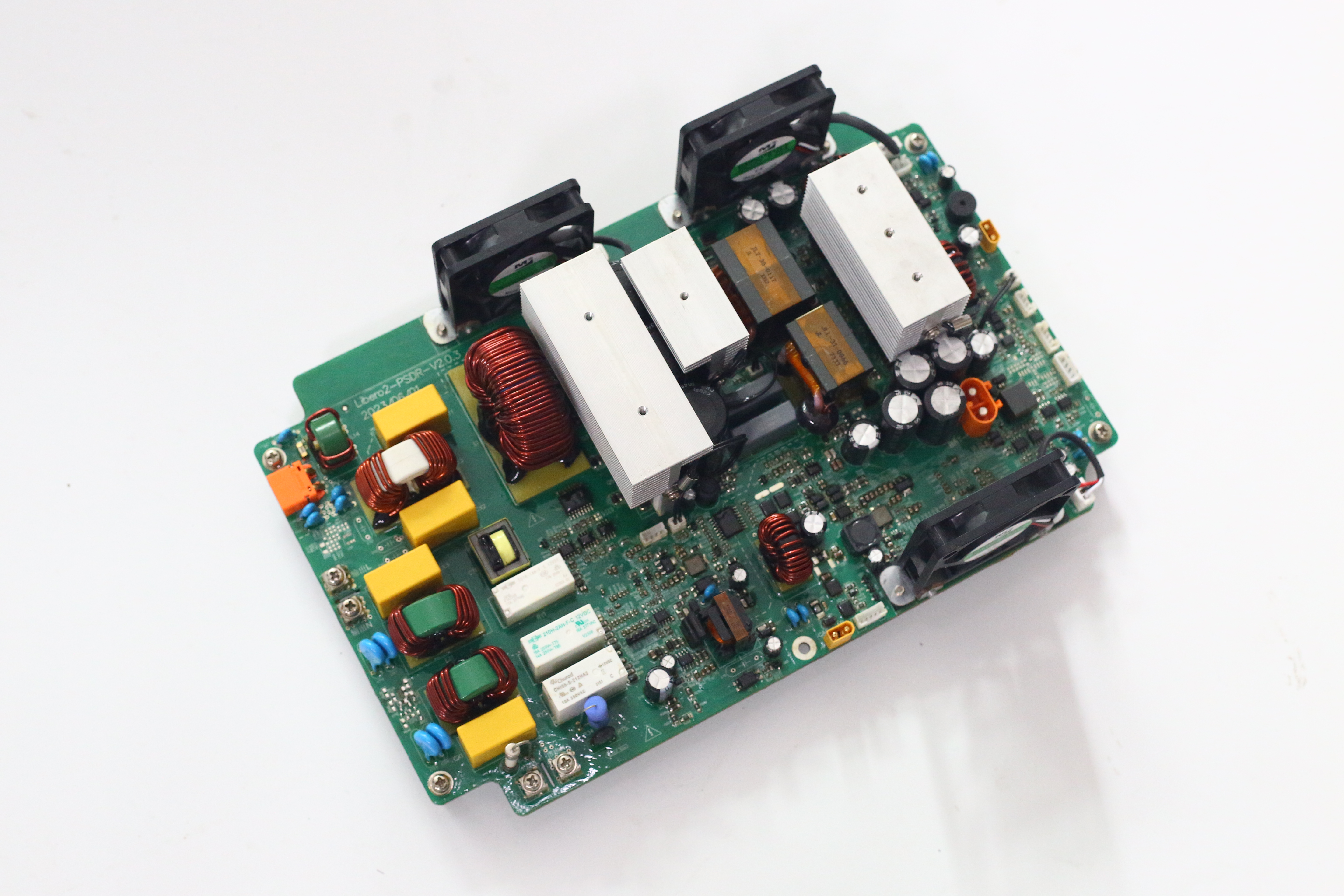
ExpeElectronica2024 in Munich, Germany
-
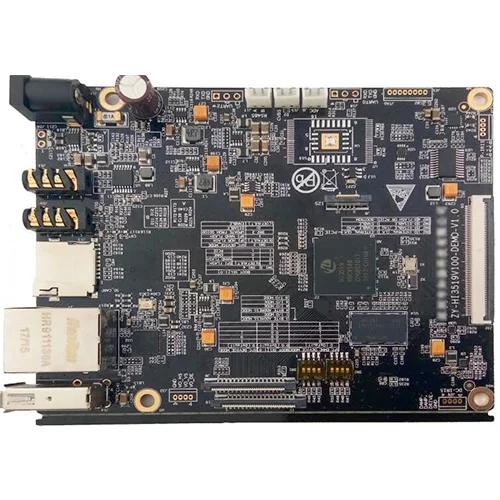
PCBA industry global prospects
-
Connecting Infinite Possibilities | Bao'an District New Union 'Ignite Learning' Class (including our Shenzhen Jintianlei Innovation Technology Co., Ltd.) visited Biz Link to discuss new development op
-
Explore the future trends of the PCBA industry! How can you make your production line more efficient with the help of intelligent technology?