

Building for several industries at once changes how a factory reads a design. The sections below cover what that sector range means in practice, where the customers are, and what a longer project history changes before production starts.
What that range actually means in practice
Building for several industries at once changes how a factory reads a design. An industrial control board and an automotive infotainment board may use similar packages, but they are judged against different acceptance criteria, different thermal profiles and different traceability requirements. Working across those sectors means the questions that matter tend to get asked early: which standard applies, what the board will be exposed to, and what evidence the customer needs at the end of the build.
Where our customers are
More than 3,000 OEM customers have placed production with Kilandu, predominantly in Europe, Russia and the Americas - industrial electronics and automation, instrumentation, energy storage and power electronics, medical devices, automotive electronics and IoT products. Most are industrial electronics, automation and control manufacturers, energy and EV charging companies, medical device developers and IoT product companies - buyers who need an assembly partner that can take a complete bill of materials and return finished boards to a documented standard rather than a board house that only places parts.
What long experience changes about a project
It mostly shows up in the questions asked before production starts. Whether a part has been used before and has an approved equivalent, whether the panelisation suits the equipment, whether the customer's test specification can be automated on a fixture, and whether the acceptance class is consistent with the rest of the design - all of these are cheaper to settle at quotation than after the first build. How the plant behind those projects is set up is covered on the Shenzhen manufacturing page, and the profile of the business itself on the about page.
Previous:Advanced production equipment
-
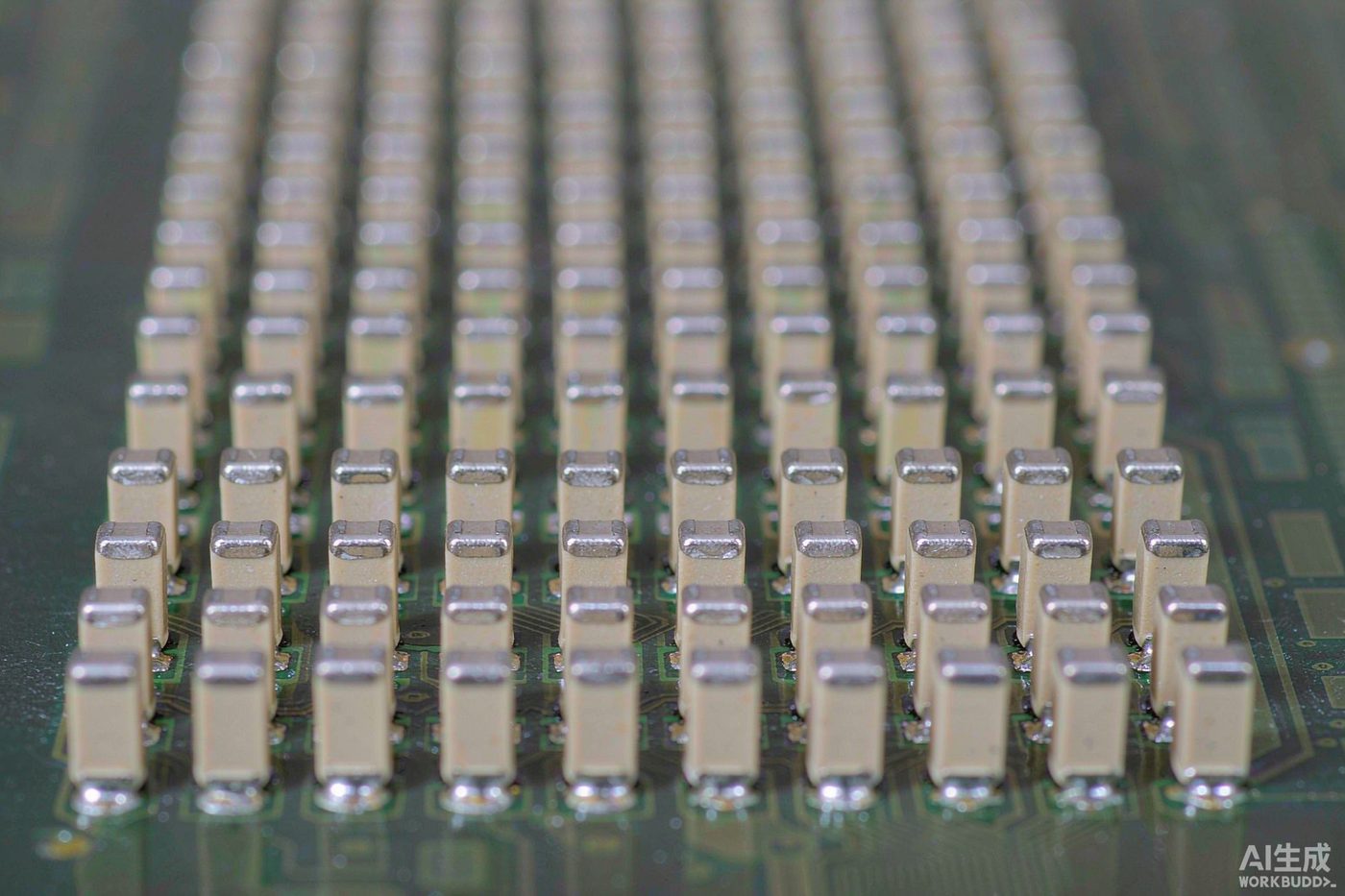
Passive Component Lead Times Are Rewriting PCBA Sourcing Decisions in 2026
-
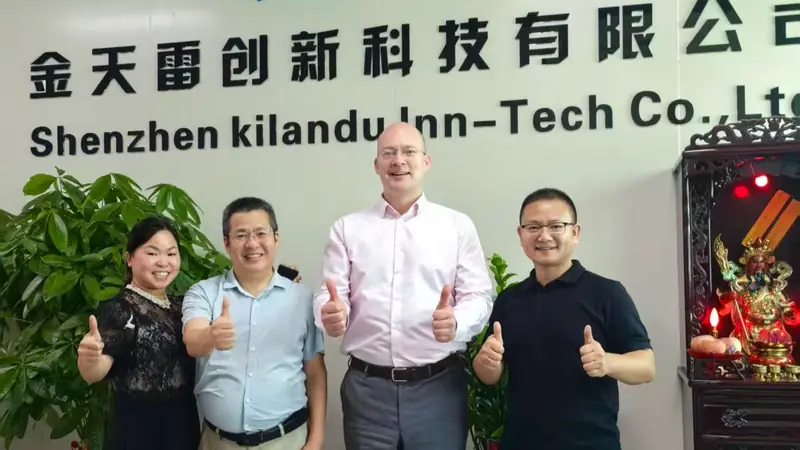
A warm welcome to Mr. Jason Connor and Mr. David from Luxembourg for their guidance!
-

The PCBA Industry at the Start of 2026: AI Drives Market Surge, Intelligent Manufacturing and Material Upgrades Become the Main Themes
-
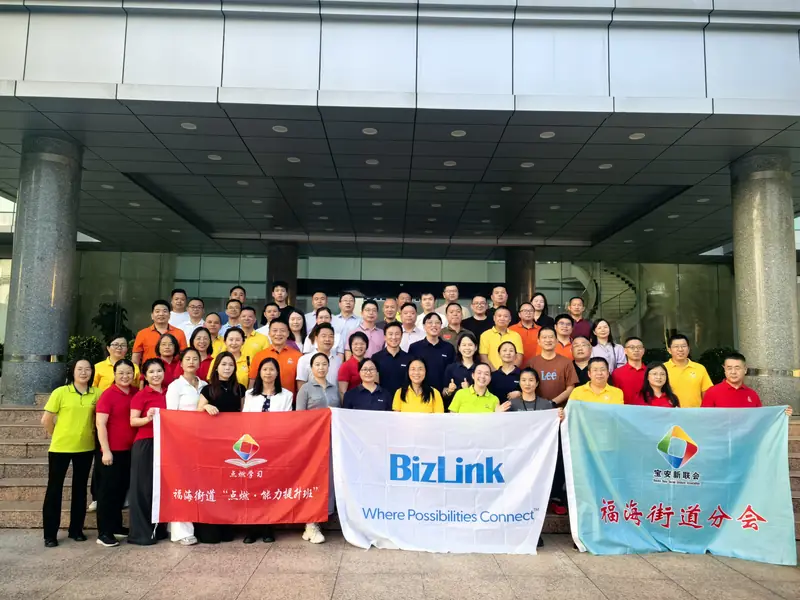
Connecting Infinite Possibilities | Bao'an District New Union 'Ignite Learning' Class (including our Shenzhen Jintianlei Innovation Technology Co., Ltd.) visited Biz Link to discuss new development op
-
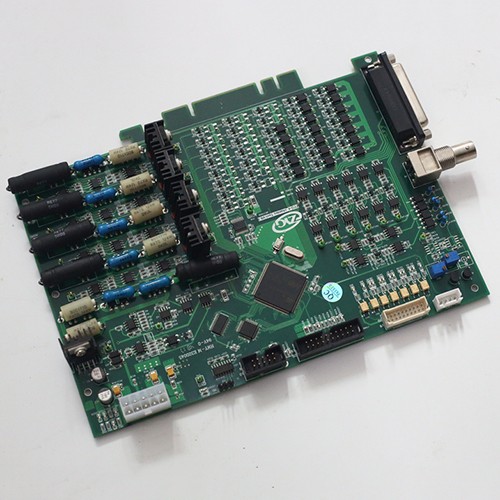
The core process of PCBA product customization
-
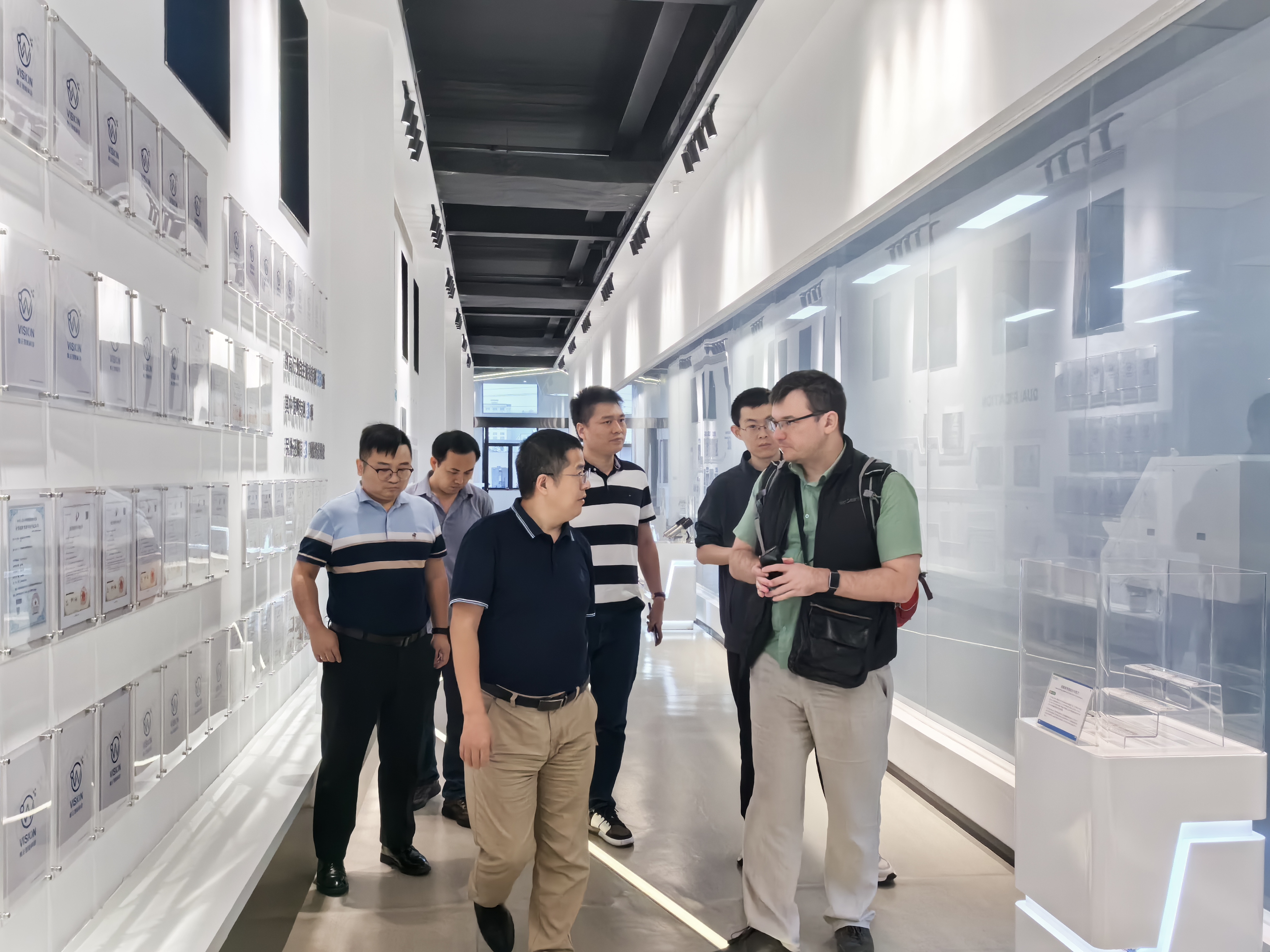
Welcome customers to visit our branch companies for factory inspection and guidance
-
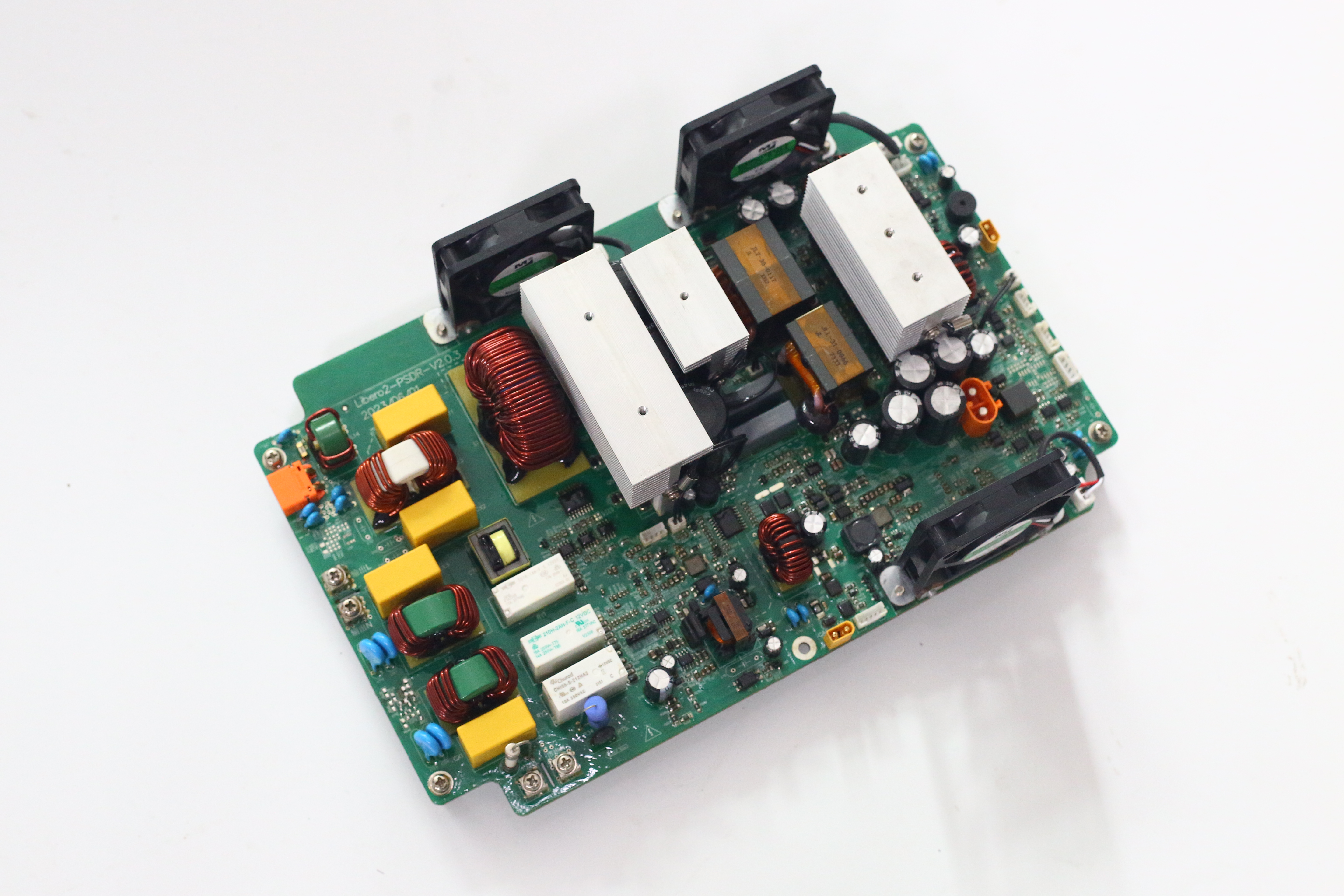
ExpeElectronica2024 in Munich, Germany
-
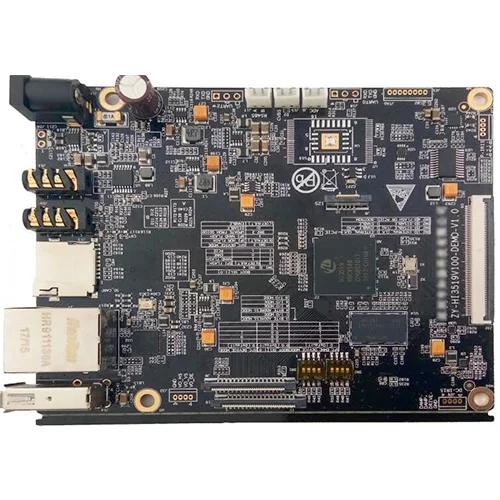
PCBA industry global prospects
-
Connecting Infinite Possibilities | Bao'an District New Union 'Ignite Learning' Class (including our Shenzhen Jintianlei Innovation Technology Co., Ltd.) visited Biz Link to discuss new development op
-
Explore the future trends of the PCBA industry! How can you make your production line more efficient with the help of intelligent technology?