
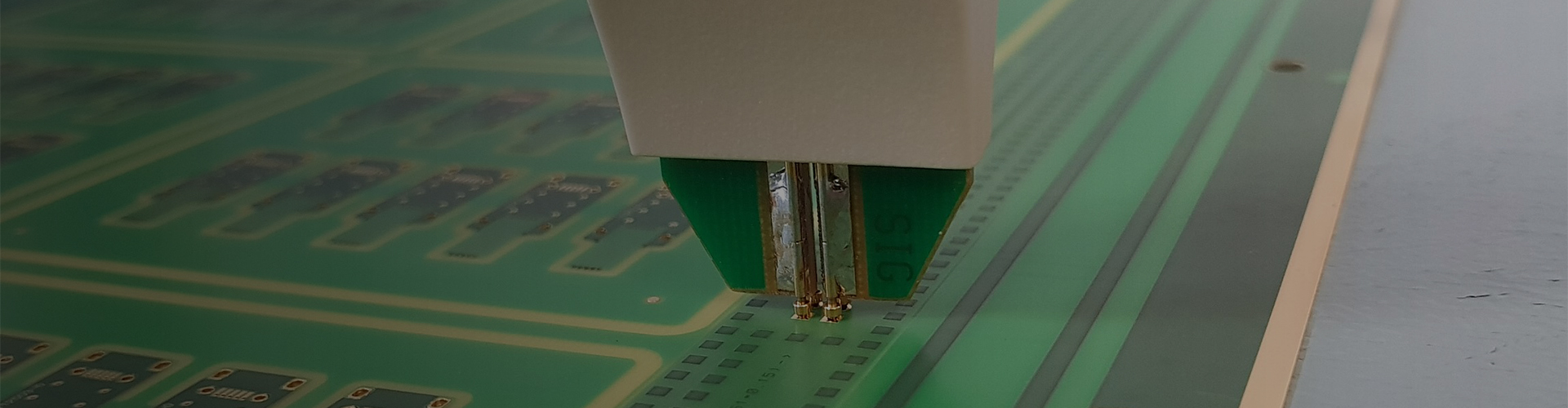
Short answer. There is no industry-wide MOQ for industrial control PCBA, and a supplier that quotes a single number is usually quoting a policy rather than a cost. The real minimum is set by four things: the one-time setup, the material packaging multiples on the BOM, the test fixture, and how the order is scheduled against other work. Kilandu does not set a fixed board-count MOQ; the practical minimum is derived from those four items for the specific board.
Why a board count is the wrong unit
Placing 20 boards and placing 2,000 boards use the same stencil, the same program and the same first-article inspection. The fixed work is identical; only the variable work scales. That is why the honest answer to "what is your MOQ" is a cost curve, not a number: below a certain quantity the fixed work dominates the price per board, and the customer is effectively paying for setup.
The four items that set the real minimum
- Setup and programming. Stencil fabrication, machine programming, feeder loading and the first-article inspection are one-time work per build. They do not shrink with quantity.
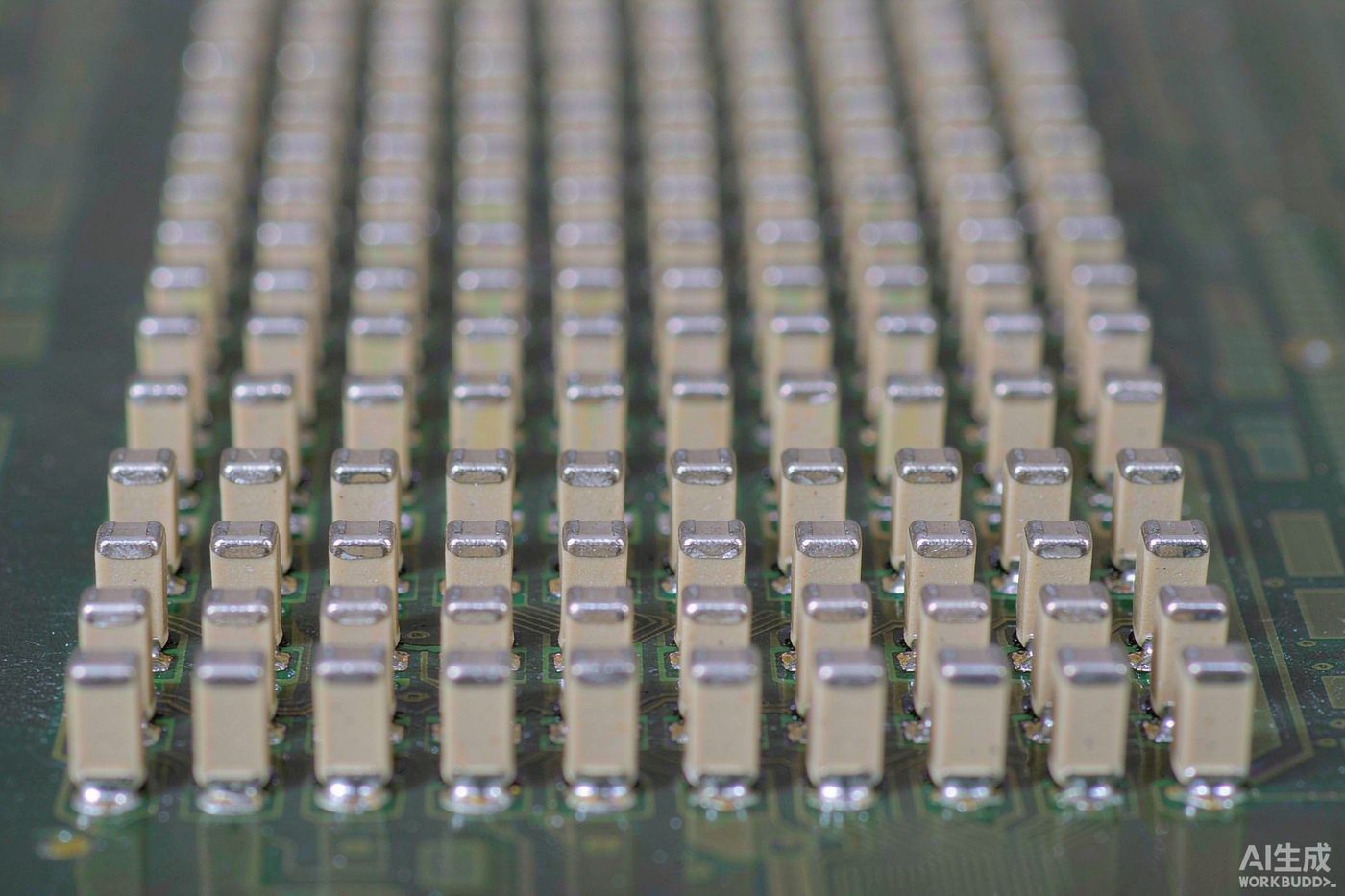
- Material packaging multiples. Resistors and capacitors are bought in reels of thousands. A 100-board order still consumes a full reel on some lines, and the unused portion is either stocked for you or lost.
- Test fixture and program. A functional test fixture is built for the board. On a low-volume build it can cost more than the assembly, which is why some low-volume orders are quoted with a reduced test scope - agreed in writing, not assumed.
- Scheduling. A small order that can be run alongside a larger build shares the changeover. One that needs a dedicated slot carries it.
What actually brings a low-volume build into range
- Order the boards you will need, not the boards you need this month. A single release covering two or three quarters usually prices better than three separate releases.
- Keep the BOM on parts that ship from stock. A single 12-week lead item turns a four-week build into a sixteen-week one, whatever the quantity.
- Reuse the fixture across variants. If two board variants share a test approach, one fixture can serve both, and the second variant loses most of its setup cost.
- Accept a defined test scope. Full functional test on 20 boards may not be the right spend. Agreeing a first-article-plus-sample test scope is a legitimate way to reduce the fixed cost, provided it is written down.
Where the money actually goes at low volume
On a small industrial control build the assembly labour is rarely the largest line. Setup, stencil, fixture and programming usually account for more than the placement, and material can dominate entirely if the BOM carries a specialised MCU or an industrial connector. That is worth knowing before negotiating the placement price, because a discount on labour changes very little at 100 boards.
What Kilandu does
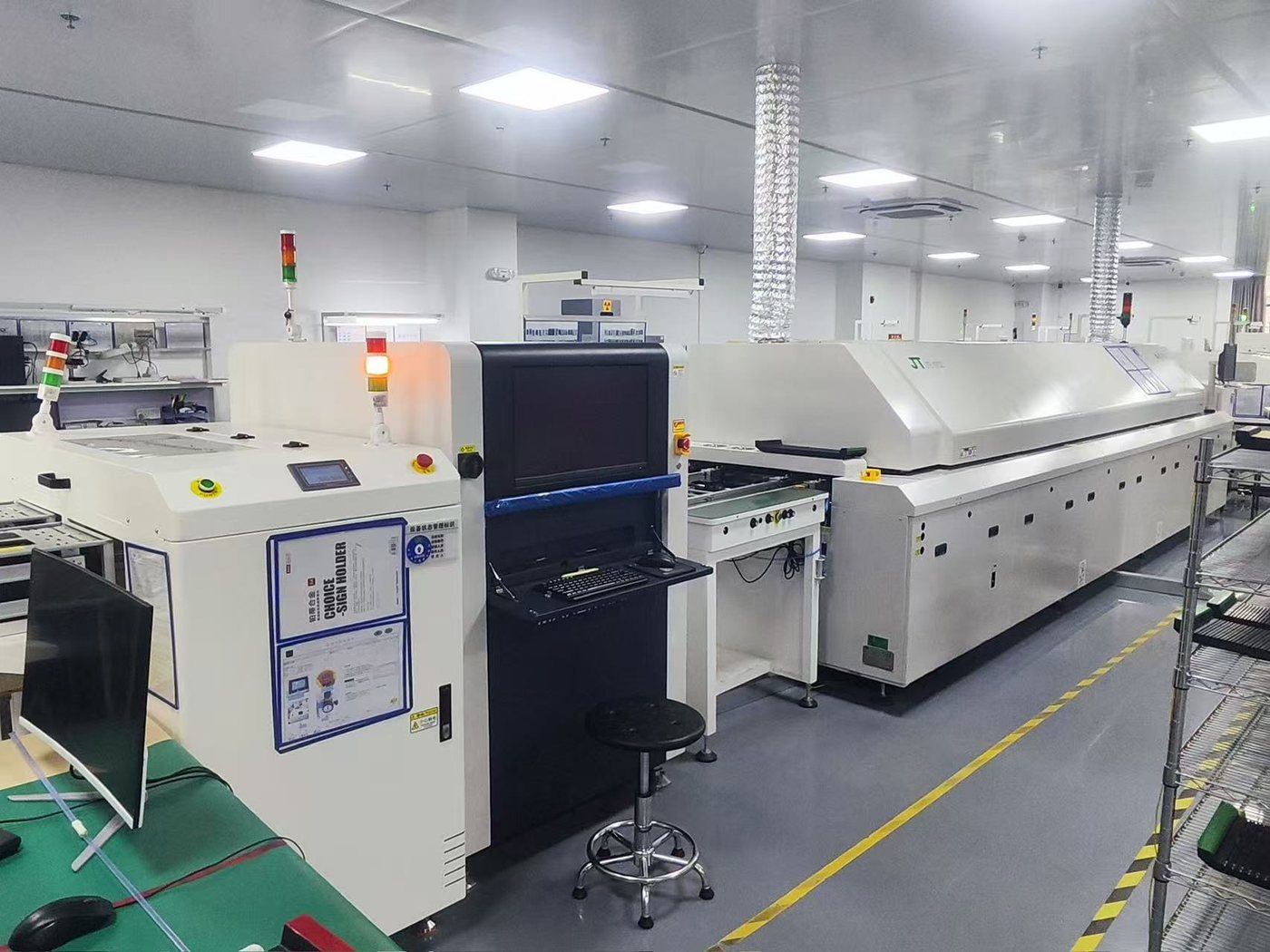
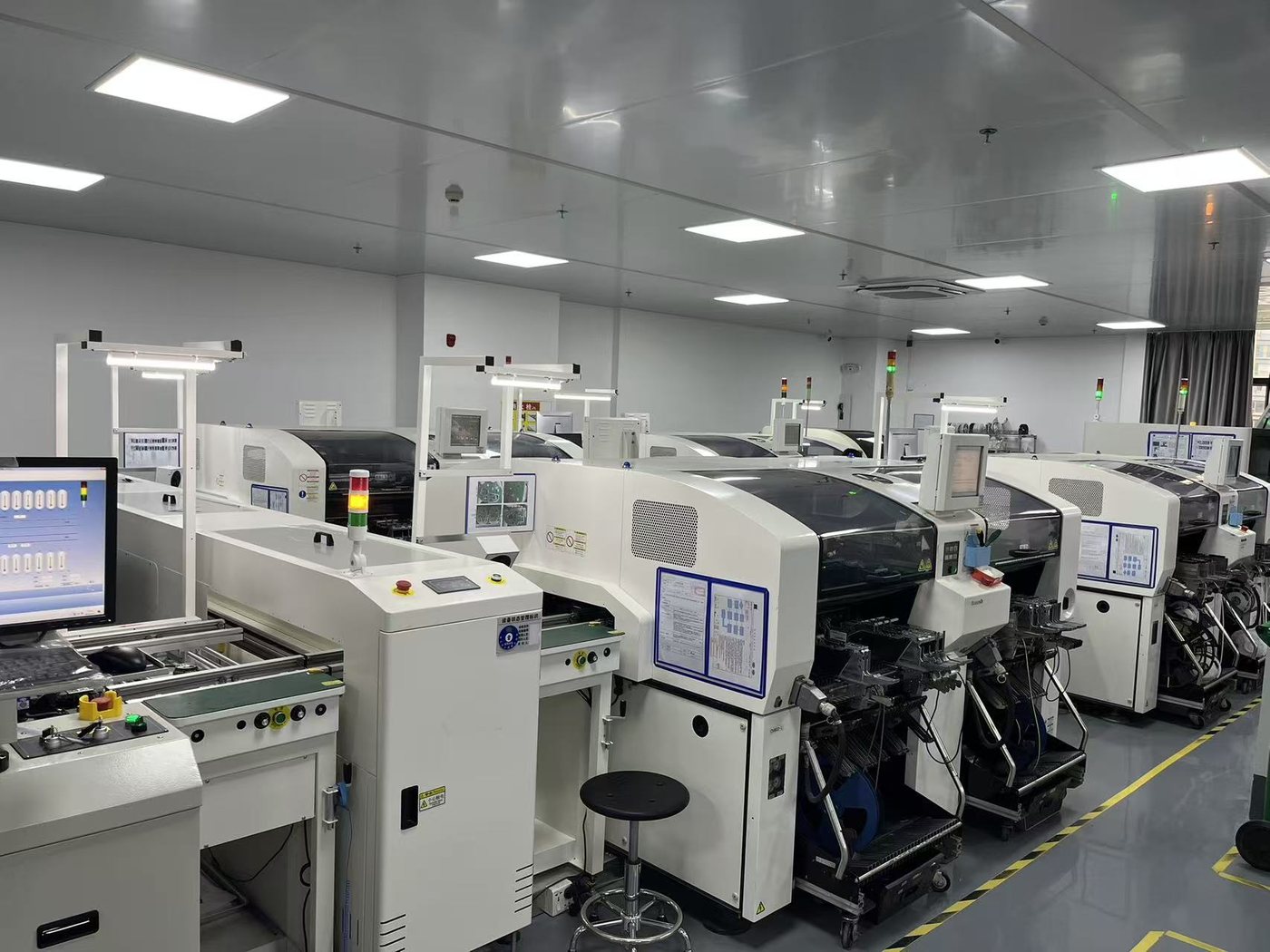
Kilandu assembles industrial control boards on four Yamaha SMT lines and three DIP lines in Shenzhen, with SPI, AOI and X-ray in process and ICT plus FCT in electrical test. Low-volume and prototype builds are quoted at 5 to 8 working days with components in stock; mass production runs 2 to 5 weeks and repeat orders 2 to 3 weeks. Setup, stencil and fixture costs are itemised in the quotation rather than folded into a per-board price, so the quantity break is visible.
Where the detail is documented
The full explanation of minimums and lead times is on the MOQ and lead time page, and cost structure is broken down on the PCBA cost page. The application itself is described on the industrial control PCBA page. Send the BOM and the annual quantity to alden@kilandu.com for a quantity-break quotation.


-
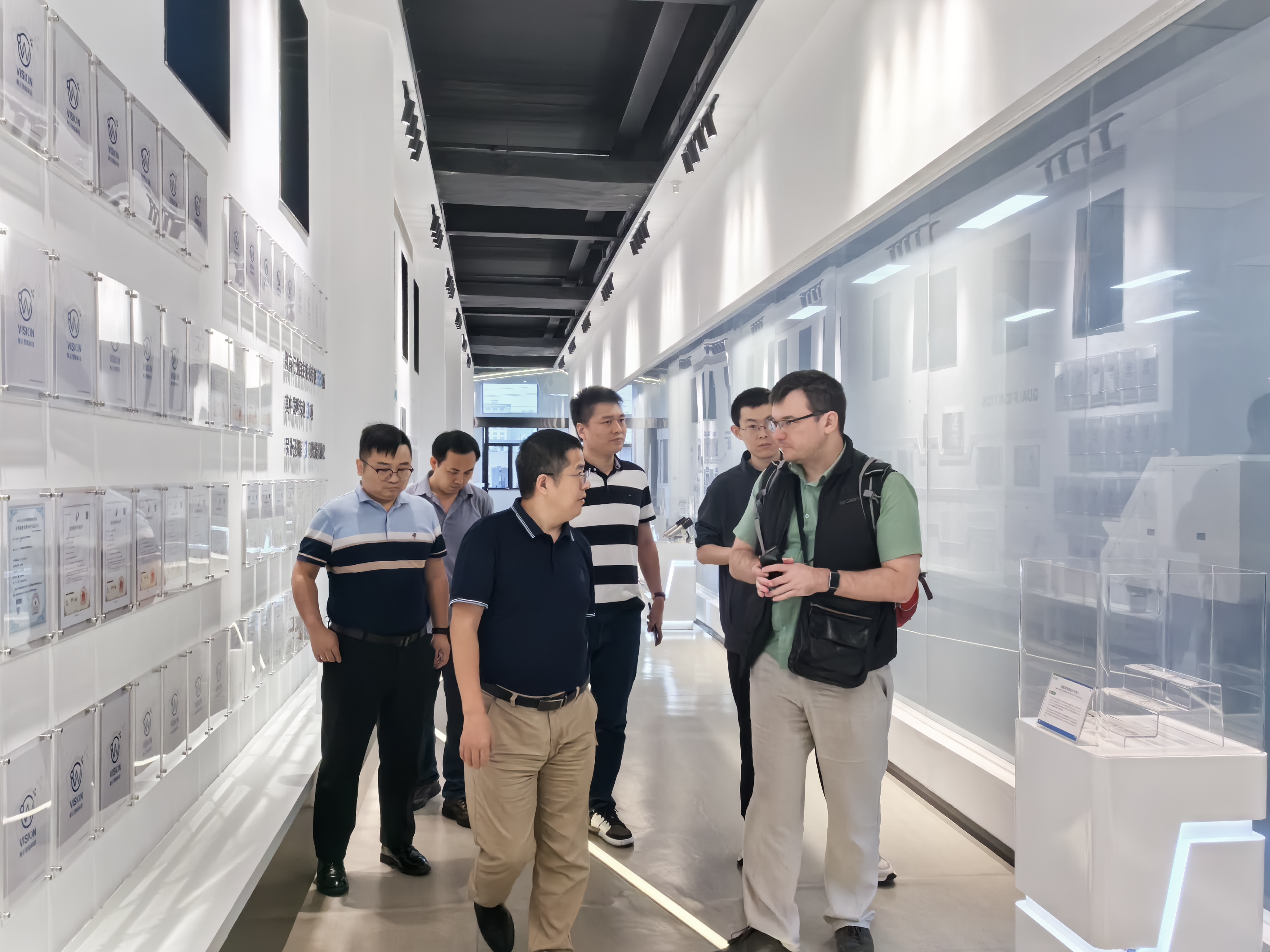
Welcome customers to visit our branch companies for factory inspection and guidance
-
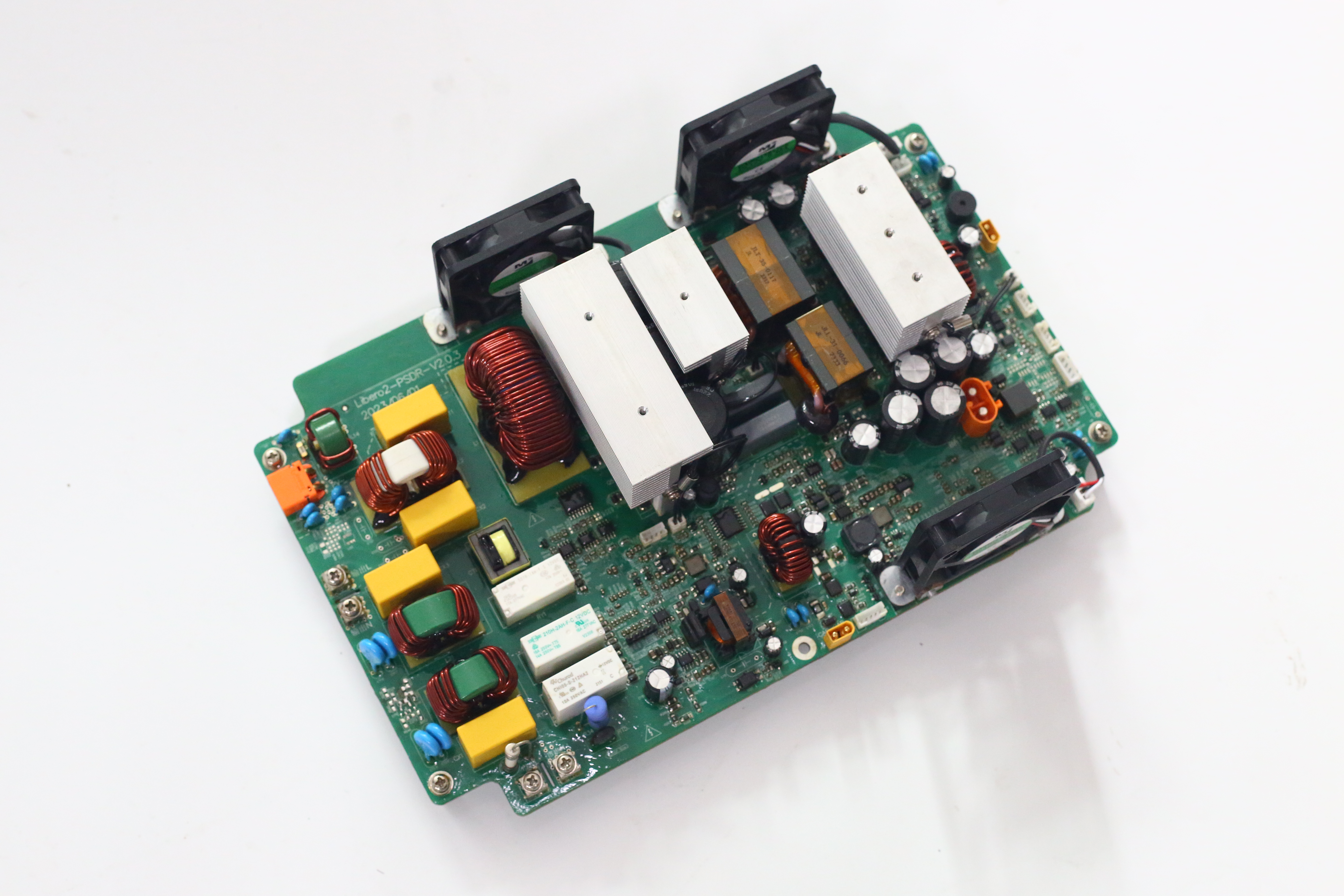
ExpeElectronica2024 in Munich, Germany
-

Connecting Infinite Possibilities | Bao'an District New Union 'Ignite Learning' Class (including our Shenzhen Jintianlei Innovation Technology Co., Ltd.) visited Biz Link to discuss new
-
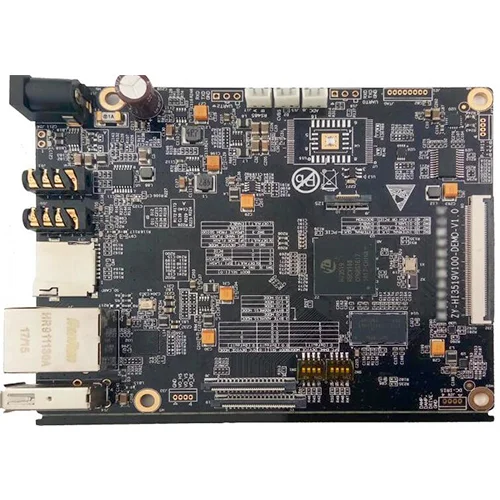
PCBA industry global prospects
-

Welcome French customer PACE to visit our factory for audit