
Short answer. A prototype build answers one question - does this design work? A pilot run answers a second - does it work when made more than once? A volume run answers a third - does it work at rate, with material from the production channel? Treating a prototype as a smaller production run is what causes the second build to fail for reasons that were visible on the first.
Three different jobs
- Prototype. A small quantity built to prove the design. It is built on the production lines rather than on a bench, because a bench build does not tell you what the process will do. Its purpose is to find the design errors.
- Pilot run. A small quantity built to prove the process. The difference from a prototype is that the materials come from the production channel and the build is repeated, so variation between units becomes visible. Its purpose is to find the process errors.
- Volume run. Built to rate against the approved first article, with the process, the fixture and the material frozen.
What a prototype build includes
Assembly on the production lines, inspection at the agreed scope, and the test that was specified. What it does not include is the paperwork of a production lot: full lot traceability, the retention sample discipline, and the complete inspection records. This is worth stating up front, because a prototype is often quoted as if it were a small production order, and the difference shows up in the records rather than in the boards.
What to settle at prototype stage
A prototype run is cheap relative to a production run, and it is the cheapest place to find out things that are expensive to find later. The decisions worth forcing at that point are the ones that get harder to change once material has been ordered against a BOM:
- Whether the board assembles as designed - placement orientation, polarity, clearances, and whether any component needs to be turned for access.
- Whether the test specification is achievable - that the test points are reachable and that the fixture can be built.
- Whether the BOM is the BOM you will actually ship - any part that was substituted at prototype stage needs to be reflected before the volume order.
- Whether the mechanical interface works - the enclosure, the connector, the mounting hardware, and the rework access that coating would close up.
What Kilandu does
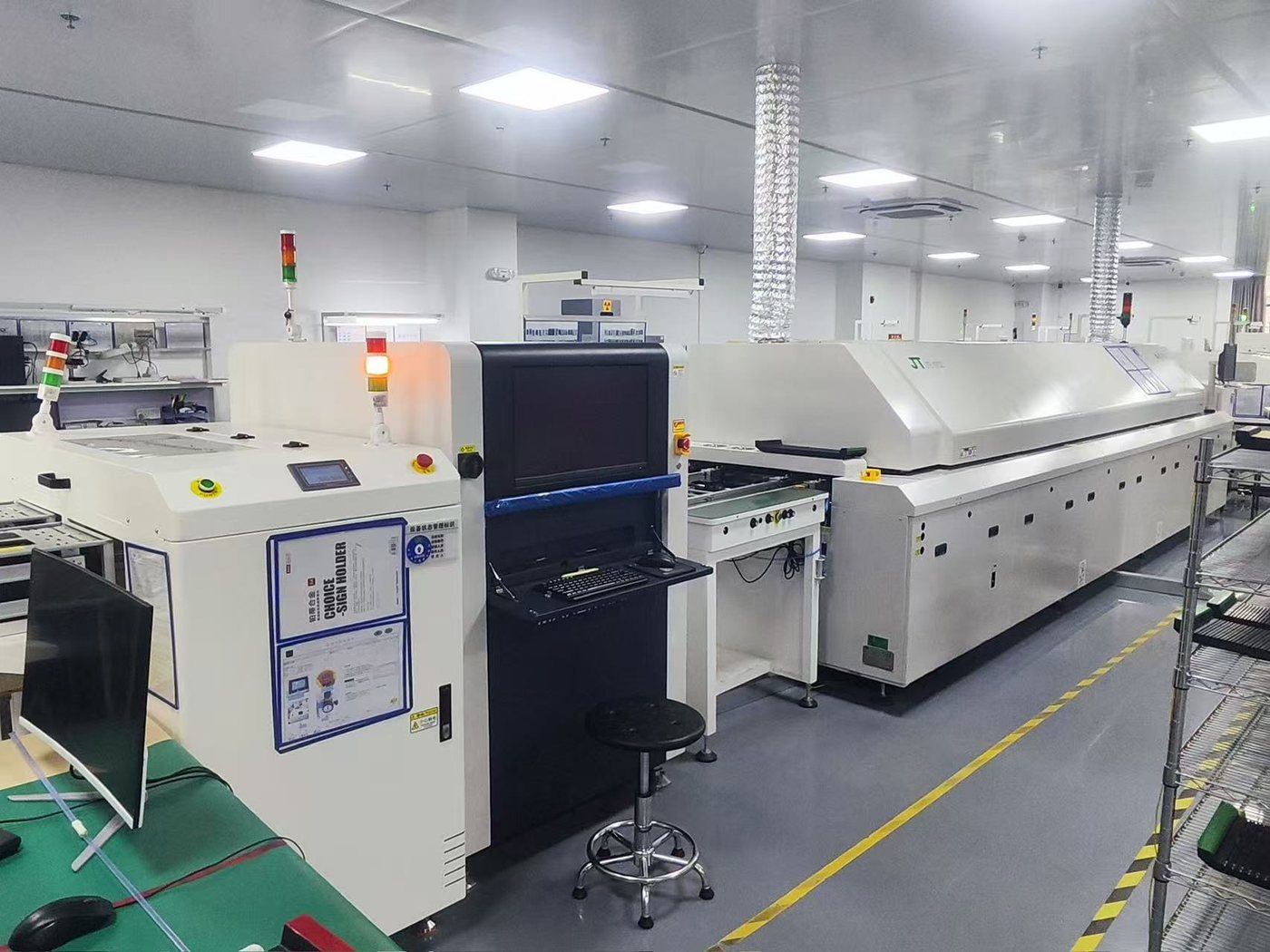
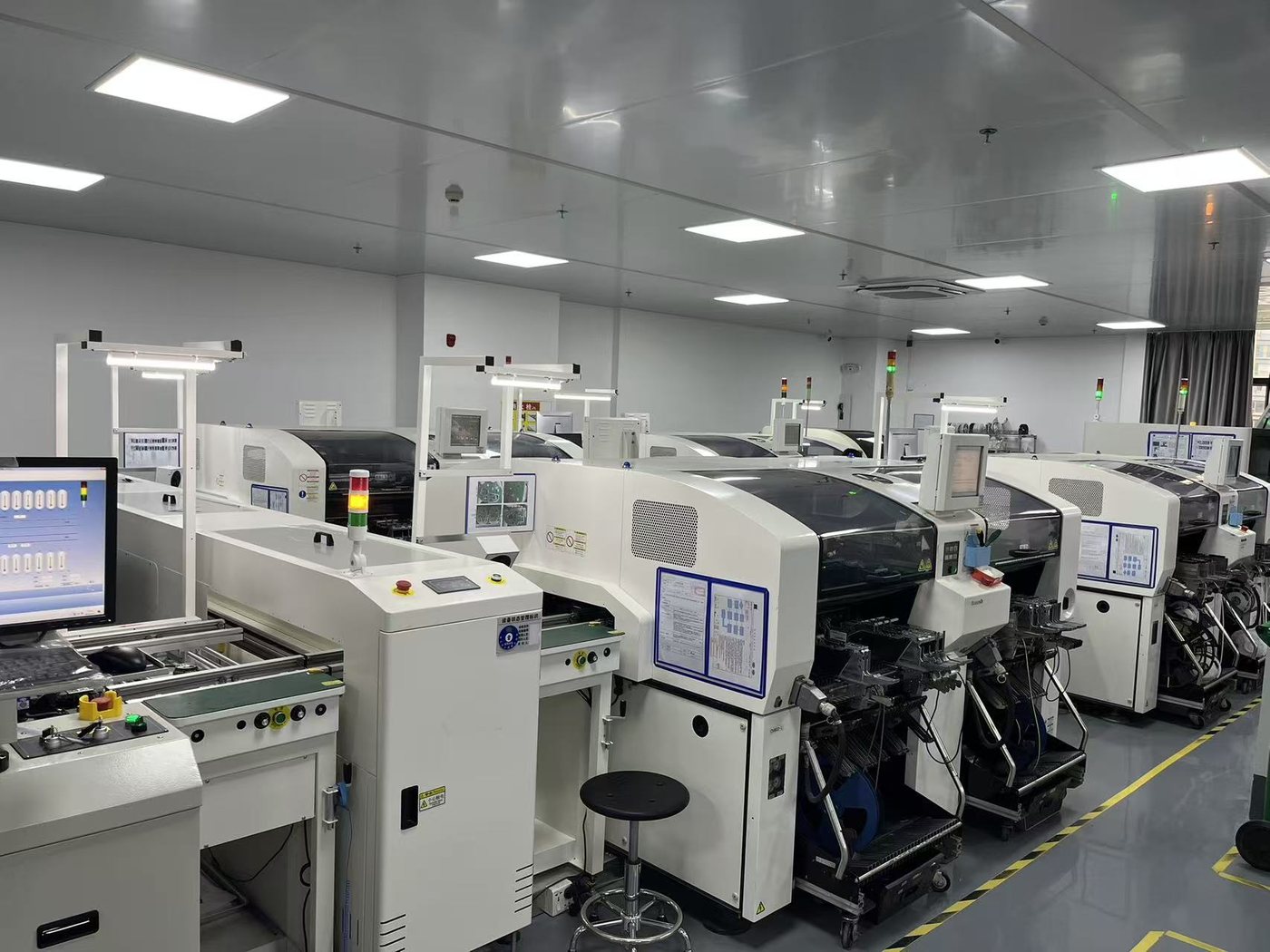
Kilandu builds prototypes on the same lines as production - four Yamaha SMT lines and three DIP lines in Shenzhen - with SPI, AOI and X-ray in process and ICT plus FCT in electrical test. Prototype and small-batch builds are quoted at 5 to 8 working days with components in stock; repeat orders at 2 to 3 weeks; a first mass-production run at 2 to 5 weeks. The first article of a volume run is inspected to the full scope agreed at quotation rather than sampled, and the approved board is retained as the golden sample for later builds.
Where the detail is documented
The three stages are described in full on the PCBA prototype page, and the approval gate is covered on the testing page. The file set needed to start is on the quote requirements page. To start a prototype, send the Gerber, the BOM with part numbers and the assembly drawing to alden@kilandu.com.


-
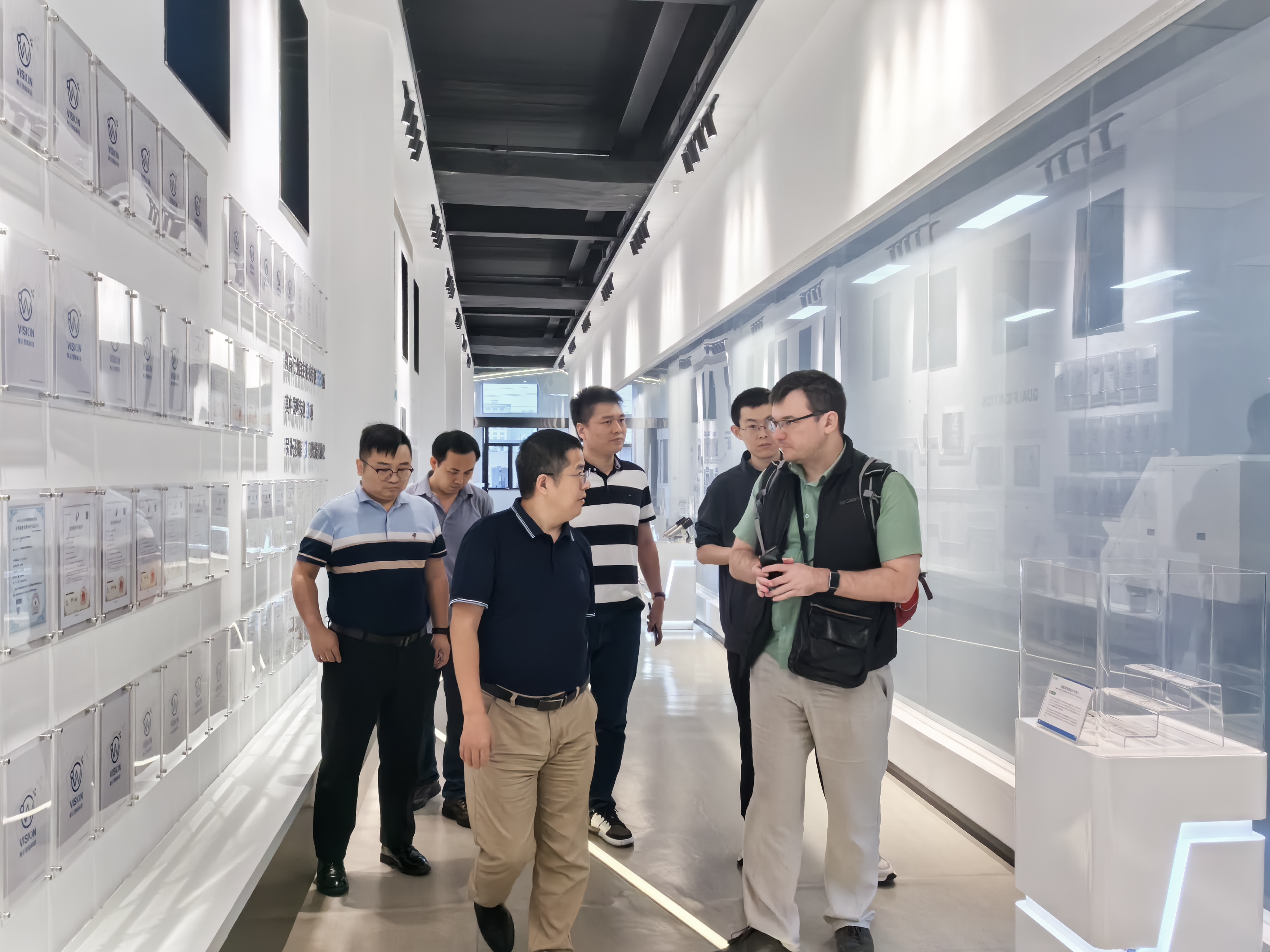
Welcome customers to visit our branch companies for factory inspection and guidance
-
ExpeElectronica2024 in Munich, Germany
-

Connecting Infinite Possibilities | Bao'an District New Union 'Ignite Learning' Class (including our Shenzhen Jintianlei Innovation Technology Co., Ltd.) visited Biz Link to discuss new
-
PCBA industry global prospects
-
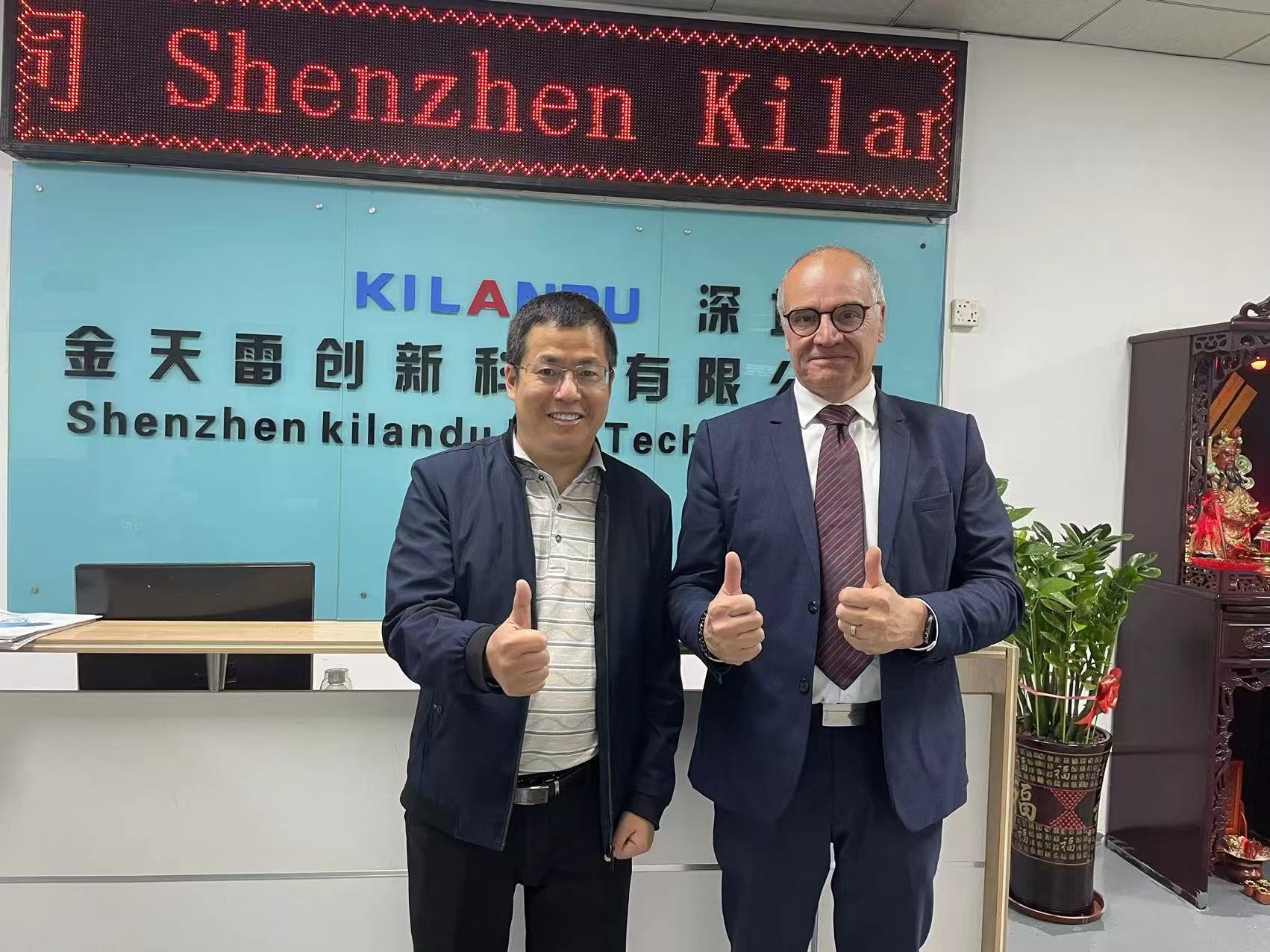
Welcome French customer PACE to visit our factory for audit