
Short answer. For a board that has already passed first article, mass production in China typically runs 2 to 5 weeks from material release to shipment. Prototype and small-batch builds take 5 to 8 working days when the components are in stock, and repeat orders take 2 to 3 weeks. The useful question is not what a factory quotes as a headline lead time, but which of those three windows your order falls into.
Three lead times, not one
An order moves through distinct states, and each state has its own clock. Quoting a single number hides which clock is running.
- Prototype and small batch - 5 to 8 working days. Applies when the BOM is available from stock and the build is a first article. Stencil, programming and test fixtures are the items that decide whether the short end is achievable.
- Repeat order - 2 to 3 weeks. The process is already proven, the stencil and fixtures exist, and the test program has been signed off. What remains is material replenishment and line time.
- First mass-production run - 2 to 5 weeks. A first volume build repeats the prototype process at volume, and material for the full quantity is ordered against the released BOM rather than pulled from stock.
What creates the gap between 2 and 5 weeks
The spread is not line speed. A SMT line places the same number of points per hour whether the order is 500 boards or 5,000. The spread comes from four items:
- Material lead time. A released BOM mixes parts that ship from stock with parts that carry a 6 to 16 week factory lead. The longest single part sets the start date, not the average.
- First article approval. The volume run does not start until the first article is inspected and approved in writing. Every day the approval takes is a day added to the window.
- Tooling and programming. Stencils, test fixtures, ICT programs and programming files are built against the specific board. They are one-time work that sits in front of the first run and disappears from repeat orders.
- Process steps after placement. Conformal coating needs cure time before handling. Mixed through-hole content, selective solder and unit-level test all add serial time that placement alone does not show.
What sits outside the assembly window
Two things are commonly folded into a lead time in conversation and should not be. PCB fabrication is quoted and scheduled separately from assembly, and its schedule is the board house's, not the assembler's. Customer-supplied material that arrives late moves the start date by exactly the delay. Neither is a reason to distrust a quoted date, but both need to be on the table before the date is agreed.
How buyers hold the shorter end of the range
- Send the BOM before the order. Long-lead and allocation-risk lines can then be flagged at quotation instead of discovered at material release.
- Approve the first article quickly and in writing. Verbal approval typically restarts the discussion at shipment.
- Keep repeat orders on the same BOM. A part change reopens sourcing, and it reopens the lead time with it.
- Split the shipment if the schedule is fixed. A partial release against finished boards is often the difference between hitting an assembly date and missing it.
What Kilandu commits to
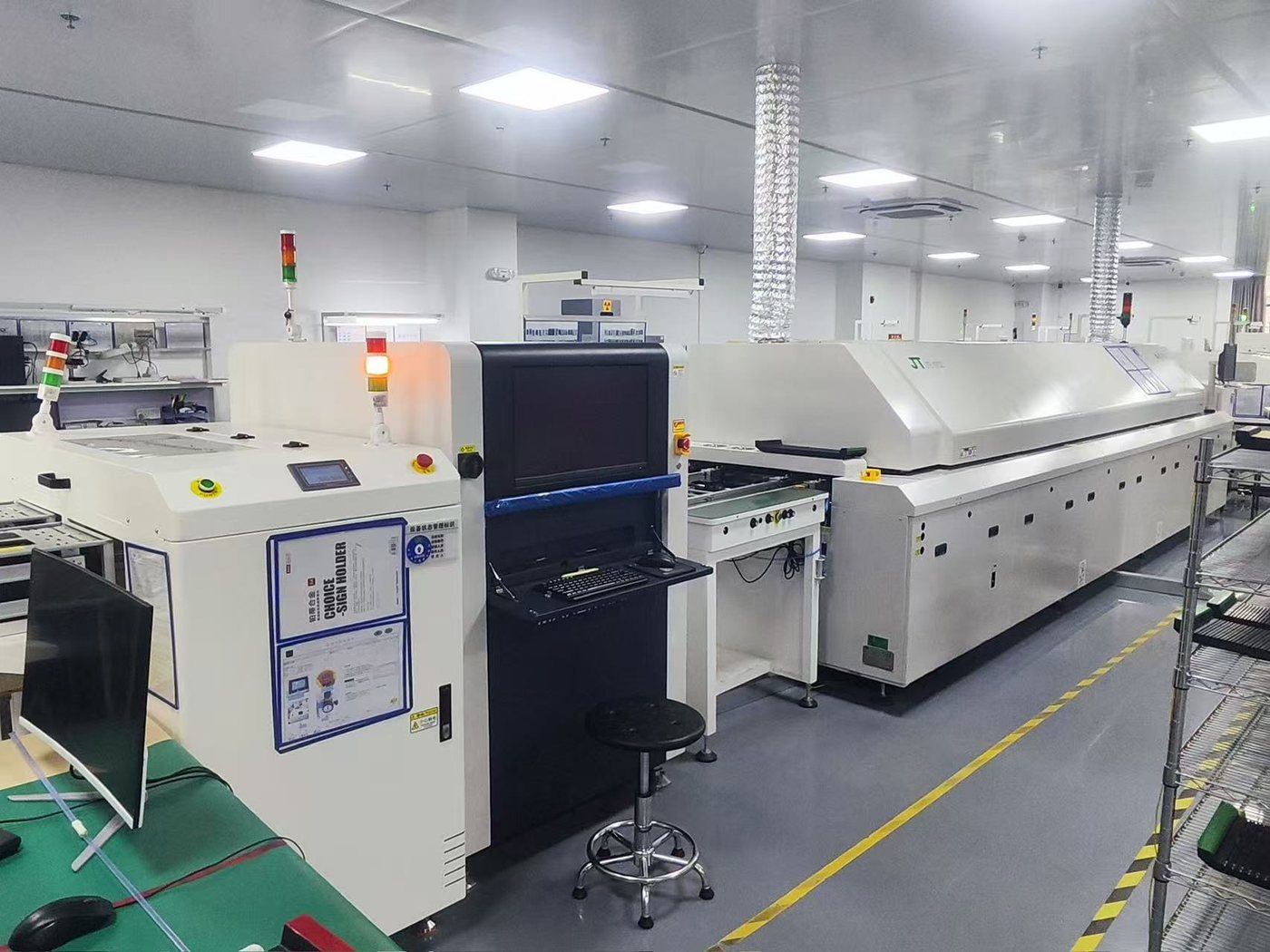
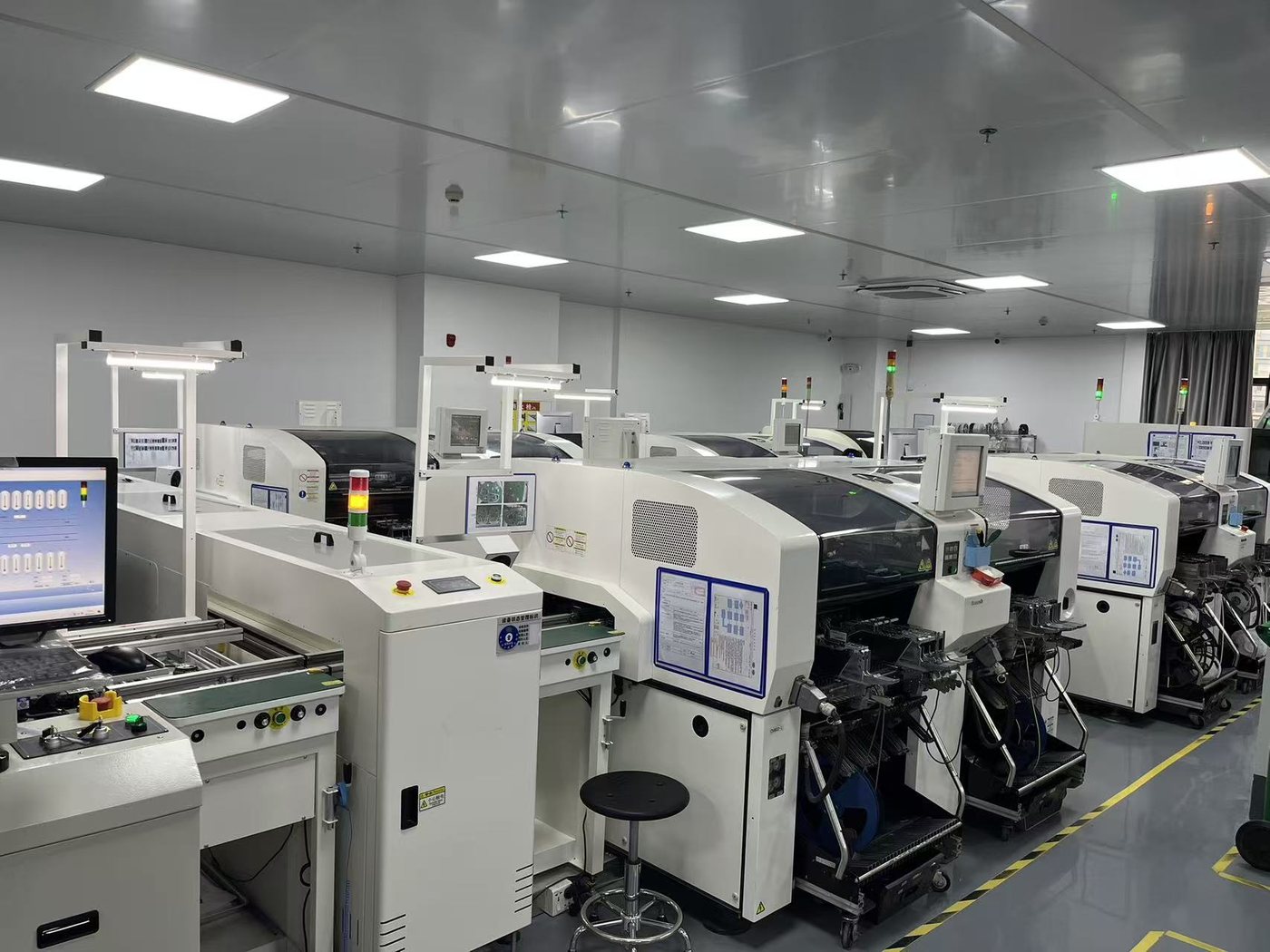
Kilandu runs four Yamaha SMT lines and three DIP and through-hole lines in Shenzhen, with a monthly placement capacity of 150 million points. Mass production is quoted at 2 to 5 weeks, prototypes at 5 to 8 working days with components in stock, and repeat orders at 2 to 3 weeks. The volume run is released only after the first article has been inspected and approved against the drawing, and each lot carries traceability from incoming material through final test.
Where the detail is documented
The factors behind each date are set out on the MOQ and lead time page. Line capacity and equipment are listed on the factory capabilities page, and the quotation inputs that fix a date are on the quote requirements page. If you want a date against a specific BOM, send it to alden@kilandu.com and it will be answered with the long-lead lines named.
Previous:没有了


-
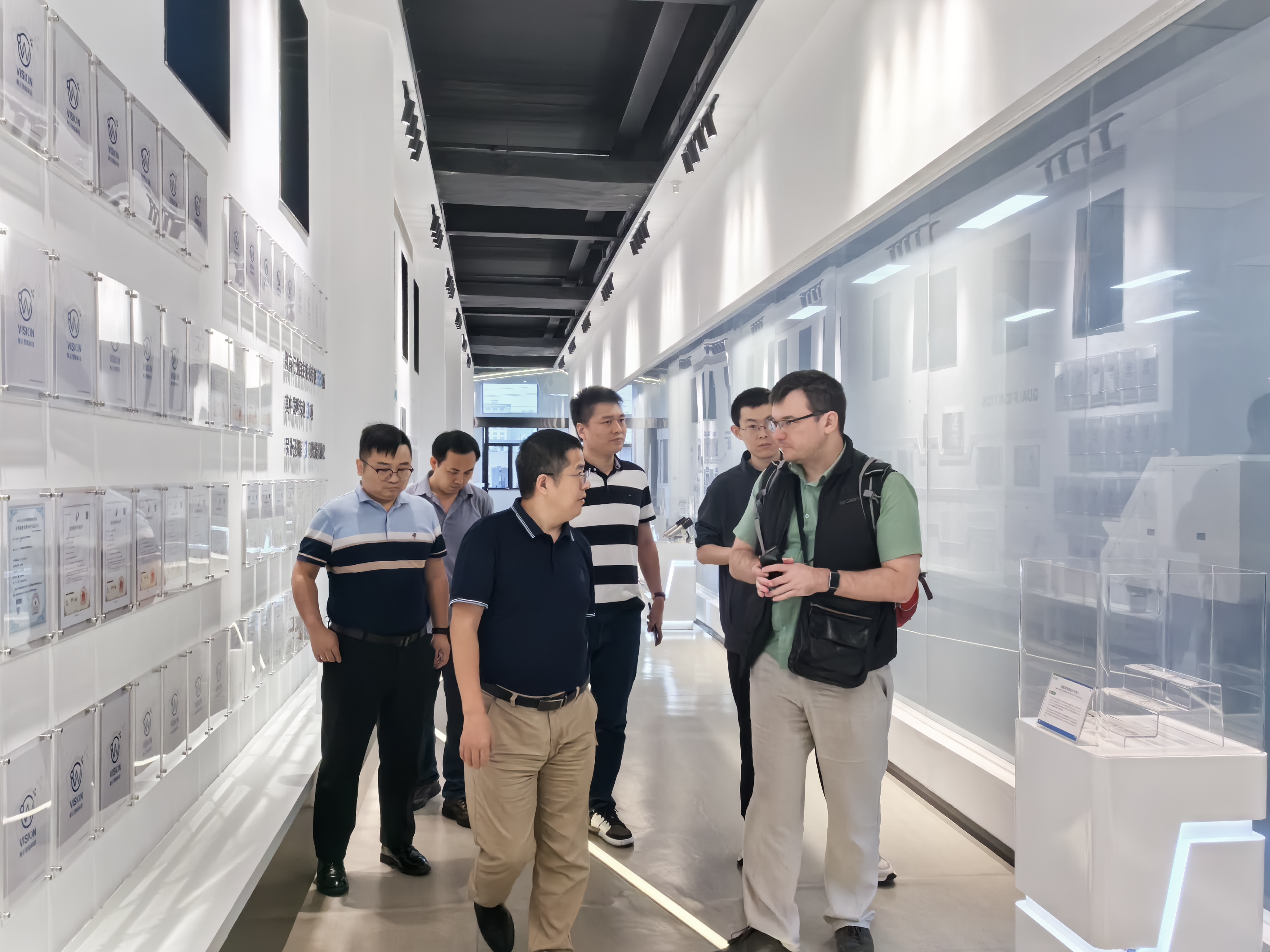
Welcome customers to visit our branch companies for factory inspection and guidance
-
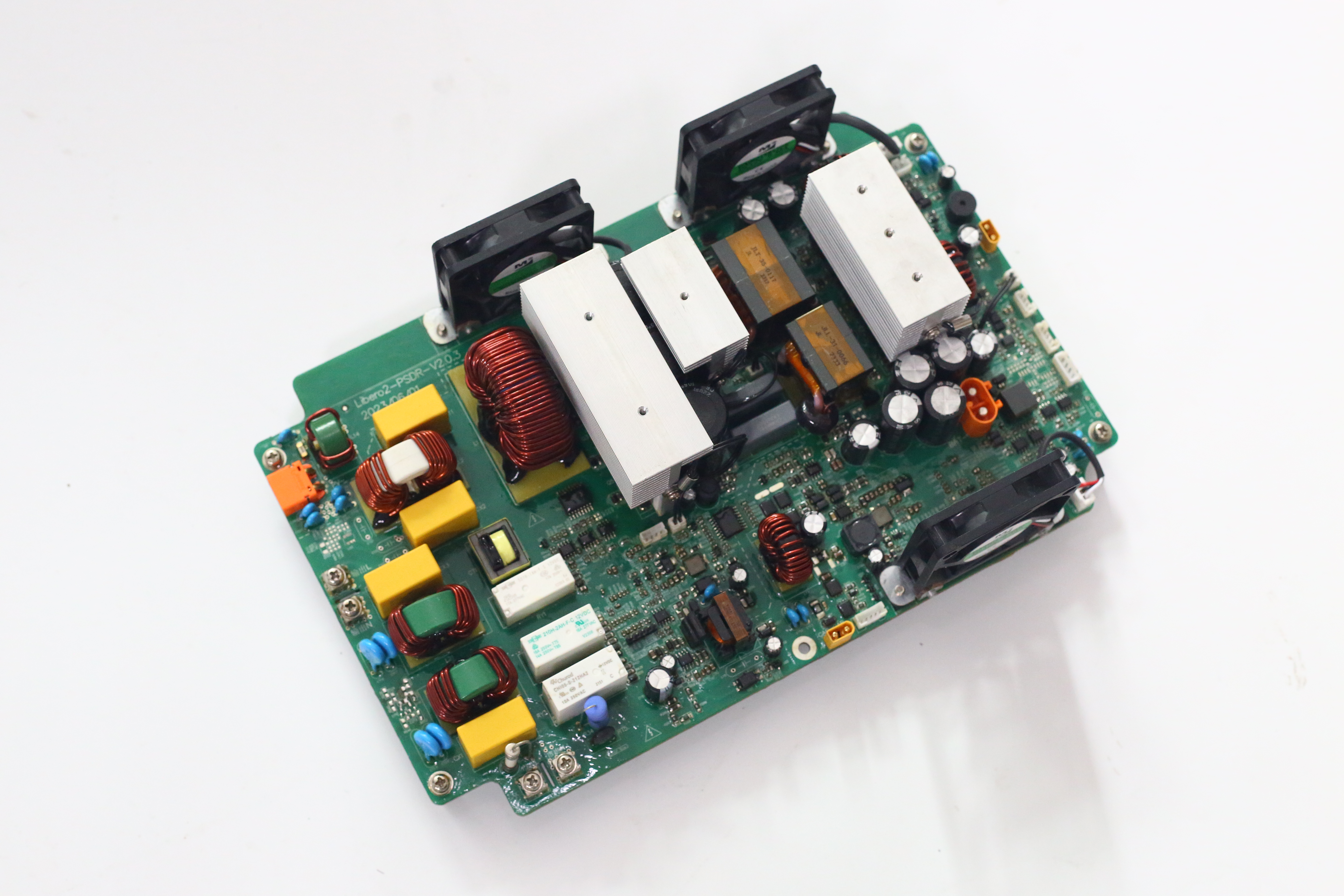
ExpeElectronica2024 in Munich, Germany
-
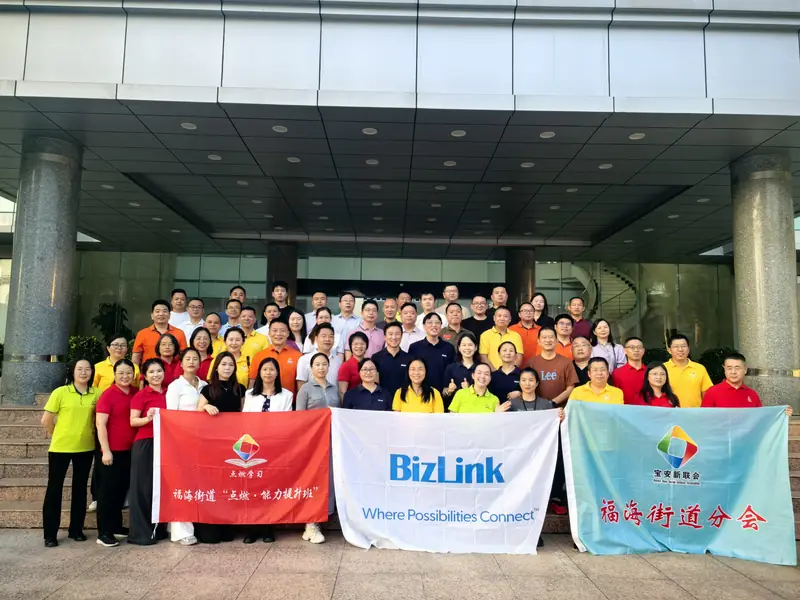
Connecting Infinite Possibilities | Bao'an District New Union 'Ignite Learning' Class (including our Shenzhen Jintianlei Innovation Technology Co., Ltd.) visited Biz Link to discuss new
-
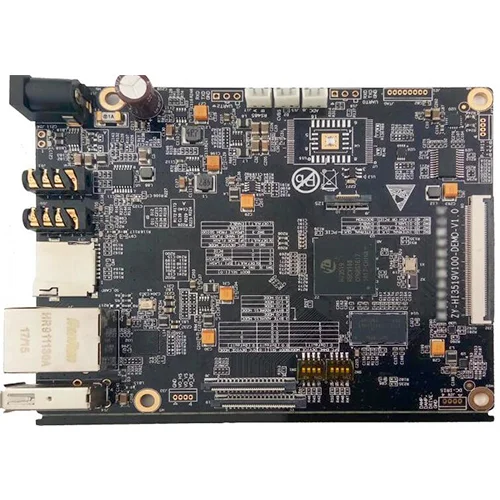
PCBA industry global prospects
-
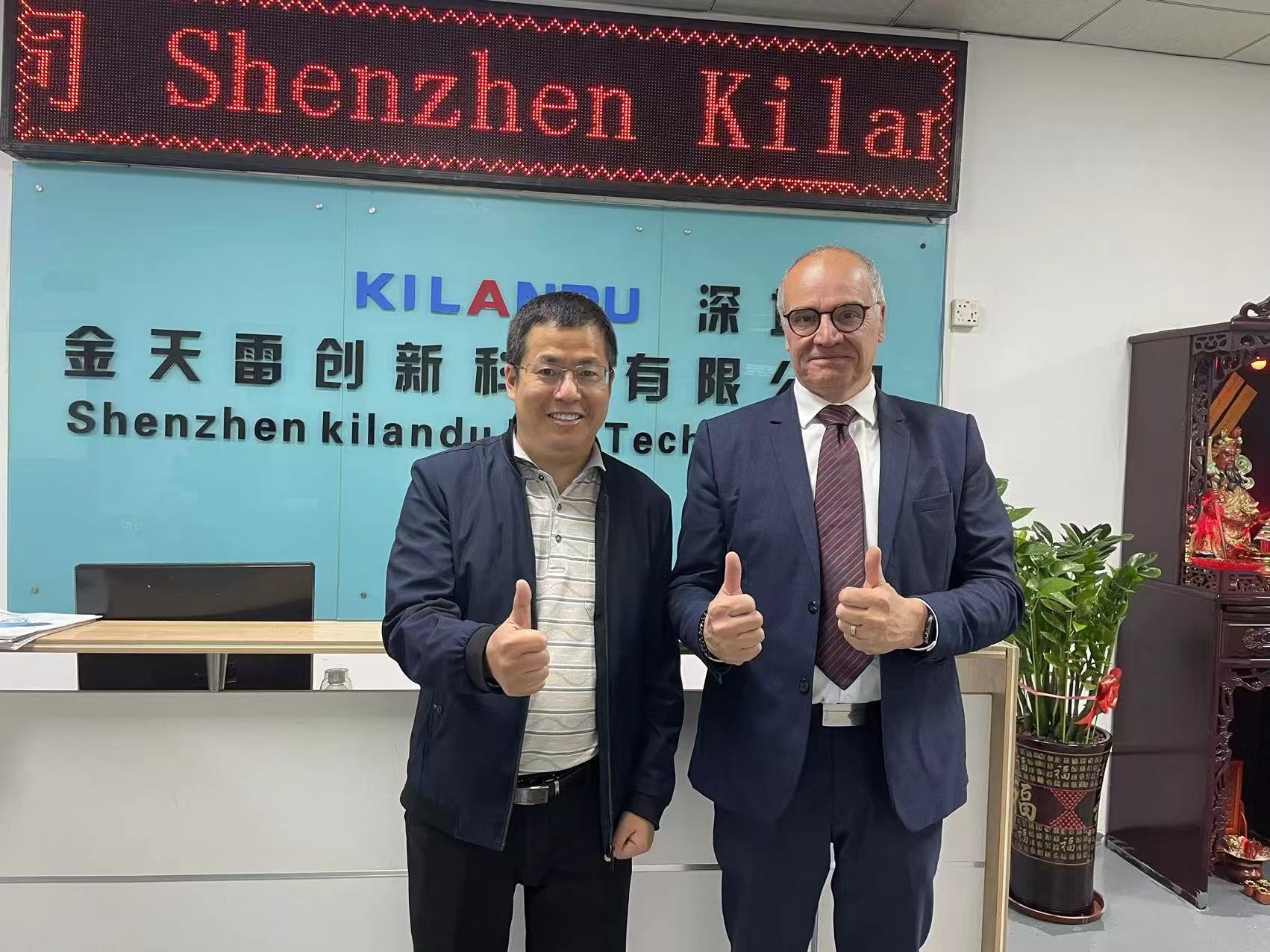
Welcome French customer PACE to visit our factory for audit