Short answer. Yes - both models are normal, and a single order can mix them. Under full turnkey the assembler buys the material and carries the sourcing risk. Under consignment the customer supplies the parts and the assembler carries only the process risk. Kilandu runs both, and accepts a BOM where some lines are consigned and the rest are sourced.
What actually changes between the two
The difference is not who pays for the parts. It is who owns the failure when a part is wrong.
- Full turnkey. The assembler buys against the BOM, verifies the part against the drawing, and is responsible for a wrong reel reaching the line. Counterfeit and authenticity checks sit with the assembler, and so does the allocation conversation when a part is short.
- Consignment. The customer buys and ships the material. The assembler verifies what arrives against the BOM and the packing list, and raises a discrepancy before the line runs. Responsibility for a wrong part sits upstream, but responsibility for catching it still sits at goods-in.
A mixed BOM behaves like both at once, which is why the split has to be recorded line by line rather than agreed in conversation.
What consignment changes in inspection
Consigned material is inspected at goods-in against what the customer declared. Three things get checked and recorded: quantity against the packing list, part number and date code against the BOM, and condition - moisture-sensitive parts need their barrier bag and humidity indicator card intact, and reels need enough remaining to complete the run without splicing. Discrepancies are raised in writing before the build, not discovered at the end of it.
What consignment cannot fix is a part that was already out of specification when it arrived. If a customer-supplied reel carries a wrong date code or a suspect marking, the record shows it was received that way, and the decision on whether to build belongs to the customer.
Where consignment usually goes wrong
- Short quantity. Reels are counted in full reels, not in parts. A BOM calling for 1,000 pieces against a 900-piece partial reel will stop the line.
- No spares. Placement loss and rework consume parts. A consigned line with zero spares has zero margin for a mounter drop.
- Mixed date codes and mixed suppliers. Two purchases of the same part number can behave differently in reflow. On a consigned build the assembler has no visibility of that until the boards are running.
- MSL handling after arrival. Parts shipped without desiccant, or opened before they reach the line, need baking. That time is not in the assembly quote.
How to split a BOM sensibly
The practical split follows risk rather than price. Consign the parts you already control - a connector you designed in, a programmed MCU you buy in volume, a part your customer specifies by name. Leave the commodity passives, the long-tail BOM lines and the parts with allocation risk with the assembler, because sourcing those is the work you are paying for. On a first build, a fully turnkey run removes one variable from the schedule; on a repeat build with a controlled AVL, consignment is usually cheaper.
What Kilandu does
Kilandu quotes full turnkey and consigned builds, including BOMs split between the two, and no component is substituted without written approval. Long-lead and allocation-risk lines are flagged at quotation. Goods-in inspection records consigned material against the packing list and the BOM, and each lot carries traceability from incoming material through final test. In-process inspection is SPI plus AOI plus X-ray, and electrical test is ICT plus FCT.
Where the detail is documented
Sourcing and AVL handling are described on the component sourcing page. The inputs needed to quote a mixed BOM are listed on the quote requirements page, and the ordering sequence is on how to order PCBA. Send the split BOM to alden@kilandu.com and it will be quoted with the consigned lines marked.

-
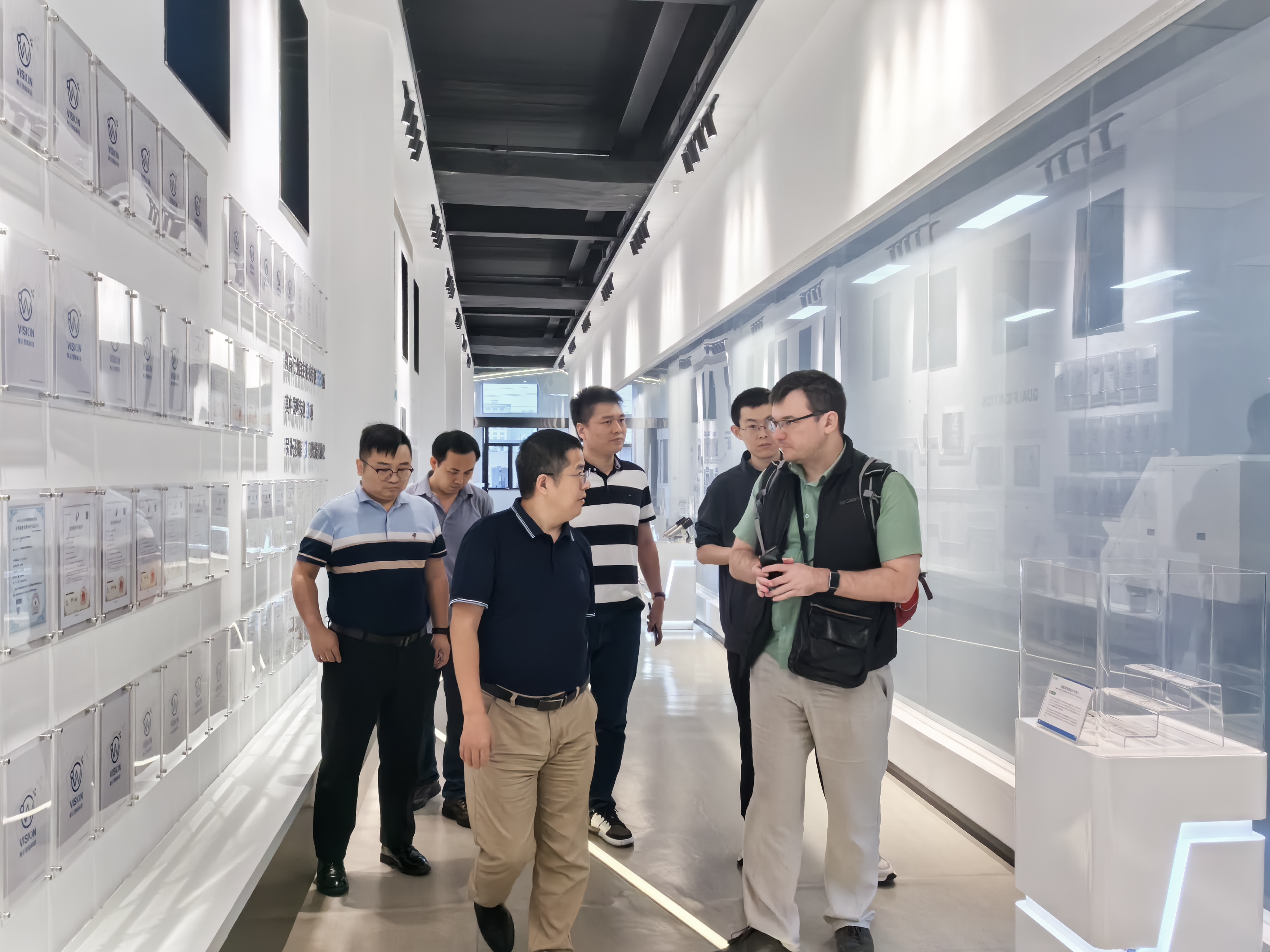
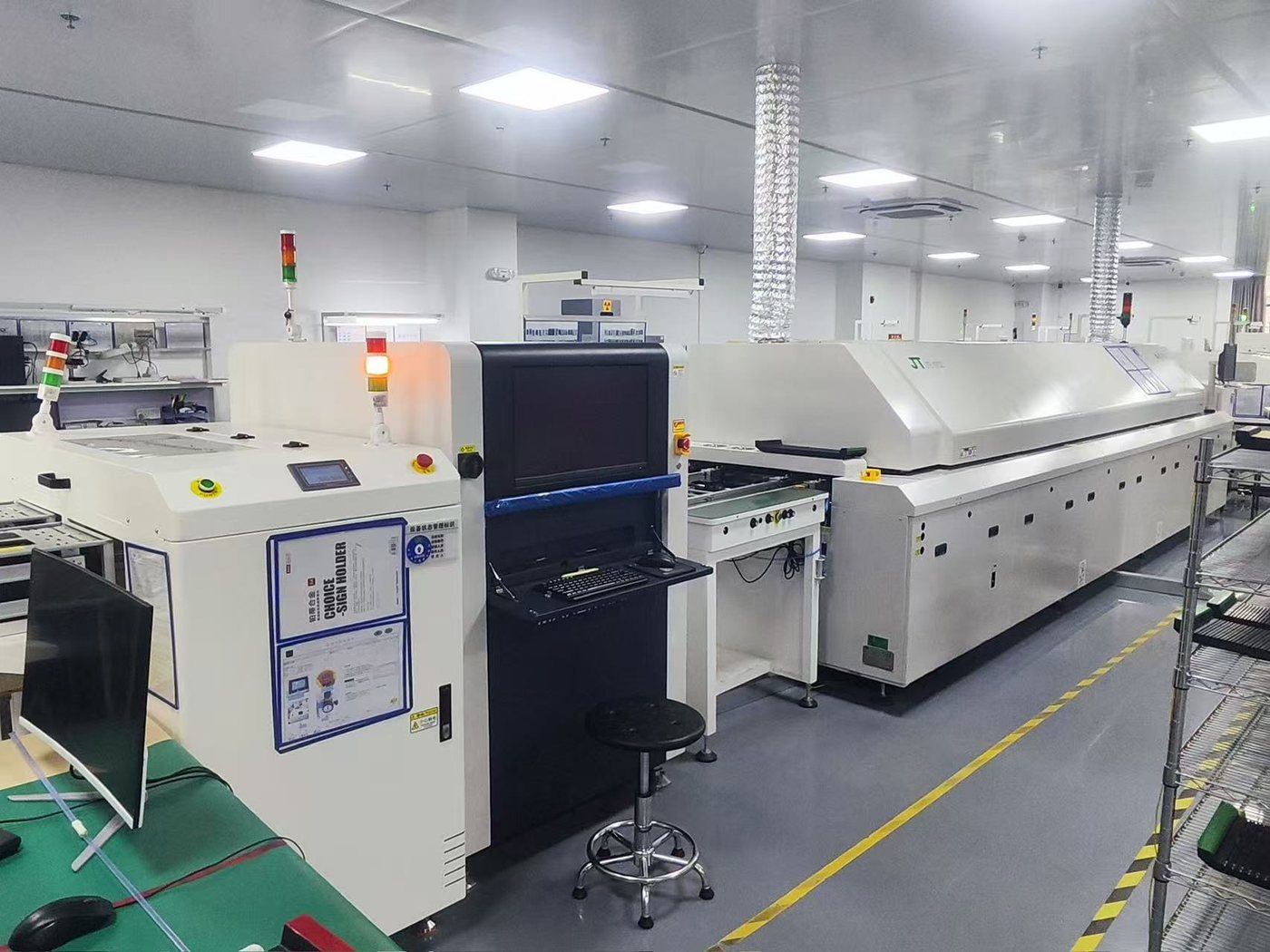
Welcome customers to visit our branch companies for factory inspection and guidance
-
ExpeElectronica2024 in Munich, Germany
-
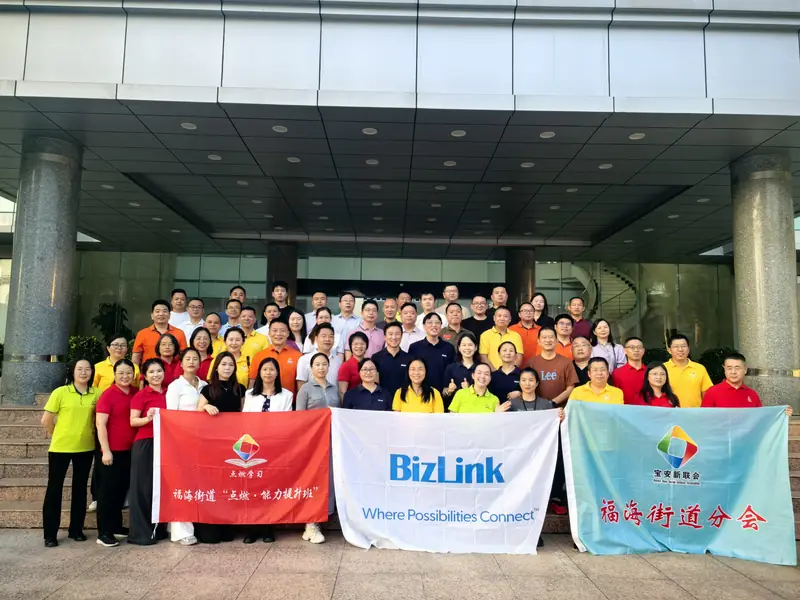
Connecting Infinite Possibilities | Bao'an District New Union 'Ignite Learning' Class (including our Shenzhen Jintianlei Innovation Technology Co., Ltd.) visited Biz Link to discuss new
-
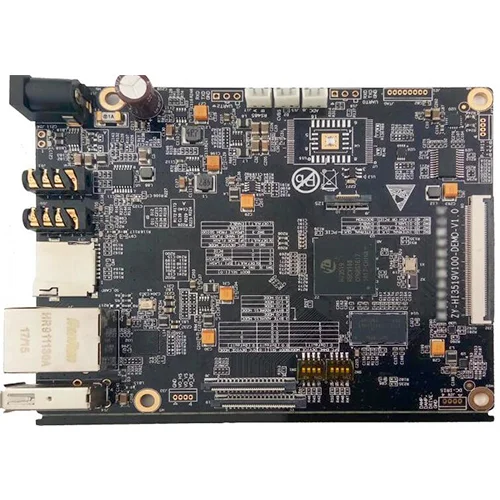
PCBA industry global prospects
-
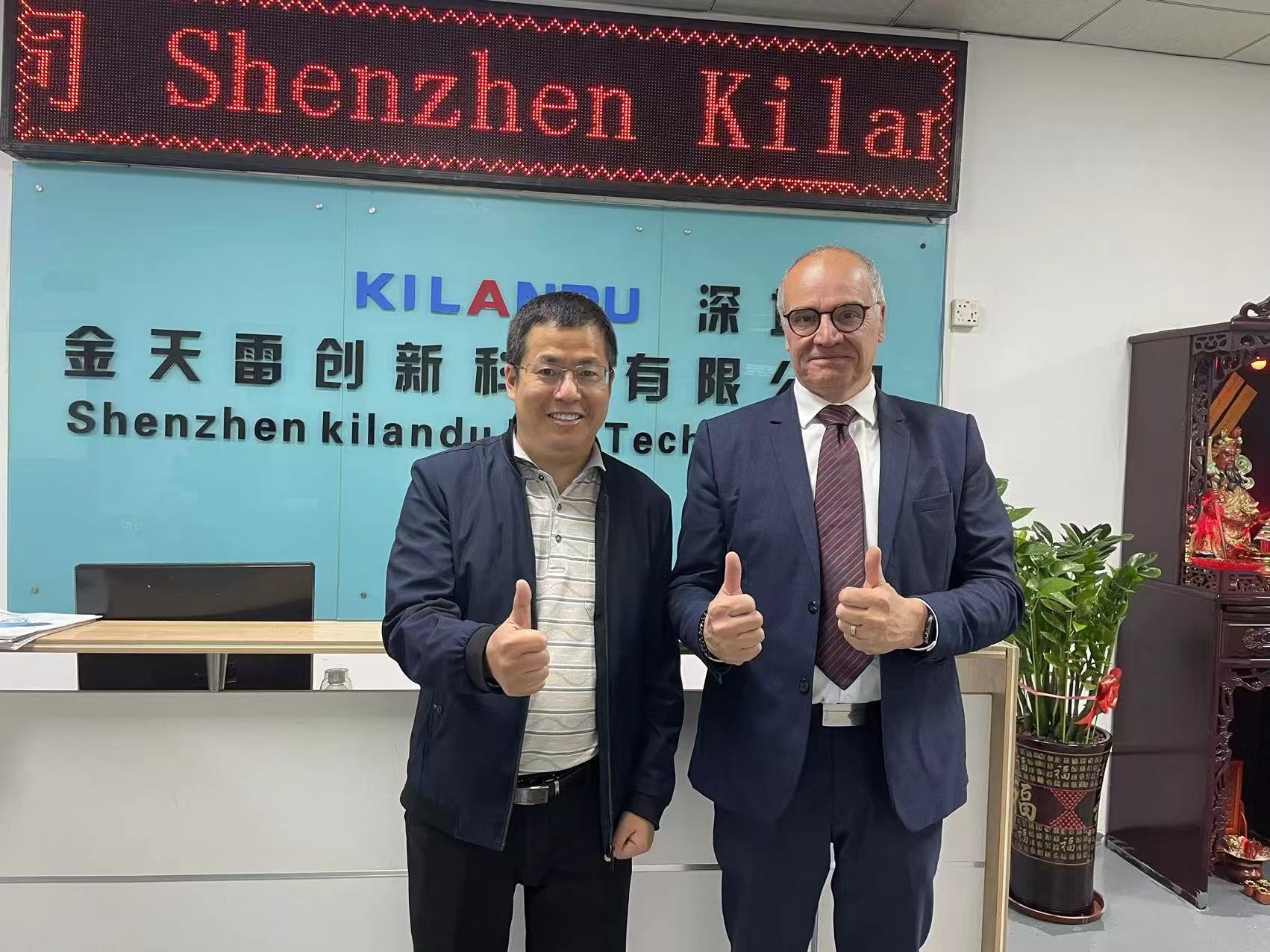
Welcome French customer PACE to visit our factory for audit