

Short answer. IPC-A-610 Class 3 is the acceptance class for products where continued operation is critical - the board must function when it is needed. Compared with Class 2 it tightens the limits on solder fillets, voiding, damage, cleanliness and rework rather than changing the process itself. Kilandu builds to Class 3 acceptance, and the class is written into the inspection criteria for the order rather than left as a general claim.
What the classes actually regulate
IPC-A-610 is an acceptance standard, not a manufacturing standard. It describes what a finished joint, component and assembly must look like to be accepted. Three classes are defined:
- Class 1 - general electronic products, where the primary requirement is that the assembly functions.
- Class 2 - dedicated service products, where continued operation is expected but cosmetic imperfection is tolerable.
- Class 3 - products where continued operation is critical, and where the equipment may have to function on demand in harsh conditions.
The difference between Class 2 and Class 3 is a set of tighter numbers, not a different machine. That is why a supplier can honestly say it "supports Class 3" while producing boards that would fail a Class 3 inspection, if the class was never written into the work instruction.
Where the difference shows up on a real board
- Solder fillet and wetting. Class 3 requires a fuller fillet and tighter coverage on termination areas. A joint that passes Class 2 on visual inspection can fail Class 3 on the same bench.
- Voiding in thermal and BGA joints. The permitted void area is smaller, which pushes die-attach and thermal pad processes harder.
- Damage limits. Marking, laminate damage, and component body damage that is acceptable in Class 2 can be a defect in Class 3.
- Cleanliness. Residue limits tighten, which changes the cleaning decision rather than the soldering decision.
- Rework. Reworked joints are held to the same criteria as original joints, and the number of permitted rework cycles is constrained. This is where most Class 3 claims actually fail, because rework is where the process is least controlled.
What it costs, and where the cost goes
Class 3 does not usually change the placement price. It changes the amount of inspection, the amount of rework, and the yield at first pass. In practice the cost appears in three places: more inspection time per board, a higher scrap or rework rate on fine-pitch and area-array parts, and additional documentation if the customer wants the inspection record retained. A quotation that adds nothing for Class 3 is either already building to it or not inspecting to it.
How to write it into the order
- Name the class and the revision. "IPC-A-610 Class 3" without a revision is an argument waiting to happen. State the revision in the purchase order.
- Say which inspection method applies. Visual, AOI and X-ray cover different defect types. State whether X-ray is 100% or sampled.
- Define the acceptance authority. Who signs off a marginal joint - the supplier's inspector or the customer's engineer.
- State the rework policy. Permitted rework cycles, whether rework is re-inspected, and whether reworked units are marked.
- Ask for the record. If the class matters, the inspection result should be traceable to the lot or serial number.
What Kilandu does
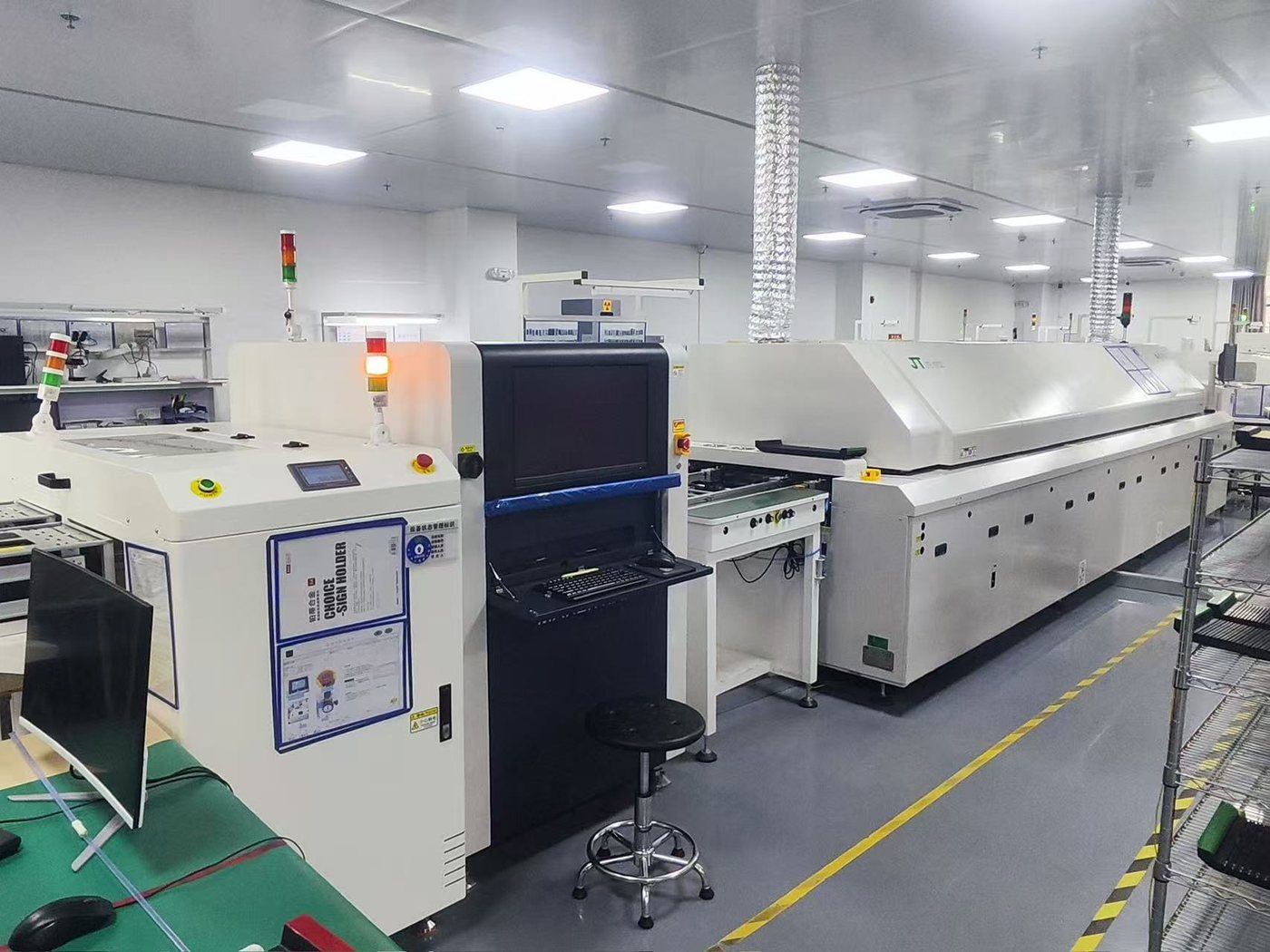
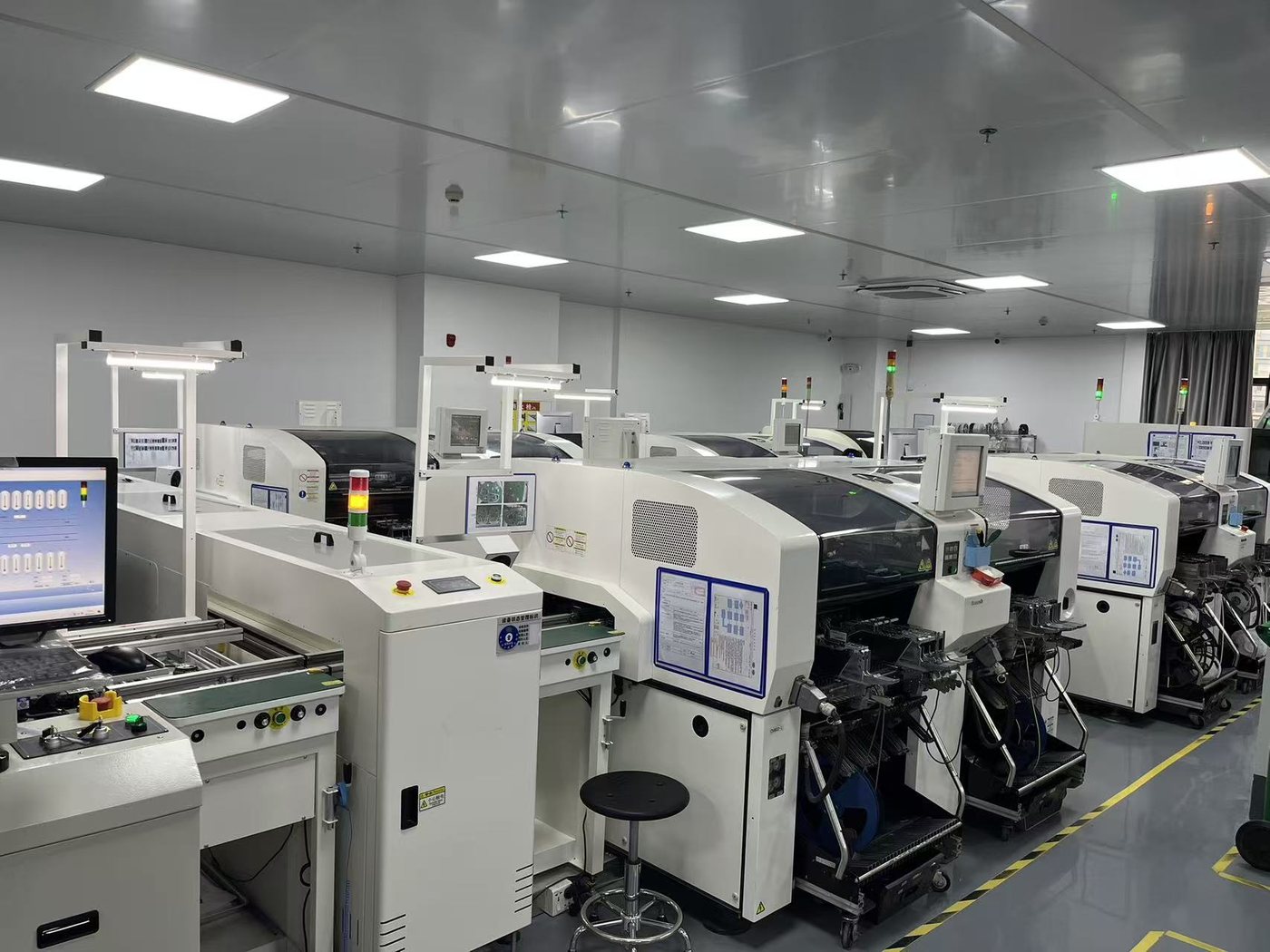
Kilandu builds to IPC-A-610 Class 3 acceptance, with SPI, AOI and X-ray in process and ICT plus FCT in electrical test. The class, the inspection method and the record requirement are fixed at quotation, and the acceptance criteria are written into the work instruction for the order rather than applied at the inspector's discretion.
Where the detail is documented
Acceptance criteria and how the classes are applied are described on the IPC-A-610 page. Quality-system scope and certificates are on the quality assurance page, and the inspection equipment is listed on the factory capabilities page. To have a specific board reviewed against Class 3, send the drawing to alden@kilandu.com.


-
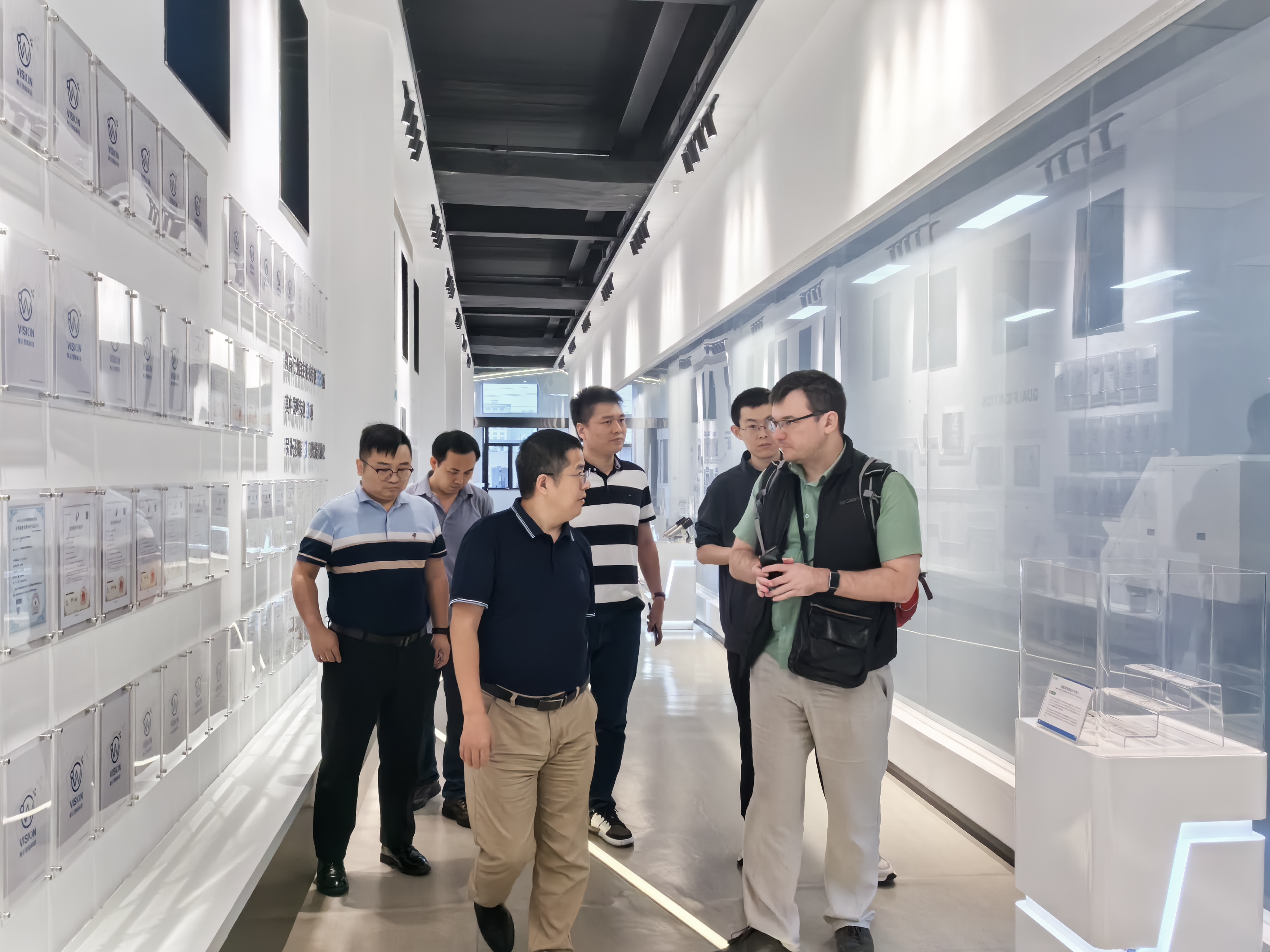
Welcome customers to visit our branch companies for factory inspection and guidance
-
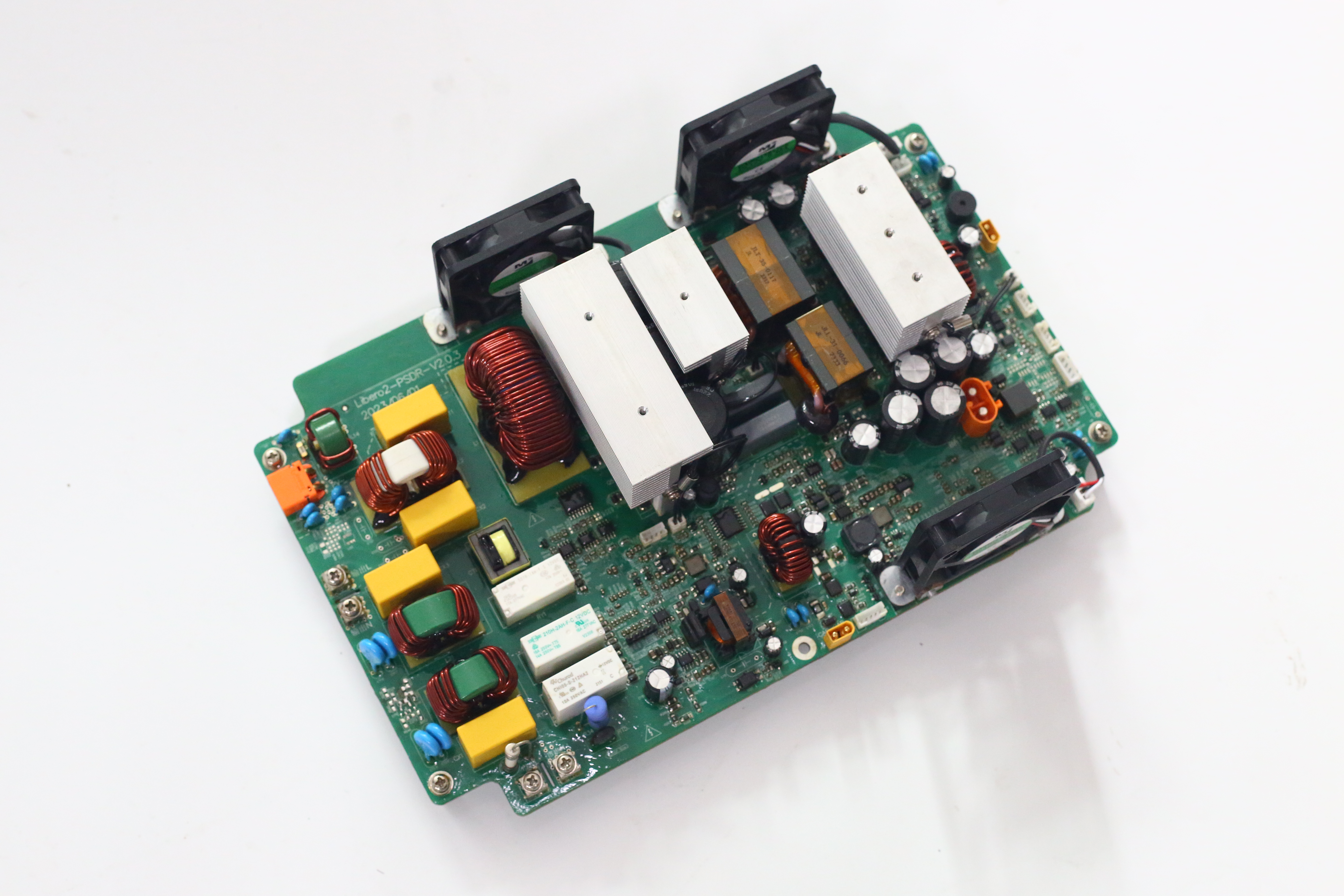
ExpeElectronica2024 in Munich, Germany
-
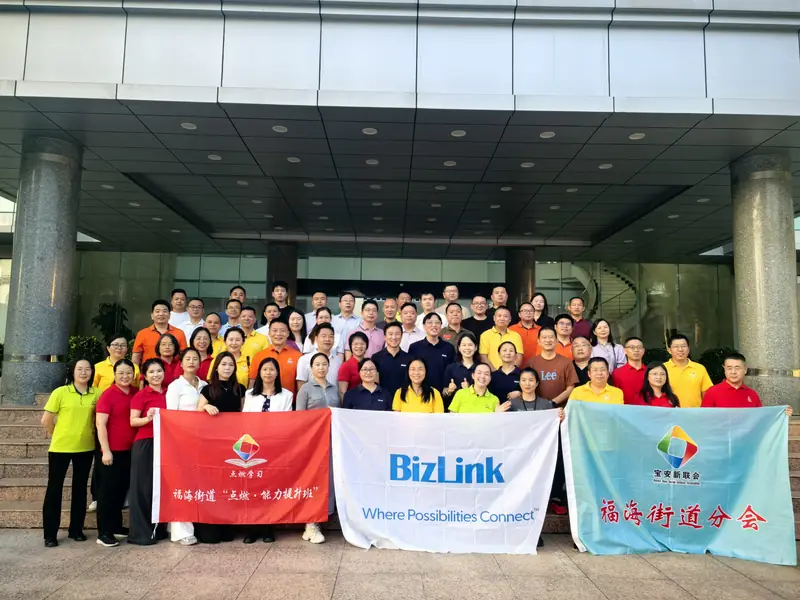
Connecting Infinite Possibilities | Bao'an District New Union 'Ignite Learning' Class (including our Shenzhen Jintianlei Innovation Technology Co., Ltd.) visited Biz Link to discuss new
-
PCBA industry global prospects
-
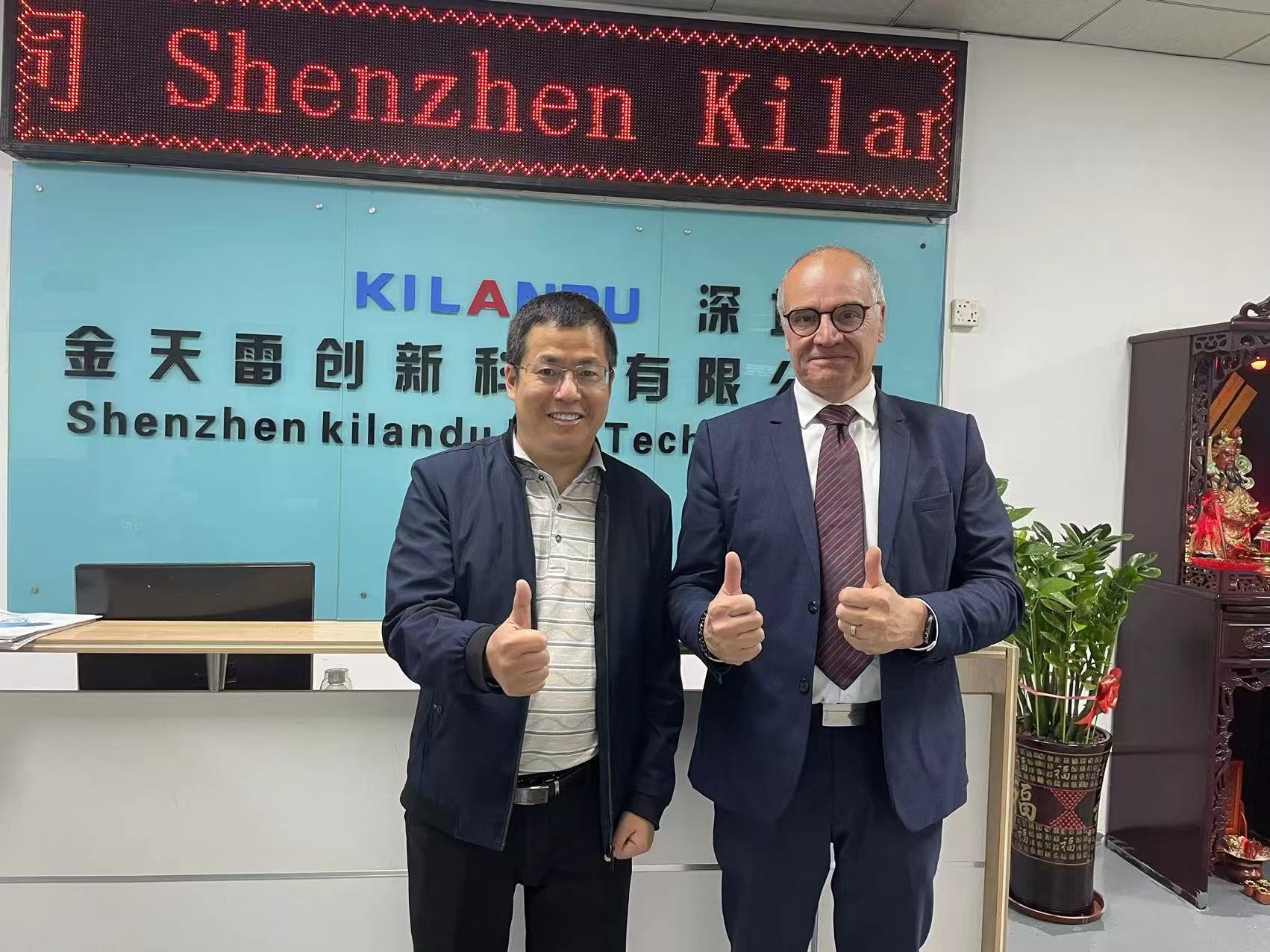
Welcome French customer PACE to visit our factory for audit