
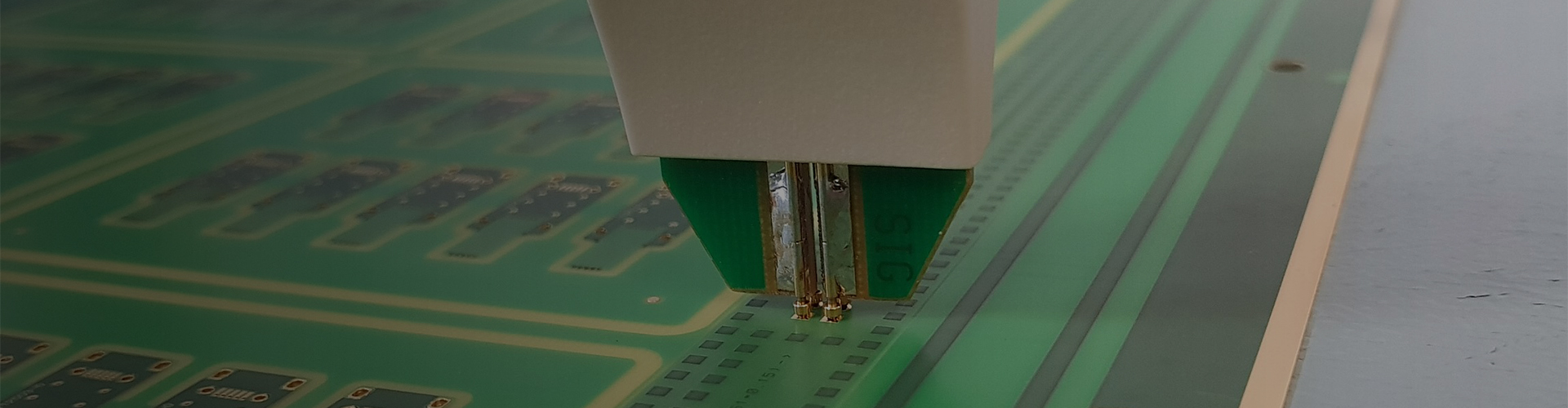
Short answer. A turnkey PCBA price is made of four parts: the material, the assembly labour, the one-time items that belong to your programme rather than to the order, and the costs that follow the board out of the factory. The material is usually the largest line and the least negotiable. The labour is the smallest line and the most variable. The one-time items are the part most quotations hide, because they appear once and then disappear from the invoice.
The elements inside a turnkey price
- Material. The BOM, bought against the approved vendor list. Cost follows the market, so the same board can cost differently six months apart.
- Assembly. Placement, through-hole work, soldering, inspection and test, priced per operation rather than per board.
- One-time items. Stencils, test fixtures, programming and the setup needed to run your specific board. These belong to the programme, not the order, and they are quoted separately for that reason.
- Logistics and packaging. Packing that survives the route, and the carriage to your door.
Why the unit price falls as quantity rises
The one-time items are spread over more boards, and the setup is amortised. A prototype that carries the full fixture cost shows a high price per board even when the labour is trivial. A repeat order at ten times the volume carries almost none of it. This is the normal reason a price falls with quantity, and it is also the reason two quotations at different volumes are not comparable.
The six decisions that move the number most
More than anything else, the price follows decisions made before the order - in the design, in the BOM and in the process choice. Six of them dominate:
- Board area and panel utilisation. Unusable panel area raises the bare board cost on every order, not only the first.
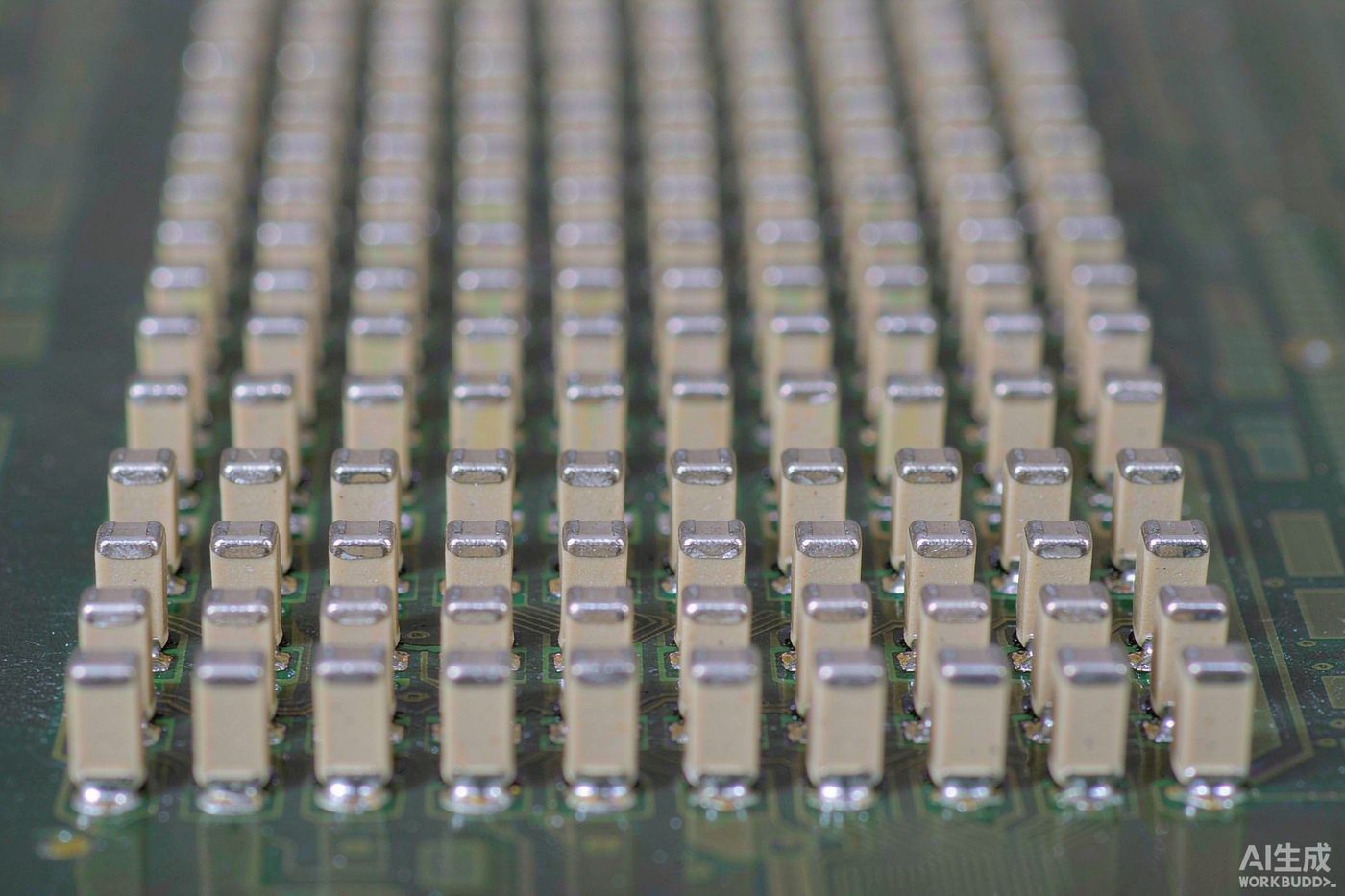
- Component count and placement count. Placement is priced by the point; the type count matters more than the total when the mix is wide.
- Fine pitch and area-array content. Smaller pitch means more demanding stencil and printing, and inspection time goes up with it.
- Test scope. The difference between a power-on check and a full functional test on a customer fixture is one of the largest single lines in a quotation.
- Coating. Material, labour, cure time and rework access all change when a board is coated.
- Where the parts come from. Consigned material removes the material line and the sourcing work, and adds the inspection of what arrives.
How to compare two quotations properly
Ask each supplier for the same four things: the BOM line total, the assembly line, the one-time items listed by name, and the test scope written out. If one quotation has four lines and the other has one, the difference is usually in what has been absorbed rather than in what has been saved. A quotation that separates material from labour is easier to challenge than one that gives a single number, and it is the only form in which a proposed saving can be checked.
What Kilandu does
Kilandu structures quotations with the material lines identified, the assembly and test scope written out, and one-time items listed separately, so the quantity break is visible rather than implied. The cost drivers are explained in more detail on the PCBA cost page, and the MOQ and lead time side of the same decision is on the MOQ and lead time page. If you have a BOM and a target quantity, send both to alden@kilandu.com and ask for the quotation to be broken out that way.


-
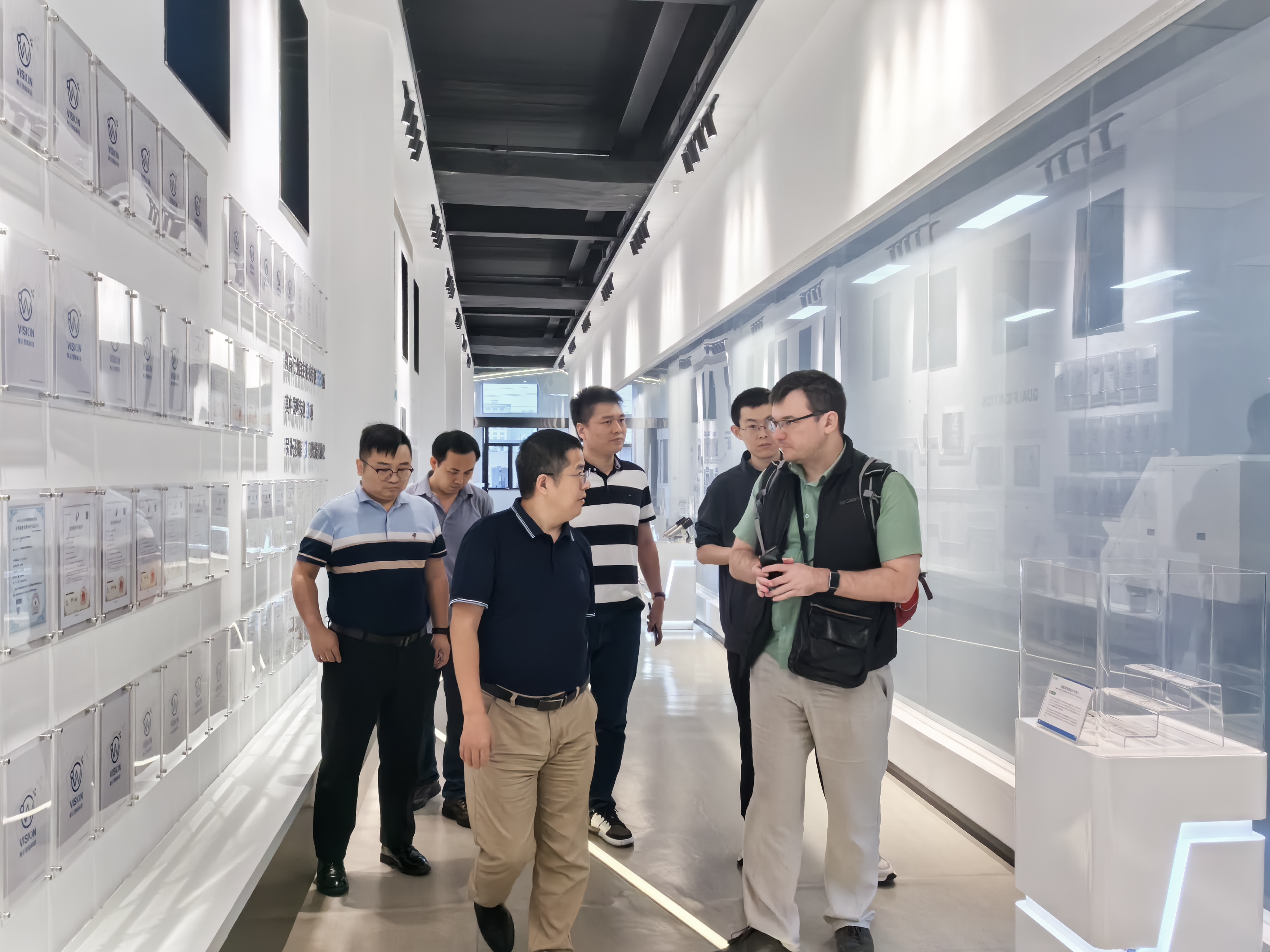
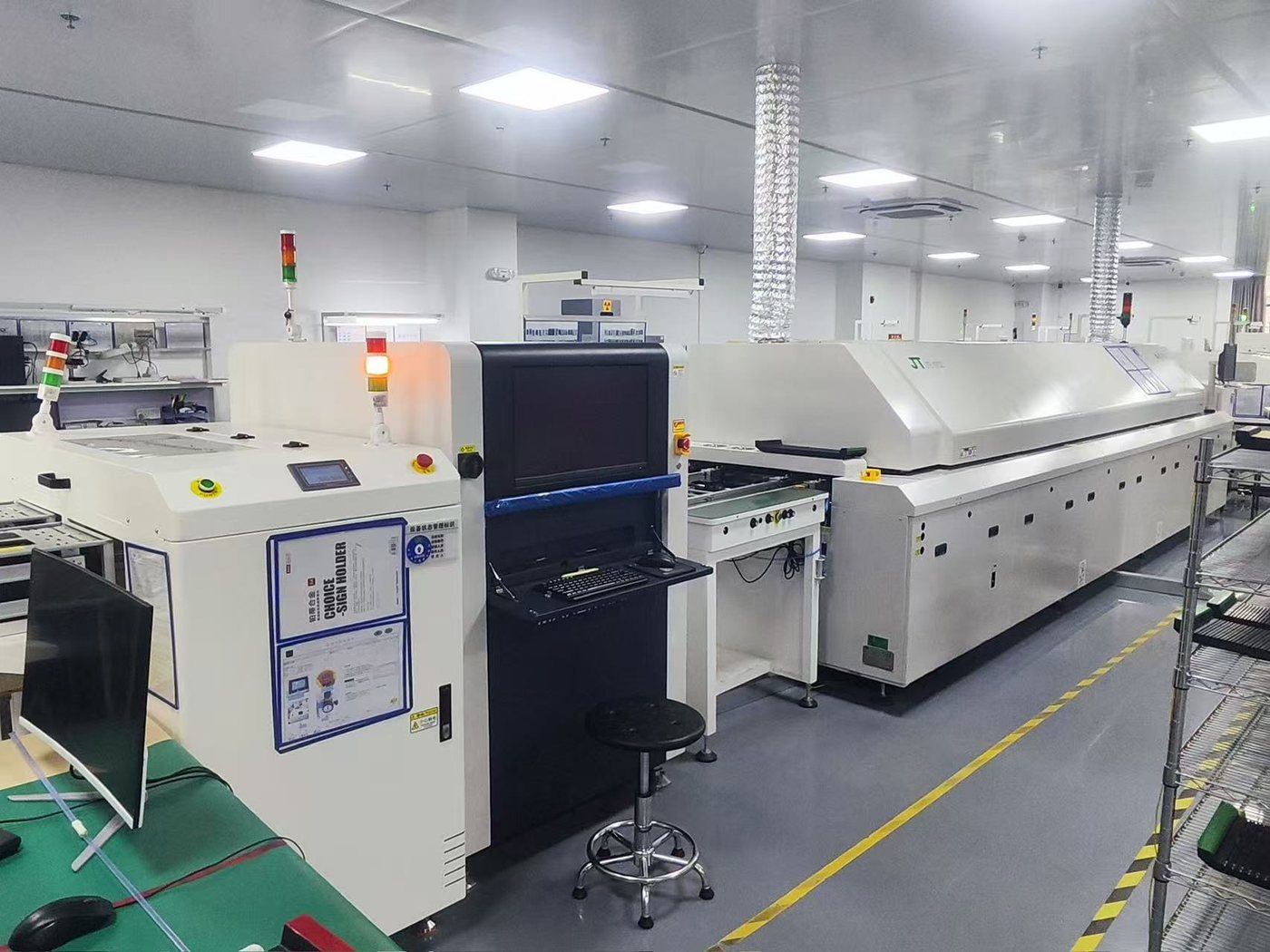
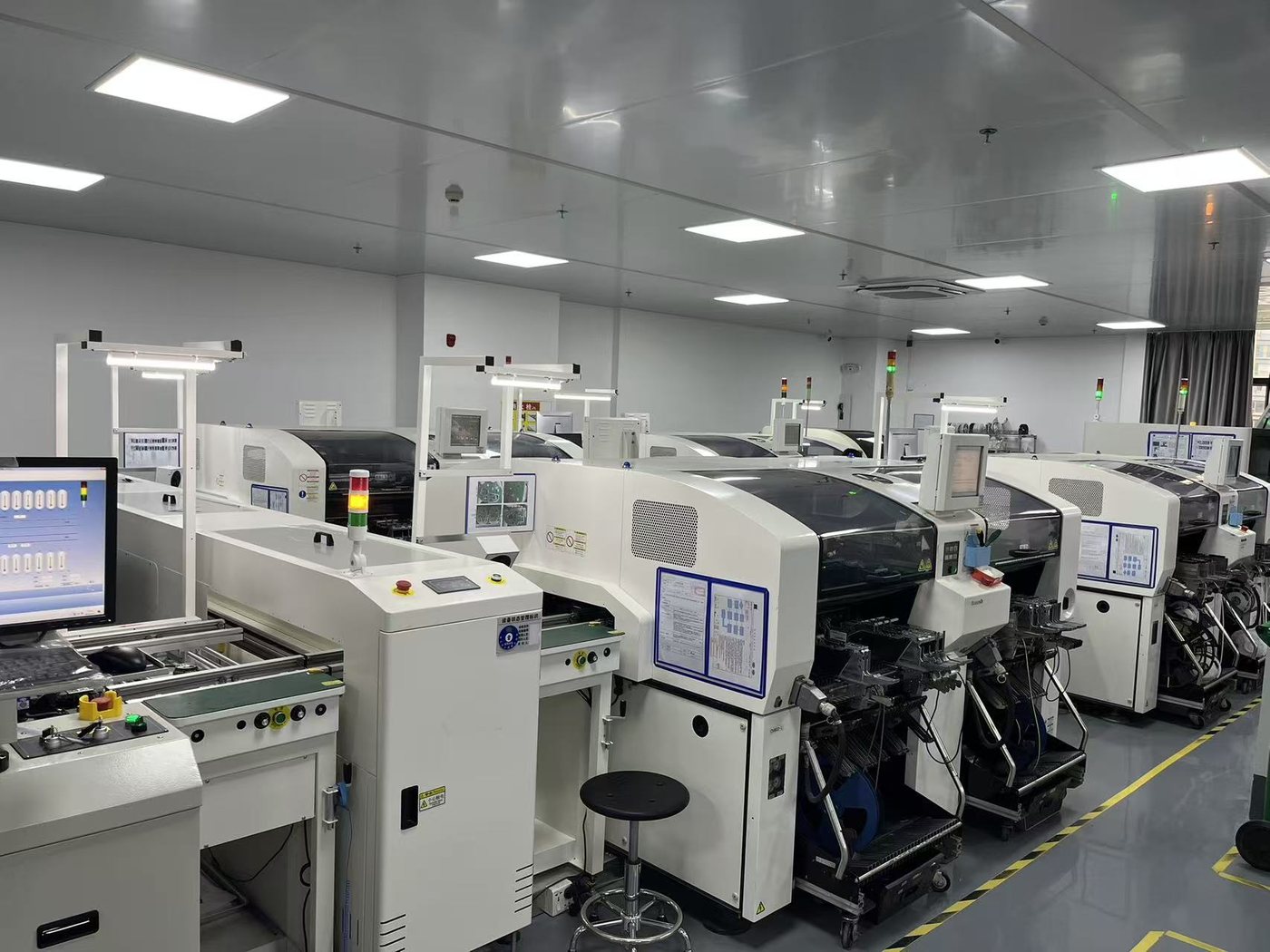
Welcome customers to visit our branch companies for factory inspection and guidance
-
ExpeElectronica2024 in Munich, Germany
-

Connecting Infinite Possibilities | Bao'an District New Union 'Ignite Learning' Class (including our Shenzhen Jintianlei Innovation Technology Co., Ltd.) visited Biz Link to discuss new
-
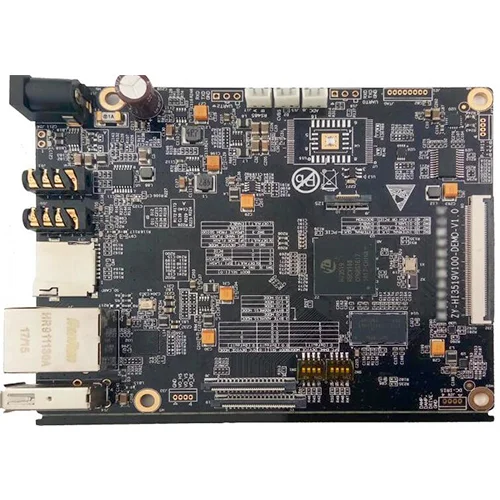
PCBA industry global prospects
-

Welcome French customer PACE to visit our factory for audit