
Short answer. European buyers tend to qualify on process evidence rather than on capability claims. For a box build programme that means four things: where coating sits in the assembly sequence, how masking is derived, which acceptance criteria the coating is inspected to, and what the unit record contains when the assembly leaves the building. A supplier that can answer those four in writing is usually operating the process; one that answers with a certificate is usually not.
Sequence: coating before integration, not after
The order of operations is the first question worth asking, because it is the one that is hardest to change later. Coating belongs after board-level test and before mechanical integration. Board-level test confirms the assembly works before an irreversible film is applied; integration then starts from a coated, inspected board rather than a bare one. If a supplier coats after the harness and hardware are fitted, the masking set is larger, the risk of coating a mating surface is higher, and a failed board becomes a disassembly job.
The steps around coating are fixed: cleaning and, where specified, ionic contamination verification, then masking, application, cure, and inspection of coverage and thickness. Masking stays in place until integration.
Masking: read from the drawing, not decided on the line
Most keep-out areas on a box build assembly are defined by what happens after coating. Connector housings a harness plugs into, press-fit and screw terminals, earthing studs, thermal pads under a heatsink and any test point that unit-level test has to probe all stay clear. Where the harness is made to the customer drawing, that drawing already lists the connectors, so masking is read from it rather than reconstructed at the machine.
The failure to ask about is a mask that was correct at board level and wrong at unit level: a connector left open that the enclosure later seals against a gasket, or a terminal masked on the board and then covered again by hardware fitted at integration.
Acceptance criteria and inspection
- Which standard and which class? Coating is commonly inspected against IPC-A-610 criteria for coverage and voids, with the class stated. "Coated" is not an acceptance criterion.
- How is coverage verified? UV inspection where the material carries a tracer, and thickness measurement on the cured film, are the two methods that produce a record.
- What about the chemistry? The material is chosen against the service environment, not against availability. A sealed enclosure changes the thermal environment the film sees, and coating is not a thermal solution - heatsink and thermal pad areas stay masked and the interface is added at integration.
- What happens to a repair? Once the unit is closed, reaching a coated board is a disassembly job. The film is removed locally, the joint reworked, the area recoated, and the rework recorded against the serial number.
The documentation a European buyer will ask for
Typically a declaration of conformity or a material declaration for the coating chemistry, RoHS and REACH statements for the assembly, the inspection record for the lot, and the unit record that ties coating, harness continuity and functional test to a serial number. Where the product carries a CE mark, the technical file is the customer's responsibility, but the assembly records feed it - and a supplier that cannot produce a per-unit record makes that file harder to build.
What Kilandu does
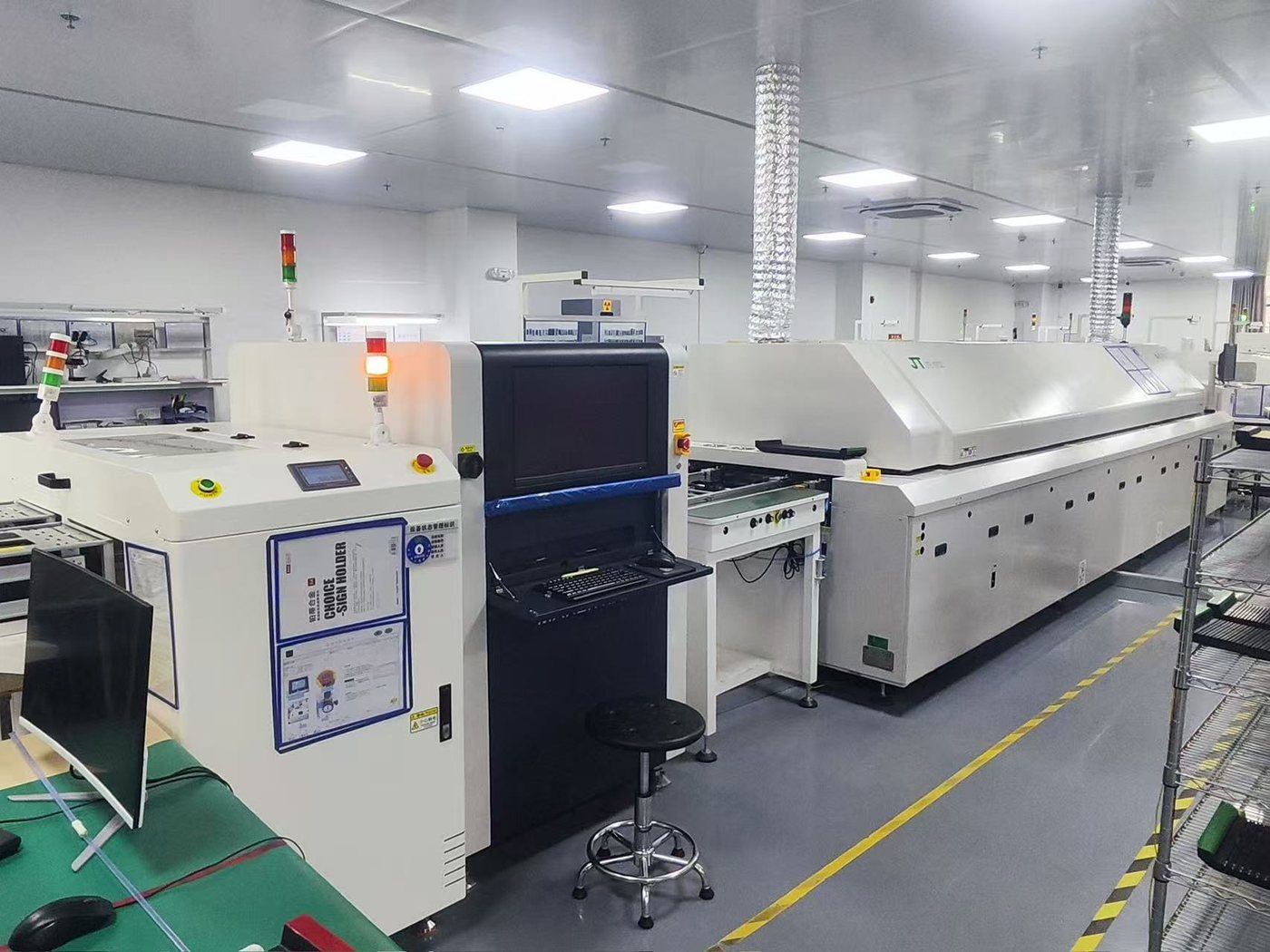
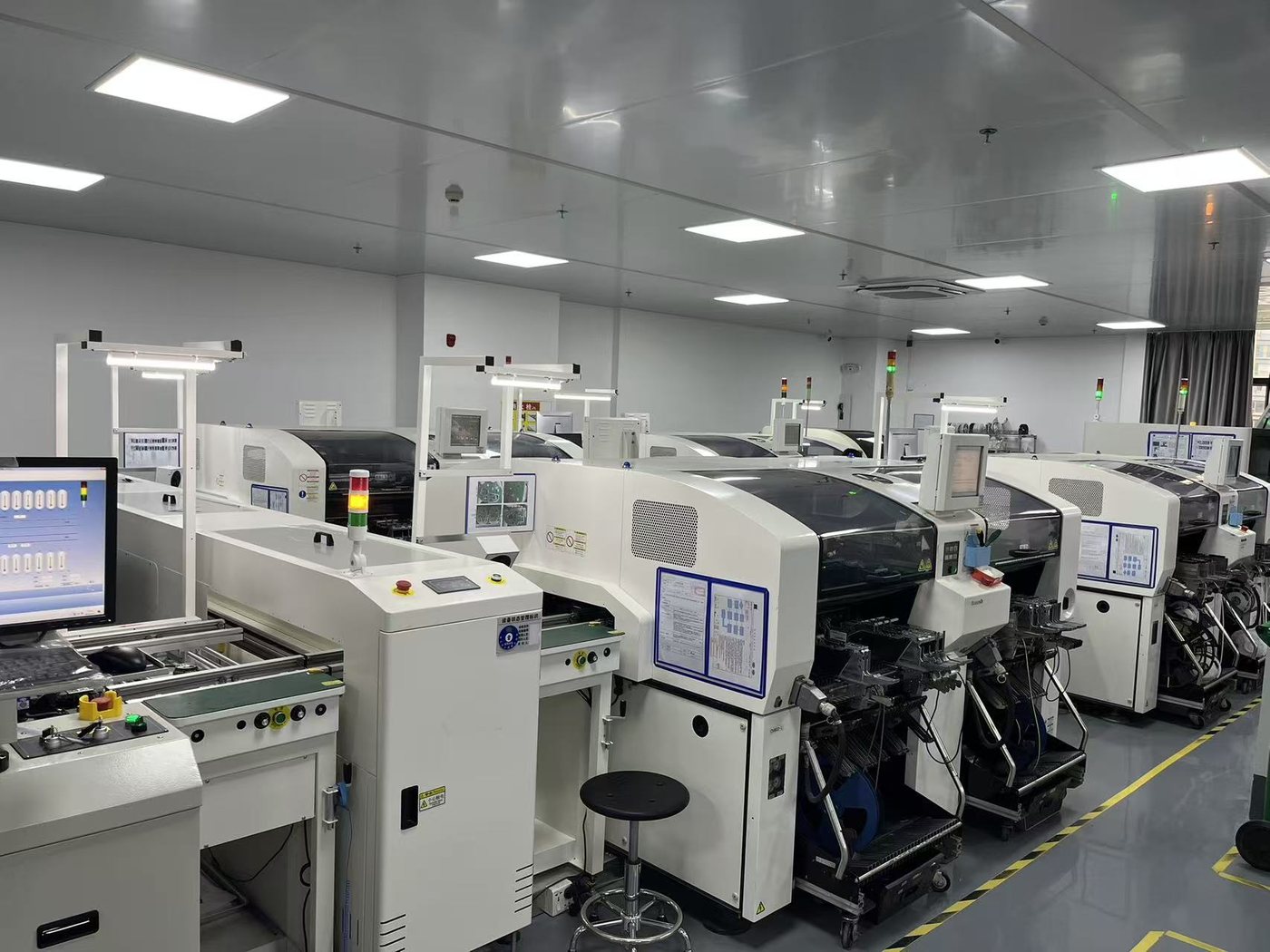
Kilandu builds box build and control cabinet assemblies in Shenzhen: coated PCBA, wiring harness, enclosure integration and unit-level functional test, delivered ready to ship. Coating is applied after board-level test and before mechanical integration, masking is read from the harness and assembly drawings, and the coating record is attached to the unit serial number alongside the harness continuity check and the unit-level test result. In-process inspection is SPI, AOI and X-ray; electrical test is ICT and FCT.
Where the detail is documented
The sequence is described in full on conformal coating for box build assemblies. Material selection and application methods are on the conformal coating page, and the assembly scope is on the box build page. Send the assembly drawing with keep-out areas marked and the harness drawing to alden@kilandu.com.


-
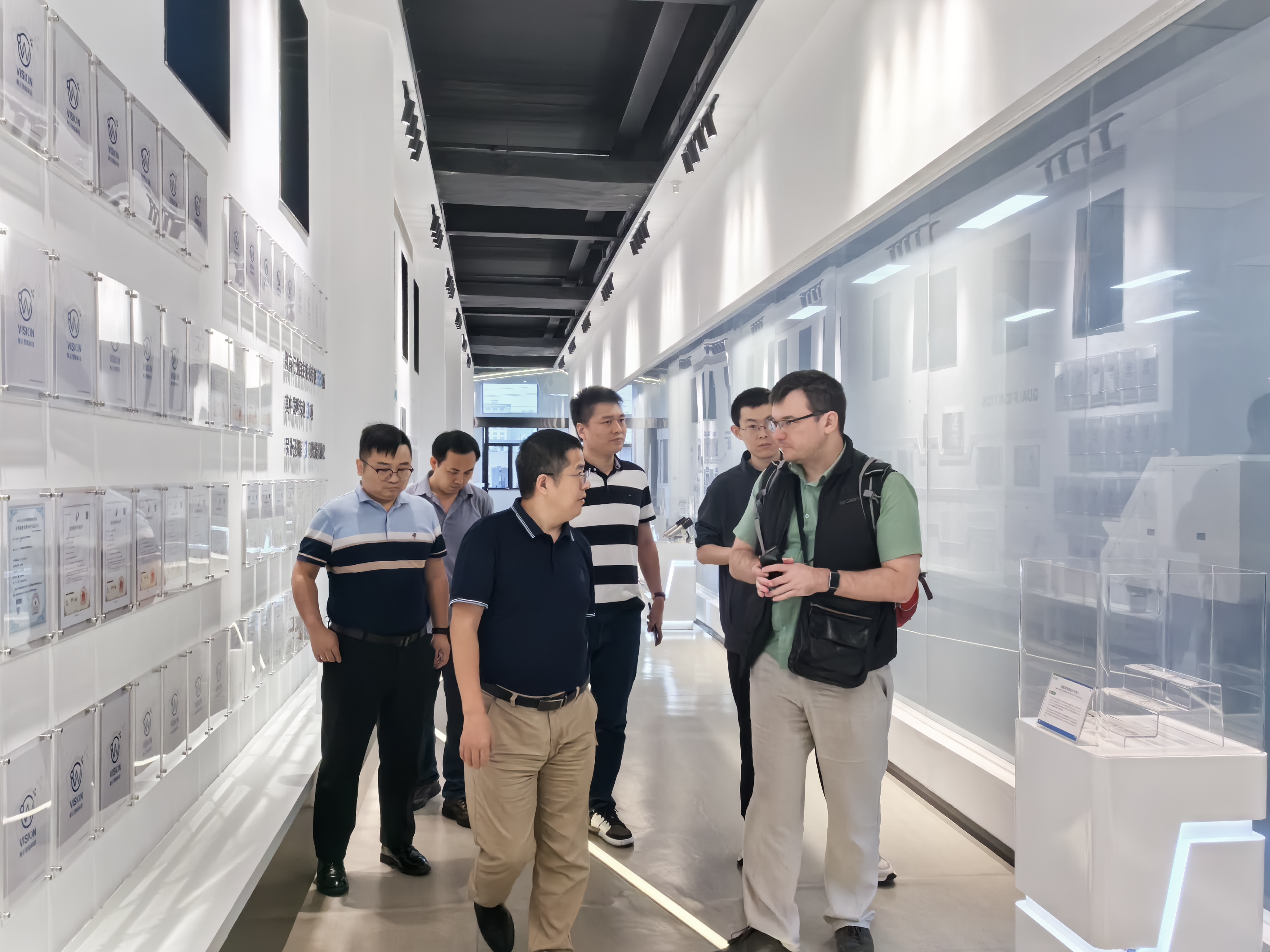
Welcome customers to visit our branch companies for factory inspection and guidance
-
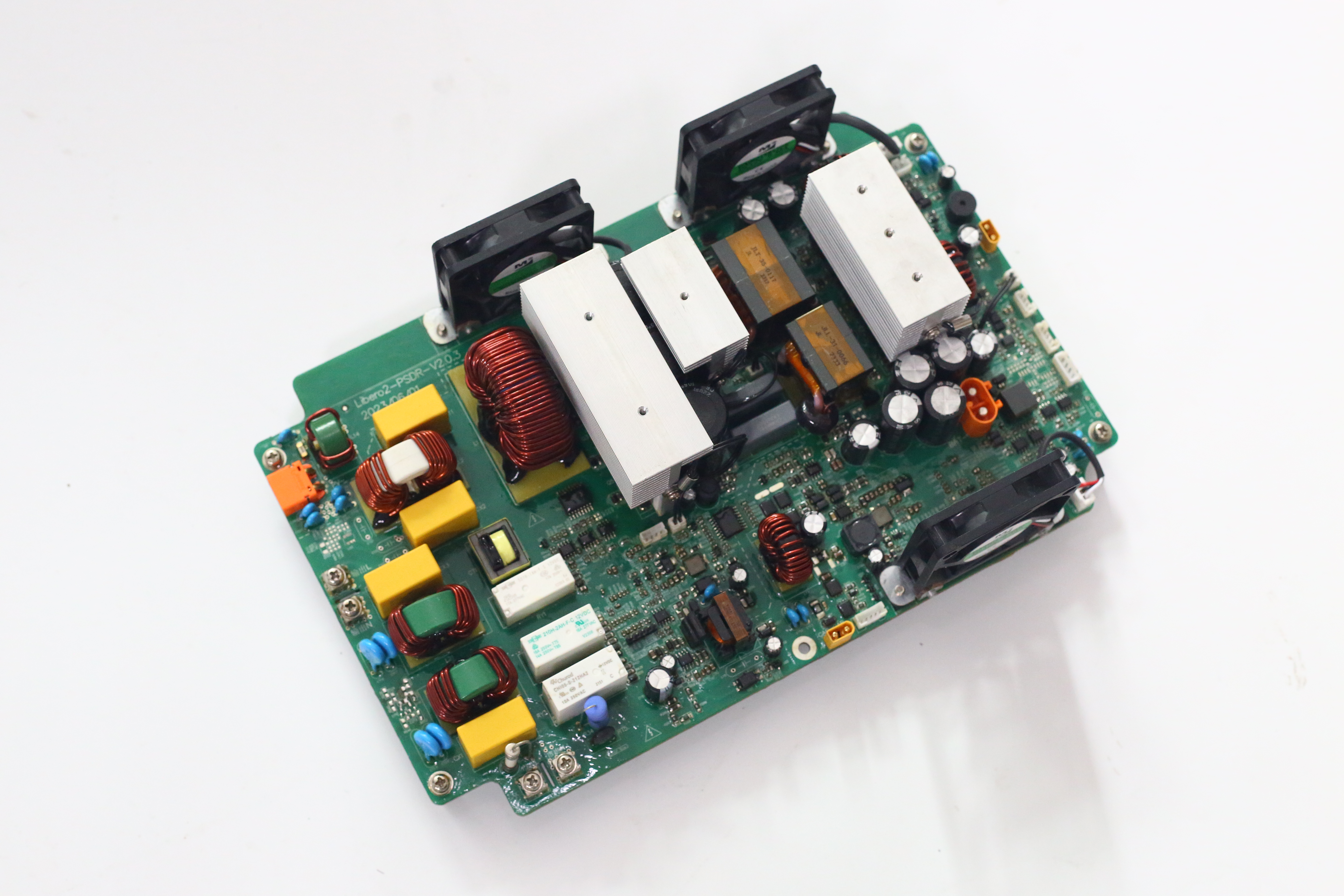
ExpeElectronica2024 in Munich, Germany
-
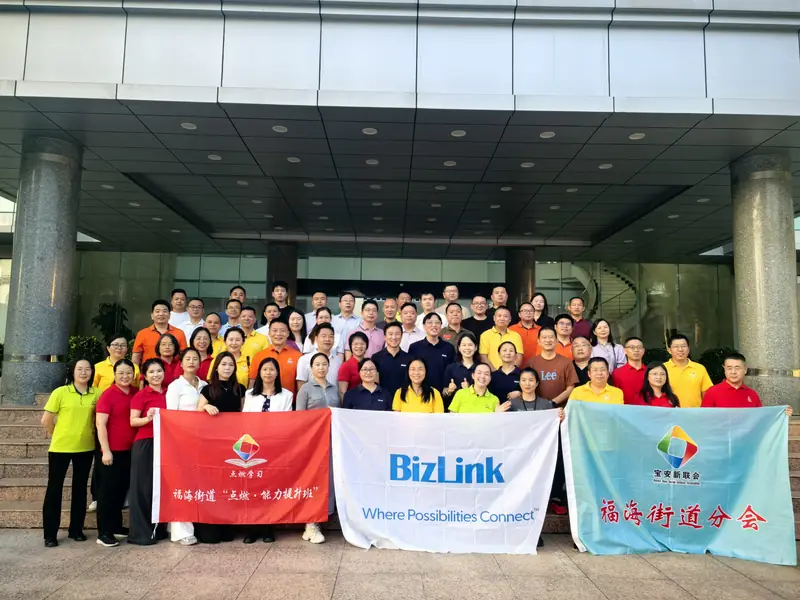
Connecting Infinite Possibilities | Bao'an District New Union 'Ignite Learning' Class (including our Shenzhen Jintianlei Innovation Technology Co., Ltd.) visited Biz Link to discuss new
-
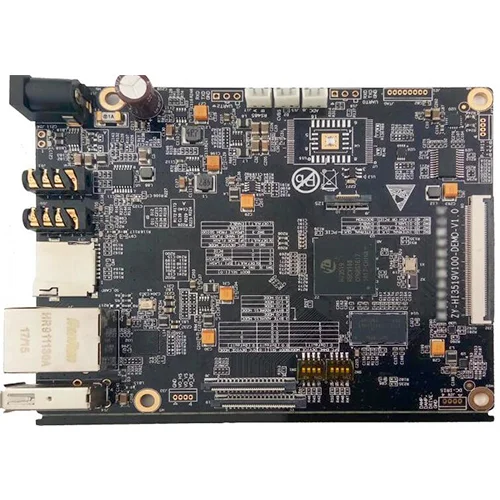
PCBA industry global prospects
-
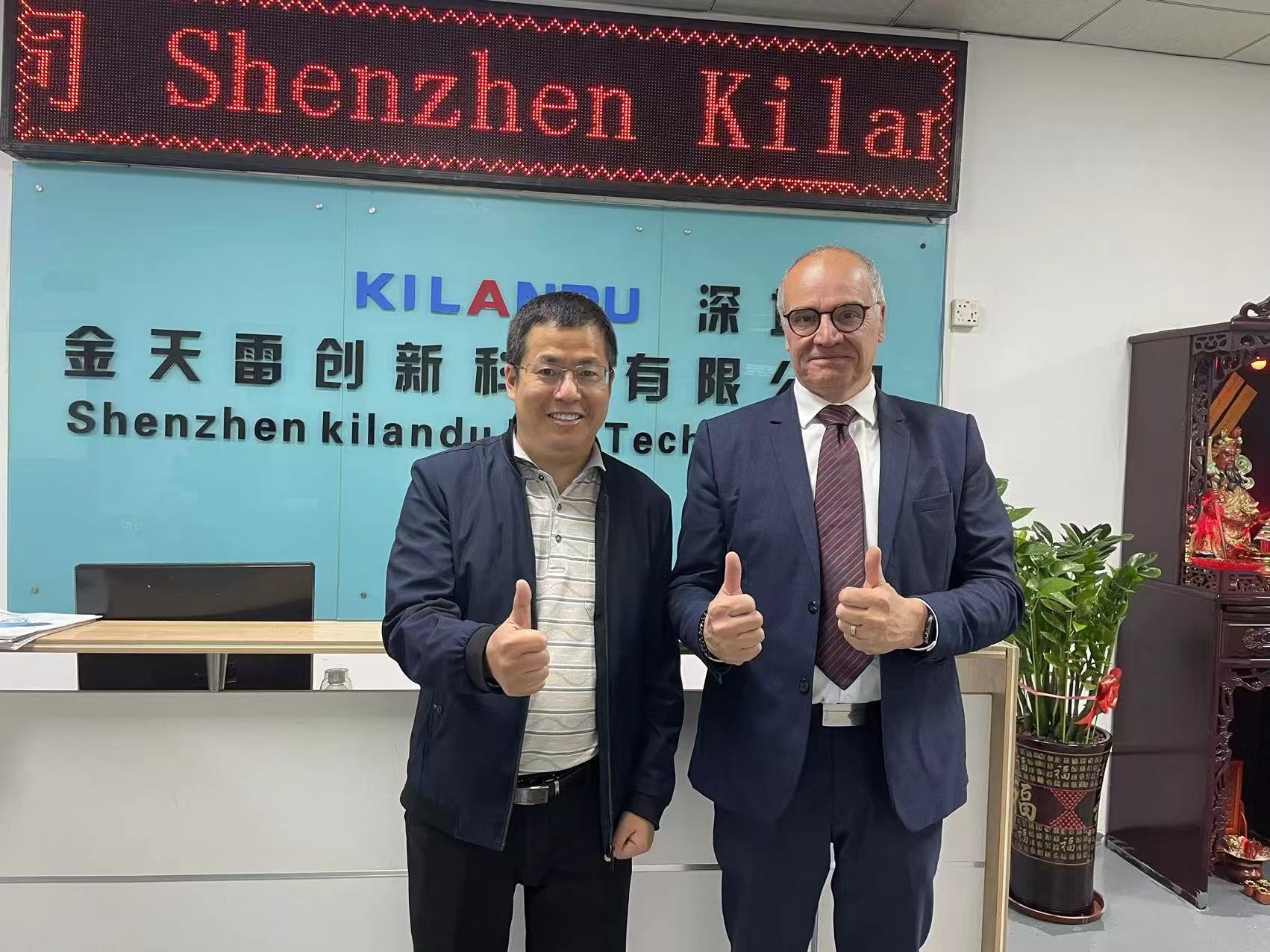
Welcome French customer PACE to visit our factory for audit