Short answer. Three categories get mixed together in most supplier comparisons, and they answer different questions. Management-system certificates (ISO 9001, ISO 14001, IATF 16949, ISO 13485) say how the factory is run. Product-safety marks (UL and equivalents) say a specific product construction has been evaluated. Process standards (IPC-A-610 and IPC J-STD-001) say how the work is judged. A supplier can hold one and not the others, so the useful question is which category your programme actually needs.
Management-system certificates, and which programme needs which
- ISO 9001:2015 - the baseline quality management system. It is the minimum most European and American buyers ask for, and it says nothing about automotive, medical or environmental performance.
- IATF 16949:2016 - the automotive quality management system, built on ISO 9001 with additional requirements on change control, traceability, maintenance and supplier development. If you supply a tier-one automotive customer, this is the certificate they will ask for.
- ISO 13485:2016 - the medical device quality management system. It adds design and process risk management, sterile and non-sterile handling requirements where applicable, and tighter control of change and records. A medical device builder will ask for this rather than ISO 9001.
- ISO 14001:2015 - environmental management. It is not a product-quality certificate, and it is increasingly requested in European tenders rather than in technical qualification.
What a UL file number does and does not mean
A UL file number identifies a construction that has been evaluated against a specific standard - for an assembly, typically the wiring, the laminate, the soldering and the spacings. It is a product-safety credential, not a quality-system one. It also has a scope: a UL file covers the constructions listed in it, and a new design may need a new evaluation. When a supplier quotes a UL number, ask which constructions it covers.
Process standards are not certificates
IPC-A-610 and IPC J-STD-001 are acceptance standards for the work, not certificates held by a company. A supplier cannot be "IPC certified" in the way it is ISO certified. What it can do is state which acceptance class it builds to, name the revision, and show how the class is written into the inspection instruction. That statement is worth more than a logo.
How to verify a certificate in ten minutes
- Check the certificate body, not the supplier's PDF. Accreditation bodies publish certificate status. A copy sent by email proves only that a PDF exists.
- Read the scope paragraph. The scope states what the certificate covers - which processes at which site. A group certificate that lists a different address is a different question.
- Check the validity date and the revision year. ISO 9001:2008 and ISO 9001:2015 are not the same certificate.
- Ask for the certificate number and match it against the published copy. Numbers are the part that is hard to fabricate consistently.
- Ask whether the file is downloadable. A supplier that publishes its certificates as files has usually also had them checked by a customer.
What Kilandu holds
Kilandu (Shenzhen Jintianlei Innovation Technology) holds IATF 16949:2016 under certificate 0596984, ISO 9001:2015 under CN27125Q0392R0S, ISO 13485:2016 under 35825MDQMS0021R0S and ISO 14001:2015 under CN27125E0142R0S, together with UL file E352816. Certificate numbers, issuing bodies, scope and validity dates are published on the quality assurance page, and the four management-system certificates can be downloaded there as PDF files rather than requested by email.
Where the detail is documented
The quality assurance page carries the certificate table and the download links. How acceptance classes are applied is on the IPC-A-610 page. If a tender asks for a certificate pack or a completed supplier questionnaire, send the form to alden@kilandu.com.

-
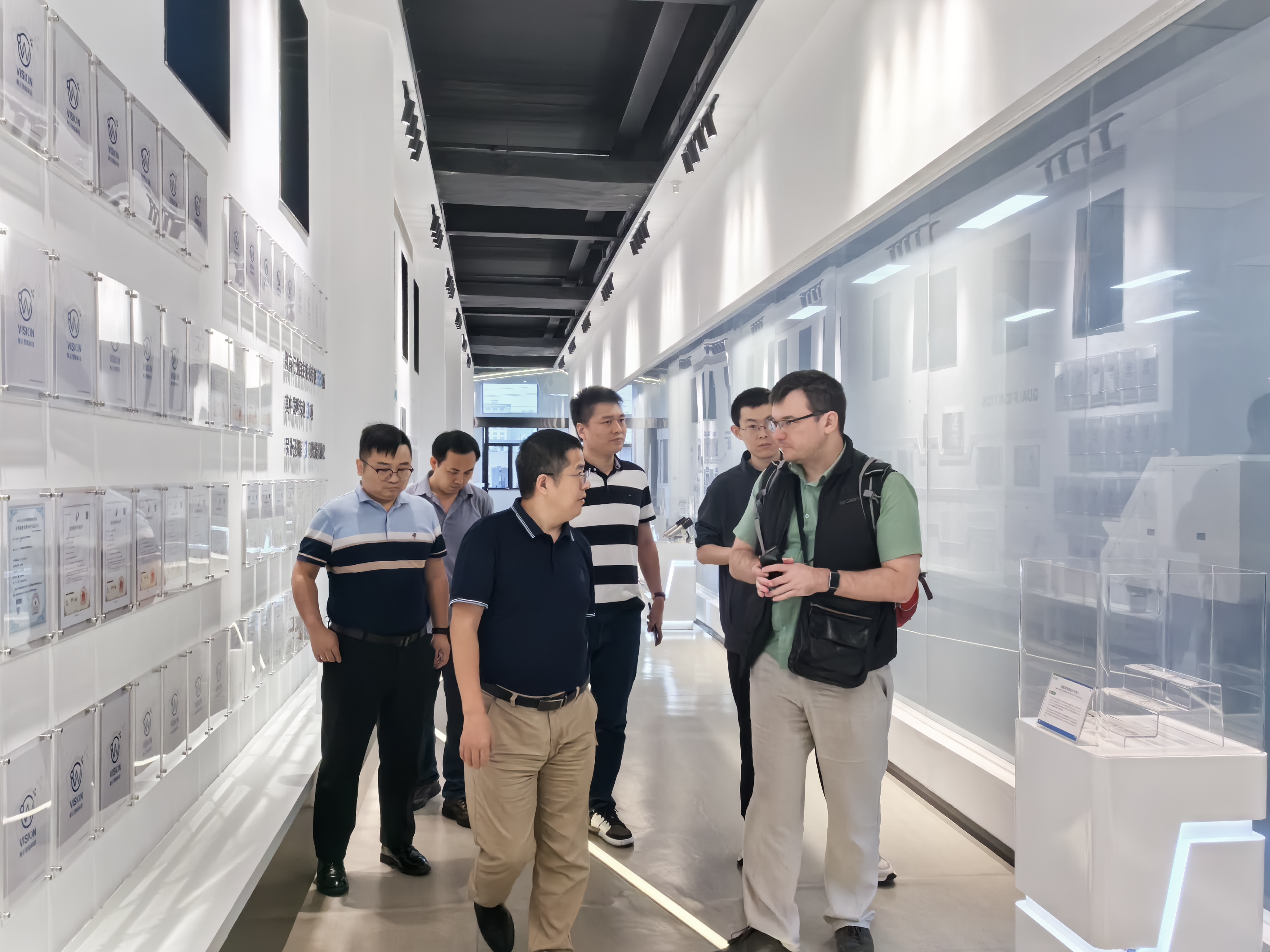
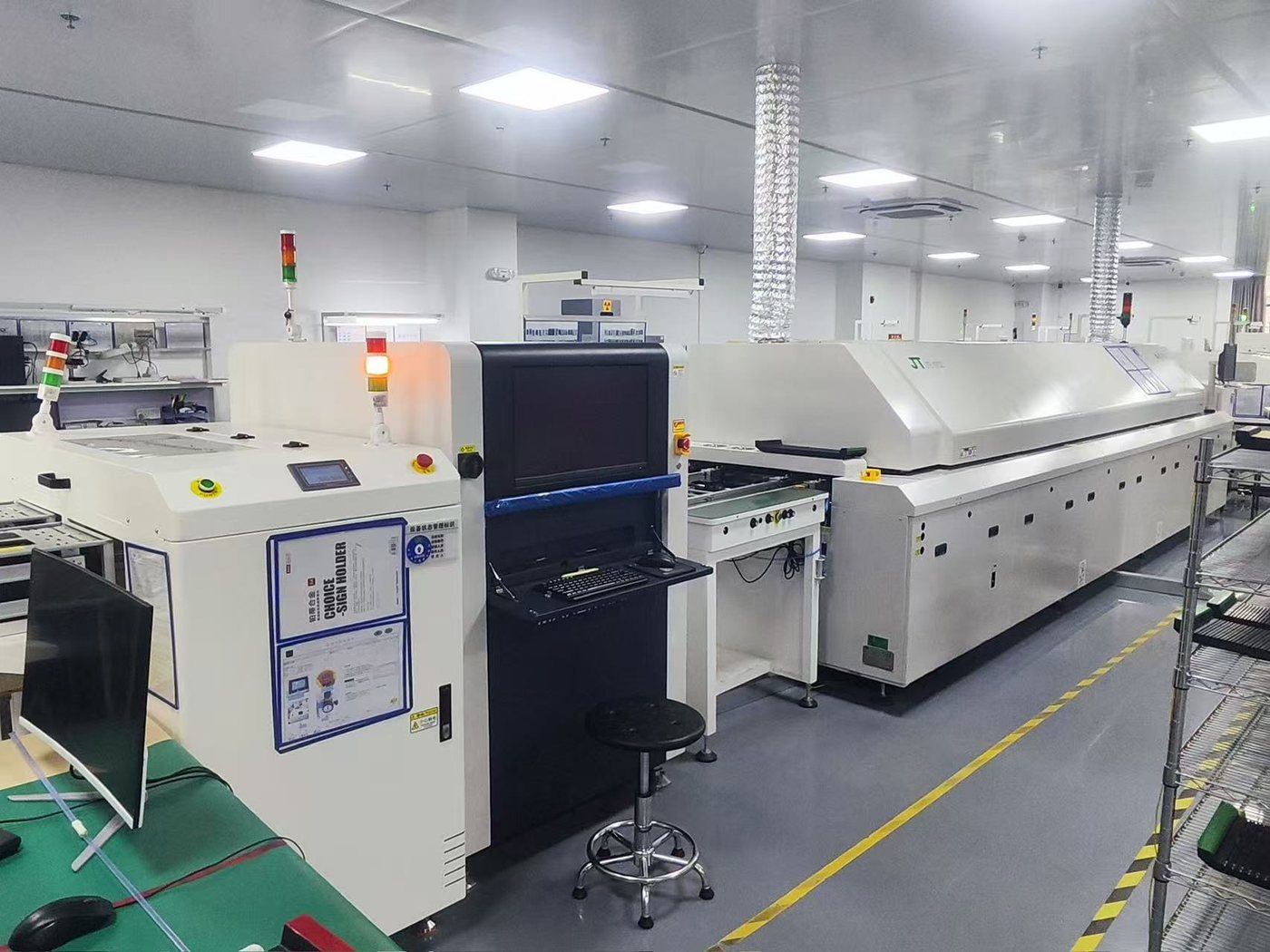
Welcome customers to visit our branch companies for factory inspection and guidance
-
ExpeElectronica2024 in Munich, Germany
-
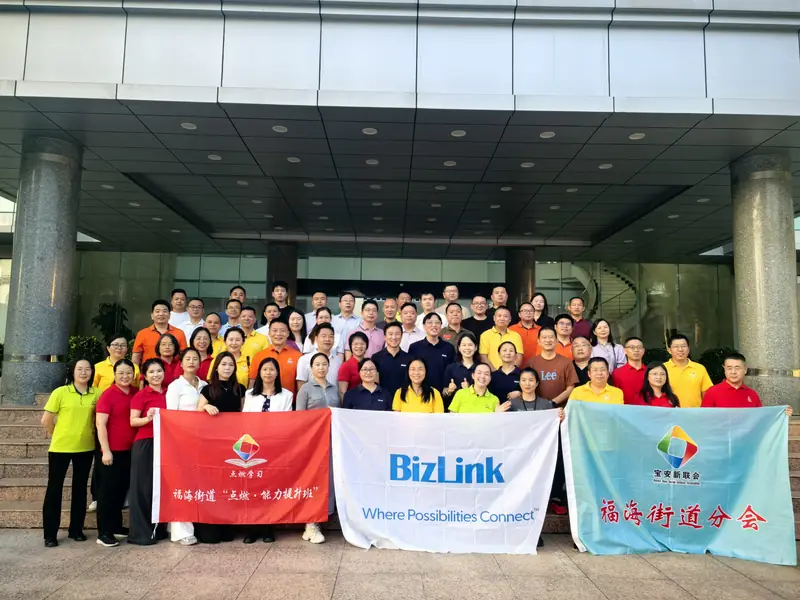
Connecting Infinite Possibilities | Bao'an District New Union 'Ignite Learning' Class (including our Shenzhen Jintianlei Innovation Technology Co., Ltd.) visited Biz Link to discuss new
-
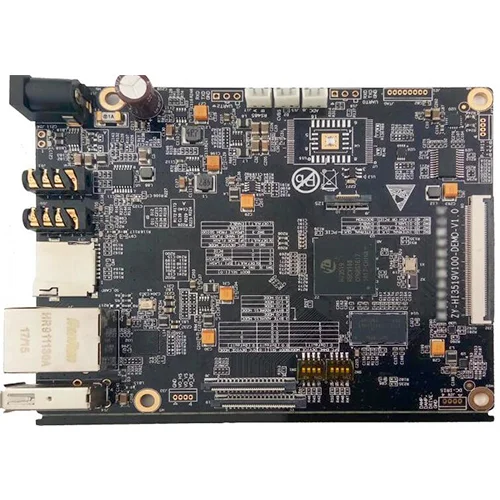
PCBA industry global prospects
-
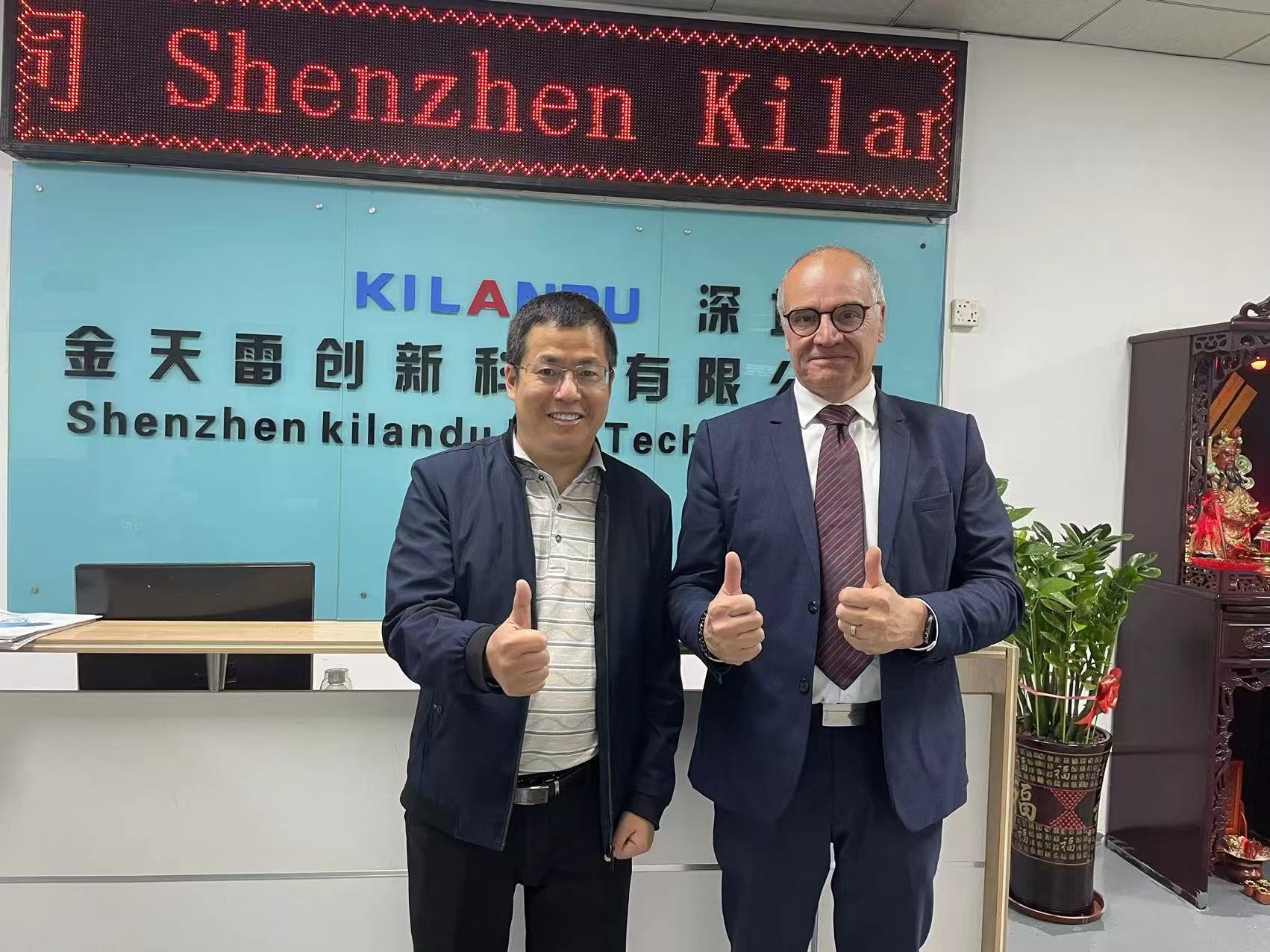
Welcome French customer PACE to visit our factory for audit