

# PCB Material Costs in 2027: What European Buyers Should Know Before Placing Orders
Primary keyword: PCB material cost 2027 Secondary keywords: PCB price forecast 2027, PCB lead time 2027, ENIG gold price, PCB procurement timing
PCB prices are unlikely to see a broad, sustained decline in early 2027, based on the material-cost outlook available in October 2026. For European buyers planning production in the first half of next year, the more immediate concern is whether their suppliers can secure the required materials and meet the agreed delivery dates.
That makes the final months of 2026 an important time to review purchasing plans. Orders scheduled for February and March may need to be confirmed well before the Chinese New Year holiday, which falls between 5 and 12 February 2027, particularly when they involve multilayer boards, specific laminate grades or controlled-impedance requirements.
There is no guarantee that ordering early will secure a lower price. However, confirming material availability, approving suitable alternatives and agreeing on production capacity can help reduce the risk of unexpected delays and last-minute purchasing decisions.
1. PCB Material Costs: What the October 2026 Data Tells Us
The latest material-cost information cited by Tacto Procurement Intelligence points to continued pressure on PCB manufacturing costs.
According to its report, *PCB Price Today: Price, Trends and Forecast 2026*, published on 12 October 2026, NCAB's material-cost composite reached 128 points in October, using January 2025 as the base of 100. The index covers several important inputs, including gold, copper-clad laminate, prepreg and copper foil.
This indicates a substantial increase in the tracked material-cost composite since the beginning of 2025. It should not, however, be interpreted as a 28% increase in every PCB quotation. Actual pricing depends on board specifications, material consumption, surface finish, order volume and the manufacturer's purchasing arrangements.
The same report describes continued pressure on base materials, with some easing potentially possible in the second half of 2027. More meaningful relief may take longer. NCAB's next quantified update is scheduled for 23 October 2026, which is the next data point worth watching.
For procurement teams, the distinction between a market forecast and a supplier's actual cost is important. An industry index can help identify the direction of the market, but it cannot by itself establish whether a particular price increase is justified.
Copper and gold need to be assessed separately
Two commonly discussed metals have different implications for PCB pricing.
Gold: The reported spot price fell 4.8% between 9 September and 9 October 2026, reaching USD 4,186.90 per ounce. This may ease one component of the cost pressure associated with gold-bearing surface finishes, including ENIG.
However, the effect on a finished PCB quotation depends on the supplier's purchasing arrangements, the gold consumption of the board, the ENIG specification and the timing of material procurement. A change in spot gold prices does not necessarily translate immediately into a lower board price.
Copper: The reported copper price was approximately USD 14,689 per tonne on 9 October 2026, broadly flat compared with September.
That makes it reasonable to ask for more detail when a supplier attributes a new surcharge solely to a recent increase in copper prices. The supplier should explain which material has increased in cost, when the new price took effect and how much of the increase affects the quoted product.
Laminate costs deserve separate attention. The same industry reporting cites a late-August price round of approximately 10% for FR-4 and 10–20% for prepreg. If a manufacturer purchased affected materials at those higher prices, the change may have a direct impact on its costs.
For buyers, the practical approach is to request a breakdown rather than accept or reject every surcharge on the basis of metal prices alone.
Useful questions include:
- Which laminate or material category has increased in price?
- When did the new supplier price take effect?
- Does the quotation use existing inventory or newly purchased material?
- How long will the quoted price remain valid?
- Can the supplier hold the agreed price if the material is secured in advance?
These questions help turn a general discussion about rising costs into a more specific purchasing decision.
2. How AI Infrastructure Demand Could Affect PCB Lead Times
AI data centres have increased demand for advanced electronic components and high-performance interconnect technologies. The effect on individual PCB categories varies, but capacity allocation and material availability are worth monitoring even for buyers whose products have nothing to do with AI.
TrendForce's analysis dated 8 October 2026, as reported by Evertiq, identifies PCBs, capacitors and voltage regulators among the categories facing pressure from capacity allocation, raw material costs and geopolitical factors.
As a background indicator of the same demand, TSMC reported third-quarter revenue of approximately TWD 1.49 trillion, up 50% year on year. This is a semiconductor foundry figure rather than a PCB indicator, but it helps explain the direction of capacity allocation across the supply chain.
These developments provide useful context for the electronics supply chain. They do not, on their own, prove that every standard FR-4 board will experience a shortage or that every supplier will extend its lead times.
The more relevant question for a procurement manager is whether the particular materials and manufacturing processes required for their boards are becoming harder to secure.
For example, a standard multilayer PCB and a high-layer-count board using specialised low-loss laminate may compete for different materials and production resources. A supplier's overall capacity figure does not tell you whether the exact construction required for your product can be delivered on time.
This is especially relevant when a project requires:
- A specific laminate manufacturer or material grade.
- Controlled impedance and defined electrical performance.
- High copper thickness or specialised stack-up construction.
- ENIG or another specified surface finish.
- Small batches with frequent engineering changes.
- Production testing and documented traceability.
When these requirements are fixed, changing suppliers at short notice may not solve the problem. The new supplier still needs to confirm the material construction, engineering requirements and production schedule.
What industry order data can tell buyers
The same industry reporting also cites North American PCB shipment growth of 23.5% year on year in August, alongside a 35% year-on-year decline in bookings and a 78% month-on-month decline. Year-to-date bookings were reported to be up 38.7%.
These figures suggest that shipment activity and new order intake can move in different directions. They should not be treated as a direct measure of European demand or as proof of a universal shortage.
For a European buyer, supplier-specific information is more useful than a single industry statistic. Ask for the current material status, the earliest confirmed production slot and the date on which the supplier expects to complete the order.
A four-week estimate provided several months ago should not automatically be assumed to remain valid. Equally, a longer quotation does not necessarily indicate a production problem. It may reflect material procurement, engineering approval or a different production schedule.
The objective is to identify the constraint before it affects the delivery date.
3. Chinese New Year 2027: When Should European Buyers Place Their Orders?
Chinese New Year is one of the key scheduling considerations for European companies sourcing PCBs and PCB assemblies from China. In 2027, the holiday period falls between 5 and 12 February. Factory operating schedules, employee travel and upstream supplier closures can affect different stages of production. The exact impact varies by manufacturer and material supplier.
For orders intended for February or March delivery, waiting until January to discuss materials and production capacity may leave limited room to resolve problems.
A more practical approach is to work backwards from the required delivery date.
A suggested purchasing timeline
October 2026: Review forecasts and quotations
Review open orders and expected demand for the first quarter of 2027. Identify products with long material procurement times, specialised laminate requirements or a history of schedule changes.
Ask suppliers to confirm whether existing quotations remain valid and whether any material price changes have already taken effect.
November 2026: Complete engineering and material reviews
Where possible, finalise the BOM, stack-up, Gerber files and technical specifications. If an alternative laminate or component may be required, have the engineering team assess it before production planning becomes urgent.
For PCB assemblies, check that any proposed component substitution meets the required electrical, thermal and reliability specifications.
December 2026: Confirm quantities and production arrangements
For orders planned around the holiday period, aim to confirm quantities, material availability and production slots before the end of December where feasible.
A purchase order alone does not necessarily mean that all materials have been secured. Ask the supplier to distinguish between material that is already available, material that has been ordered and material that remains subject to supplier confirmation.
January 2027: Monitor execution rather than begin planning from scratch
By January, the focus should ideally be on resolving outstanding approvals, confirming production status and managing exceptions. New or revised orders may still be possible, but their delivery dates should be based on current supplier confirmation rather than the original planning assumption.
This is a recommended planning sequence, not a guarantee that orders placed before 31 December will be completed before the holiday.
Four questions to ask your PCB supplier
Before committing to a first-quarter order, ask:
- Which quantities can you manufacture before the holiday, and which will be produced after operations resume?
- Are the required laminate grades and copper-clad materials already available?
- What is the latest date for confirming the stack-up, surface finish and order quantity?
- From which milestone does the quoted lead time begin: purchase order, material availability or final engineering approval?
The fourth question is particularly important. Two suppliers may quote similar lead times while using different starting points, making their estimates difficult to compare.
For further guidance on order quantities and production scheduling, see Kilandu's PCBA MOQ and lead time guide.
4. What Buyers Should Look for in a Capacity Agreement
Price is only one part of a sourcing decision. A low quotation offers limited value if material procurement remains uncertain or the production slot is not actually reserved.
The October 2026 announcement by PCB Technologies regarding its proposed acquisition of Gorilla Circuits provides an example of the commercial importance of specialised manufacturing capacity.
According to PCB Technologies' official announcement, the transaction values Gorilla Circuits at an enterprise value of USD 120 million, at an EBITDA multiple of 7.6. Gorilla Circuits focuses on high-mix, low-volume manufacturing, development-grade products and short lead times, and serves more than 700 active customers.
The announcement also reports revenue of USD 91.9 million in 2025 and adjusted EBITDA of USD 13.6 million for that year. Completion remains subject to regulatory approval, including review by the Committee on Foreign Investment in the United States (CFIUS), and is expected within eight months of the announcement.
This transaction does not establish a direct relationship between acquisition valuations and PCB prices. It does, however, illustrate the commercial value that manufacturing businesses can place on technical capability, customer relationships and the ability to serve varied production requirements.
For buyers, the practical lesson is to evaluate what a supplier can commit to delivering, rather than relying on equipment counts alone.
What should a capacity agreement include?
A useful agreement should clarify several points.
Material availability: Identify the approved laminate grade, manufacturer where required, quantity and expected availability date.
Production allocation: Confirm the planned quantity and production window. If the supplier cannot reserve the entire forecast, clarify which portion is committed.
Price validity: State how long the quoted price applies and under what circumstances a material-cost adjustment may be requested.
Engineering changes: Define how changes to the BOM, stack-up, surface finish or order quantity affect price and delivery.
Traceability and quality: Clarify the records available for material batches, inspection results and production history.
Delivery milestones: Distinguish material arrival, production start, final inspection and shipment. This makes schedule changes easier to identify and discuss.
A framework agreement can help both parties plan more accurately, but its value depends on the specificity of the commitments. A general promise to support future demand is not equivalent to confirmed material allocation.
How Kilandu approaches PCBA production planning
Kilandu provides PCB assembly services for OEM customers, including prototype, repeat and volume production.
Our published lead times are:
- Prototype orders: 5–8 working days.
- Repeat production: 2–3 weeks.
- Volume production: 2–5 weeks.
These estimates are measured from confirmed material arrival, rather than being a promise that every order will be completed within the same period after the purchase order is issued. Actual timing depends on the product requirements, order quantity, material status and agreed production schedule.
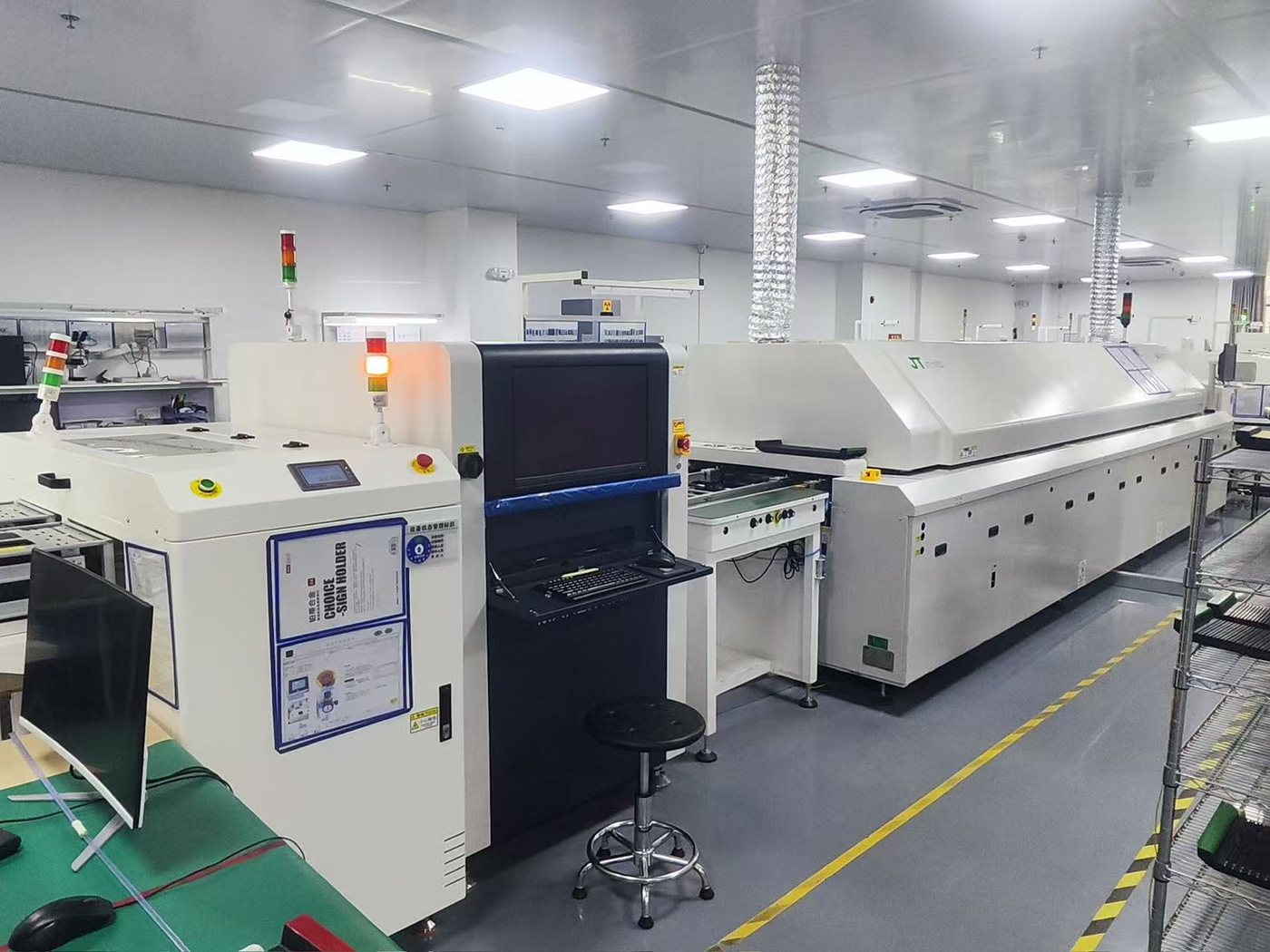
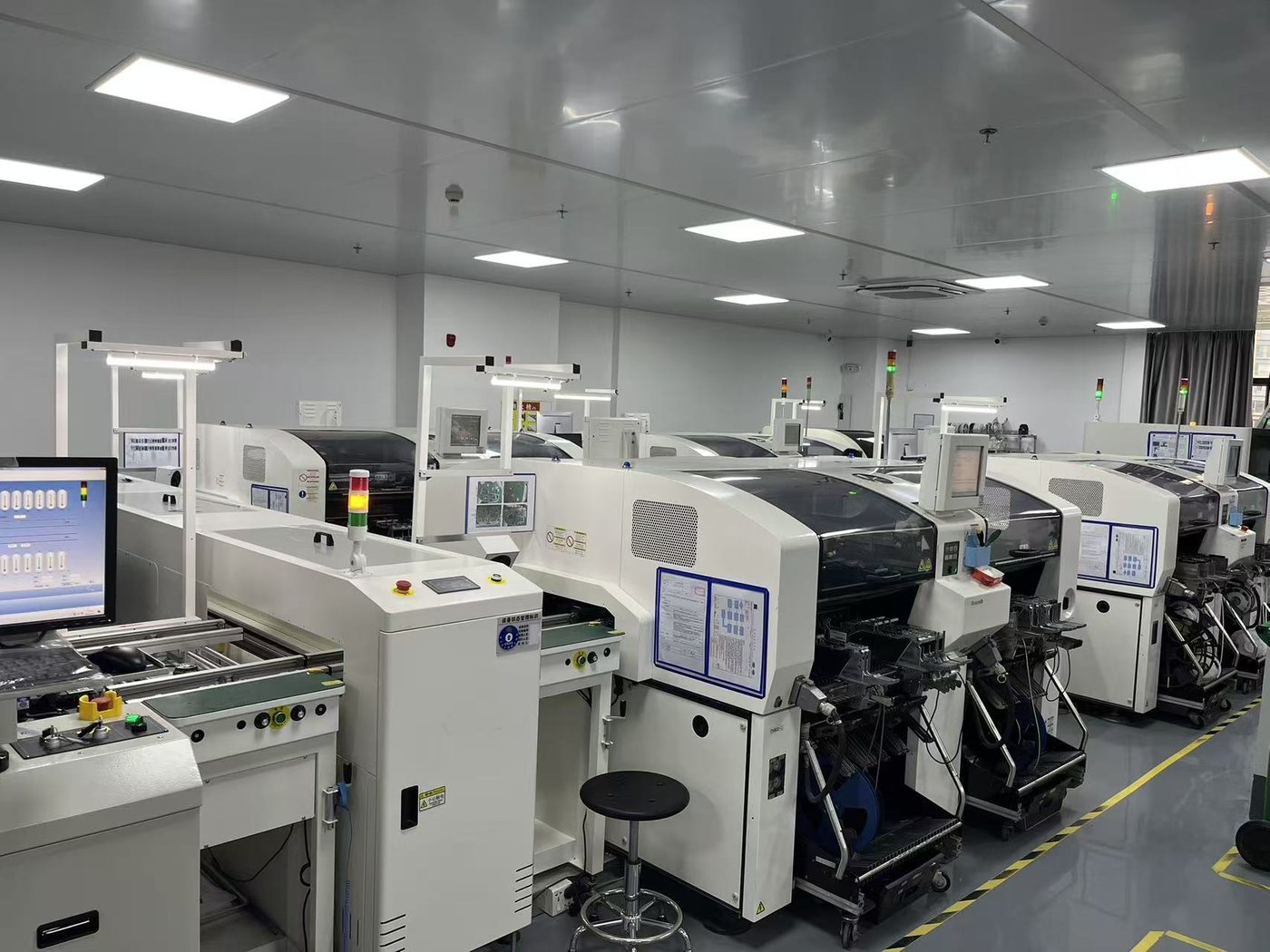
Our stated manufacturing capabilities include four Yamaha SMT lines, three DIP lines and approximately 150 million placements per month. The company also lists ISO 9001, IATF 16949, ISO 13485 and ISO 14001 certifications, UL listing and IPC-A-610 Class 2/3 workmanship requirements.
Kilandu has reported serving more than 3,000 OEM customers across Europe, Russia and the Americas.
For a buyer, these figures are useful starting points, but the relevant question remains whether the factory can support the specific project. A production review should cover the BOM, board construction, testing requirements, expected volumes and required delivery date.
You can review our quality assurance approach and SMT assembly capabilities for more information.
5. Five Steps to Prepare Your 2027 PCB Procurement Plan
European buyers do not need to predict every movement in the copper, gold or laminate markets. They do need a process for responding when prices, material availability or lead times change.
The following actions can make first-quarter procurement more manageable.
1. Revisit quotations issued earlier in 2026
Check the quotation date, validity period and assumptions used for material costs. If a supplier requests an adjustment, ask which cost component has changed and whether the increase applies to the full order or only to newly purchased material.
Avoid comparing quotations without checking whether the suppliers are using equivalent board specifications, materials and commercial terms.
2. Confirm the material source and specification
For boards with strict performance requirements, ask the supplier to confirm the proposed laminate grade and whether it is available for the planned production quantity.
If the original material is difficult to obtain, evaluate alternatives through the normal engineering approval process. For controlled-impedance boards, this may require reviewing dielectric properties and the stack-up rather than simply choosing a material with a similar name.
Kilandu's PCB DFM service can be a starting point for discussing manufacturability and engineering requirements.
3. Separate forecast demand from firm orders
Share a realistic demand forecast with your supplier, but distinguish estimated volumes from quantities covered by a purchase order.
If you expect demand to increase in the first half of 2027, discuss whether a framework agreement or phased ordering arrangement is appropriate. Confirm the conditions for holding materials, adjusting quantities and revising delivery dates.
This can improve visibility without requiring you to commit prematurely to every unit in the forecast.
4. Approve alternatives before they become urgent
A substitute component or laminate should not be approved solely because it is available sooner or costs less.
Check the relevant electrical characteristics, temperature range, reliability requirements and product approvals. For PCB assemblies, also verify package compatibility, assembly process requirements and any implications for testing.
Early approval gives procurement more options if the original specification becomes difficult to source.
5. Compare the complete supply commitment
When comparing suppliers, consider the quoted price alongside material availability, production lead time, inspection requirements and delivery terms.
A slightly higher price may be commercially reasonable if it includes confirmed material allocation and a more dependable schedule. Conversely, a higher price without evidence of additional value deserves further discussion.
For quotation preparation, see Kilandu's PCBA quotation requirements and turnkey PCBA services.
6. What European Buyers Should Expect From PCB Prices in 2027
The available October 2026 information supports a cautious approach to PCB procurement. Material costs remain under pressure, and there is not yet a strong basis for assuming that prices will fall broadly in early 2027.
That does not mean every PCB will become more expensive. Prices can move differently across board constructions, surface finishes, material grades and order quantities. Supplier inventory and purchasing arrangements also affect the timing of any cost change.
For buyers planning production in the first half of 2027, the most useful priorities are straightforward:
- Confirm the specifications and quantities as early as practical.
- Ask suppliers to substantiate material-cost adjustments.
- Check whether required materials are available or merely expected.
- Approve technically acceptable alternatives before a shortage becomes urgent.
- Agree on realistic production and delivery milestones before committing to a schedule.
The end of December 2026 is a useful planning target for many February and March requirements, but it should not be treated as a universal deadline. Projects with specialised materials or longer procurement cycles may need earlier action.
If you are preparing a PCB or PCBA order for 2027, Kilandu can review your Gerber files, BOM, estimated quantities and delivery requirements. We can then discuss the material options, manufacturing requirements and lead time applicable to your project.
You can start through our PCBA ordering guide.
Frequently Asked Questions
Will PCB prices fall in 2027?
A broad price decline in early 2027 cannot currently be assumed. The October 2026 industry reporting cited here indicates continued pressure on several PCB material costs, with possible easing later in 2027. Actual prices will depend on the board specification, material grade, supplier purchasing costs and order volume.
When should I place a PCB order for February or March 2027?
Review your requirements during October and November, finalise specifications and alternatives as early as possible, and aim to confirm quantities and material arrangements before the end of December where feasible. The appropriate date depends on the material procurement cycle and the supplier's holiday schedule. Chinese New Year falls between 5 and 12 February 2027.
Will lower gold prices reduce the cost of ENIG PCBs?
They may reduce one element of the cost, but the effect depends on gold consumption, chemical processing costs, supplier inventory and the timing of purchases. A lower spot gold price does not automatically result in an equivalent reduction in the finished PCB price.
How can I check whether a PCB material surcharge is justified?
Ask the supplier to identify the affected material, the previous and revised purchase prices, the effective date and the quantity affected. Review the evidence alongside the quotation's original validity period and material-cost assumptions.
How long does PCBA production take at Kilandu?
Kilandu's published estimates are 5–8 working days for prototypes, 2–3 weeks for repeat production and 2–5 weeks for volume production, measured from confirmed material arrival. The actual schedule should be confirmed against the BOM, order quantity, engineering requirements and material availability.
What should I verify before choosing a PCBA manufacturer in China?
Check the supplier's relevant manufacturing capabilities, quality systems, material sourcing arrangements, testing requirements, traceability and ability to support your expected production volume. Ask for a project-specific lead-time commitment and clarify which milestones are included in the quotation.
Sources
Tacto Procurement Intelligence, *PCB Price Today: Price, Trends and Forecast 2026*, published 12 October 2026. Source of the NCAB material-cost composite (128 points, January 2025 = 100), the gold price of USD 4,186.90/oz and copper price of USD 14,689/t on 9 October 2026, the late-August laminate price round of approximately 10% for FR-4 and 10–20% for prepreg, the NCAB outlook of easing in the second half of 2027, and the Chinese New Year dates of 5–12 February 2027.
<a href="https://www.tacto.ai/en/component-prices/pcb-price">https://www.tacto.ai/en/component-prices/pcb-price</a>
TrendForce analysis, dated 8 October 2026, as reported by Evertiq. Identifies PCBs, capacitors and voltage regulators among the categories facing pressure from capacity allocation, raw material costs and geopolitical factors. The TSMC third-quarter revenue figure of approximately TWD 1.49 trillion, up 50% year on year, appears in the same reporting.
<a href="https://www.tacto.ai/en/component-prices/pcb-price">https://www.tacto.ai/en/component-prices/pcb-price</a>
Evertiq, 1 October 2026, citing North American PCB shipment growth of 23.5% year on year in August, a 35% year-on-year and 78% month-on-month decline in bookings, and year-to-date bookings up 38.7%. The article describes this as a short pause after several strong months.
<a href="https://www.tacto.ai/en/component-prices/pcb-price">https://www.tacto.ai/en/component-prices/pcb-price</a>
PCB Technologies Ltd., official announcement, 8 October 2026. Definitive agreement to acquire 100% of Gorilla Circuits at an enterprise value of USD 120 million and an EBITDA multiple of 7.6; Gorilla Circuits specialises in high-mix, low-volume manufacturing, development-grade products and short lead times, serving more than 700 active customers; revenue of USD 91.9 million in 2025 and adjusted EBITDA of USD 13.6 million for the same year; completion subject to CFIUS approval and expected within eight months.
<a href="https://www.pcb-technologies.com/article/pcb-technologies-to-acquire-silicon-valleys-gorilla-circuits-for-an-enterprise-value-of-usd-120-million-establishing-us-manufacturing-footprint">https://www.pcb-technologies.com/article/pcb-technologies-to-acquire-silicon-valleys-gorilla-circuits-for-an-enterprise-value-of-usd-120-million-establishing-us-manufacturing-footprint</a> ---
-
PCB Material Costs in 2027: What European Buyers Should Know Before Placing Orders
-
Passive Component Lead Times: What PCBA Buyers Should Check Before 2027
-

A warm welcome to Mr. Jason Connor and Mr. David from Luxembourg for their guidance!
-

The PCBA Industry at the Start of 2026: AI Drives Market Surge, Intelligent Manufacturing and Material Upgrades Become the Main Themes
-
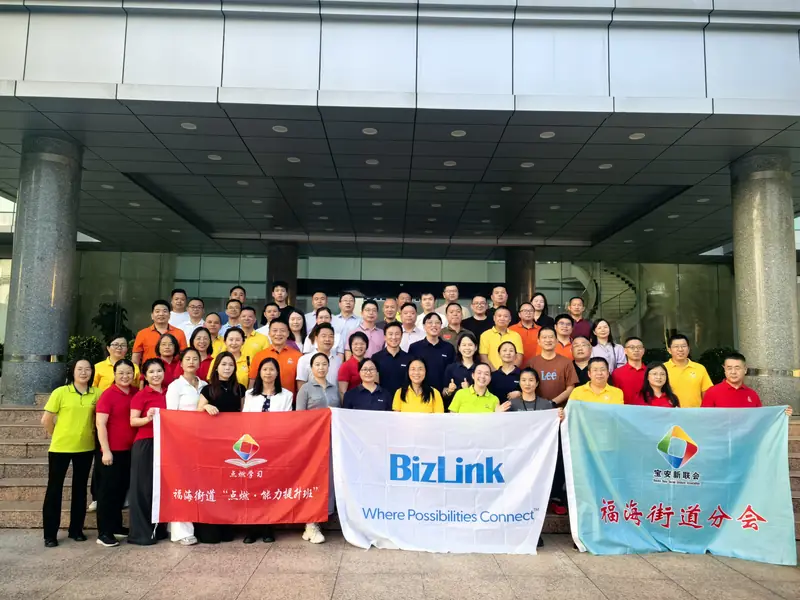
Connecting Infinite Possibilities | Bao'an District New Union 'Ignite Learning' Class (including our Shenzhen Jintianlei Innovation Technology Co., Ltd.) visited Biz Link to discuss new development op
-
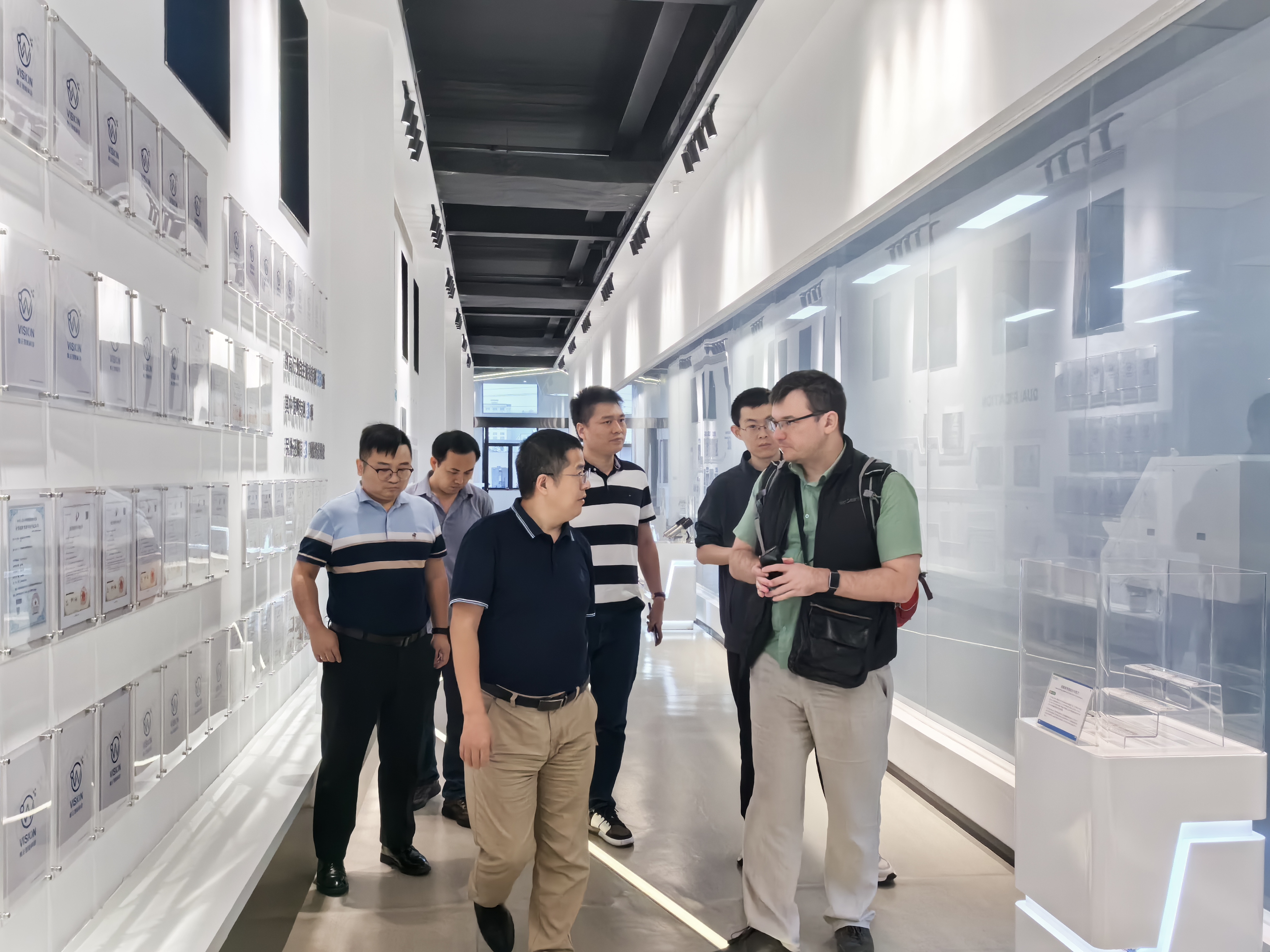
Welcome customers to visit our branch companies for factory inspection and guidance
-
ExpeElectronica2024 in Munich, Germany
-
PCBA industry global prospects
-
Connecting Infinite Possibilities | Bao'an District New Union 'Ignite Learning' Class (including our Shenzhen Jintianlei Innovation Technology Co., Ltd.) visited Biz Link to discuss new development op
-
Explore the future trends of the PCBA industry! How can you make your production line more efficient with the help of intelligent technology?