
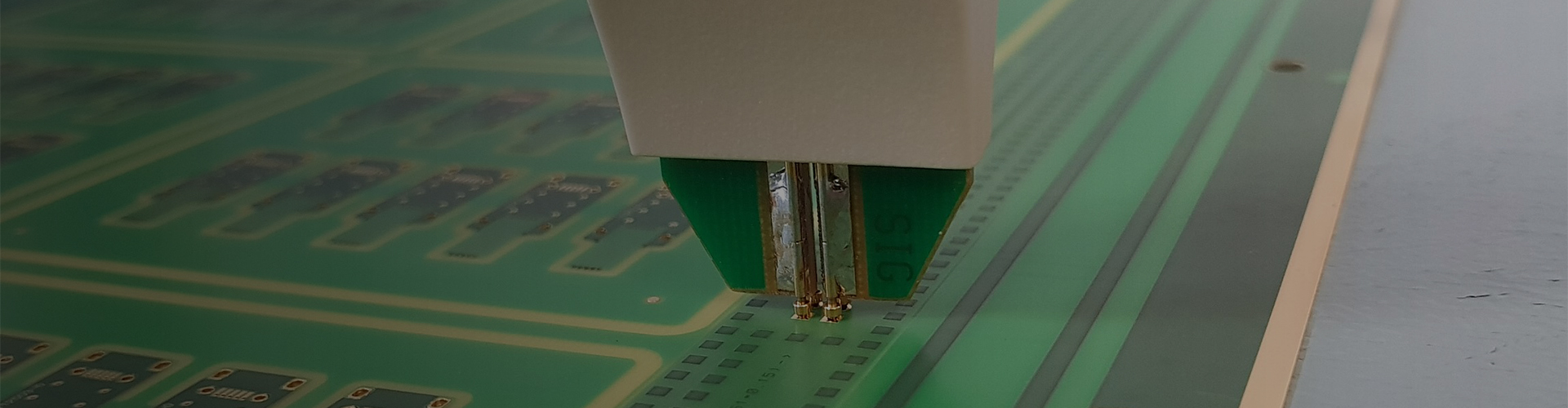
Short answer. BGA assembly with X-ray inspection is routine in Shenzhen, and the capability is easy to find. What separates one supplier from another is what the X-ray is used for: a pass or fail gate on every board, or a process check that only runs when someone remembers to ask for it. Kilandu runs X-ray as part of the in-process inspection sequence on BGA and other hidden-joint packages, alongside SPI and AOI.
What X-ray can see, and what it cannot
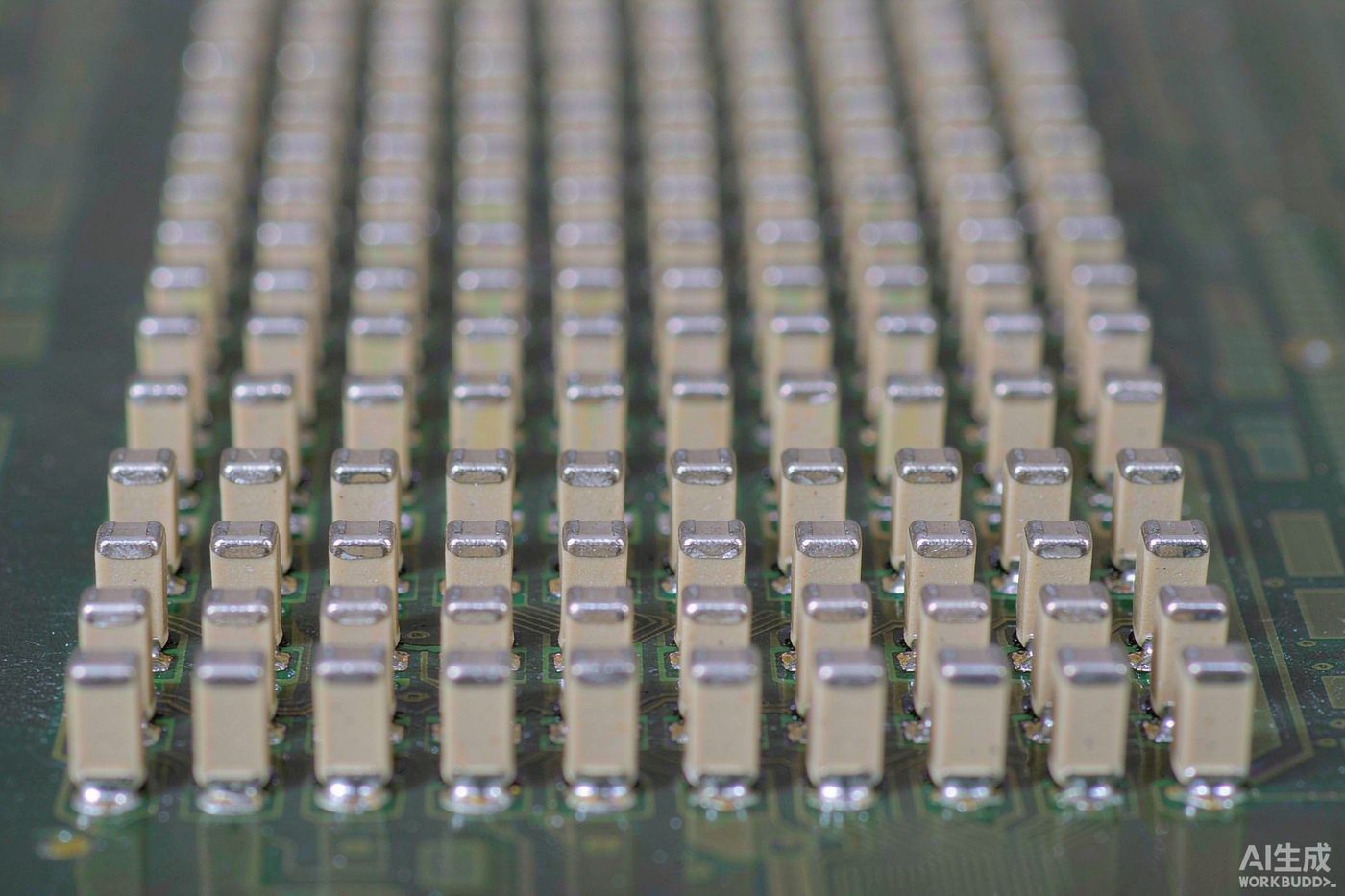
X-ray transmission imaging shows the solder inside a joint that no camera can reach. On a BGA it is used to look at four things:
- Voiding. Gas trapped in the joint shows as a lighter region. The question is the acceptance limit, not whether voids exist - every reflow joint contains some.
- Bridging and shorts. Solder that has flowed between adjacent balls is visible as a continuous mass where two spheres should be separate.
- Missing or displaced balls. A ball that never placed, or that collapsed and moved off pad during reflow, shows as a gap or an offset in the array.
- Head-in-pillow and open joints. The hardest case. A joint that touched during reflow but did not coalesce can look acceptable in a 2D image, which is why the inspection angle and the operator's experience matter more than the machine's resolution.
X-ray does not prove that a joint is electrically good, and it does not replace functional test. It proves that the solder geometry is inside limits. A board can pass X-ray and still fail at temperature, which is why burn-in and functional test sit downstream of it.
Where X-ray sits in the sequence
Inspection is only useful if it happens before the joint is buried. On a typical BGA build the sequence runs: solder paste printing with SPI, placement, reflow, AOI on the visible joints, X-ray on the hidden ones, then ICT and functional test. X-ray after conformal coating is a different and much less useful inspection, because the coating sits between the beam and the joint.
What to ask before you place the order
- Is X-ray on every board or on a sample? "X-ray available" and "X-ray on 100% of BGA boards" are different commitments and should be priced differently.
- What is the void acceptance limit, and against which standard? A number in the quotation is worth more than a capability statement.
- Who reads the image? An operator with a written limit, or an engineer making a judgement call, will produce different escape rates.
- What happens to a board that fails? Rework of a BGA is a reball and reflow operation. Ask whether rework is done in-house, how many rework cycles are permitted, and whether the reworked unit is re-inspected.
- Are the images retained? For a medical or automotive build, the image is part of the device record and should be traceable to the serial number.
What Kilandu does on a BGA build
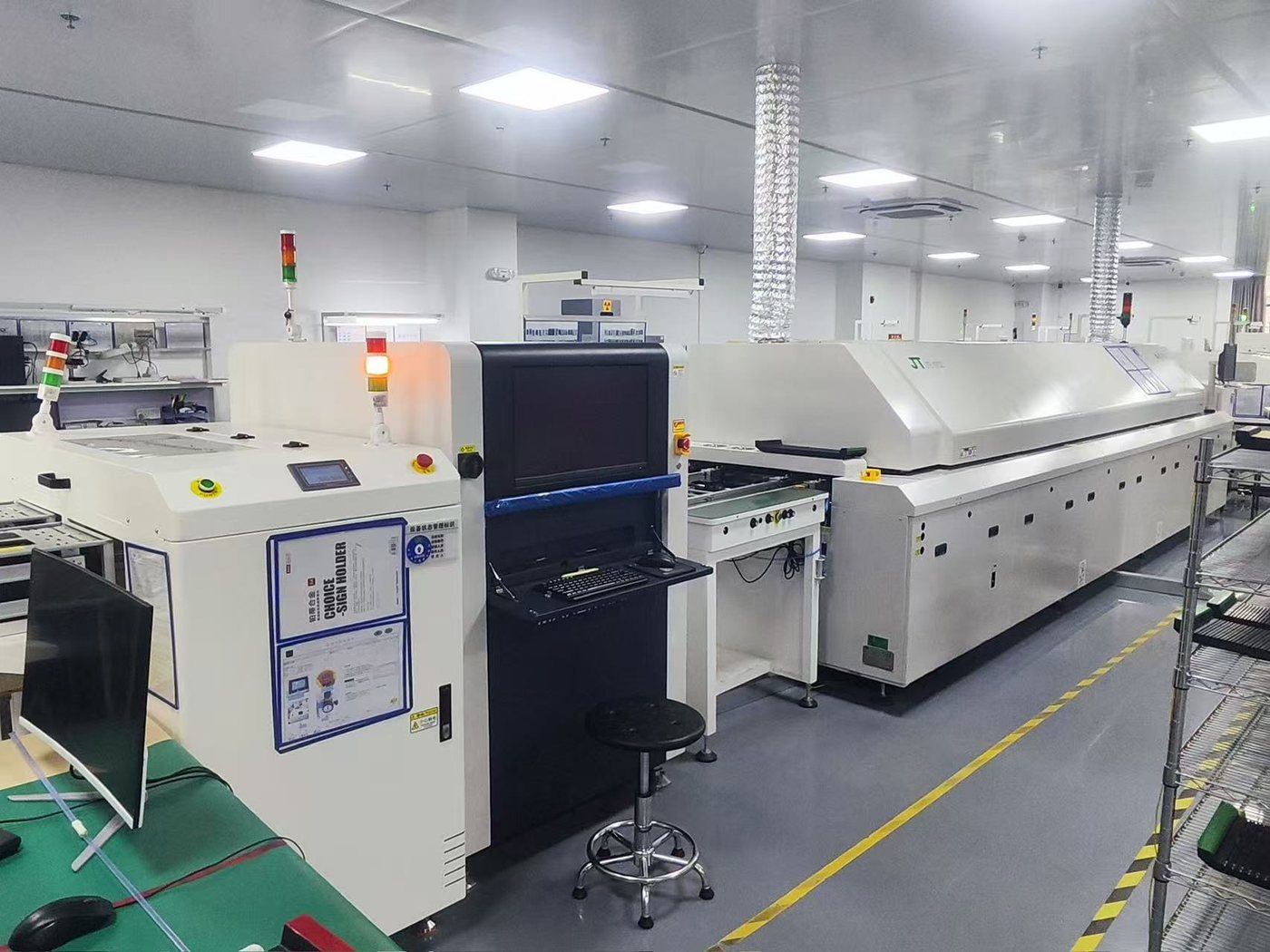
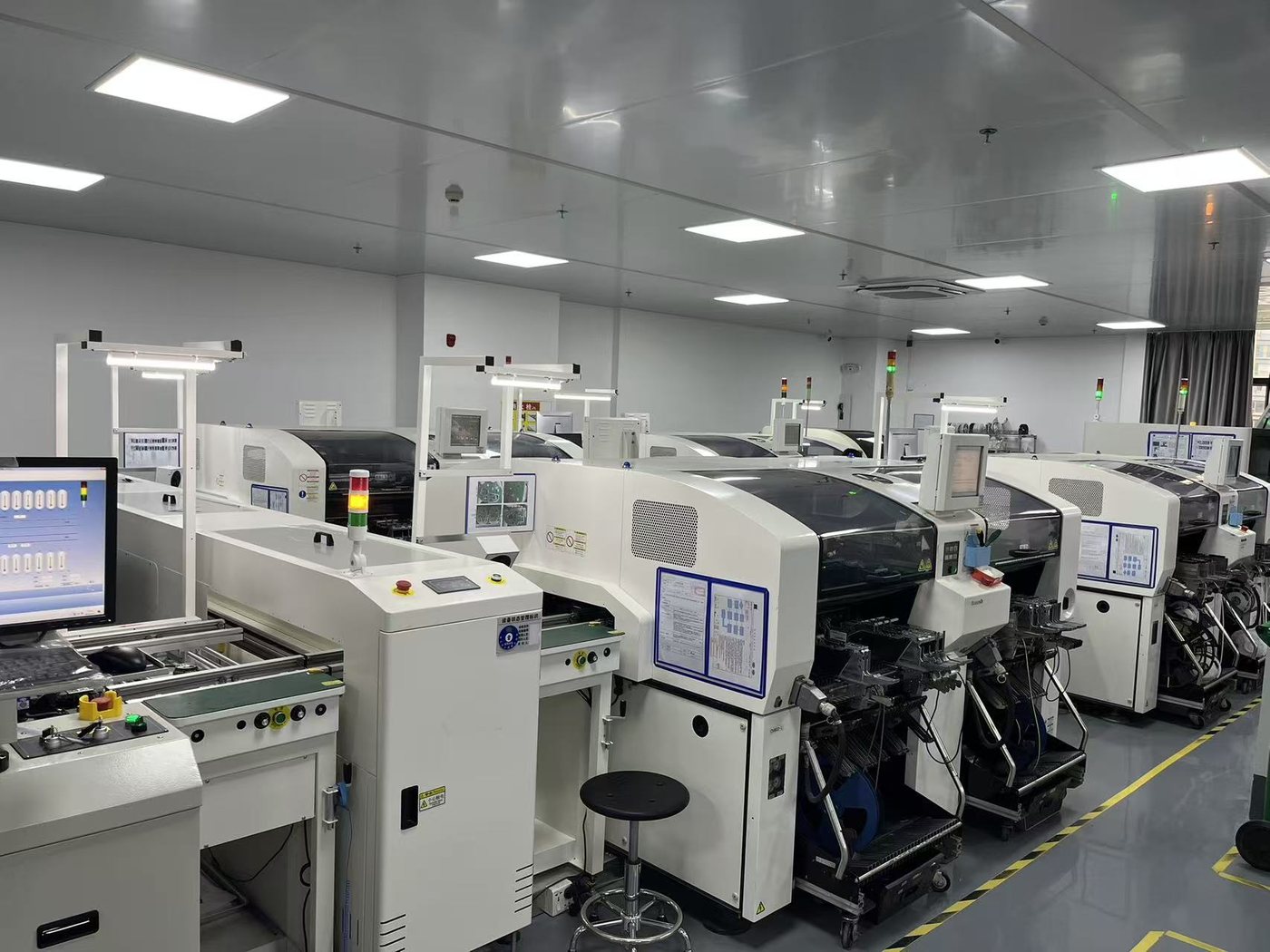
Kilandu assembles BGA and other area-array packages on four Yamaha SMT lines in Shenzhen. In-process inspection is SPI plus AOI plus X-ray, and electrical test is ICT plus FCT. X-ray is applied to the hidden joints that AOI cannot reach, and where a build calls for 100% X-ray coverage that is quoted as such rather than assumed. Programming is read back and recorded per unit on builds that carry firmware.
Where the detail is documented
Inspection standards and acceptance criteria are described on the IPC-A-610 page. The equipment behind the process is listed on the factory capabilities page, and the file set needed to quote a BGA board is on the quote requirements page. Send the stack-up and the BGA pitch to alden@kilandu.com for a DFM review before the order.


-
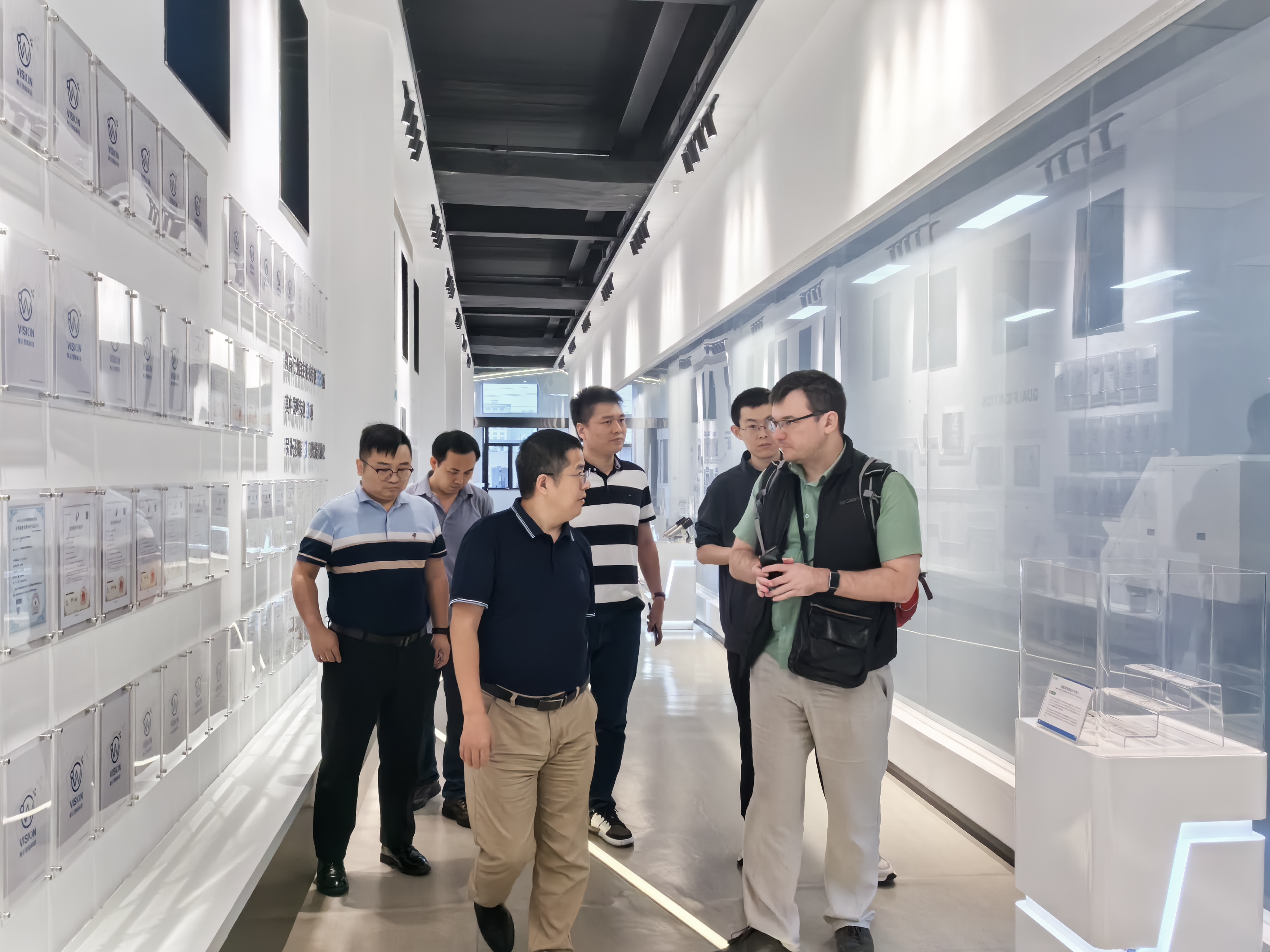
Welcome customers to visit our branch companies for factory inspection and guidance
-
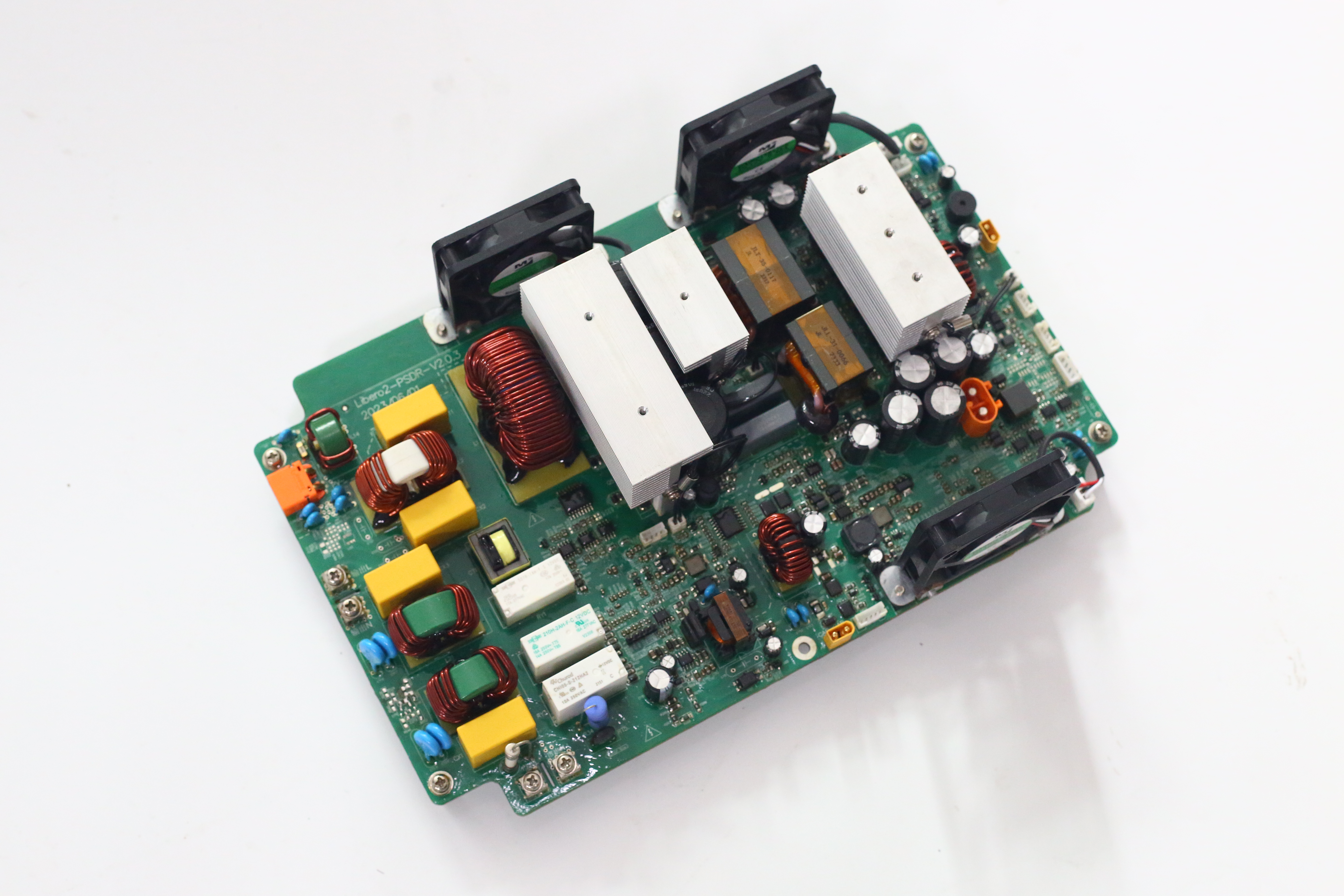
ExpeElectronica2024 in Munich, Germany
-

Connecting Infinite Possibilities | Bao'an District New Union 'Ignite Learning' Class (including our Shenzhen Jintianlei Innovation Technology Co., Ltd.) visited Biz Link to discuss new
-
PCBA industry global prospects
-

Welcome French customer PACE to visit our factory for audit