

TrendForce contract price data updated on 30 October 2026 shows DDR4 modules and components moving up again. The DDR4 16GB SO-DIMM averaged USD 275, up 1.85% on the previous update. The 8GB SO-DIMM reached USD 148, up 4.23%. The DDR4 16Gb component traded at USD 52, up 4.00%, and the 8Gb at USD 26, up 4.00%. DDR3 4Gb held at USD 15.20 after a long run of increases.
On the same update the DDR5 8GB SO-DIMM was unchanged at USD 133. The single DDR5 line on that board held flat while every DDR4 line rose. That pattern matters more for industrial buyers than the absolute level, because it indicates where wafer capacity is going rather than how much demand exists for DDR4.
A buyer sourcing industrial control PCBA does not need a view on the memory market. The buyer needs an answer to a narrower question: will the DDR4 or DDR3 device written into a released BOM still be available in 2027 and 2028, at what price, and with what documentation when an auditor asks for the lot trace.
What the October contract prices show
The table below reproduces the TrendForce contract price board as published on 30 October 2026. All figures are in US dollars and the change column is against the previous update, not against the same month a year earlier.
| Item | Average price (USD) | Change |
|---|---|---|
| DDR5 8GB SO-DIMM | 133.00 | 0.00% |
| DDR4 16GB SO-DIMM | 275.00 | +1.85% |
| DDR4 8GB SO-DIMM | 148.00 | +4.23% |
| DDR4 16Gb 2Gx8 component | 52.00 | +4.00% |
| DDR4 8Gb 1Gx8 component | 26.00 | +4.00% |
| DDR4 4Gb 256Mx16 component | 15.50 | +1.97% |
| DDR3 4Gb 256Mx16 component | 15.20 | 0.00% |
Memory being expensive is the obvious reading of this table. The useful one is that the increase sits in the four DDR4 lines while the DDR5 module and the DDR3 component held. That pattern is consistent with supply being withdrawn from mature nodes rather than with a demand surge across the board.
The DDR3 line is worth noting because it has stopped moving after a sustained rise. A flat month on a small-density part does not indicate recovery. It usually means the remaining buyers have already taken what volume they could secure, and the spot price has reached a level where further increases suppress the order rather than lift revenue.
The fourth-quarter forecast and its limits
TrendForce's memory market release of 30 September 2026 projected conventional DRAM contract prices rising 10% to 15% quarter on quarter in the fourth quarter, with NAND Flash contract prices up 15% to 20%. Those are forecasts made from order books and price negotiations, not settled transactions. The distinction matters when a purchasing team builds a 2027 budget.
The forecast also marks a shift in the character of the cycle. Increases of that size are smaller than what the first half of 2026 carried, and the fourth quarter has become a negotiation rather than an allocation scramble in the consumer segments. Buyers of PC and handset memory are pushing back, cutting capacity in entry models and delaying orders. Industrial buyers are in a different position, because the part on the board cannot be swapped for a smaller density without changing the product.
Three points follow for anyone planning 2027 purchases. Prices are still moving in one direction even as the rate slows. The slowdown is concentrated where demand can be reduced. The remaining supply is being allocated to accounts with long-term agreements rather than to spot buyers.
Where the wafer capacity went
The mechanism behind the DDR4 increase is a capacity transfer inside the memory manufacturers. Advanced process capacity is being redirected to high bandwidth memory and server DRAM, where revenue per wafer is higher and demand is contracted years ahead. Mature-node capacity that used to serve DDR4 and DDR3 is not being replaced at the same rate.
The effect on a specific supplier is visible in TrendForce's analysis of Micron's Fab 6 conversion in Virginia. That analysis put DDR4 at roughly 7% of Micron's DRAM output in 2026, with a further decline expected in the following years. A part family that represents a low single-digit share of a manufacturer's output is not where the next capacity investment goes.
For a buyer this changes what to watch. The relevant signal is no longer the headline price of DRAM. It is the product status notification for the specific part number on the BOM, and the allocation volume the supplier is willing to commit for the next four quarters.
Why the Fab 6 news does not mean more DDR4
Micron's Fab 6 in Manassas, Virginia started producing 1-alpha DRAM, including LPDDR4 and DDR4, in May 2026. The output is directed at automotive, industrial, networking, medical and aerospace customers, which are the applications that keep a component in place for a decade. The announcement was widely read as a return of DDR4 capacity.
TrendForce's reading of the same move was narrower. The company adjusted the production focus of Fab 6 toward LPDDR4 and DDR4, with LPDDR4 taking the larger share, and reduced the corresponding output at its Taiwan sites. Total LPDDR4 and DDR4 capacity across the company did not increase. The conversion moved mature memory production to a fab that serves long-lifecycle customers. It did not add wafers to the market.
This is the most common misreading in the current cycle, and it has a practical consequence. A buyer who sees a fab conversion reported as new capacity may decide to wait for prices to ease. A buyer who reads it as an internal reallocation plans the opposite, which is to secure volume before the allocation tightens further.
Why DDR4 demand does not move to DDR5
DDR4 and DDR5 differ in electrical specification, signalling and module keying. A DDR5 module cannot be fitted to a DDR4 slot, and a DDR5 device cannot be dropped onto a board laid out for DDR4. The two generations are not interchangeable at the component level, so price pressure on DDR4 does not push existing designs toward DDR5 by itself.
A migration on an industrial board also reaches further than the memory device. It normally requires a change of processor or memory controller, a new PCB layout with different routing and power delivery, revised firmware, re-run thermal and reliability testing, and a new qualification cycle for the end product. On a board that carries a safety function or a medical certification, the validation work is the larger part of the cost.
The result is a demand curve that responds slowly. Buyers absorb higher prices for as long as the alternative costs more in engineering time than the price difference on the component. That is why mature memory can rise while a newer generation sits flat, and why the situation can persist for several quarters rather than correcting on its own.
The end-of-life market that formed around DDR3 and DDR4
A secondary supply structure has grown up around these parts. On 6 October 2026, Intelligent Memory, an industrial memory manufacturer, signed Sourceability as a global distribution partner. The announcement named the problem directly: the two companies would help customers navigate DDR3 and DDR4 end-of-life, allocation risks and shifting supply and demand. The target customers were industrial automation, transportation, energy, medical and other embedded systems.
That wording is a useful indicator of where the market stands. When a distributor partnership is built around end-of-life and allocation rather than around new design wins, the products in question are already past the point where original manufacturers plan to support them indefinitely. Industrial-grade supply for DDR3 and DDR4 is becoming a specialist business, served by manufacturers who keep mature lines running and by distributors who hold stock against long-lifecycle programmes.
For a buyer, this creates an option and a risk. The option is that qualified industrial memory remains obtainable after the original manufacturer exits. The risk is that the source changes, and with it the date code, the test coverage and the documentation that a customer audit will ask about.
What a released board is exposed to
Three events drive most of the cost on a board that is already in production.
The first is an allocation cut. A supplier reduces the volume committed to an account, usually with short notice and without an end date. Production continues at a reduced rate, or the buyer covers the gap on the spot market at a price that cannot be passed to the end customer.
The second is an end-of-life notice. Original manufacturers issue a product change or discontinuation notice with a last-time-buy window. Missing the window leaves two routes: buy from brokers with uncertain provenance, or redesign the board. Both are expensive, and the redesign route usually takes longer than the customer's delivery schedule allows.
The third is repricing at quotation. A PCBA quotation that was valid for ninety days may now be exposed on the memory line alone, because the component moved more than the margin on the whole assembly. Buyers who compare quotations on total price without checking the validity period and the memory line item are comparing numbers that will not hold.
There is a fourth exposure that appears later, at audit. Industrial and medical customers increasingly ask for lot traceability on the memory device: date code, supplier, and in some cases the test record for the incoming batch. Boards built from mixed broker stock are difficult to document, and the gap usually surfaces during a customer audit rather than during production.
What a new design should settle now
A new industrial board going into layout in the next two quarters has a different decision from a released board. Continuing with DDR4 is defensible where the product volume is modest, the qualification cost of a change is high, and a qualified industrial source is available with a written longevity commitment. Moving to DDR5 is defensible where the product has a service life beyond 2030 and the processor platform already supports it.
Two constraints apply to either choice. A dual source is only realistic within the same generation, because the footprint and the interface do not carry across DDR4 and DDR5. And the second source has to be qualified before it is needed, not after the first source issues a notice. Qualifying a replacement memory device on an industrial board means re-running the timing margin, the thermal test and, where relevant, the EMC test.
What a PCBA supplier can and cannot control
The boundary matters in practice, because buyers often assume the assembly supplier has more influence over memory allocation than it does.
A contract manufacturer does not receive wafer allocation from the memory manufacturers. It buys through distribution, often at the same allocation tier as its customer, and it cannot create supply that the market does not have. It also does not control the firmware that decides how the memory is used, or the product architecture that determines whether a different device can be designed in.
What the assembly supplier does control is the record. That includes freezing the BOM version used for a build, recording the manufacturer and date code of each memory lot, holding incoming inspection results for the batch, reporting a substitution for written customer approval before it is fitted, and stating a quotation validity period that reflects the volatility of the memory line. These are the items that decide whether an allocation problem becomes a production stop or a documented deviation.
Kilandu's supply chain and component sourcing processes cover the sourcing side; the acceptance and traceability side sits under quality assurance. The earlier articles in this series on passive component lead times, PCB material costs for 2027 and MLCC second sourcing cover the same pattern for other commodity families.
Checklist for the next procurement review
The items below are the ones that change an outcome. Each has an owner, and none of them can be closed by the assembly supplier alone.
| Item | What to confirm | Owner |
|---|---|---|
| Part status | Whether each DDR or eMMC part number has an active product change or discontinuation notice | Buyer and supplier |
| Last-time-buy date | The final order date and the quantity that can still be booked | Buyer |
| Allocation volume | Committed quantity per quarter for the next four quarters, in writing | Buyer |
| Quotation validity | Whether the validity period reflects the memory line and what happens when it expires | Supplier |
| Second source | A qualified alternative in the same generation, tested before it is required | Engineering |
| Substitution approval | A written approval route for any alternative part, with the customer signature recorded | Both |
| Lot traceability | Manufacturer, date code and incoming inspection record retained per build | Supplier |
| Moisture handling | MSL level, bake record and floor life for memory devices before reflow | Supplier |
Two of these items are routinely skipped and cause most of the trouble. Quotation validity is treated as an administrative detail until the memory line moves and the quotation becomes a loss. Second source qualification is deferred until a notice arrives, at which point there is no time to run the tests.
What to expect over the next four quarters
The current direction of travel is for mature memory to stay tight while the rate of increase moderates. Micron's own September 2026 results commentary projected supply constraints continuing even with industry DRAM bit shipments growing in the low twenties percent in 2027 and 2028, and the company's new ID1 fab in Idaho is scheduled for initial wafer output in mid-2027 with volume ramp taking several quarters after that. New capacity does not arrive at the speed of a purchase order.
For industrial control boards, that means the planning horizon should be measured in quarters rather than weeks. A BOM review that fixes part status, allocation volume and second source qualification before the end of 2026 is cheaper than the same work done after a line stops. The alternative, waiting for a price correction, assumes that DDR4 demand will fall away. On boards that cannot change generation without requalification, it will not.
Sources
- TrendForce DRAM contract price board, updated 30 October 2026.
https://www.trendforce.com/price/dram/dram_contract - Intelligent Memory and Sourceability global distribution agreement, 6 October 2026.
https://sourceability.com/post/intelligent-memory-adds-sourceability-as-its-new-global-distributor
Price data checked against the TrendForce contract price board on 5 November 2026. Quarterly figures quoted from the 30 September 2026 forecast are estimates and not settled transactions. This page covers the assembly-supplier side of memory sourcing and is not a market forecast or purchasing advice.
Related resources
-

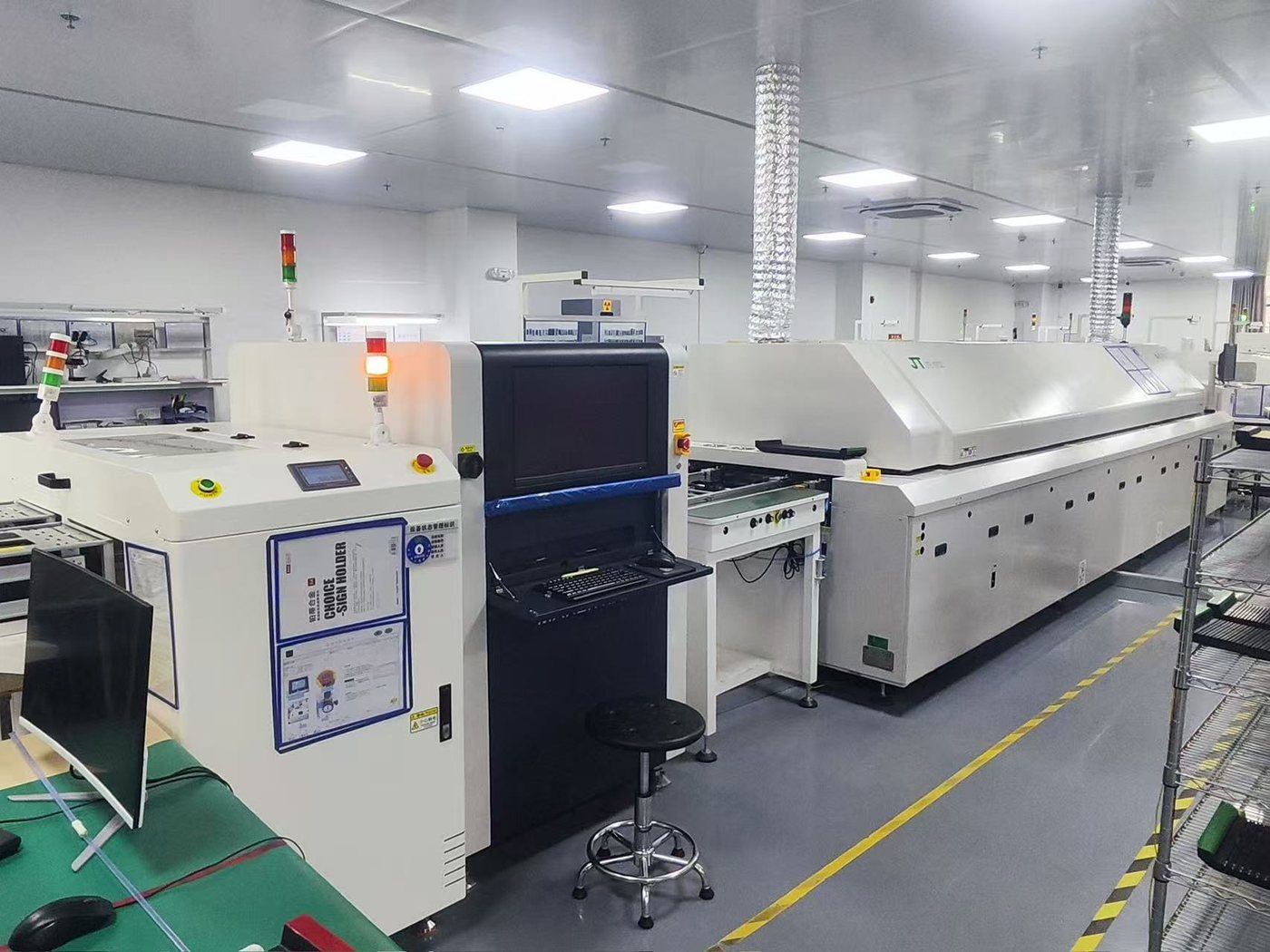
Welcome customers to visit our branch companies for factory inspection and guidance
-
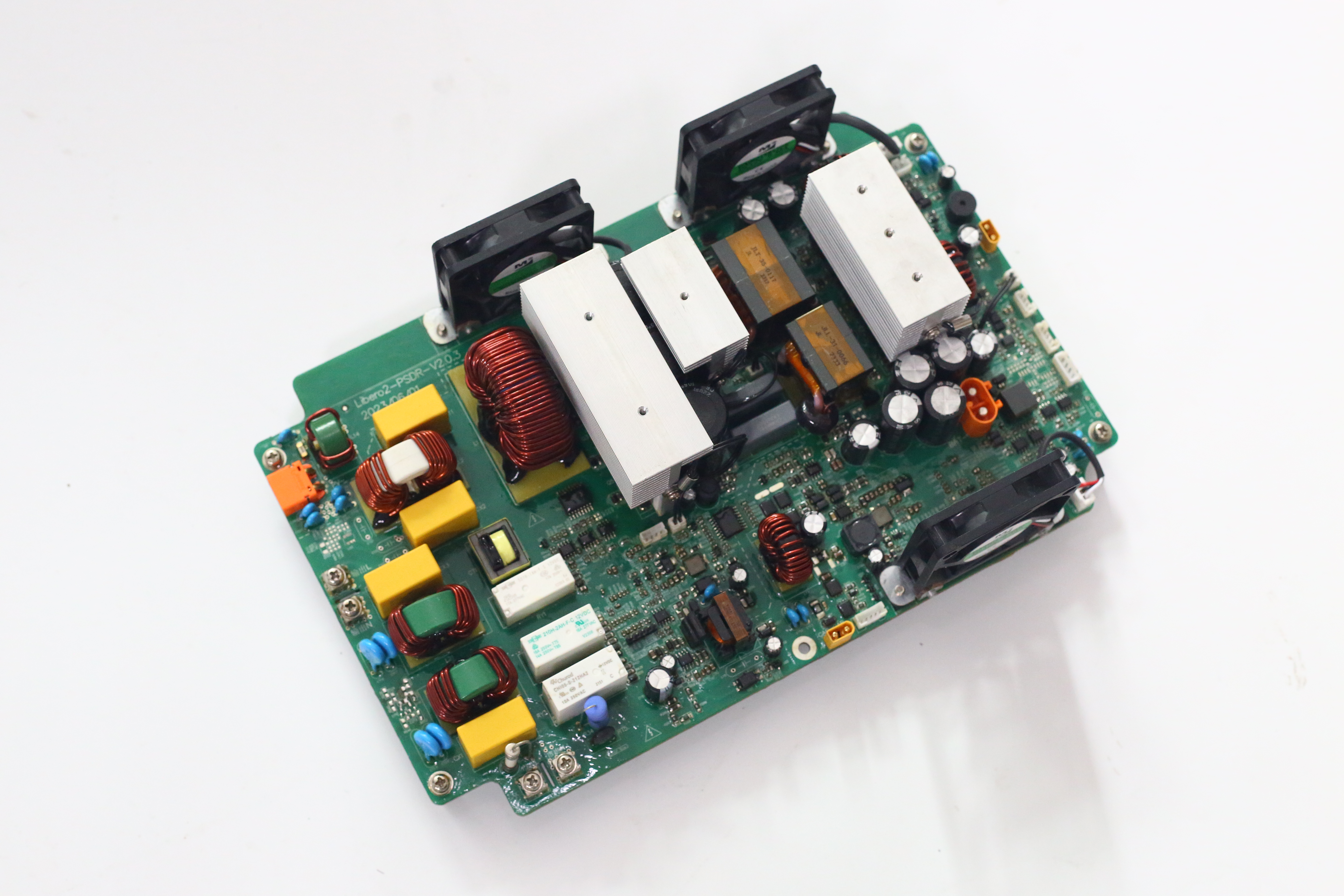
ExpeElectronica2024 in Munich, Germany
-

Connecting Infinite Possibilities | Bao'an District New Union 'Ignite Learning' Class (including our Shenzhen Jintianlei Innovation Technology Co., Ltd.) visited Biz Link to discuss new
-
PCBA industry global prospects
-
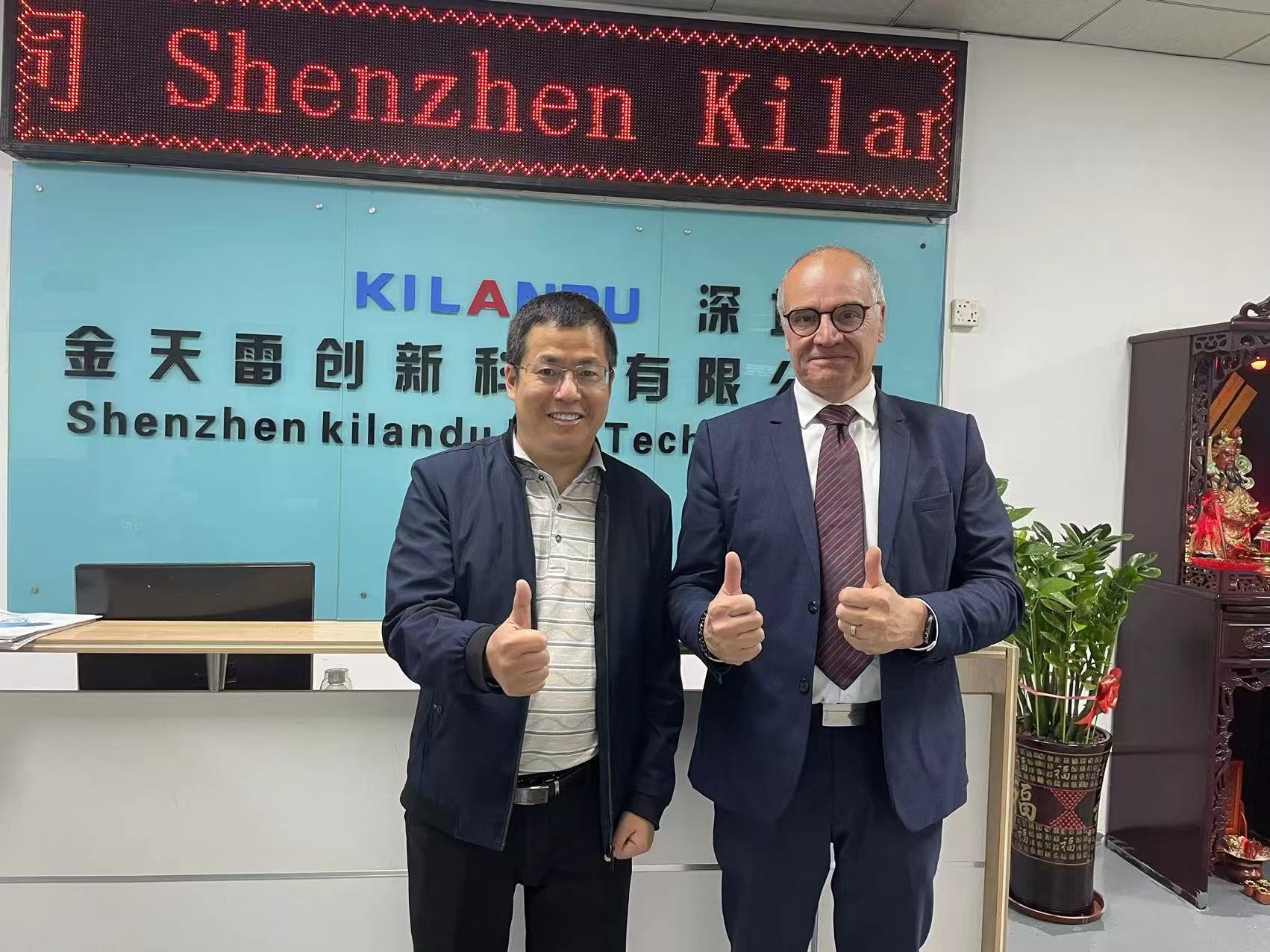
Welcome French customer PACE to visit our factory for audit