
Short answer. Coating is worth specifying when the board will be exposed to moisture, condensation, salt spray, dust or airborne chemicals, and the failure would happen months after shipment rather than on the line. It is not a substitute for correct design, and it is not worth its cost on a board that lives in a dry, clean enclosure. The decision is an environment decision, and the environment is stated by the customer, not inferred by the assembler.
Where coating earns its cost
- Moisture and condensation. A board in a sealed enclosure that warms and cools daily will see condensation inside it. Coating slows the ingress.
- Salt spray and marine atmosphere. Corrosion under a solder joint is the classic failure, and it is slow enough that it is not visible at shipment.
- Dust and airborne chemicals. Contaminants that would otherwise sit on the board and become conductive under moisture.
- Outdoor and industrial environments. Where the temperature range is wide, silicone chemistry is usually the one that holds up.
Where coating is not the answer
Three cases, and each of them is a design problem rather than a process problem. A board that runs hot needs thermal management, not an insulating film over the hot components. Boards with fine-pitch connectors under a coating layer become difficult to rework, so if the programme expects field rework, that should be decided before the coating is specified. And a board that has been assembled elsewhere and arrives with flux residue or contamination is a cleaning problem before it is a coating problem.
The three decisions to make before coating
- Which surfaces are coated. Full coverage of a board with open connectors is rarely what the customer means, and the assembly drawing is the document that defines the keep-out areas.
- What thickness is required. Thickness comes from the material supplier's data sheet and the customer specification, and it is measured on the cured film rather than inferred from the coating weight. A build without a stated thickness is inspected to a standard coverage rather than to a customer figure.
- Whether a second coat is needed. Two thin coats are preferred to one thick coat, because a single heavy pass is the usual cause of bubbles and of coating that traps solvent underneath.
Which standard applies
Coating is one of the few processes where the acceptance criteria are frequently left unstated until a dispute arises, because three different documents are in play. The material is qualified to IPC-CC-830, which is what the AR, UR and SR type designations in a specification refer to. The process and cleanliness requirements sit in J-STD-001, which is where cleanliness verification before coating belongs. The finished assembly is inspected to IPC-A-610, which is where coverage, voids and bridging are judged. A specification that names only a material type is incomplete: it does not say what coverage is acceptable, and it does not say whether cleanliness was verified.
What Kilandu does
Kilandu coats in Shenzhen with acrylic, polyurethane and silicone chemistries, by selective spray, manual spray or dip depending on the keep-out geometry and the volume. Which of the three standards applies is stated on the quotation, and where a customer has an internal coating specification, that is worked to instead. Material selection, application methods, defects and acceptance are covered on the conformal coating page, and the position inside a box build programme is on the box build answer page. To have coating specified against your drawing, send the assembly drawing and the operating environment to alden@kilandu.com.


-
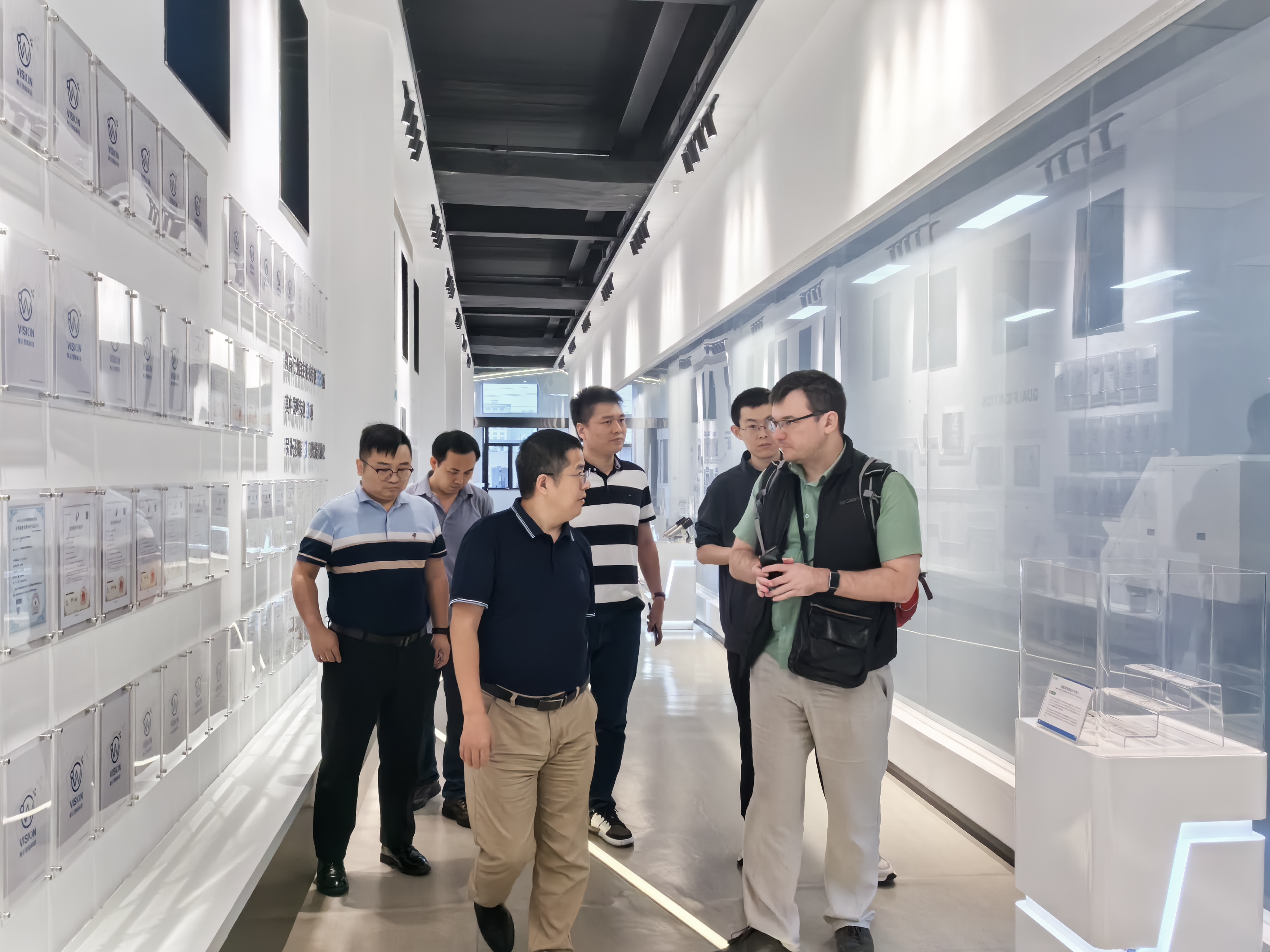
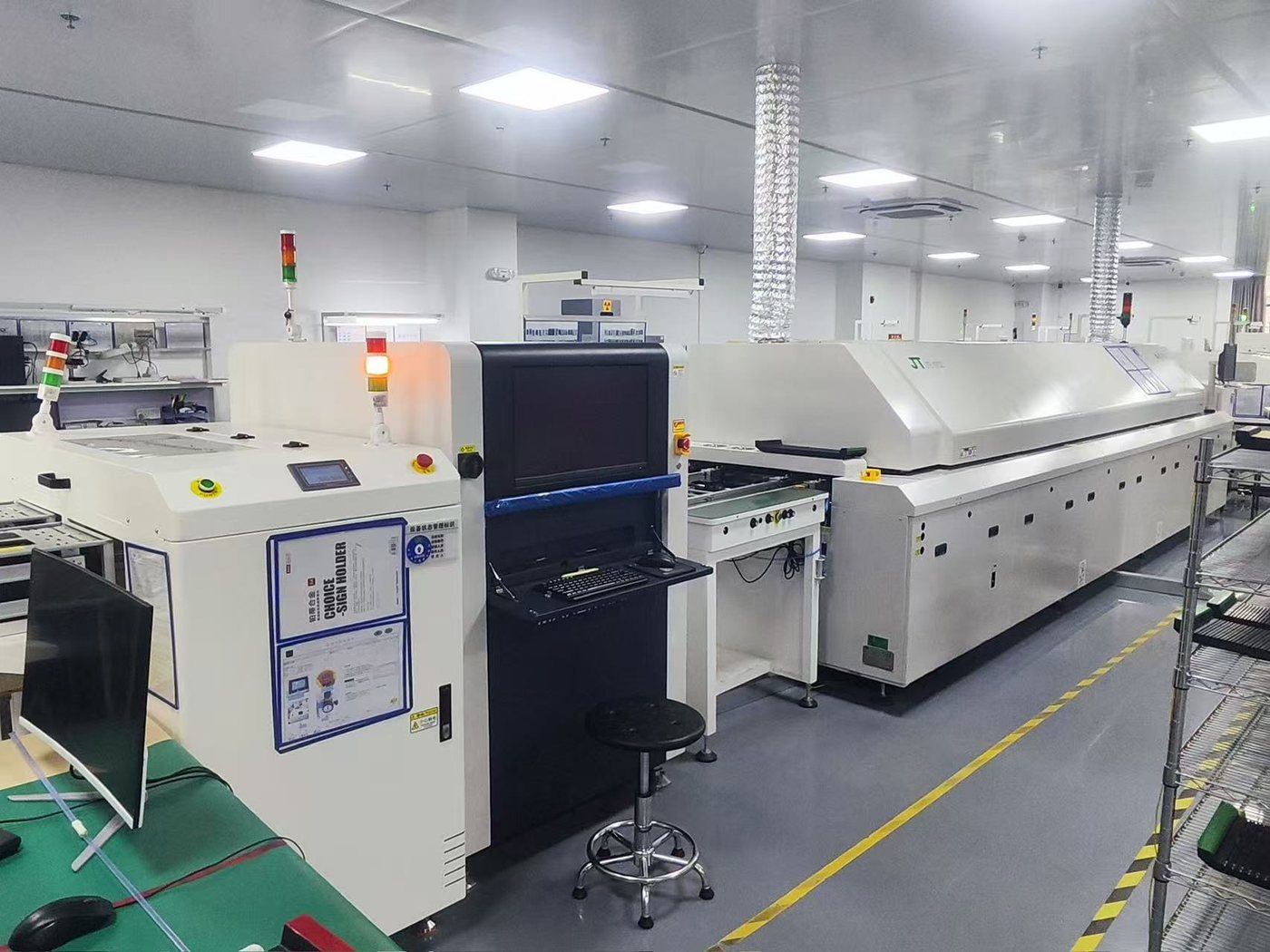
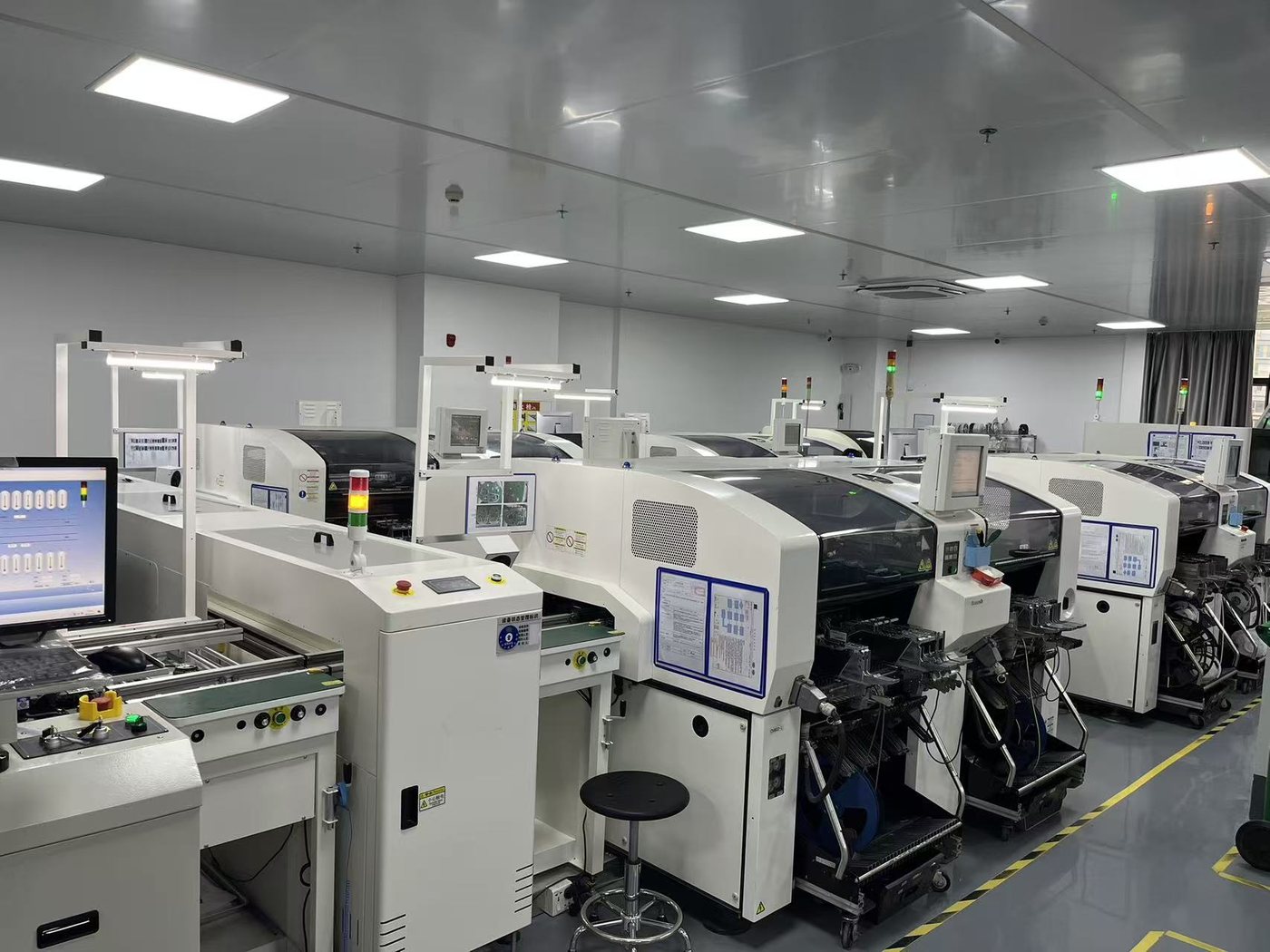
Welcome customers to visit our branch companies for factory inspection and guidance
-
ExpeElectronica2024 in Munich, Germany
-

Connecting Infinite Possibilities | Bao'an District New Union 'Ignite Learning' Class (including our Shenzhen Jintianlei Innovation Technology Co., Ltd.) visited Biz Link to discuss new
-
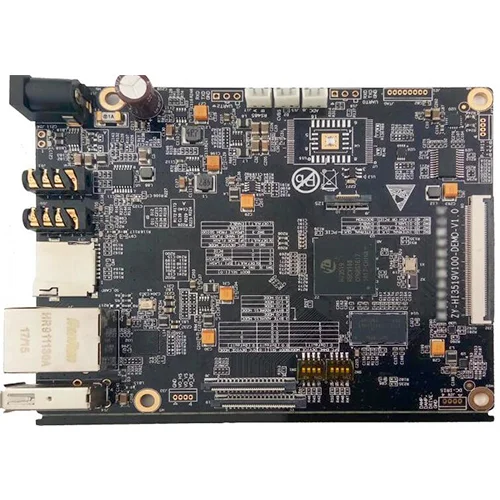
PCBA industry global prospects
-

Welcome French customer PACE to visit our factory for audit