
Short answer. A box build is the step where a tested board becomes a finished assembly: the PCBA, the harness, the enclosure, the fasteners and cables, and a unit-level test that proves the assembled thing does what it is supposed to do. The scope usually covers four items - the coated PCBA, the wiring harness, the integration of the enclosure and hardware, and unit-level functional test - plus a unit record that ties those together. What the customer supplies is usually the same in every programme: the mechanical drawings, the harness drawing, and the enclosure parts.
The four parts of the scope
- The PCBA, coated where required. Conformal coating is scheduled between board-level test and mechanical integration, so the board arrives at the enclosure already coated and inspected, and masking is read from the harness and assembly drawings.
- The wiring harness. Built to the customer's drawing, with the connectors, the wire gauge and the routing the drawing specifies. Where a keep-out area is defined by the harness, the masking plan is derived from the same drawing.
- Enclosure integration. The enclosure and its hardware are integrated with the board and the harness according to the mechanical drawing, with the fasteners, cable entries and any thermal interface fitted as specified.
- Unit-level functional test. The assembled unit is tested, not just the board, and the result is recorded against the unit serial number.
What the unit record has to contain
This is the part that separates a box build from a sub-assembly. A unit record ties together the coating inspection, the harness continuity check, the unit-level test result and the serial number. Without it, a field failure cannot be reconstructed: you know the board passed, but not what was fitted to it or what it measured when it left the building. For a European buyer, the record also feeds the technical file that the customer's own compliance obligations depend on.
What the customer has to supply
Three things, and the programme stalls without them:
- The assembly drawing, with the keep-out areas for coating marked and the mechanical interfaces defined.
- The harness drawing, listing the connectors and the routing - which is also the document the masking plan is read from.
- The operating environment and the test specification, because the coating chemistry and the test scope both follow from them.
Where the sequence gets decided
Coating after the harness and hardware are fitted is possible and is a worse answer: the masking set is larger, the risk of coating a mating surface is higher, and a failed board becomes a disassembly job. Deciding the sequence at quotation rather than on the line is the cheapest way to avoid it. The full sequence is described on the box build and coating answer page.
What Kilandu does
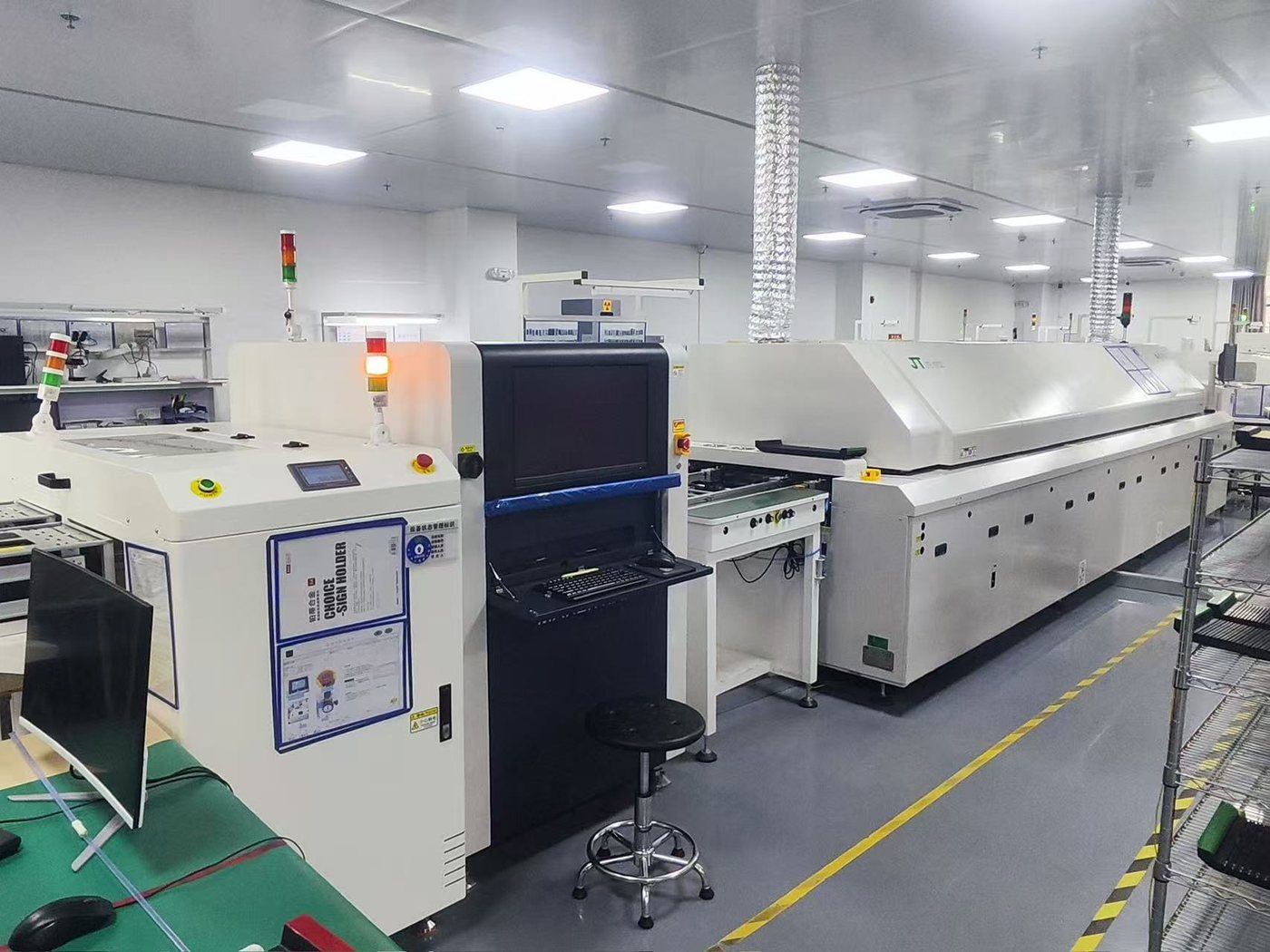
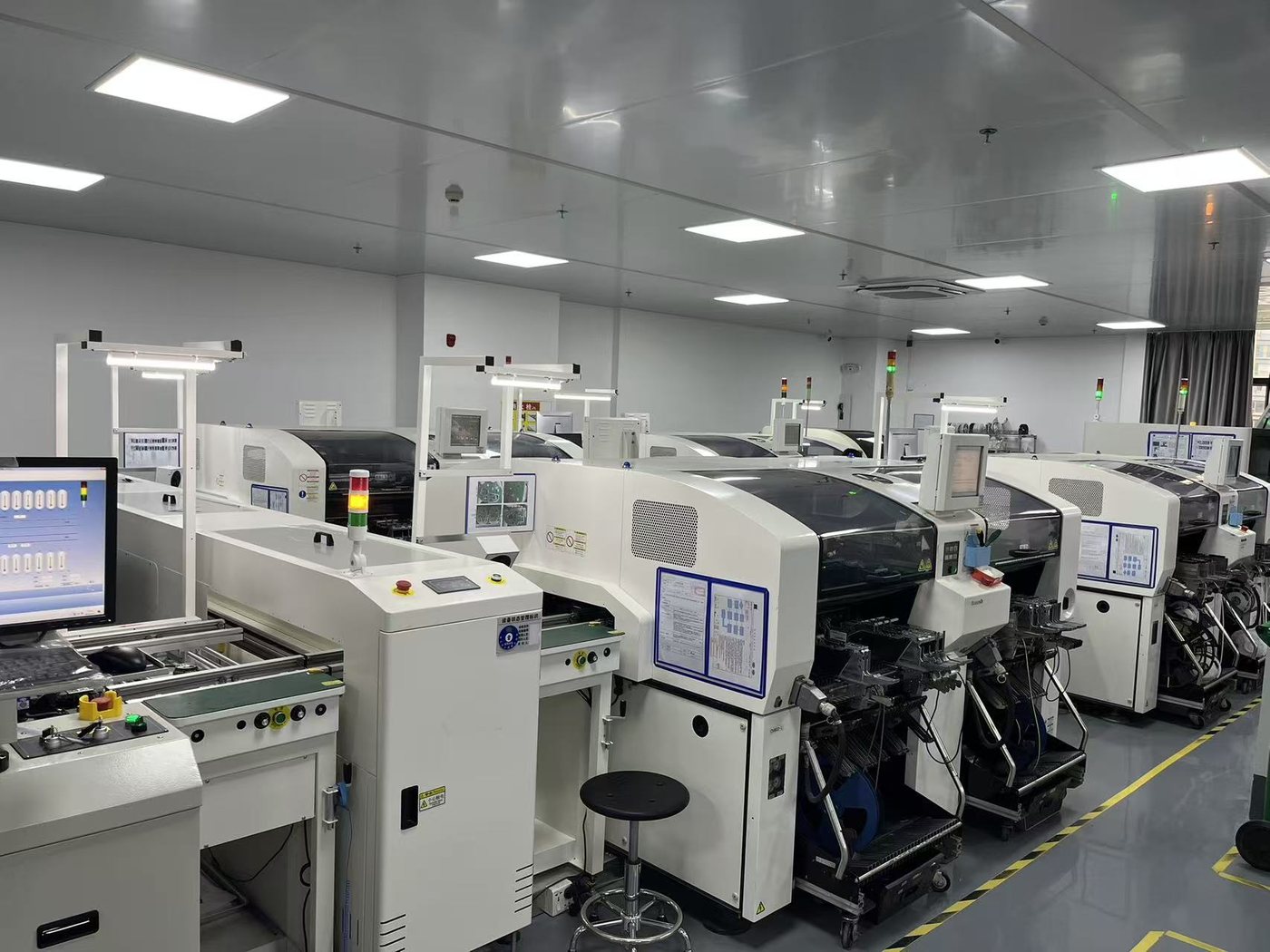
Kilandu builds box build and control cabinet assemblies in Shenzhen: coated PCBA, wiring harness, enclosure integration and unit-level functional test, delivered ready to ship. In-process inspection is SPI, AOI and X-ray; electrical test is ICT and FCT. The assembly scope is on the box build page, coating method and masking are on the conformal coating page, and how the records are held is on the quality assurance page. Send the assembly drawing with keep-out areas marked and the harness drawing to alden@kilandu.com.


-
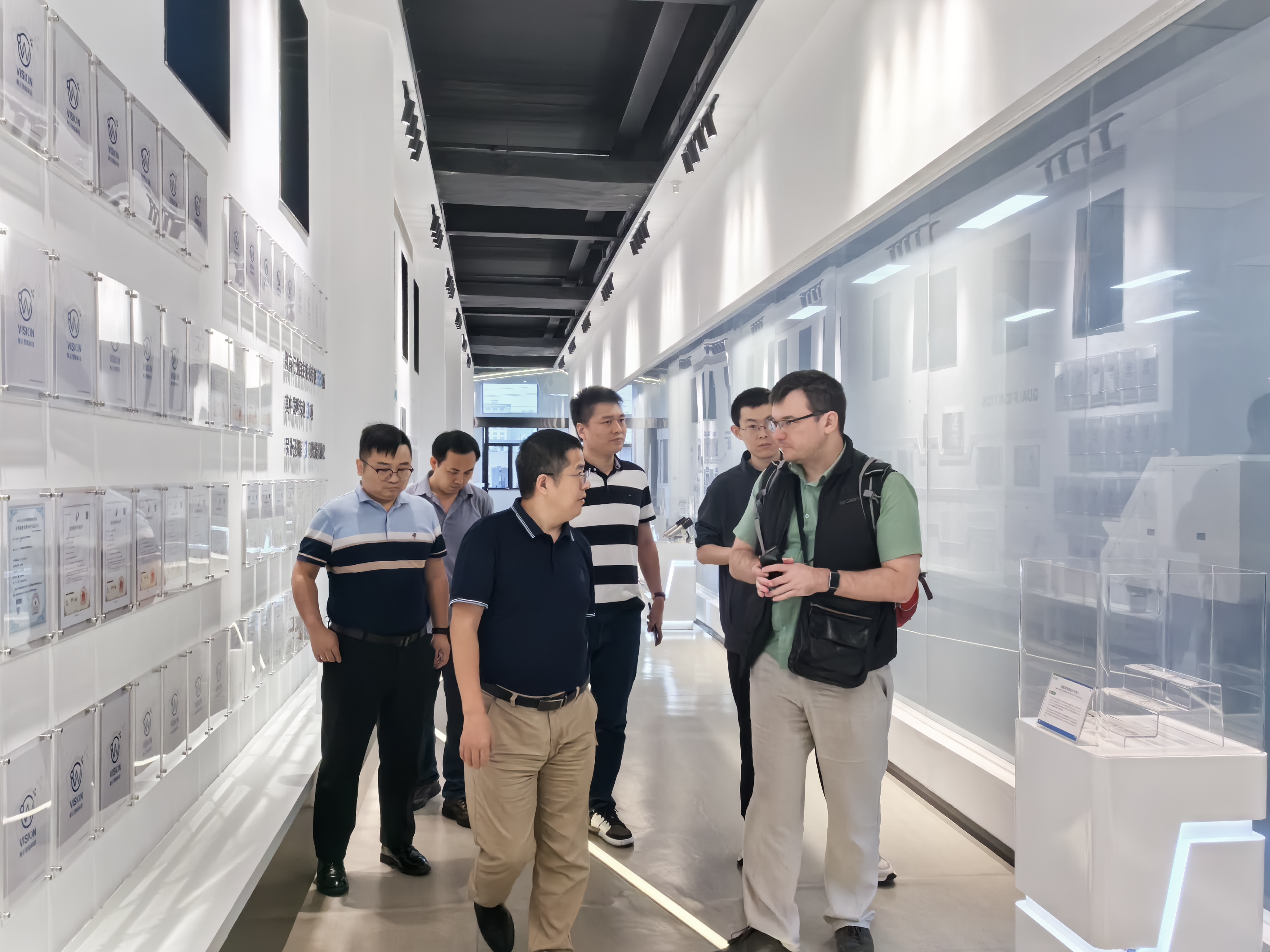
Welcome customers to visit our branch companies for factory inspection and guidance
-
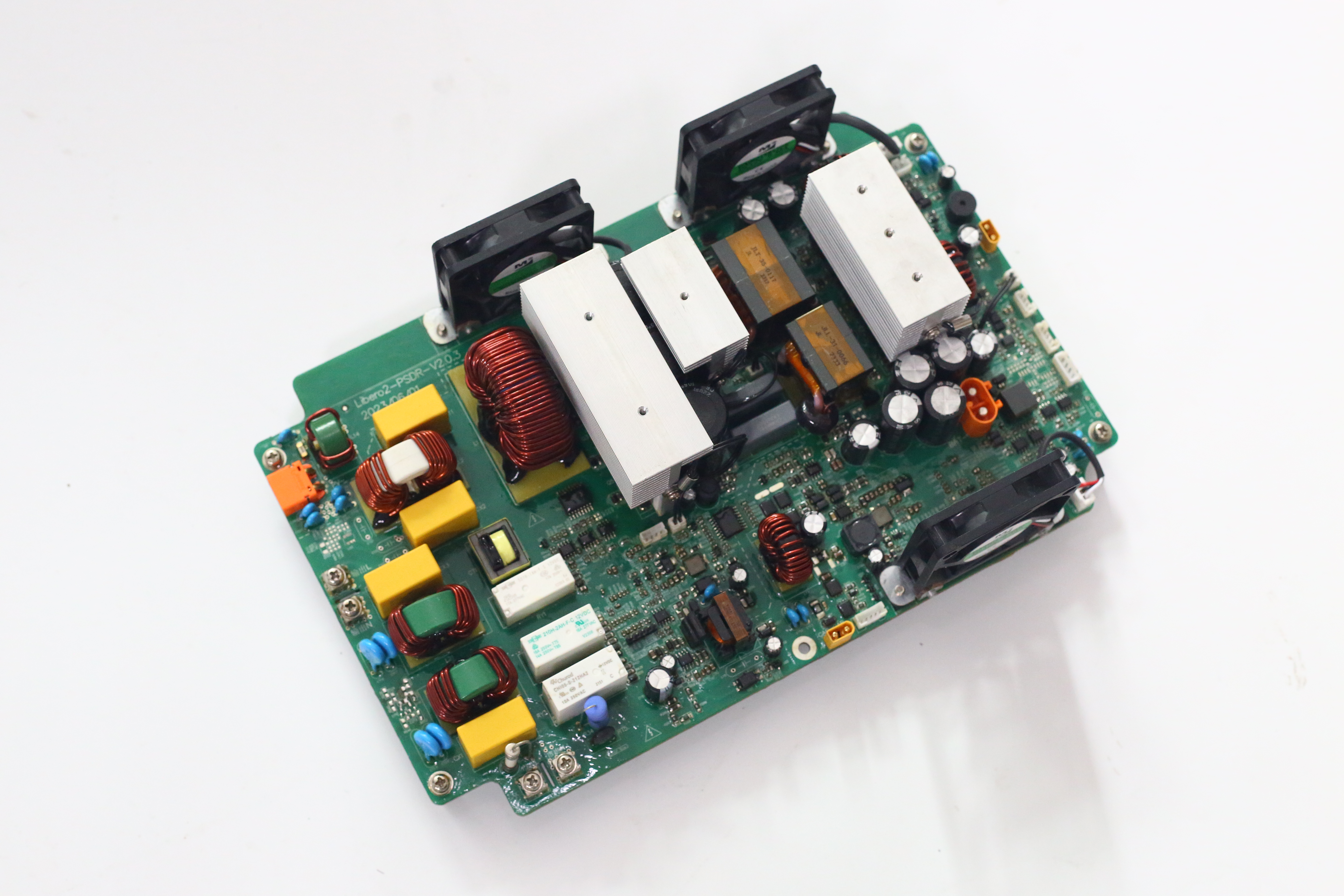
ExpeElectronica2024 in Munich, Germany
-

Connecting Infinite Possibilities | Bao'an District New Union 'Ignite Learning' Class (including our Shenzhen Jintianlei Innovation Technology Co., Ltd.) visited Biz Link to discuss new
-
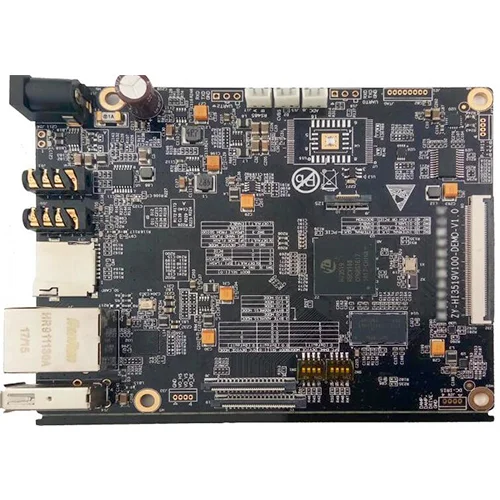
PCBA industry global prospects
-

Welcome French customer PACE to visit our factory for audit