
Short answer. The supply problem is not solved by the assembler finding an alternative; it is solved by the problem being visible early enough to act on. The practical process has four steps: the part is flagged when the quotation is prepared, alternatives are proposed in writing before anything is ordered, no substitution is made without the customer's written approval, and the material actually used is recorded against the lot so its origin is traceable afterwards.
The three situations that need different answers
- End-of-life or not-recommended-for-new-design. A date is published and the part will disappear. This is a planning problem, and the answer is usually to either design out the part or to buy a controlled quantity while it exists. Both need to be decided before the design is frozen, not after.
- Allocation. The part still exists and is still orderable, but the quantity available is being rationed across buyers. Here the question is allocation position, and it is a question to ask early.
- Single source with no equivalent. The part is available from one manufacturer and no drop-in replacement exists. This is the hardest of the three, and the answer usually involves a change to the design rather than a change of supplier.
Why alternatives are proposed in writing
A pin-to-pin alternative is not automatically equivalent. Parts that share a footprint can differ in logic levels, timing, power dissipation, pin multiplexing, package markings and, occasionally, in the way they are supported by the surrounding software. A substitution decided on the line is a substitution nobody reviewed. Proposing the alternative in writing, with the differences named, puts the decision where it belongs: with the customer, who is the only party that knows what the design does.
What traceability has to cover
Every part that arrives is checked against the BOM and the packing list before it is released to the line: part number, marking, quantity and date code, plus the condition of moisture-sensitive parts. Consigned material is recorded in the same way, which is what makes a consigned and a sourced build comparable in the records. Lot records then tie the finished assembly back to the material it was built from. If a part is later found to be non-conforming, the question "which boards used it" has to have an answer, and that answer exists only if the material was recorded at goods-in.
Where the risk shows up in the design
Some of the supply risk is decided before the order, at layout stage. A design that uses two part numbers that happen to be interchangeable from the same manufacturer has a much cheaper second source than one that uses a unique part. That is a design decision, and the DFM review on the DFM page flags component lifecycle risk as one of its six categories for the same reason.
What Kilandu does
Long-lead and allocation-risk parts are flagged at quotation, and no component is substituted without written approval. Material is bought through authorised channels, and incoming material is verified against the BOM and the approved vendor list before release to production. Compliance, traceability and procurement are described on the supply chain page, and the sourcing process in detail is on the component sourcing page. The difference between consigned and sourced material is covered on the consigned components answer page. To have a BOM reviewed for lifecycle risk, send it to alden@kilandu.com.
Previous:How is a PCBA tested in production?



-
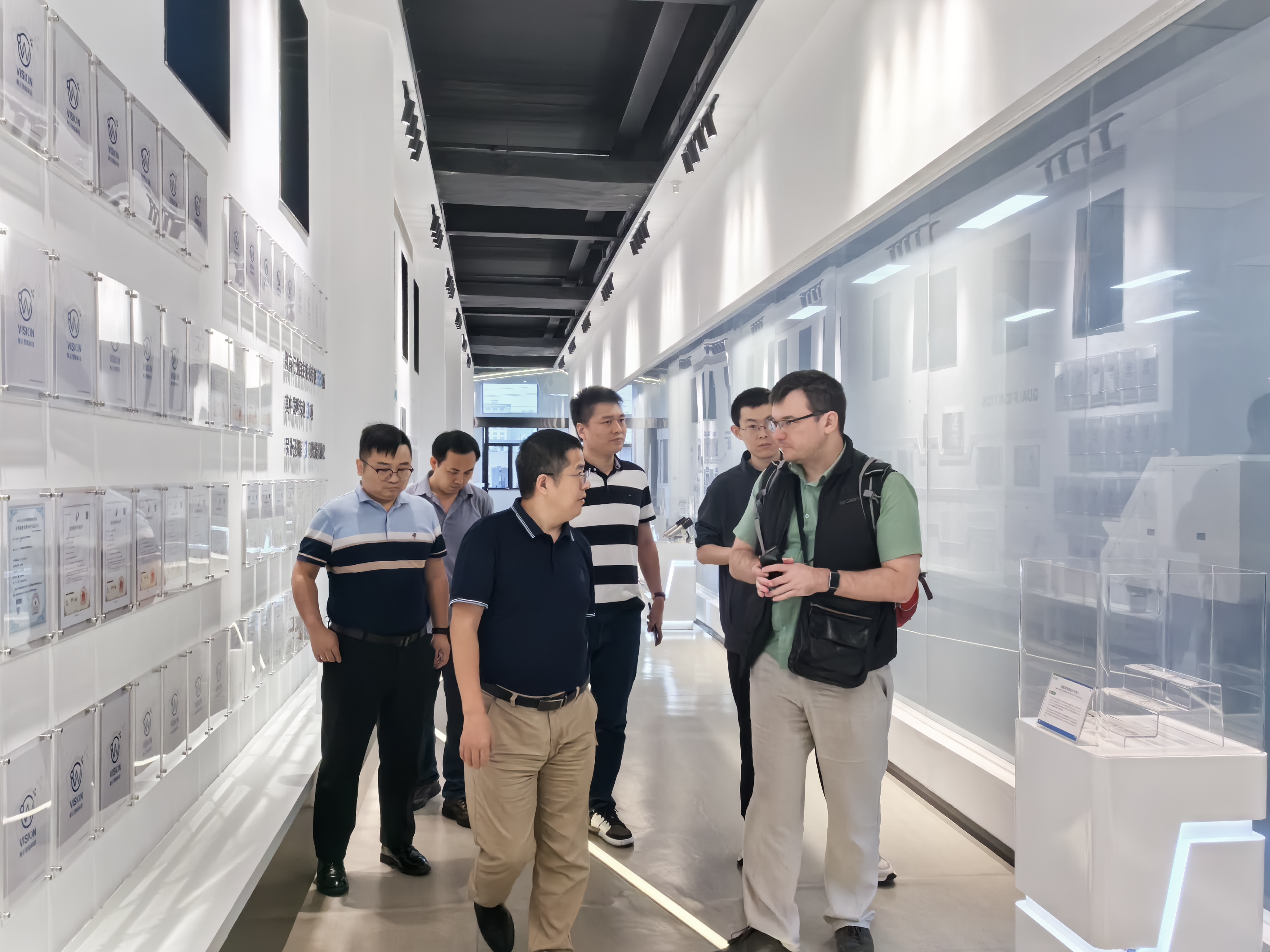
Welcome customers to visit our branch companies for factory inspection and guidance
-
ExpeElectronica2024 in Munich, Germany
-
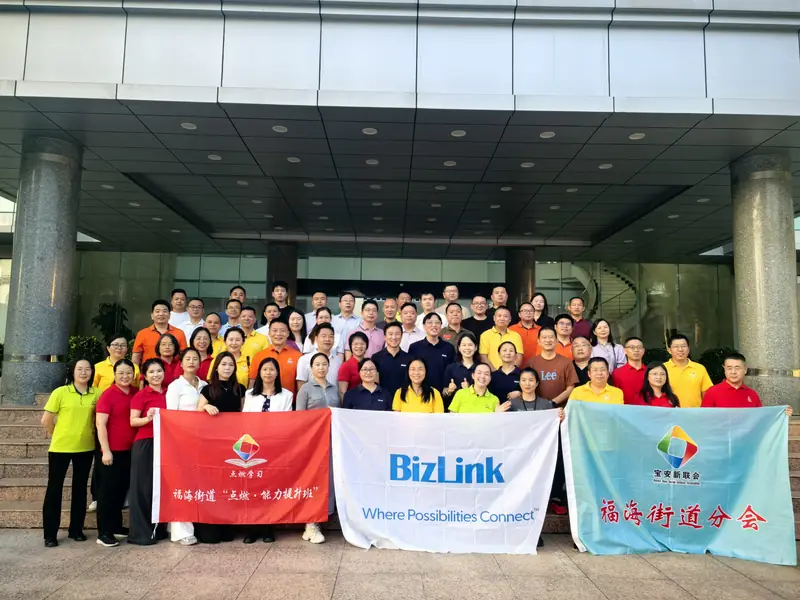
Connecting Infinite Possibilities | Bao'an District New Union 'Ignite Learning' Class (including our Shenzhen Jintianlei Innovation Technology Co., Ltd.) visited Biz Link to discuss new
-
PCBA industry global prospects
-
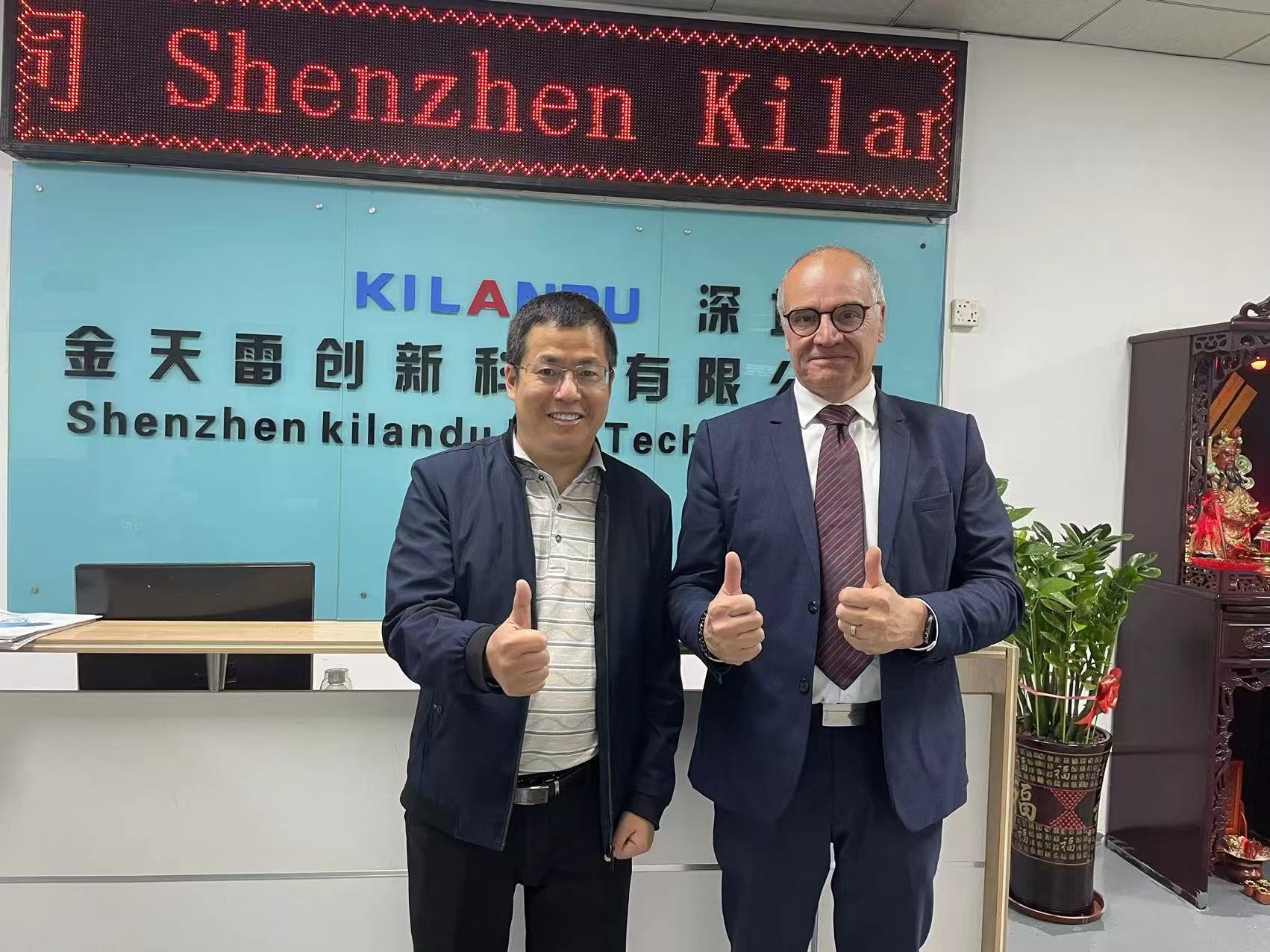
Welcome French customer PACE to visit our factory for audit