

Short answer. A BMS board is judged on measurement accuracy and protection behaviour, not on placement quality alone. Choose a supplier that can state which cell counts it builds, how the current-sense path is laid out, which protection functions are actually tested and at what thresholds, and whether the calibration and test record is tied to the unit or to the lot.
Start with the cell count, not the price
Cell count drives the board. More cells means a wider measurement range, more sense lines, a higher cell-monitor channel count and different protection thresholds, so each configuration is a design rather than a variant of one page. A supplier that quotes a 16S pack from an 8S process without re-reviewing the sense network is quoting a board it has not designed.
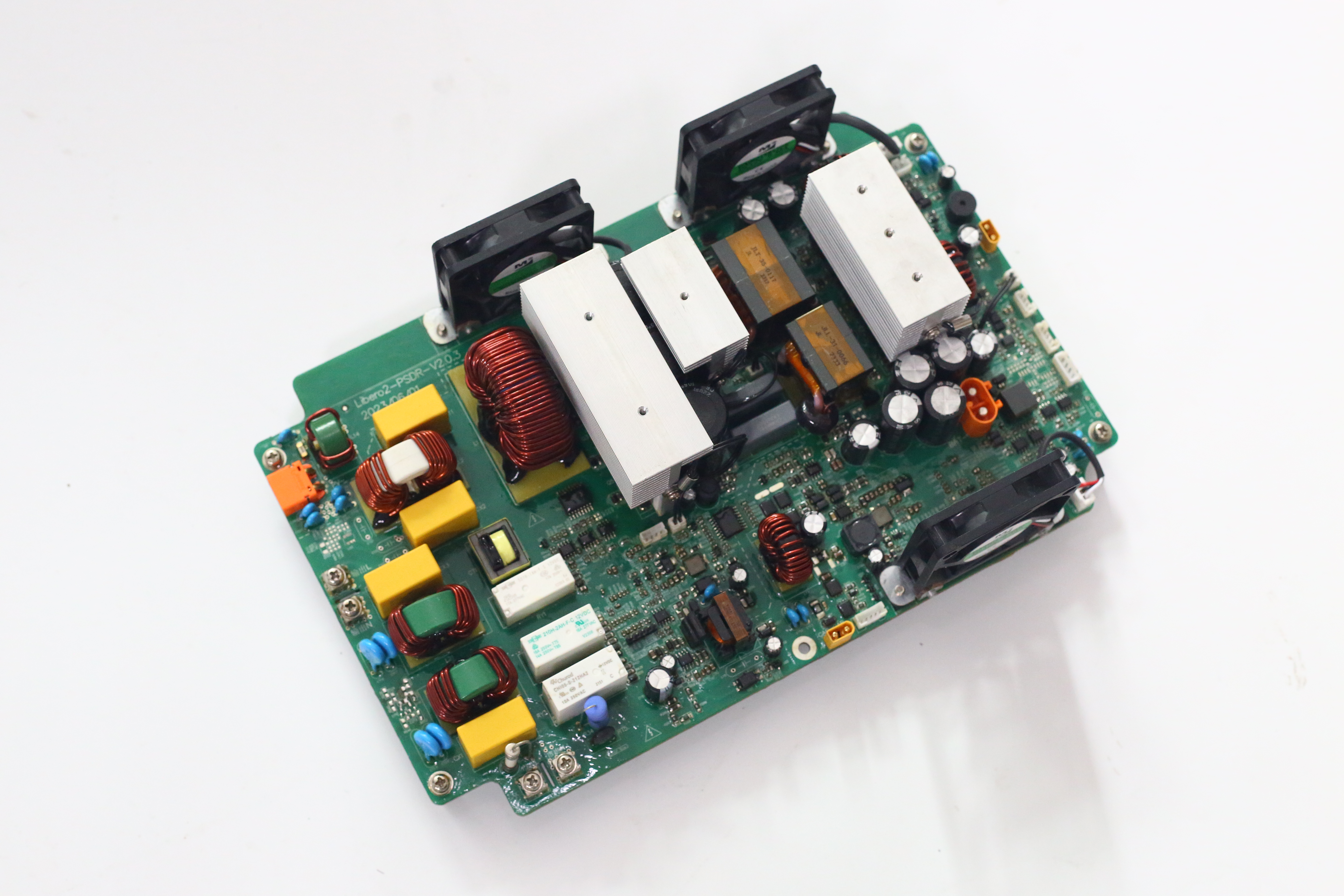
Kilandu builds 4S, 8S, 10S, 12S, 13S and 16S configurations. The cell-count index used at quotation is on the BMS PCBA page, and configurations outside that range are reviewed as their own design.
The four technical questions that separate suppliers
- Where does the current-sense path run? A shunt or hall measurement loop that shares a return with the switching node will read the switching, not the current. Ask how the sense loop is kept out of the power path and how the analogue ground is returned.
- How is cell voltage accuracy held across the pack? Accuracy at nominal is easy. Accuracy at the top and bottom of the pack range is where sense-line routing and divider tolerance show up.
- Which protection functions are tested, and at what threshold? Over-charge, over-discharge and over-current protection each need trip and recovery verification, not a single pass/fail at one point.
- Is calibration recorded per unit or per lot? A per-unit record is what makes a field return diagnosable.
What the test sequence should cover
On a BMS build the electrical test is not a single step. It typically runs: in-circuit test on the assembled board, functional test including cell-voltage accuracy across the pack range and current measurement in circuit, protection-function verification with trip and recovery at the specified thresholds, programming and read-back where firmware is loaded, and burn-in under load for the agreed period. AOI and X-ray cover the joints that cannot be seen; they do not cover the measurement chain.
A supplier that describes only AOI and a power-on check has described assembly, not verification.
Records and traceability
Energy storage packs carry a service life measured in years, and a field failure has to be traceable back to a lot. Ask what is retained: incoming material records, the test result per unit, the firmware version shipped, and the calibration data. Ask how long it is retained, and ask to see a sample record before you place the order rather than after the first failure.
What Kilandu does on a BMS build
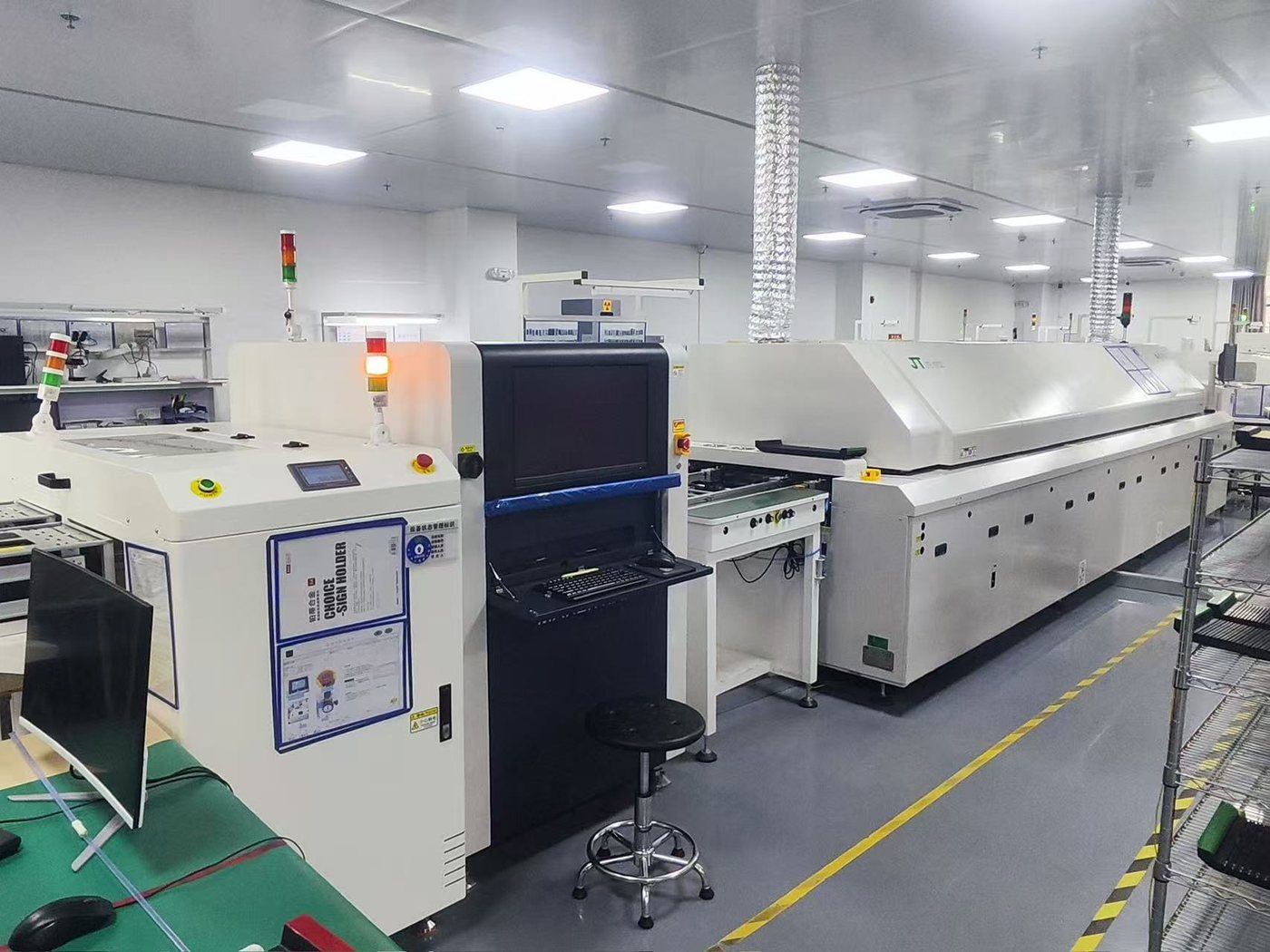
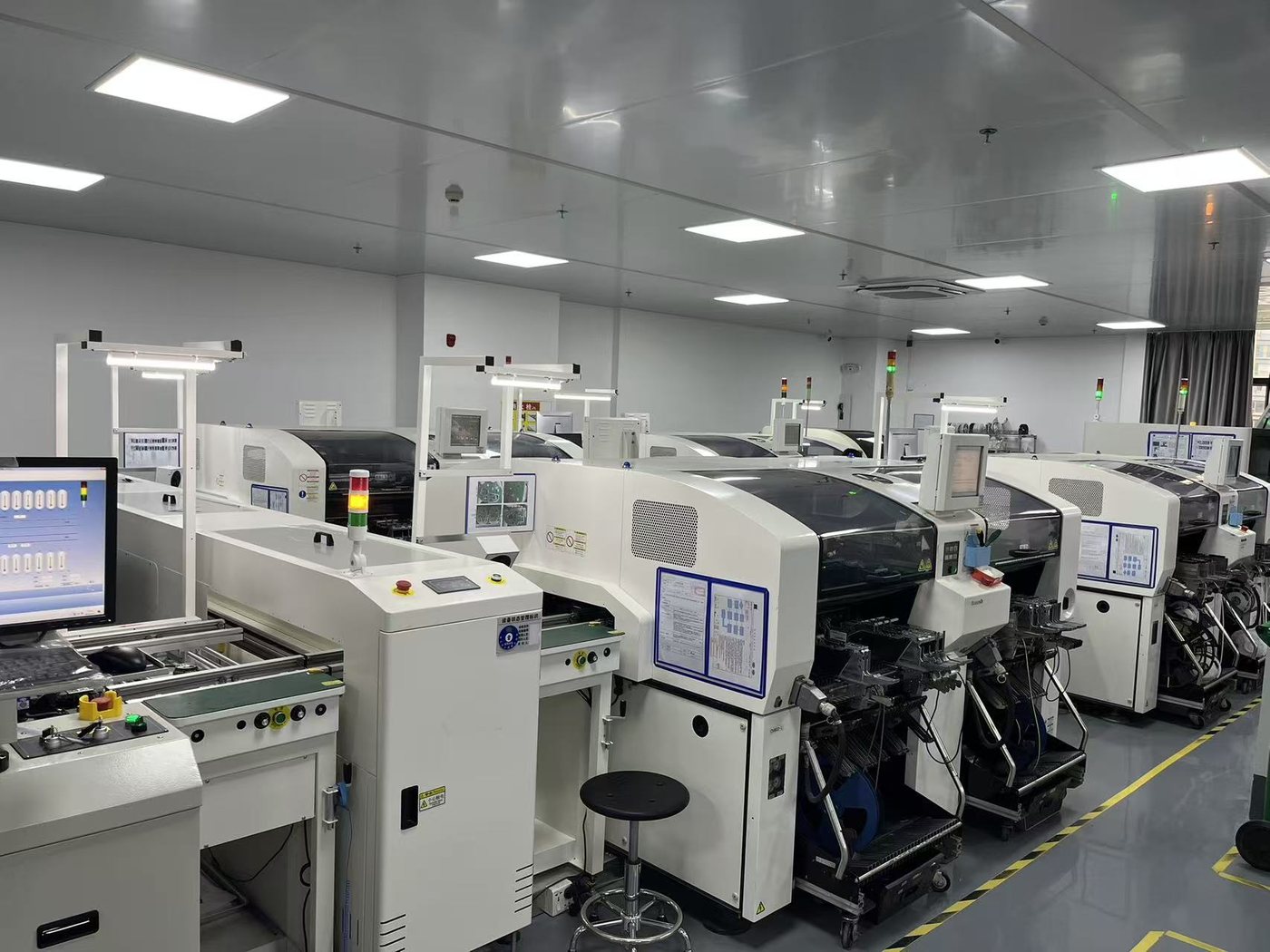
Kilandu assembles BMS boards on four Yamaha SMT lines and three DIP lines in Shenzhen, with SPI, AOI and X-ray in process and ICT plus FCT in electrical test. On request the voltage and current paths are calibrated and recorded per unit, and per-lot records cover the specific cell count and firmware version shipped. Builds inside a medical device follow the ISO 13485 management system; automotive programmes are quoted against the automotive flow rather than the general one.
Where the detail is documented
The full BMS guide, including the 16S energy-storage case study, is on the BMS PCBA page, and the same build is written up on the BMS case study page. Certification scope is on the quality assurance page. Send the pack specification, cell count and protection thresholds to alden@kilandu.com for a design review before quotation.


-
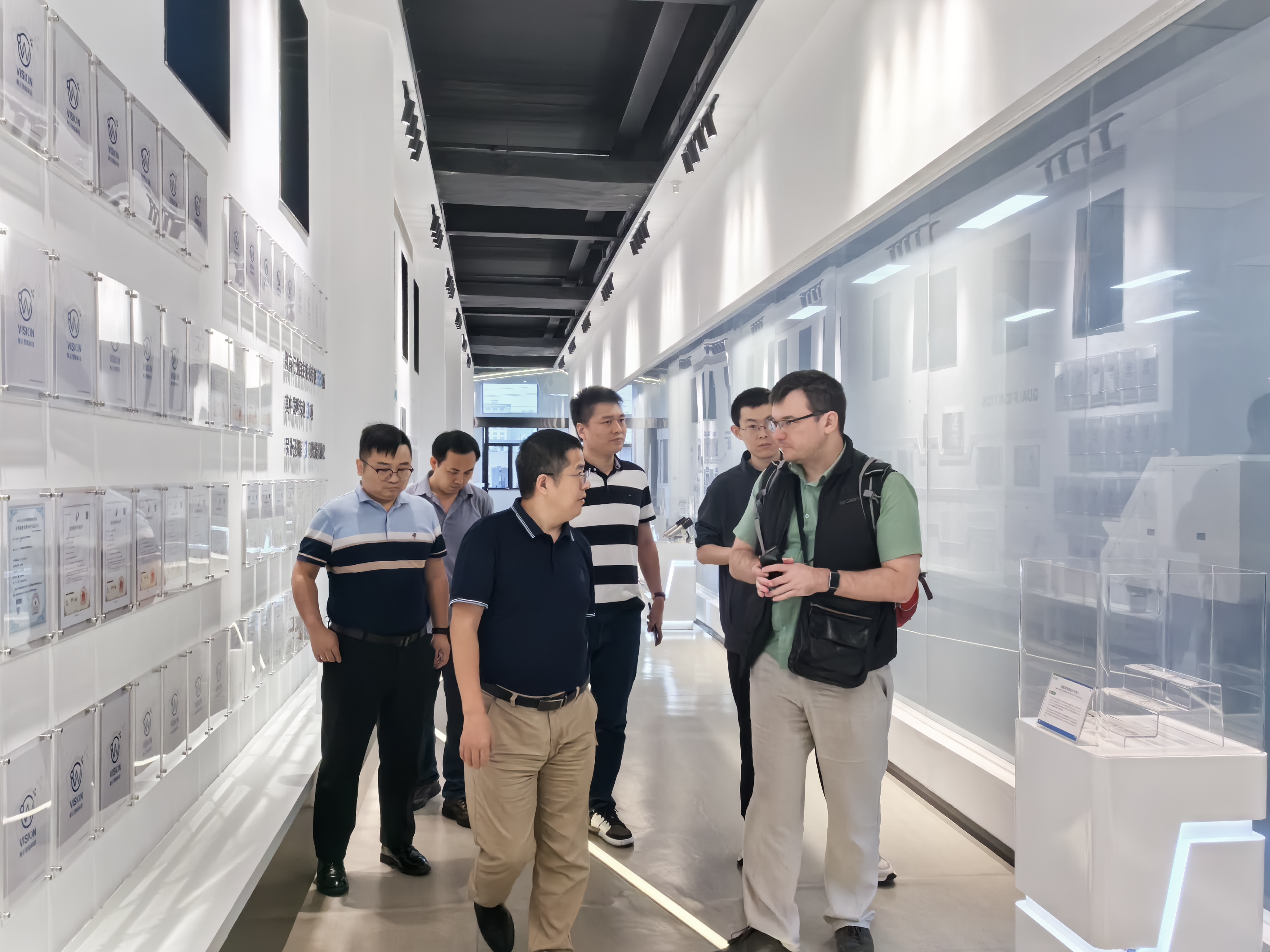
Welcome customers to visit our branch companies for factory inspection and guidance
-
ExpeElectronica2024 in Munich, Germany
-

Connecting Infinite Possibilities | Bao'an District New Union 'Ignite Learning' Class (including our Shenzhen Jintianlei Innovation Technology Co., Ltd.) visited Biz Link to discuss new
-
PCBA industry global prospects
-
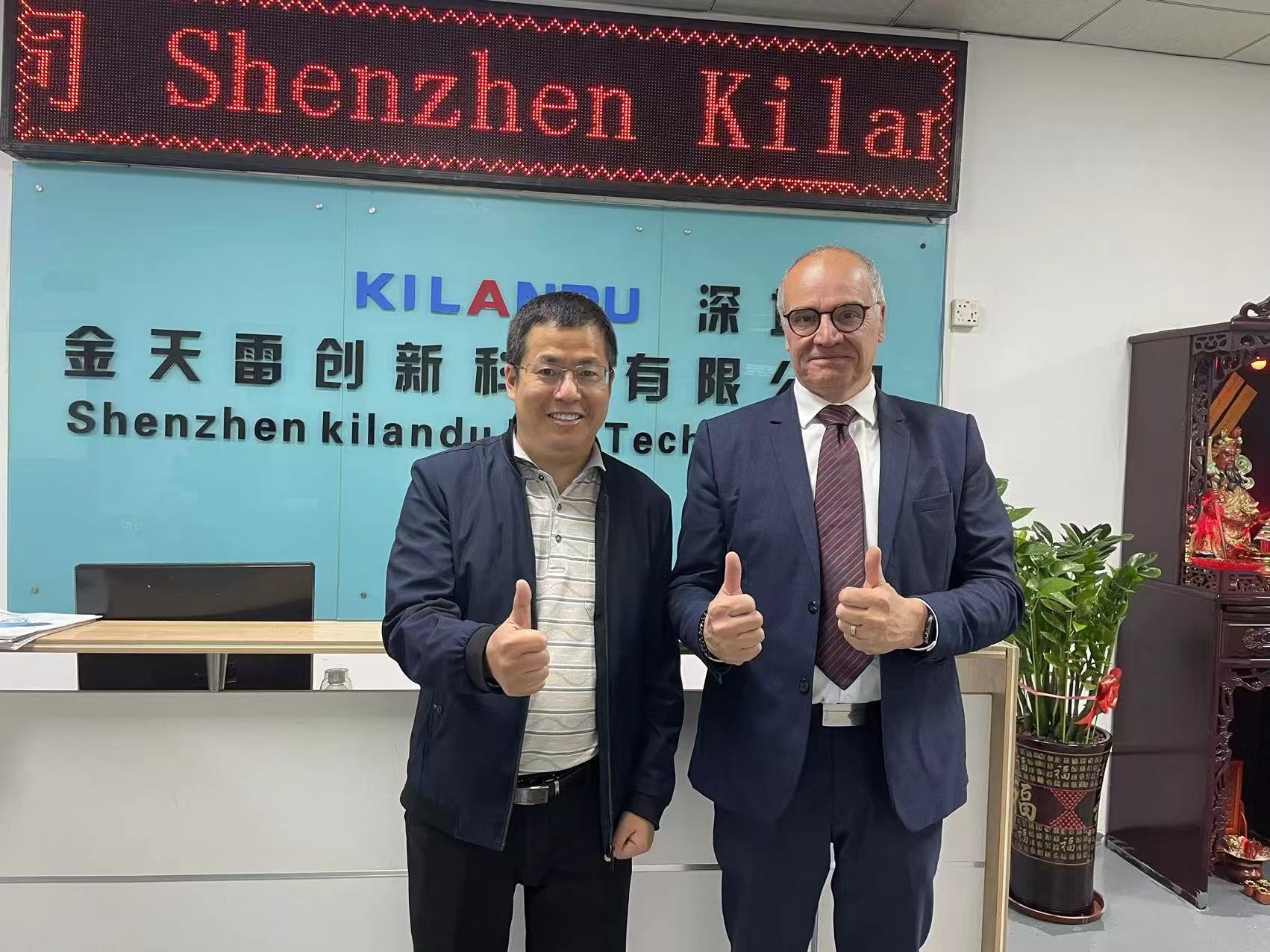
Welcome French customer PACE to visit our factory for audit