
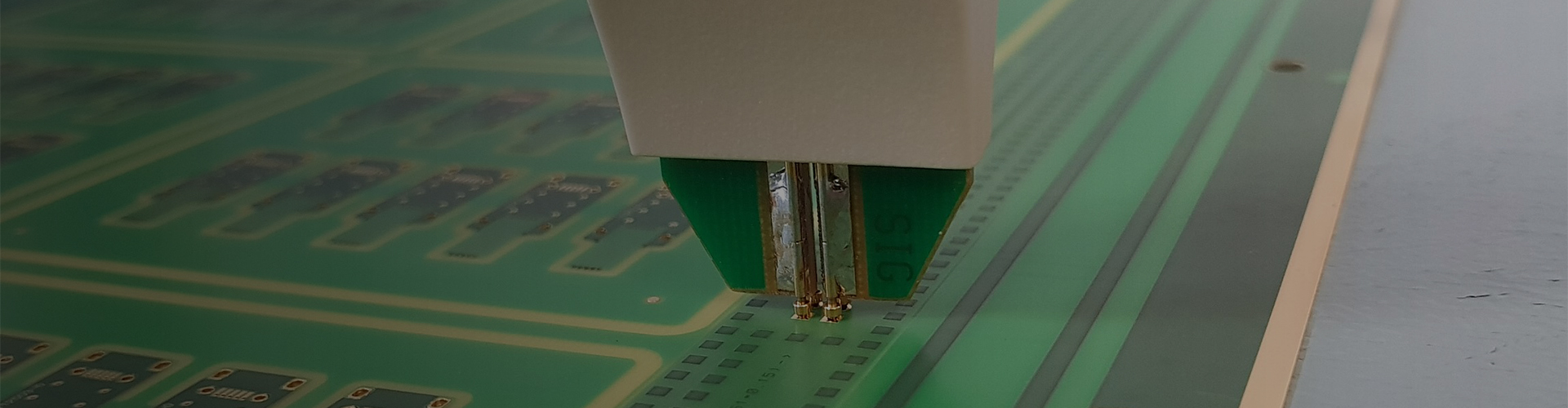
Short answer. A useful DFM review checks the board against the process it will actually run on, and returns findings in six categories: panel utilisation, paste aperture against land pattern, thermal mass imbalance, missing process features, component lifecycle risk, and impedance or stack-up gaps. Each finding is listed with what it typically costs if it is not addressed, because a finding without a consequence is just an opinion.
The six categories, and what each one costs
- Panel utilisation. A board outline that leaves unusable panel area, or spacing below what the router needs. The effect is a higher bare board cost on every order, not just the first.
- Paste aperture against land pattern. An aperture ratio outside what the printer holds consistently, usually on fine pitch. The effect is solder bridging or an insufficient fillet, and it is found only at AOI, after the boards are built.
- Thermal mass imbalance. Large copper planes or heavy components on the same side as fine-pitch parts. The effect is cold joints on the small features or overheating on the large ones - a reflow profile problem created by layout.
- Missing process features. No fiducials, no tooling holes, no test points, or a panel break-off that leaves burrs. The effect is hand alignment, slower assembly and no access for test.
- Component lifecycle risk. End-of-life, not-recommended-for-new-design or single-source parts in the BOM. The effect is a build that cannot be repeated, at a premium that grows each year.
- Impedance and stack-up gaps. Controlled-impedance targets without a fabrication equivalent, or a stack-up with none stated. The effect is boards that meet the drawing and miss the electrical requirement.
Why the review sits at the assembly stage
The findings that matter most cross the boundary between board and assembly. A stack-up decision changes the reflow profile; a component substitution changes the paste volume; a panel break-off rule changes the tooling-hole requirement. A review performed only against the board will miss exactly the findings that are expensive to discover after the order is placed.
Who runs it and how long it takes
A standard review is returned with the quotation, normally within one to two working days of a complete file set, and it is carried out by process engineers rather than passed to the fabrication house or the customer's design team. Where the review is a joint exercise, a call resolves most findings faster than annotated drawings exchanged over several rounds.
Where the boundary is
The review produces findings; the design belongs to the customer. Kilandu manufactures to a customer design and does not take over the product design. Where a finding comes back, the decision to change the design is the customer's, and the review states the cost of each option rather than making the change.
When not to change a mature design
A design that has been in production has usually earned its layout. If a finding would mean a re-spin of the board to fix something that has not yet caused a defect, the cheaper answer is often to change the process - a different stencil aperture or a revised reflow profile - rather than the design. That is a judgement call, and it is one of the reasons the review is done by people who run the process.
What Kilandu does
DFM is run in Shenzhen against the process the boards will run on, and a standard review is returned with the quotation. The full checklist and the findings list are on the DFM page, and the file set needed to trigger a review is on the quote requirements page. Send a design for review to alden@kilandu.com.



-

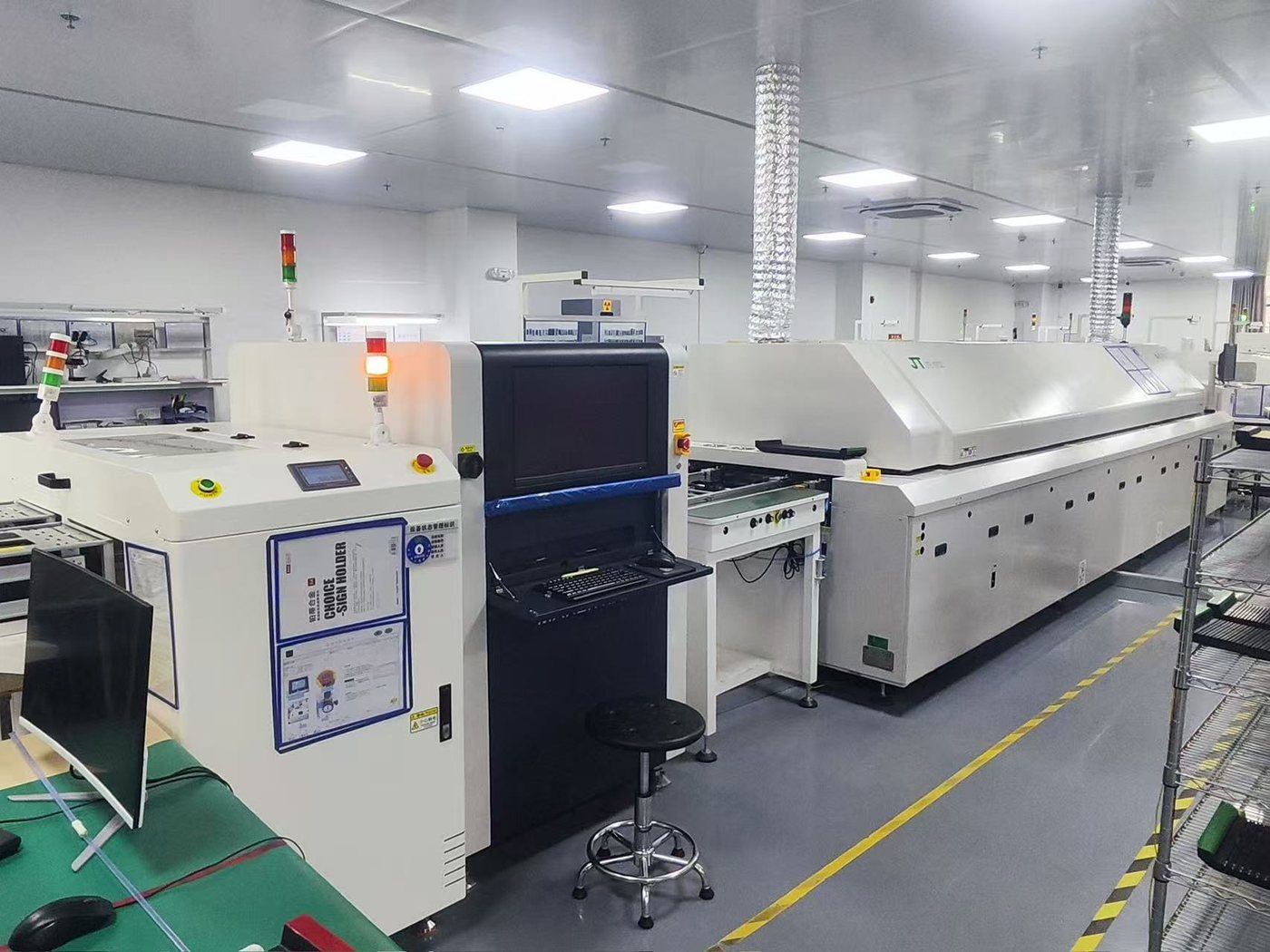
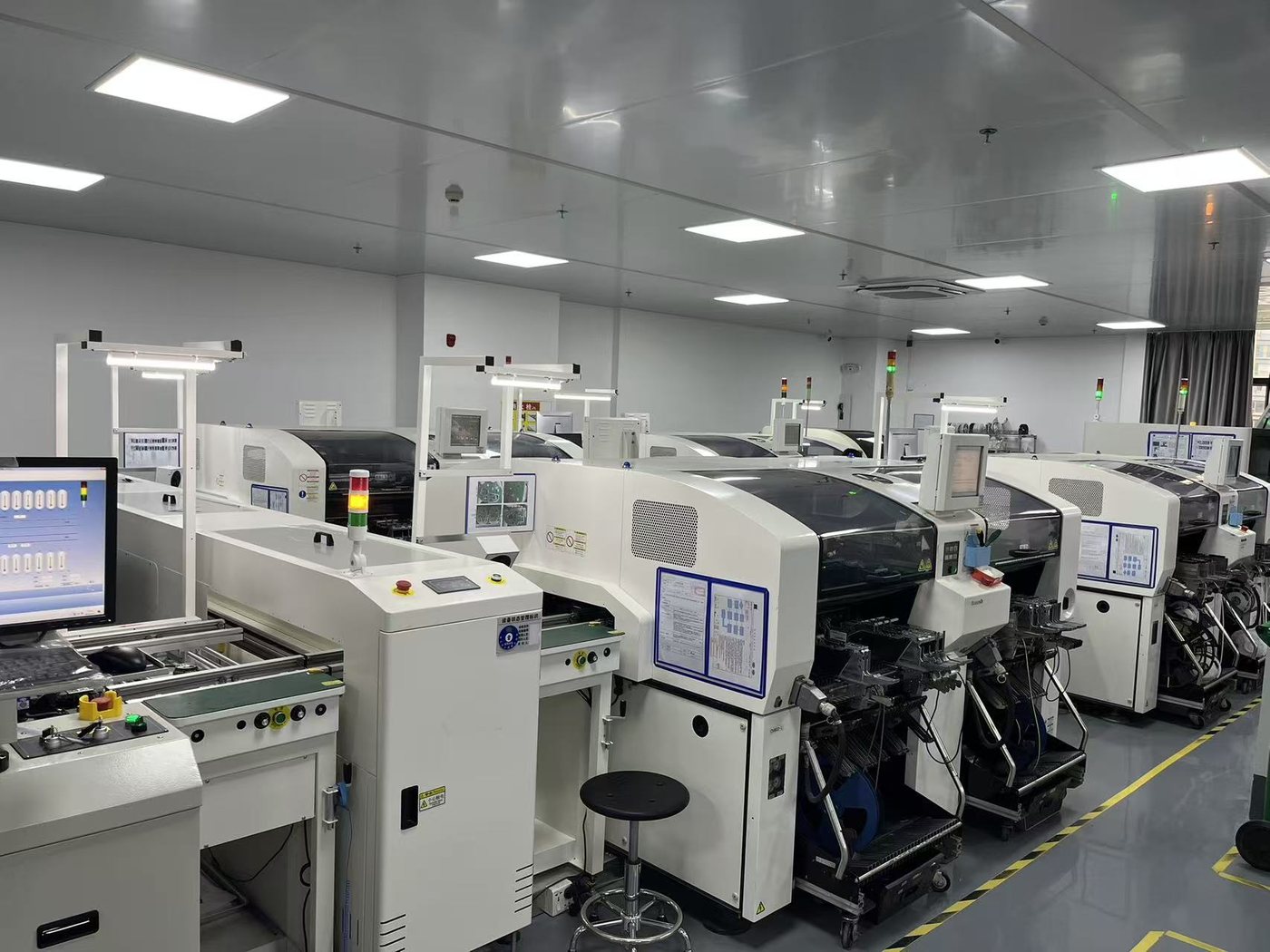
Welcome customers to visit our branch companies for factory inspection and guidance
-
ExpeElectronica2024 in Munich, Germany
-

Connecting Infinite Possibilities | Bao'an District New Union 'Ignite Learning' Class (including our Shenzhen Jintianlei Innovation Technology Co., Ltd.) visited Biz Link to discuss new
-
PCBA industry global prospects
-

Welcome French customer PACE to visit our factory for audit