
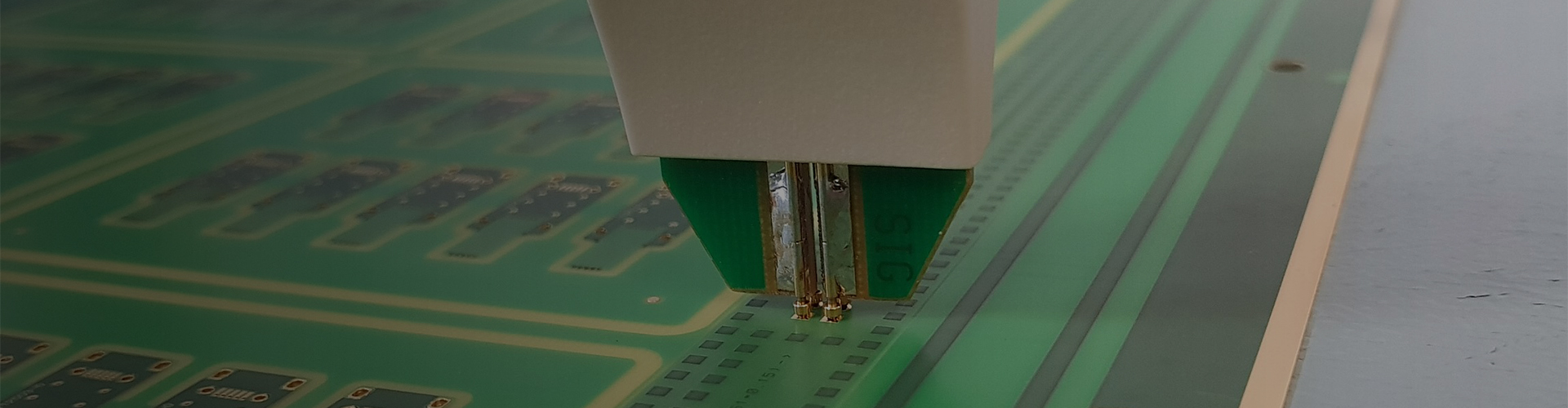
Short answer. Four things: the Gerber data, a BOM that names manufacturer part numbers rather than descriptions, the assembly drawing, and the test specification if you have one. Send those and a quotation can be returned with the material and the one-time items identified. Send less than that and you get a quotation with a condition attached, because the missing item is where the cost is decided.
The file set
- Gerber files for all layers, plus the drill file, in the format the fabricator expects. Include the fabrication drawing with the stack-up, finished thickness, copper weight and surface finish stated, and the impedance targets if the board has controlled impedance.
- BOM with manufacturer part numbers, quantity per board, reference designators and, where relevant, the approved vendor list. A description such as "10k resistor 0603" cannot be quoted or bought; a part number can.
- Assembly drawing showing the board outline, the top and bottom views with polarity and pin-1 markings, and any components that are not to be fitted, fitted differently, or fitted by hand.
- Stencil and test information where it exists: a stencil aperture note for fine-pitch work, test points, and the test specification with the measurements to be taken and the limits that apply.
What a BOM must contain
Part number, quantity, reference designators, manufacturer and, for anything non-standard, the approved alternative. Date codes and traceability requirements matter as well: a BOM that says "any date code" and a BOM that says "date code within 12 months of build" produce different quotations, because the second one constrains the stock you can buy from.
Decisions that change the price
Some of the price is set by decisions rather than by parts. Whether parts are consigned or sourced. Whether the assembly is inspected by X-ray and, if so, on every board or on a sample. Whether functional test is required and against what specification. Whether conformal coating is required. Whether a connector or a display is to be fitted by hand. Each of these is a line in the quotation, and each is cheaper to decide before the order than after.
What happens when the BOM is incomplete or descriptive
The quotation is returned with the open items named, and the affected lines are flagged rather than assumed. A part that can only be matched by description is quoted as a conditional line with the assumption stated. Long-lead and allocation-risk parts are identified at that point, which is the earliest moment a substitution or a schedule change is still cheap to make. Quoting on a descriptive BOM and discovering the real cost afterwards is the expensive version of the same decision.
Tooling, stencils and test fixtures
Where a stencil, a fixture or a programme is needed, it is quoted as a one-time item with its own lead time, separately from the board price. A test fixture built to your specification is often the largest one-time item on a small programme, and it is worth knowing that number before agreeing a test scope.
What Kilandu does
Kilandu returns the file set above with the quotation, with the material lines identified, the lead time stated against the slowest part, and any one-time item listed separately. The complete checklist is on the quote requirements page, the ordering sequence is on how to order PCBA, and the design-side review that catches problems before quotation is on the DFM page. Send the files to alden@kilandu.com.


-
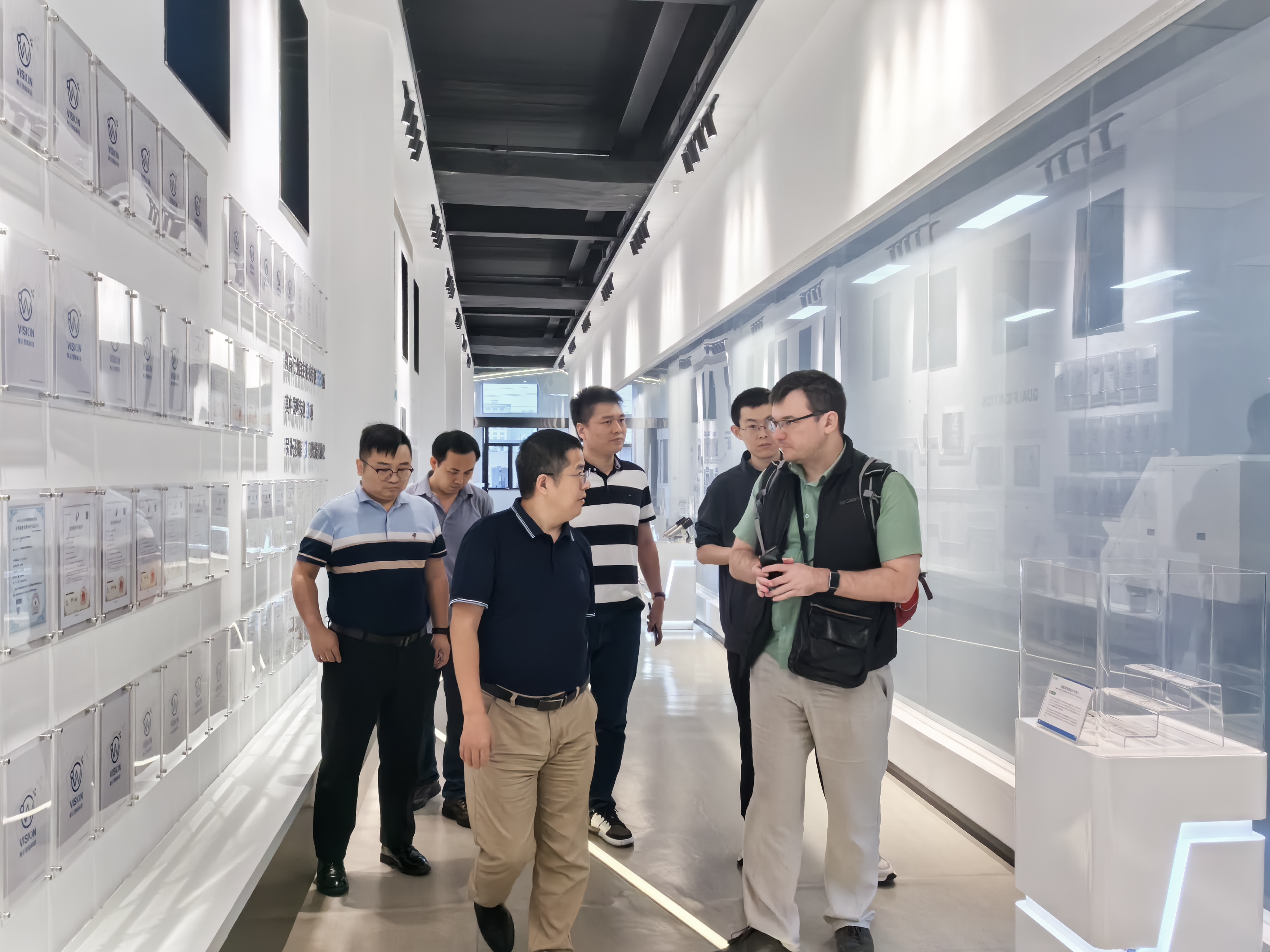
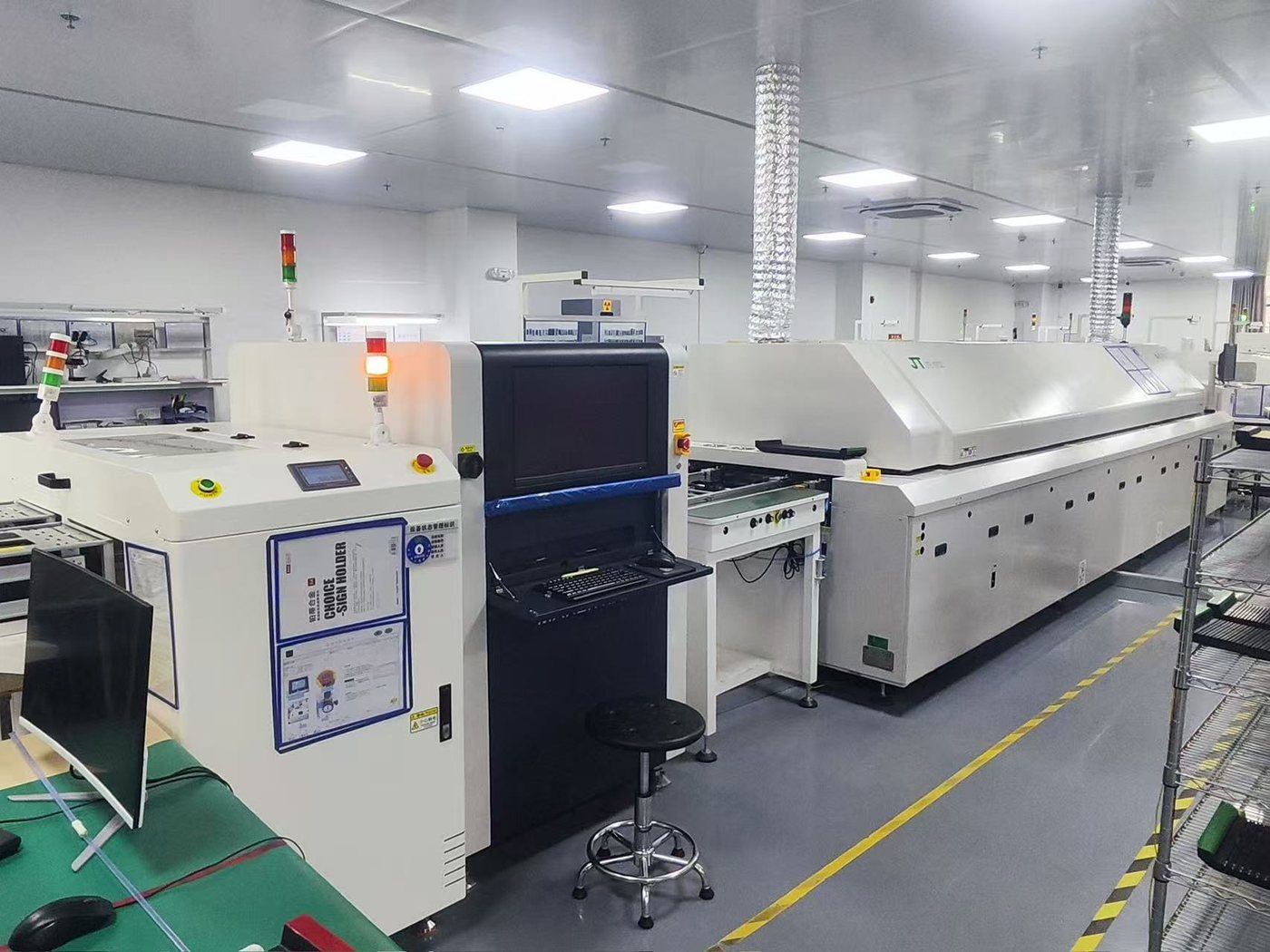
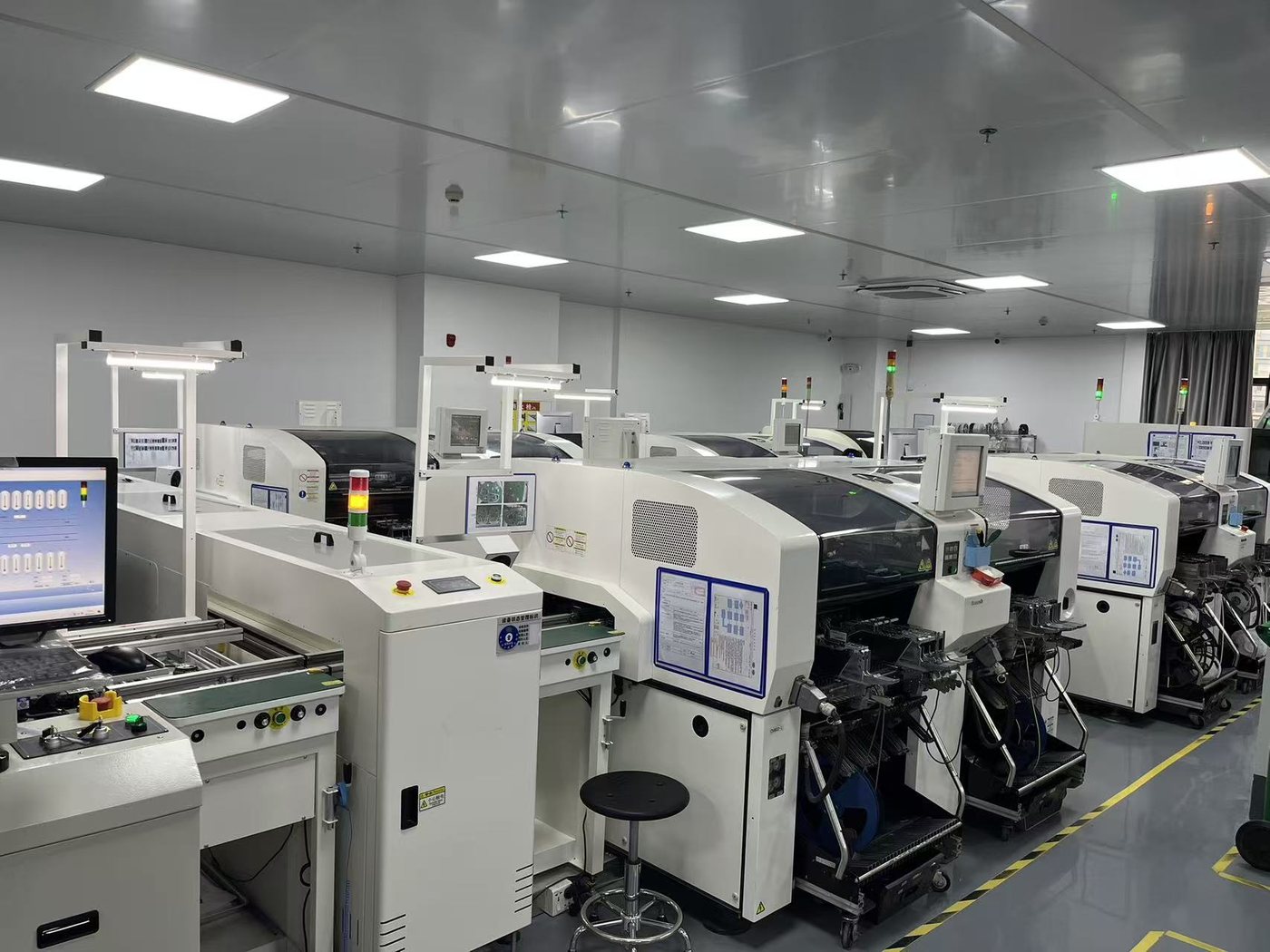
Welcome customers to visit our branch companies for factory inspection and guidance
-
ExpeElectronica2024 in Munich, Germany
-

Connecting Infinite Possibilities | Bao'an District New Union 'Ignite Learning' Class (including our Shenzhen Jintianlei Innovation Technology Co., Ltd.) visited Biz Link to discuss new
-
PCBA industry global prospects
-
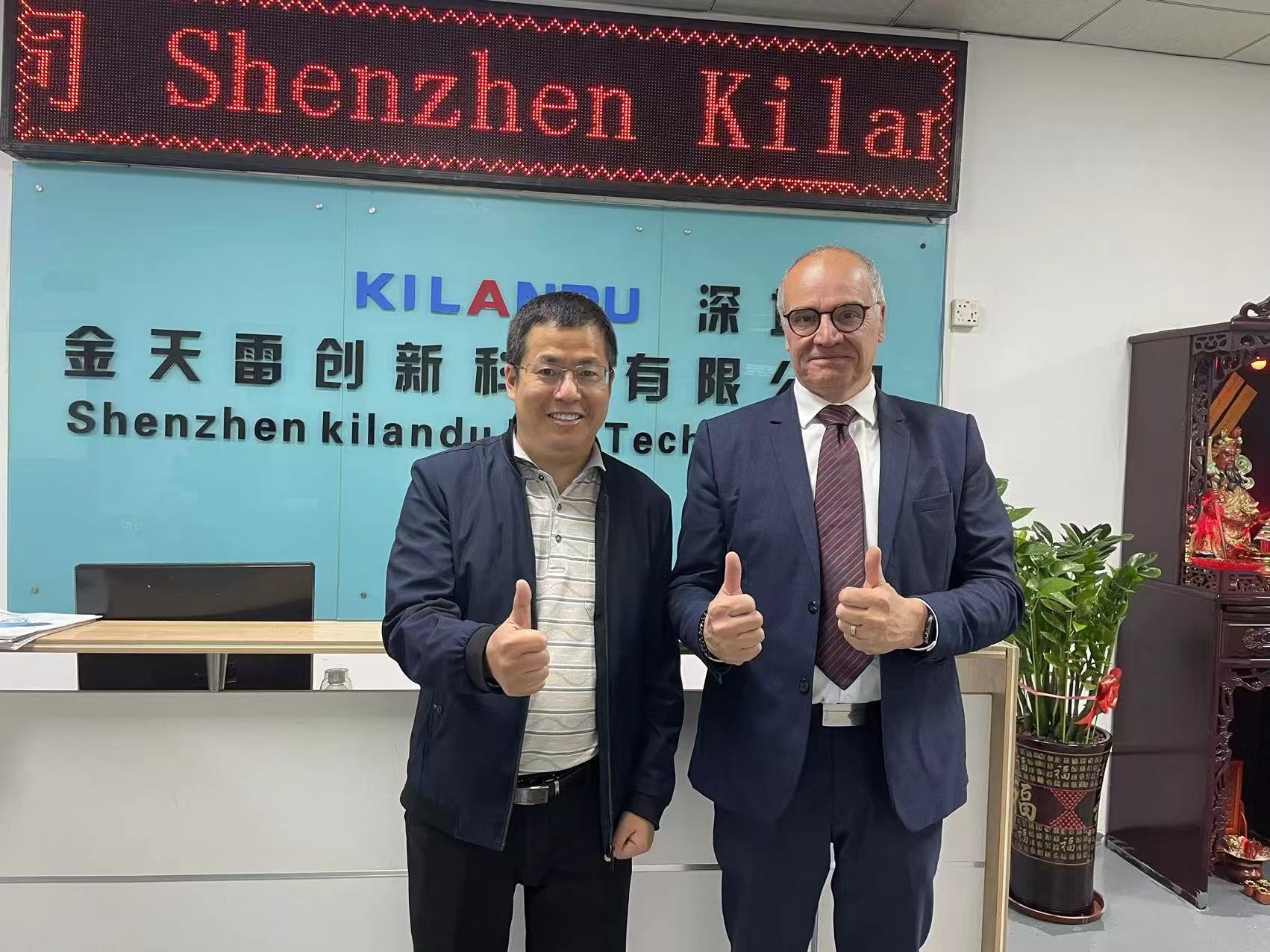
Welcome French customer PACE to visit our factory for audit